CCHC-type zinc finger nucleic acid binding protein
Last updated 18 Aug 2020
Meets Patient’s editorial guidelines
- DownloadDownload
- Share
- Language
- Discussion
- Ask Patient
- Audio Version
- Add to preferred sources on Google
The CNBP gene provides instructions for making a protein called CCHC-type zinc finger nucleic acid binding protein. This protein has seven regions, called zinc finger domains, which are thought to attach (bind) to specific sites on DNA and its chemical cousin, RNA.
Video picks for GenesVideo library
Normal function
The CNBP gene provides instructions for making a protein called CCHC-type zinc finger nucleic acid binding protein. This protein has seven regions, called zinc finger domains, which are thought to attach (bind) to specific sites on DNA and its chemical cousin, RNA.
The CNBP protein is found in many of the body's tissues, but it is most abundant in the heart and in muscles used for movement (skeletal muscles). The CNBP protein regulates the activity of other genes and is necessary for normal development before birth, particularly of muscles.
One region of the CNBP gene contains a segment of four DNA building blocks (nucleotides) that is repeated multiple times. This sequence, which is written as CCTG, is called a tetranucleotide repeat. In most people, the CCTG sequence is repeated fewer than 26 times.
Conditions referring to this gene or chromosome
Other names
CCHC-type zinc finger, nucleic acid binding protein
cellular nucleic acid binding protein
cellular retroviral nucleic acid-binding protein 1
CNBP1
CNBP_HUMAN
DM2
ZCCHC22
zinc finger 9 protein
zinc finger protein 273
zinc finger protein 9
zinc finger protein 9 (a cellular retroviral nucleic acid binding protein)
ZNF9
Patient picks for Genes
Healthy living
Zinc deficiency, excess and supplementation
Zinc is needed for many of the chemical reactions which are going on inside us all the time at micro-level. We get zinc from our diets but not getting enough can cause a wide variety of symptoms, some of which are very vague.
by Dr Toni Hazell, FRCGP
Healthy living
Natural protein verses protein powder: which is better for strength training?
Consuming enough protein is essential for building strong muscles. Protein powder shakes are not a complete replacement for natural protein sources found in your food. However, you may consider supplementing your diet and strength-training regime with protein shakes. Before you decide if this is right for you, there are several benefits and considerations to take into account.
by Amberley Davis

Bones, joints and muscles
Trigger finger
A trigger finger does not straighten easily. The cause is not clear. Sometimes it settles and goes away without treatment. An injection of steroid will usually cure the problem. A small operation is needed in a small number of cases.
by Dr Hayley Willacy, FRCGP

Kidney and urinary tract
Proteinuria
Proteins are molecules that are found in almost every part of the body, including in the blood. The kidneys normally have a filter which stops protein from entering the urine, except in very tiny amounts; however, kidney problems can cause higher levels of protein to be found in the urine.
by Dr Doug McKechnie, MRCGP

Diabetes
Diabetes diet: managing type 2 diabetes
If you have type 2 diabetes it is often difficult to know which foods you should or should not eat. Here we explain the key elements of a diabetes diet to help you prevent or delay associated health problems, and address some common myths around eating with type 2 diabetes.
by Lawrence Higgins
Healthy living
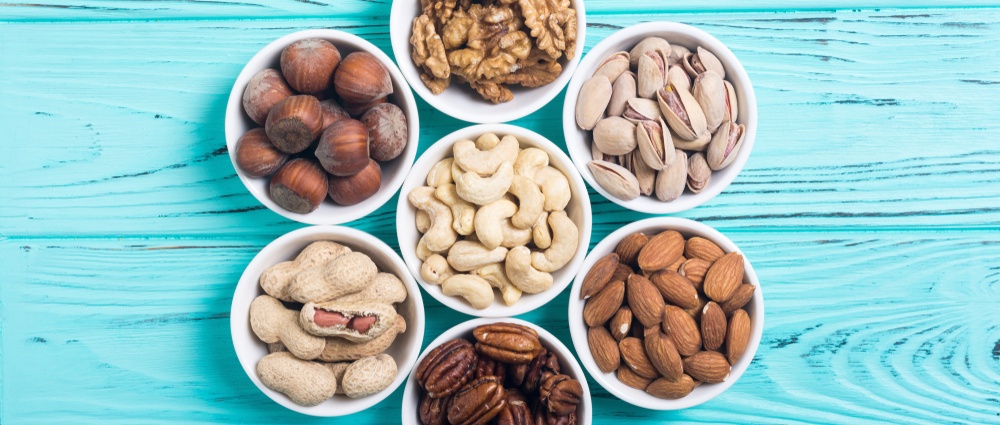
8 high-protein nuts to boost your strength
Packed with protein, delicious, easy to eat, and versatile - nuts are a great source of fuel for people building their fitness and strength. But not all nuts are created equal, which is why we count down the top eight nuts you should eat while strength training and serve these up with tasty recipe ideas.
by Lynn Stephen
Related patient information and medicines

Patient information leaflet
Blood groups and types
ABO and rhesus are both types of antigens found on the surface of red blood cells. There are lots of other types but these are the most important. The main reasons to know your blood group are if you need to have a blood transfusion or if you are pregnant. What is a blood group. Red blood cells (erythrocytes) have certain proteins on their.
Patient information leaflet
Zinc deficiency, excess and supplementation
Zinc is needed for many of the chemical reactions which are going on inside us all the time at micro-level. We get zinc from our diets but not getting enough can cause a wide variety of symptoms, some of which are very vague. As well as many chemical reactions in our bodies, zinc is needed for: Our immune systems to work well to fight off.
Patient information leaflet
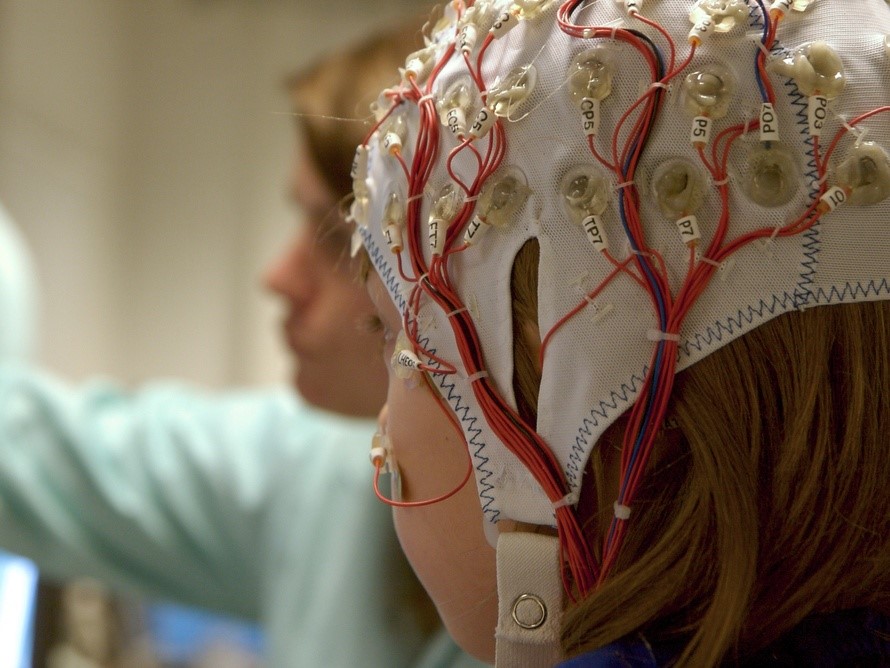
Types of seizures
There are different types of seizures. This leaflet gives some information about what your doctor may wish to know and what tests may be advised after such an event. What is a seizure. A seizure is a short episode of symptoms caused by a burst of abnormal electrical activity in the brain. Typically, a seizure lasts from a few seconds to a few.
Patient information leaflet
Trigger finger
A small operation is needed in a small number of cases. What is trigger finger. Trigger finger (also known as stenosing tenosynovitis) is a condition that affects the tendons in your fingers or thumb, causing them to become inflamed and thickened. This can lead to difficulty in straightening or bending the affected finger, often resulting in it.
Patient information leaflet
Can I take Folic acid and Glucosamine together?
There are no known significant interactions between folic acid and glucosamine. Why this happens Folic acid (a B vitamin) and glucosamine (an amino sugar) are processed by the body through different pathways. Our Medicines Interaction Checker helps you check whether your prescriptions, over-the-counter medicines, and supplements are safe to take.

Patient information leaflet
Can I take Black cohosh and Folic acid together?
Because alcohol also puts strain on the liver, it is advisable to lim... Using other medicines Taking multiple medicines. Our Medicines Interaction Checker helps you check whether your prescriptions, over-the-counter medicines, and supplements are safe to take together. Simply search for your medicines to see potential interactions and what to do.
Further reading and references
- CCHC-type zinc finger nucleic acid binding protein; MedlinePlus, National Library of Medicine.
- Armas P, Aguero TH, Borgognone M, Aybar MJ, Calcaterra NB. Dissecting CNBP, a zinc-finger protein required for neural crest development, in its structural and functional domains. J Mol Biol. 2008 Oct 17;382(4):1043-56. doi: 10.1016/j.jmb.2008.07.079. Epub 2008 Aug 5.
- Armas P, Nasif S, Calcaterra NB. Cellular nucleic acid binding protein binds G-rich single-stranded nucleic acids and may function as a nucleic acid chaperone. J Cell Biochem. 2008 Feb 15;103(3):1013-36. doi: 10.1002/jcb.21474.
- Bachinski LL, Czernuszewicz T, Ramagli LS, Suominen T, Shriver MD, Udd B, Siciliano MJ, Krahe R. Premutation allele pool in myotonic dystrophy type 2. Neurology. 2009 Feb 10;72(6):490-7. doi: 10.1212/01.wnl.0000333665.01888.33. Epub 2008 Nov 19.
- Botta A, Caldarola S, Vallo L, Bonifazi E, Fruci D, Gullotta F, Massa R, Novelli G, Loreni F. Effect of the [CCTG]n repeat expansion on ZNF9 expression in myotonic dystrophy type II (DM2). Biochim Biophys Acta. 2006 Mar;1762(3):329-34. doi: 10.1016/j.bbadis.2005.11.004. Epub 2005 Dec 6.
- David AP, Pipier A, Pascutti F, Binolfi A, Weiner AMJ, Challier E, Heckel S, Calsou P, Gomez D, Calcaterra NB, Armas P. CNBP controls transcription by unfolding DNA G-quadruplex structures. Nucleic Acids Res. 2019 Sep 5;47(15):7901-7913. doi: 10.1093/nar/gkz527.
- Kleefeld F, Erdmann H, Schoser B. Myotonic Dystrophy Type 2. 2006 Sep 21 [updated 2025 Sep 25]. In: Adam MP, Bick S, Mirzaa GM, Wallace SE, Amemiya A, editors. GeneReviews(R) [Internet]. Seattle (WA): University of Washington, Seattle; 1993-2026. Available from http://www.ncbi.nlm.nih.gov/books/NBK1466/
- Liquori CL, Ricker K, Moseley ML, Jacobsen JF, Kress W, Naylor SL, Day JW, Ranum LP. Myotonic dystrophy type 2 caused by a CCTG expansion in intron 1 of ZNF9. Science. 2001 Aug 3;293(5531):864-7. doi: 10.1126/science.1062125.
- Wei C, Stock L, Schneider-Gold C, Sommer C, Timchenko NA, Timchenko L. Reduction of Cellular Nucleic Acid Binding Protein Encoded by a Myotonic Dystrophy Type 2 Gene Causes Muscle Atrophy. Mol Cell Biol. 2018 Jun 28;38(14):e00649-17. doi: 10.1128/MCB.00649-17. Print 2018 Jul 15.
Share your thoughts or experiences with others in our patient communities.
Simple access to trusted treatments and health services online.
Common conditions
Get help with common conditions through the NHS, without a GP appointment.





Sign up to the Patient newsletter
Your weekly dose of clear, trustworthy health advice - written to help you feel informed, confident and in control.
By subscribing you accept our Privacy Policy. You can unsubscribe at any time. We never sell your data.