FRAS1 related extracellular matrix 1
Last updated 11 Apr 2023
Meets Patient’s editorial guidelines
- DownloadDownload
- Share
- Language
- Discussion
- Ask Patient
- Audio Version
- Add to preferred sources on Google
The FREM1 gene provides instructions for making a protein that is involved in the formation and organisation of basement membranes, which are thin, sheet-like structures that separate and support cells in many tissues.
Video picks for GenesVideo library
Normal function
The FREM1 gene provides instructions for making a protein that is involved in the formation and organisation of basement membranes, which are thin, sheet-like structures that separate and support cells in many tissues.
The FREM1 protein is one of a group of proteins, including proteins called FRAS1 and FREM2, that interact during embryonic development as components of basement membranes. Basement membranes help anchor layers of cells lining the surfaces and cavities of the body (epithelial cells) to other embryonic tissues, including those that give rise to connective tissues (such as skin and cartilage) and the kidneys.
Conditions referring to this gene or chromosome
Other names
BNAR
C9orf143
C9orf145
C9orf154
extracellular matrix protein QBRICK
FLJ25461
FRAS1-related extracellular matrix protein 1
FREM1_HUMAN
TILRR
Patient picks for Genes

Chest and lungs
SARS and MERS virus
Severe acute respiratory syndrome (SARS) and Middle East respiratory syndrome (MERS) are viral infections. Both infections can cause very serious illnesses that particularly affect the lungs. SARS caused many infections, especially in Asia, in 2002-2004 but was not heard of for some time. A SARS-CoV-2 (COVID-19) outbreak emerged in Wuhan, China in December 2019. This spread rapidly and was declared a global pandemic in 2020. MERS was first recognised in the Middle East in 2012. Most of the initial infections were in the Middle East. However, by February 2018, the World Health Organization (WHO) had reported cases in many other countries.
by Dr Hayley Willacy, FRCGP

Travel and vaccinations
Jet lag
Jet lag occurs after travelling rapidly across several time zones, because the body's internal clock has not adjusted to the required sleep-wake cycle in the new time zone. Jet lag causes physical and psychological symptoms, the severity of which increases with the number of time zones crossed and direction of travel. Eastward travel, when hours are 'gained' is associated with worse jet lag than westward travel, when hours are 'lost.'
by Dr Hayley Willacy, FRCGP
Heart health and blood vessels
Deep vein thrombosis
A deep vein thrombosis (DVT) is a blood clot in a vein. Blood clots in veins most often occur in the legs but can occur elsewhere in the body, including the arms. This leaflet is about blood clots in leg veins. The most common cause of a blood clot developing in a vein is immobility. A complication can occur in some cases where part of the blood clot breaks off and travels to the lung (pulmonary embolus). This is usually prevented if you are given anticoagulation treatment.
by Dr Toni Hazell, FRCGP

Travel and vaccinations
Ebola
Ebola is a viral infection, which mainly occurs in West and Equatorial Africa. There is as yet no vaccine or cure for Ebola, and about 4 out of 10 of those infected die of the disease. The risk of becoming infected with Ebola in the UK is very small. Ebola is spread by close contact with an infected person. People with Ebola become infectious when they have symptoms.
by Dr Mary Elisabeth Lowth, FRCGP

Travel and vaccinations
Roundworms
Roundworms (also called nematodes) are worms with a long round body. They vary in length from several millimetres to up to two metres. Roundworms are common in warm tropical countries and most infections seen in the UK will have been acquired abroad. Children are more often affected than adults. Treatment is usually very effective but wiping out (eradication of) roundworm infections has proved to be very difficult.
by Dr Toni Hazell, FRCGP
Infections
Leptospirosis and Weil's disease
Leptospirosis is caused by infection with Leptospira germs (bacteria). The infection passes from animals (commonly rats, cattle, pigs and dogs) to humans. In most cases, leptospirosis causes a mild illness. But, in some people, a more severe illness occurs. This more severe form is commonly referred to as Weil's disease. The main treatment for leptospirosis is antibiotics and most people make a full recovery.
by Dr Caroline Wiggins, MRCGP
Related patient information and medicines

Patient information leaflet
Alpha-1 antitrypsin deficiency
A genetic condition is one that can be passed on from parents through genes. In alpha-1 antitrypsin deficiency the result of a genetic abnormality leads to lung and, in some people, liver damage. Alpha-1 antitrypsin (A1AT) is a protein made by cells in the liver. It passes from the liver into the bloodstream and can travel to the lungs. Its main.
Patient information leaflet
SARS and MERS virus
Severe acute respiratory syndrome (SARS) and Middle East respiratory syndrome (MERS) are viral infections. Both infections can cause very serious illnesses that particularly affect the lungs. SARS caused many infections, especially in Asia, in 2002-2004 but was not heard of for some time. A SARS-CoV-2 (COVID-19) outbreak emerged in Wuhan, China in.

Patient information leaflet
Ovarian cyst
Ovarian cysts are fluid-filled pockets that grow on the ovaries. Almost all ovarian cysts are non-cancerous (benign), but some are cancerous (malignant), or may become cancerous over time. Many people with ovarian cysts don't have any symptoms or require any treatment, as many go away on their own. However, some ovarian cysts may need removal with.

Patient information leaflet
Can I take Oestrogel pump-pack and Vitamin C together?
This can lead to higher levels of the medicine in your bloodstream, p... Using other medicines Taking multiple medicines. Our Medicines Interaction Checker helps you check whether your prescriptions, over-the-counter medicines, and supplements are safe to take together. Simply search for your medicines to see potential interactions and what to do.
Patient information leaflet
Polymyalgia rheumatica
Polymyalgia rheumatica causes pain, stiffness and tenderness in large muscles, typically around the shoulders, upper arms and hips. The cause is not known. You need to take a low dose of steroid each day to keep symptoms away. Some people with polymyalgia rheumatica develop a related condition called giant cell arteritis which can be more serious..
Patient information leaflet
Macular degeneration
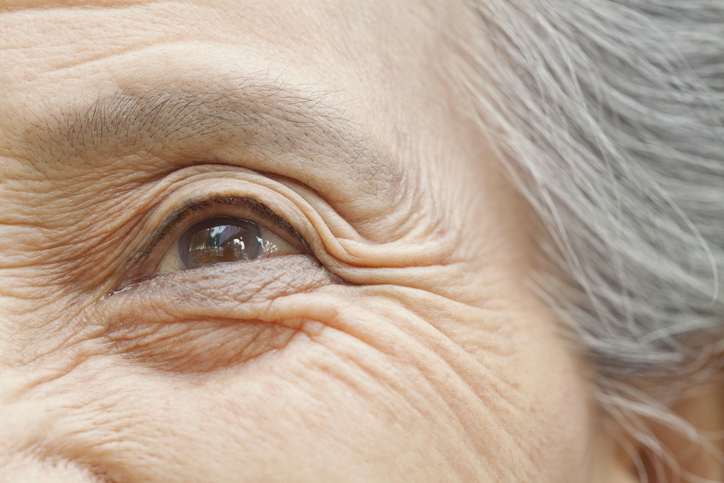
What is macular degeneration. Macular degeneration (also known as age-related macular degeneration) occurs when cells in the macula - the central area of the retina - degenerate. The r etina is a light sensitive layer that lines the interior of the eye. It is composed of light sensitive cells known as rods and cones. See Anatomy of the Eye Anatomy.
Further reading and references
- FRAS1 related extracellular matrix 1; MedlinePlus, National Library of Medicine.
- Alazami AM, Shaheen R, Alzahrani F, Snape K, Saggar A, Brinkmann B, Bavi P, Al-Gazali LI, Alkuraya FS. FREM1 mutations cause bifid nose, renal agenesis, and anorectal malformations syndrome. Am J Hum Genet. 2009 Sep;85(3):414-8. doi: 10.1016/j.ajhg.2009.08.010.
- Pavlakis E, Chiotaki R, Chalepakis G. The role of Fras1/Frem proteins in the structure and function of basement membrane. Int J Biochem Cell Biol. 2011 Apr;43(4):487-95. doi: 10.1016/j.biocel.2010.12.016. Epub 2010 Dec 21.
- Slavotinek AM, Baranzini SE, Schanze D, Labelle-Dumais C, Short KM, Chao R, Yahyavi M, Bijlsma EK, Chu C, Musone S, Wheatley A, Kwok PY, Marles S, Fryns JP, Maga AM, Hassan MG, Gould DB, Madireddy L, Li C, Cox TC, Smyth I, Chudley AE, Zenker M. Manitoba-oculo-tricho-anal (MOTA) syndrome is caused by mutations in FREM1. J Med Genet. 2011 Jun;48(6):375-82. doi: 10.1136/jmg.2011.089631. Epub 2011 Apr 20.
Share your thoughts or experiences with others in our patient communities.
Simple access to trusted treatments and health services online.
Common conditions
Get help with common conditions through the NHS, without a GP appointment.





Sign up to the Patient newsletter
Your weekly dose of clear, trustworthy health advice - written to help you feel informed, confident and in control.
By subscribing you accept our Privacy Policy. You can unsubscribe at any time. We never sell your data.