glucose-6-phosphatase catalytic subunit 1
Last updated 3 Apr 2025
Meets Patient’s editorial guidelines
- DownloadDownload
- Share
- Language
- Discussion
- Ask Patient
- Audio Version
- Add to preferred sources on Google
The G6PC1 gene provides instructions for making an enzyme called glucose 6-phosphatase. This enzyme is found on the membrane of the endoplasmic reticulum, which is a structure inside cells that is involved in protein processing and transport. Glucose 6-phosphatase works together with the glucose 6-phosphate translocase protein (produced from the SLC37A4 gene) to break down a type of sugar molecule called glucose 6-phosphate. The breakdown of this molecule produces the simple sugar glucose, which is the primary source of energy for most cells in the body. The glucose 6-phosphatase enzyme is expressed (active) in the liver, kidneys, and intestines, and is the main regulator of glucose production in the liver.
Video picks for GenesVideo library
Normal function
The G6PC1 gene provides instructions for making an enzyme called glucose 6-phosphatase. This enzyme is found on the membrane of the endoplasmic reticulum, which is a structure inside cells that is involved in protein processing and transport. Glucose 6-phosphatase works together with the glucose 6-phosphate translocase protein (produced from the SLC37A4 gene) to break down a type of sugar molecule called glucose 6-phosphate. The breakdown of this molecule produces the simple sugar glucose, which is the primary source of energy for most cells in the body. The glucose 6-phosphatase enzyme is expressed (active) in the liver, kidneys, and intestines, and is the main regulator of glucose production in the liver.
Conditions referring to this gene or chromosome
Other names
G-6-Pase
G6Pase
G6Pase-alpha
G6PC
G6PC_HUMAN
glucose-6-phosphatase
glucose-6-phosphatase alpha
glucose-6-phosphatase, catalytic subunit
Patient picks for Genes

Diabetes
Continuous glucose monitoring in type 1 diabetes
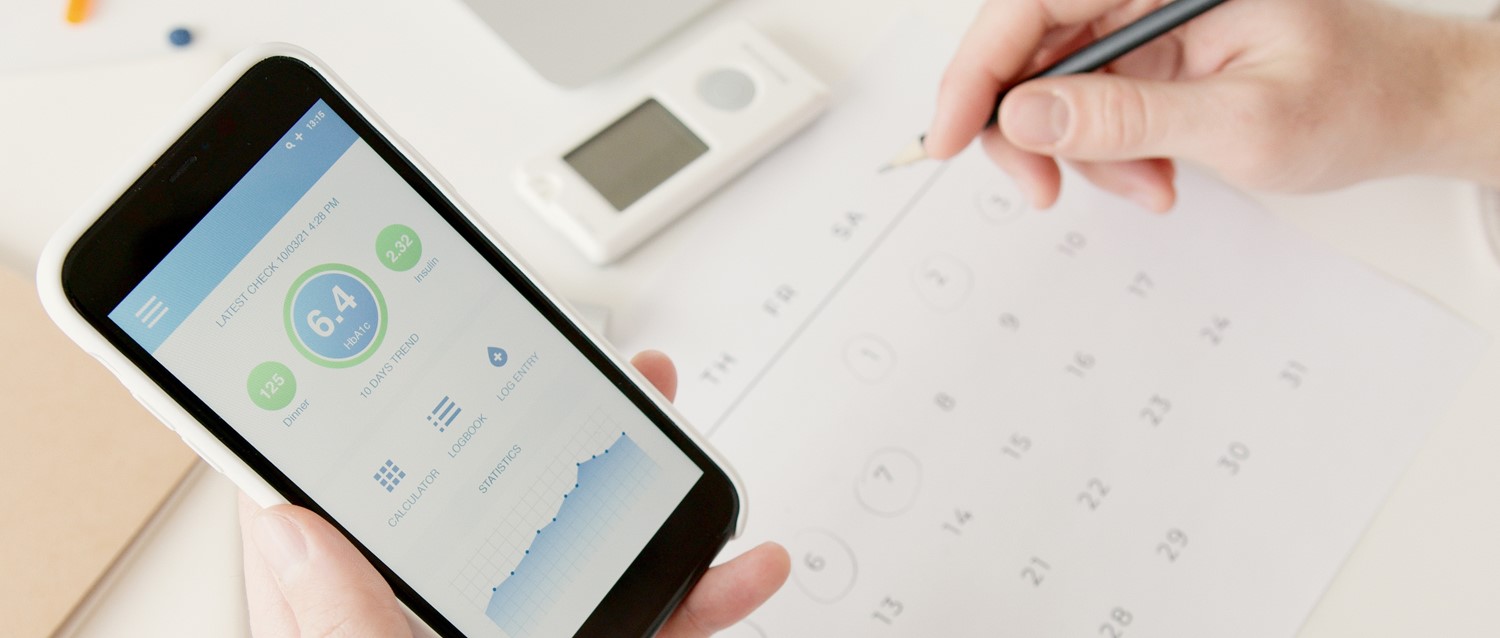
Type 1 and type 2 diabetes are both potentially serious conditions which should always be taken seriously. They’re both diagnosed on the basis of high blood sugar. But in other respects they are very, very different. Type 2 is largely down to lifestyle – getting type 1 is absolutely nothing to do with whether you eat too much sugar, carry excess weight or don’t exercise enough. People with type 2 diabetes often never need insulin – those with type 1 need it from day one. Many people with type 2 diabetes never need treatment that carries a risk of disabling low blood sugar (hypoglycaemia) – people with type 1 live with this risk every day. As a result, many people with type 2 never need to check their blood sugar several times a day – for people with type 1, it’s a highly unwelcome occupational hazard.
by Dr Sarah Jarvis
Diabetes
Blood glucose test (blood sugar) and HbA1c
Blood glucose (sugar) tests check the amount of glucose in the blood. These tests help diagnose diabetes, including type 1 and type 2 diabetes mellitus. They are also used to monitor glucose control in people already living with diabetes.
by Dr Mohammad Sharif Razai, MRCGP
Diabetes
What is flash glucose monitoring and how can it help people with diabetes?
Technology is changing the way we live our lives and making it easier to live with health conditions such as diabetes. A flash glucose monitor, also called a flash, uses a sensor that is placed on the back of the upper arm and worn externally by the user. It is attached to a tiny needle that sits just under the skin. This allows glucose information to be monitored quickly and easily. But what exactly are these devices and what are the benefits?
by Lydia Smith
Diabetes
Non-diabetic hyperglycaemia (pre-diabetes)
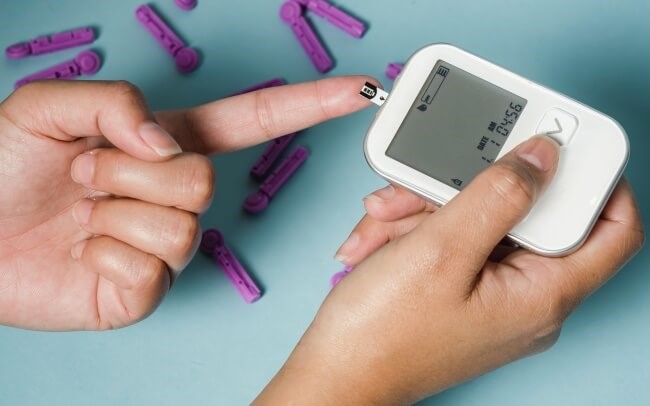
In non-diabetic hyperglycaemia (NDH, previously known as impaired glucose tolerance or pre-diabetes), your blood sugar (glucose) is raised beyond the normal range. Whilst this raised glucose level is not so high that you have type 2 diabetes, you are at increased risk of developing type 2 diabetes when you have NDH.
by Dr Toni Hazell, FRCGP
Diabetes
Glucose tolerance test
The glucose tolerance test measures the body's response to sugar (glucose). A glucose tolerance test can show if you have diabetes, but can also show when the body can't manage blood sugar (glucose) levels well but not yet to the stage of diabetes.
by Dr Colin Tidy, MRCGP
Healthy living
Glucose Ketone Index (GKI) calculator
Open GKI calculator Want to track your level of ketosis? Use our Glucose Ketone Index (GKI) calculator to assess your metabolic state. Whether you're following a ketogenic diet for weight loss, diabetes management, or therapeutic reasons, this tool gives you a clearer picture of your current glucose–ketone balance.
by Patient infomatics team
Related patient information and medicines

Patient information leaflet
Glycogen storage disorders
Glycogen storage disorders are a group of inherited diseases. They result from a problem with one of the proteins (known as enzymes) involved in the conversion of glucose to glycogen, or the breakdown of glycogen back into glucose. Type I glycogen storage disorder is the ... About one quarter of people who have glycogen storage disorder have type.

Patient information leaflet
PET scan
A PET scan create images which show where cells are particularly active in the body. It is most commonly used to diagnose and assess cancer. Note : the information below is a general guide only. The arrangements, and the way tests are performed, may vary between different hospitals. Always follow the instructions given by your doctor or local.

Patient information leaflet
Can I take Ginger and Vitamin C together?
Kidney stones (Calcium oxalate) High doses of Vitamin C can significantly increase the amount of oxalate in your urine, which may lead to the formation of kidney stones, especially if you have a history of them. G6PD deficiency If you have glucose-6-phosphate dehydrogenase (G6PD) deficiency, high doses of vitamin C can cause your red blood cells.
Patient information leaflet
Can I take Iron and Vitamin C together?
Kidney stones High doses of vitamin C can increase the amount of oxalate in your urine, which significantly raises the risk of developing kidney stones, especially if you have had them before. G6PD deficiency If you have glucose-6-phosphate dehydrogenase (G6PD) deficiency, high doses of vitamin C can cause your red blood cells to break down.

Patient information leaflet
Refeeding syndrome
Refeeding syndrome was first described in Far East prisoners after the second world war when they developed heart failure after starting to eat again after a prolonged period of starvation. Refeeding syndrome is a dangerous and life threatening shift of fluids and body salts (electrolytes) that can occur when malnourished patients receive.

Patient information leaflet
Can I take Devil's claw and Vitamin C together?
Diabetes Devil's claw may lower blood sugar levels; you must monitor your blood glucose closely as your diabetes medication dosage may need adjustment. Kidney stones (oxalate) High doses of vitamin C can increase the amount of oxalate in your urine, significantly r... G6PD deficiency If you have glucose-6-phosphate dehydrogenase (G6PD) deficiency,.
Further reading and references
- glucose-6-phosphatase catalytic subunit 1; MedlinePlus, National Library of Medicine.
- Chou JY, Mansfield BC. Mutations in the glucose-6-phosphatase-alpha (G6PC) gene that cause type Ia glycogen storage disease. Hum Mutat. 2008 Jul;29(7):921-30. doi: 10.1002/humu.20772.
- Hutton JC, O'Brien RM. Glucose-6-phosphatase catalytic subunit gene family. J Biol Chem. 2009 Oct 23;284(43):29241-5. doi: 10.1074/jbc.R109.025544. Epub 2009 Aug 20.
- Matern D, Seydewitz HH, Bali D, Lang C, Chen YT. Glycogen storage disease type I: diagnosis and phenotype/genotype correlation. Eur J Pediatr. 2002 Oct;161 Suppl 1:S10-9. doi: 10.1007/s00431-002-0998-5. Epub 2002 Jul 27.
- van Schaftingen E, Gerin I. The glucose-6-phosphatase system. Biochem J. 2002 Mar 15;362(Pt 3):513-32. doi: 10.1042/0264-6021:3620513.
Share your thoughts or experiences with others in our patient communities.
Simple access to trusted treatments and health services online.
Common conditions
Get help with common conditions through the NHS, without a GP appointment.





Sign up to the Patient newsletter
Your weekly dose of clear, trustworthy health advice - written to help you feel informed, confident and in control.
By subscribing you accept our Privacy Policy. You can unsubscribe at any time. We never sell your data.