G protein subunit alpha transducin 2
Last updated 11 Aug 2025
Meets Patient’s editorial guidelines
- DownloadDownload
- Share
- Language
- Discussion
- Ask Patient
- Audio Version
- Add to preferred sources on Google
The GNAT2 gene provides instructions for making one part (called the cone-specific alpha subunit) of a protein called transducin. This protein is found in light-detecting (photoreceptor) cells called cones, which are located in a specialized tissue at the back of the eye known as the retina. Cones provide vision in bright light (daylight vision), including colour vision. Other photoreceptor cells, called rods, provide vision in low light (night vision).
Video picks for GenesVideo library
Normal function
The GNAT2 gene provides instructions for making one part (called the cone-specific alpha subunit) of a protein called transducin. This protein is found in light-detecting (photoreceptor) cells called cones, which are located in a specialized tissue at the back of the eye known as the retina. Cones provide vision in bright light (daylight vision), including colour vision. Other photoreceptor cells, called rods, provide vision in low light (night vision).
Transducin plays an essential role in transmitting visual signals from photoreceptor cells in the retina to the brain through a process called phototransduction. Photoreceptors contain special pigments (called photopigments) that absorb light. The photopigments activate transducin, which triggers a series of chemical reactions within the cell. These reactions alter the cell's electrical charge, ultimately generating a signal that is interpreted by the brain as vision.
Conditions referring to this gene or chromosome
Other names
ACHM4
cone-type transducin alpha subunit
GNAT2_HUMAN
GNATC
guanine nucleotide binding protein (G protein), alpha transducing activity polypeptide 2
guanine nucleotide binding protein, alpha transducing activity polypeptide 2
transducin alpha-2 chain
transducin, cone-specific, alpha polypeptide
Patient picks for Genes

Diet and nutrition
How a protein-packed breakfast can boost your health
When we think of breakfast, we often picture a bowl of cornflakes with milk. While it’s a classic morning staple, it might not be the most effective way to start your day, as it lacks protein. Adding more protein to your breakfast can boost your energy levels and help keep you feeling full for longer.
by Victoria Raw

Diet and nutrition
How much protein do you need to build muscle?
If you wish to build muscle, there is no escaping the importance of protein. Why do we need protein to build muscle, and how much protein intake do we need to maximise muscle gain?
by Amberley Davis
Healthy living
Natural protein verses protein powder: which is better for strength training?
Consuming enough protein is essential for building strong muscles. Protein powder shakes are not a complete replacement for natural protein sources found in your food. However, you may consider supplementing your diet and strength-training regime with protein shakes. Before you decide if this is right for you, there are several benefits and considerations to take into account.
by Amberley Davis
Healthy living
8 high-protein nuts to boost your strength
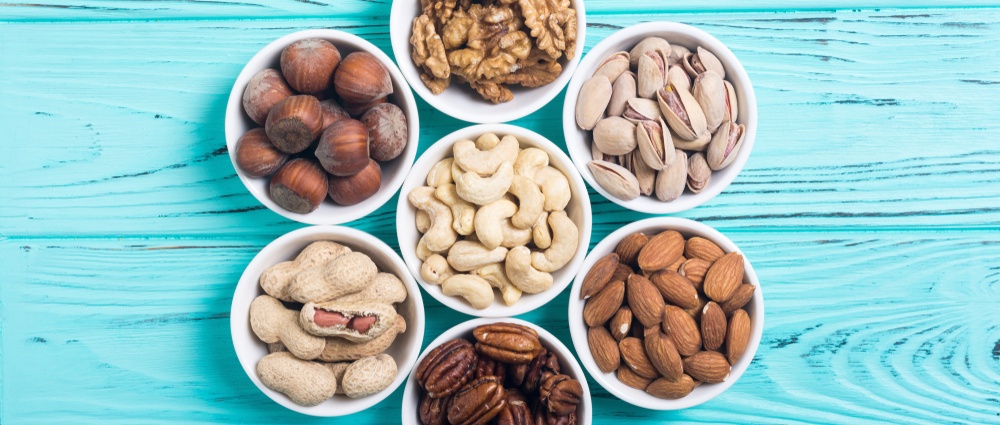
Packed with protein, delicious, easy to eat, and versatile - nuts are a great source of fuel for people building their fitness and strength. But not all nuts are created equal, which is why we count down the top eight nuts you should eat while strength training and serve these up with tasty recipe ideas.
by Lynn Stephen

Kidney and urinary tract
Proteinuria
Proteins are molecules that are found in almost every part of the body, including in the blood. The kidneys normally have a filter which stops protein from entering the urine, except in very tiny amounts; however, kidney problems can cause higher levels of protein to be found in the urine.
by Dr Doug McKechnie, MRCGP
Treatment and medication
Are protein shakes good for weight loss?
Protein shakes have experienced a surge in popularity recently, with many people now drinking them daily to aid their journeys to improved fitness and better health. But what benefits do they offer, and can you drink protein shakes for weight loss?
by Emily Jane Bashforth
Related patient information and medicines

Patient information leaflet
Liver function tests
The usual liver function tests typically include the following: Bilirubin. Albumin. Total protein. Transferases (AST or SGOT and ALT or SGPT). Serum ferritin and transferrin saturation (measures of iron storage and management by your body). Alpha-fetoprotein (maternal levels help look at the health of the baby during pregnancy, and levels are also.
Patient information leaflet
Primary liver cancer
Weight loss Un. Many people who develop primary liver cancer will already have symptoms associated with scarring of the liver (cirrhosis). If you already have cirrhosis and your health becomes worse quite quickly, the cause may be a liver cancer which has developed. Everyone with cirrhosis should be having regular monitoring with an ultrasound and.
Patient information leaflet
Can I take Guanfacine and Tizanidine together?
You may feel faint, lightheaded, or even pass out, especially when standing up quickly. It can also significantly slow your heart rate. Why this happens Both guanfacine and tizanidine are 'alpha-2 agonists'. This means they work in a similar way to relax blood vessels and slow down the nervous system. When used together, their effects add up,.

Patient information leaflet
Dukan diet
The Dukan diet consists of four phases. The Dukan diet's first two phases are based on a list of 72 to 100 permitted foods to promote rapid, consistent weight loss. The final two phases involve re-introduction of foods with an aim to help dieters keep the weight off permanently. There is no calorie restriction and you are permitted to eat as much.
Patient information leaflet
Can I take Rivaroxaban and Tamsulosin together?
However, both medicines can occasionally cause dizziness or lightheadedness,... Taking them together might slightly increase the chance of feeling faint. Why this happens Rivaroxaban is an anticoagulant (blood thinner) and tamsulosin is an alpha-blocker used for prostate symptoms. They are processed by different pathways in the liver and do not.

Patient information leaflet
Enlarged prostate
The prostate gland commonly becomes larger in older men. Women do not have a prostate gland. This prostate gland enlargement is also called benign prostatic hypertrophy (or hyperplasia). It can cause problems with passing urine. Symptoms are often mild. Without treatment, symptoms do not always become worse and may even improve over time. If.
Further reading and references
- G protein subunit alpha transducin 2; MedlinePlus, National Library of Medicine.
- Aligianis IA, Forshew T, Johnson S, Michaelides M, Johnson CA, Trembath RC, Hunt DM, Moore AT, Maher ER. Mapping of a novel locus for achromatopsia (ACHM4) to 1p and identification of a germline mutation in the alpha subunit of cone transducin (GNAT2). J Med Genet. 2002 Sep;39(9):656-60. doi: 10.1136/jmg.39.9.656.
- Kohl S, Baumann B, Rosenberg T, Kellner U, Lorenz B, Vadala M, Jacobson SG, Wissinger B. Mutations in the cone photoreceptor G-protein alpha-subunit gene GNAT2 in patients with achromatopsia. Am J Hum Genet. 2002 Aug;71(2):422-5. doi: 10.1086/341835. Epub 2002 Jun 20.
- Kohl S, Jagle H, Wissinger B, Zobor D. Achromatopsia. 2004 Jun 24 [updated 2018 Sep 20]. In: Adam MP, Bick S, Mirzaa GM, Wallace SE, Amemiya A, editors. GeneReviews(R) [Internet]. Seattle (WA): University of Washington, Seattle; 1993-2026. Available from http://www.ncbi.nlm.nih.gov/books/NBK1418/
- Michaelides M, Aligianis IA, Holder GE, Simunovic M, Mollon JD, Maher ER, Hunt DM, Moore AT. Cone dystrophy phenotype associated with a frameshift mutation (M280fsX291) in the alpha-subunit of cone specific transducin (GNAT2). Br J Ophthalmol. 2003 Nov;87(11):1317-20. doi: 10.1136/bjo.87.11.1317.
- Ouechtati F, Merdassi A, Bouyacoub Y, Largueche L, Derouiche K, Ouragini H, Nouira S, Tiab L, Baklouti K, Rebai A, Schorderet DF, Munier FL, Zografos L, Abdelhak S, El Matri L. Clinical and genetic investigation of a large Tunisian family with complete achromatopsia: identification of a new nonsense mutation in GNAT2 gene. J Hum Genet. 2011 Jan;56(1):22-8. doi: 10.1038/jhg.2010.128. Epub 2010 Nov 25.
- Pina AL, Baumert U, Loyer M, Koenekoop RK. A three base pair deletion encoding the amino acid (lysine-270) in the alpha-cone transducin gene. Mol Vis. 2004 Apr 8;10:265-71.
- Rosenberg T, Baumann B, Kohl S, Zrenner E, Jorgensen AL, Wissinger B. Variant phenotypes of incomplete achromatopsia in two cousins with GNAT2 gene mutations. Invest Ophthalmol Vis Sci. 2004 Dec;45(12):4256-62. doi: 10.1167/iovs.04-0317.
Share your thoughts or experiences with others in our patient communities.
Simple access to trusted treatments and health services online.
Common conditions
Get help with common conditions through the NHS, without a GP appointment.





Sign up to the Patient newsletter
Your weekly dose of clear, trustworthy health advice - written to help you feel informed, confident and in control.
By subscribing you accept our Privacy Policy. You can unsubscribe at any time. We never sell your data.