immunity related GTPase M
Last updated 17 Jul 2023
Meets Patient’s editorial guidelines
- DownloadDownload
- Share
- Language
- Discussion
- Ask Patient
- Audio Version
- Add to preferred sources on Google
The IRGM gene provides instructions for making a protein that plays an important role in the immune system. This protein is involved in a process called autophagy, which cells use to surround and destroy foreign invaders such as bacteria and viruses. Specifically, the IRGM protein helps trigger autophagy in cells infected with certain kinds of bacteria, including the type of bacteria that causes tuberculosis. In addition to protecting cells from infection, autophagy is used to recycle worn-out cell parts and break down certain proteins when they are no longer needed. This process also plays an important role in controlled cell death (apoptosis).
Video picks for GenesVideo library
Normal function
The IRGM gene provides instructions for making a protein that plays an important role in the immune system. This protein is involved in a process called autophagy, which cells use to surround and destroy foreign invaders such as bacteria and viruses. Specifically, the IRGM protein helps trigger autophagy in cells infected with certain kinds of bacteria, including the type of bacteria that causes tuberculosis. In addition to protecting cells from infection, autophagy is used to recycle worn-out cell parts and break down certain proteins when they are no longer needed. This process also plays an important role in controlled cell death (apoptosis).
Conditions referring to this gene or chromosome
Other names
A1A4Y4_HUMAN
IFI1
immunity-related GTPase family, M
immunity-related GTPase family, M1
immunity-related GTPase M
IRGM1
LRG-47
LRG-47-like protein
LRG47
MGC149263
MGC149264
Patient picks for Genes
Travel and vaccinations
Malaria
Malaria is a very serious infection which results from a bite from an infected mosquito. The most common symptoms are high temperature (fever) and a flu-like illness. The symptoms of malaria can occur up to a year after being bitten in an area in which malaria is present. Prompt treatment for malaria is essential as, without treatment, it can be fatal. This leaflet gives general information about malaria and its treatment.
by Dr Philippa Vincent, MRCGP
Allergies, blood and immune system
How to improve your immunity through diet and lifestyle
A strong immune system will help you ward off all sorts of infections. Here we explain how you can boost your immunity by eating the right foods, by looking after your skin, and by keeping your body active.
by Dr Sarah Jarvis

Chest and lungs
Tuberculosis
Tuberculosis (TB) is an infection with a germ (bacterium) called Mycobacterium tuberculosis. If you have symptoms, or a doctor can find signs of the infection when examining you, this is known as active tuberculosis. If you have TB infection without any signs or symptoms, this is known as latent TB.
by Dr Colin Tidy, MRCGP

Travel and vaccinations
Chikungunya fever
Chikungunya fever is an illness caused by a virus. The virus infects you when you are bitten by a certain type of mosquito. You cannot catch chikungunya fever in the UK but you may be at risk of catching it when abroad. It usually causes a high temperature (the 'fever') and joint pains. In most people it goes away completely after one or two weeks. In a few people it may be a more serious illness. There is no specific treatment. Before travelling, always check for the latest information on infections in the area to which you are going. Chikungunya can be prevented by taking measures to avoid mosquito bites. See Travel Health Pro in Further reading and references below.
by Dr Toni Hazell, FRCGP
COVID-19
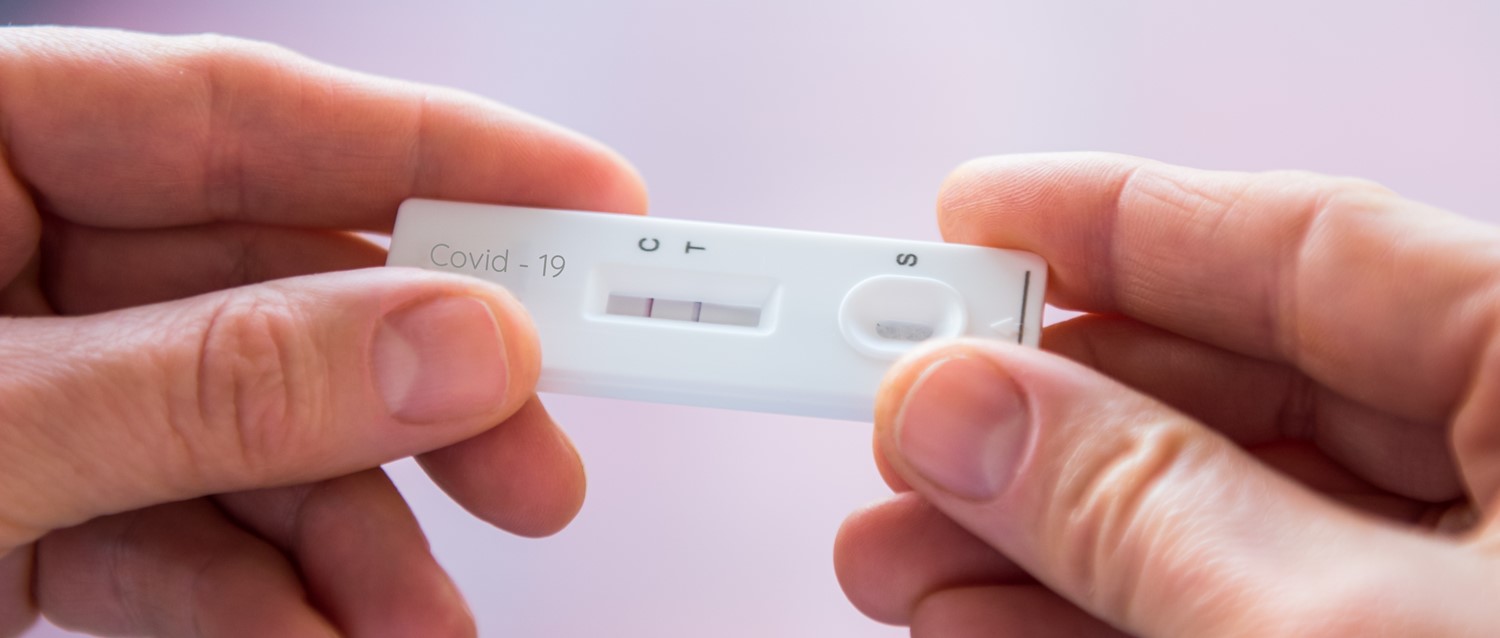
Do you get better COVID-19 immunity from vaccination or infection?
Scores of people have caught COVID-19 over the last few months, due to the spread of the easily transmissible Omicron variant. With more people becoming infected, questions have been raised over whether vaccination or previous infection offers better COVID-19 immunity.
by Lydia Smith

Travel and vaccinations
Schistosomiasis
Schistosomiasis is a tropical disease caused by an infection with parasitic worms. In the past it was more commonly known as Bilharzia. Many people do not develop symptoms of acute schistosomiasis, or their symptoms may be mild and go unrecognised. Diagnosis is usually made by testing the urine or poo (faeces) or through a blood test. Treatment is with a medicine called praziquantel. Many people recover completely following treatment.
by Dr Surangi Mendis, MRCGP
Related patient information and medicines

Patient information leaflet
Travel vaccinations
Travel vaccinations are an essential part of holiday and travel planning, particularly if your journey takes you to an exotic destination or 'off the beaten track'. ...e time you need to allow to complete a full protective course of vaccinationFurther information specific to your destination can be obtained from your surgery (if they have the.
Patient information leaflet
Visual problems
Generally speaking, the further towards the back of the eye that problems occur, the more likely they are to have a long-lasting or permanent effect on your eyesight. Bacteria usually only infect the cornea once the surface is damaged, such as following cor... Conditions which reduce immunity also increase the risk of infective keratitis; this.

Patient information leaflet
The immune system
This leaflet gives a brief overview of the immune system and how it works. A person with a weak immune system might have difficulty fighting off infections. We are surrounded by millions of bacteria, viruses and other germs (microbes) that have the potenti... The immune system is the body's defence against disease-causing microbes (pathogens)..

Patient information leaflet
Postherpetic neuralgia
Postherpetic neuralgia is a pain that persists in some people who have had shingles. I... If the pain from shingles goes but then returns at a later date, this too is called PHN. Shingles is caused by the chickenpox (varicella-zoster) virus. After a chickenpox infection, the virus lies dormant in one or more nerves in the body. Shingles can only.

Patient information leaflet
Rubella
Although it most commonly occurs in young children, it can affec... The illness is usually mild. However, rubella in a pregnant woman can cause serious damage to the unborn child. Immunisation with the measles, mumps and rubella vaccine (MMR vaccine) has made rubella uncommon in the UK. What is rubella. Rubella is also known as German measles. It.
Patient information leaflet
Immunisation
This leaflet provides information about the normal immunisation schedule for people in the UK. Normal immunisation schedule UK 2026 Immunisation Schedule This is the complete routine immunisation schedule and includes the childhood immunisation schedule, including the routine injections for babies, children aged 1 year, children in their.
Further reading and references
- immunity related GTPase M; MedlinePlus, National Library of Medicine.
- Chauhan S, Mandell MA, Deretic V. Mechanism of action of the tuberculosis and Crohn disease risk factor IRGM in autophagy. Autophagy. 2016;12(2):429-31. doi: 10.1080/15548627.2015.1084457. Epub 2015 Aug 27.
- Parkes M, Barrett JC, Prescott NJ, Tremelling M, Anderson CA, Fisher SA, Roberts RG, Nimmo ER, Cummings FR, Soars D, Drummond H, Lees CW, Khawaja SA, Bagnall R, Burke DA, Todhunter CE, Ahmad T, Onnie CM, McArdle W, Strachan D, Bethel G, Bryan C, Lewis CM, Deloukas P, Forbes A, Sanderson J, Jewell DP, Satsangi J, Mansfield JC; Wellcome Trust Case Control Consortium; Cardon L, Mathew CG. Sequence variants in the autophagy gene IRGM and multiple other replicating loci contribute to Crohn's disease susceptibility. Nat Genet. 2007 Jul;39(7):830-2. doi: 10.1038/ng2061. Epub 2007 Jun 6.
- Rufini S, Ciccacci C, Di Fusco D, Ruffa A, Pallone F, Novelli G, Biancone L, Borgiani P. Autophagy and inflammatory bowel disease: Association between variants of the autophagy-related IRGM gene and susceptibility to Crohn's disease. Dig Liver Dis. 2015 Sep;47(9):744-50. doi: 10.1016/j.dld.2015.05.012. Epub 2015 May 21.
- Singh SB, Davis AS, Taylor GA, Deretic V. Human IRGM induces autophagy to eliminate intracellular mycobacteria. Science. 2006 Sep 8;313(5792):1438-41. doi: 10.1126/science.1129577. Epub 2006 Aug 3.
Share your thoughts or experiences with others in our patient communities.
Simple access to trusted treatments and health services online.
Common conditions
Get help with common conditions through the NHS, without a GP appointment.





Sign up to the Patient newsletter
Your weekly dose of clear, trustworthy health advice - written to help you feel informed, confident and in control.
By subscribing you accept our Privacy Policy. You can unsubscribe at any time. We never sell your data.