lactate dehydrogenase A
Last updated 18 Aug 2020
Meets Patient’s editorial guidelines
- DownloadDownload
- Share
- Language
- Discussion
- Ask Patient
- Audio Version
- Add to preferred sources on Google
The LDHA gene provides instructions for making a protein called lactate dehydrogenase-A, which is one piece (subunit) of the lactate dehydrogenase enzyme. There are five different forms of this enzyme, each made up of four protein subunits. Various combinations of lactate dehydrogenase-A subunits and lactate dehydrogenase-B subunits (which are produced from a different gene) make up the different forms of the enzyme. The lactate dehydrogenase enzyme is found throughout the body and is important for performing a chemical reaction that provides energy for the body.
Video picks for GenesVideo library
Normal function
The LDHA gene provides instructions for making a protein called lactate dehydrogenase-A, which is one piece (subunit) of the lactate dehydrogenase enzyme. There are five different forms of this enzyme, each made up of four protein subunits. Various combinations of lactate dehydrogenase-A subunits and lactate dehydrogenase-B subunits (which are produced from a different gene) make up the different forms of the enzyme. The lactate dehydrogenase enzyme is found throughout the body and is important for performing a chemical reaction that provides energy for the body.
The version of lactate dehydrogenase made of four lactate dehydrogenase-A subunits is found primarily in skeletal muscles, which are muscles used for movement. Skeletal muscles need large amounts of energy during high-intensity physical activity when the body's oxygen intake is not sufficient for the amount of energy required (anaerobic exercise). To create additional energy, glucose stored in the body as glycogen gets broken down. During the final stage of glycogen breakdown, the lactate dehydrogenase enzyme converts the molecule pyruvate into a similar molecule called lactate, which can be used by the body for energy.
Conditions referring to this gene or chromosome
Other names
L-lactate dehydrogenase A chain
lactate dehydrogenase M
LDH muscle subunit
LDH-A
LDH-M
LDH1
LDHA_HUMAN
LDHM
Patient picks for Genes

Chest and lungs
Viral cough
Most coughs are caused by viral infections and usually soon go. This leaflet gives some tips on what to do and discusses which symptoms may indicate a more serious illness. Viral infections commonly affect the throat (larynx), the main airway (trachea), or the airways going into the lungs (bronchi). These infections are sometimes called laryngitis, tracheitis, or bronchitis. Cough is often the main symptom.
by Dr Surangi Mendis, MRCGP

General health
Medical negligence
Most people receive good care from healthcare professionals. Sometimes, people receive poor care. If this happens, they may wish to make a complaint. If sub-standard care has led to avoidable harm, they may also wish to make a claim for compensation for medical negligence.
by Dr Doug McKechnie, MRCGP
Core strength & conditioning exercises
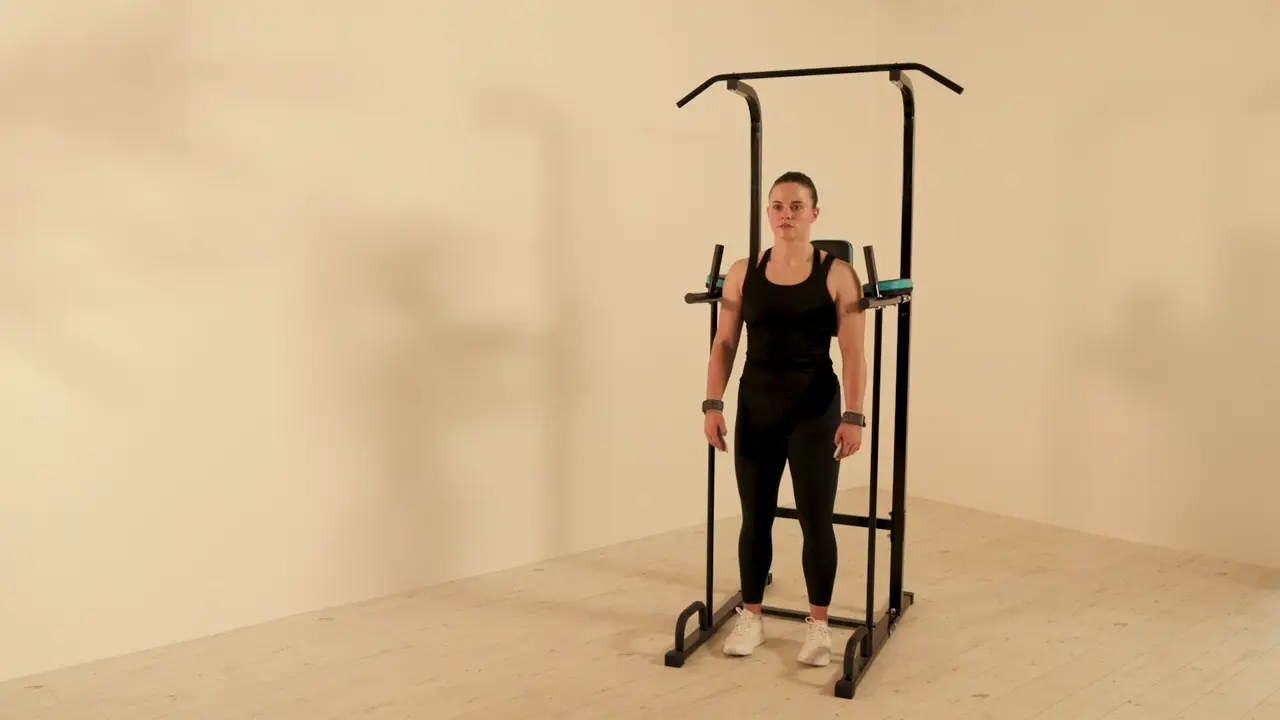
Hanging Leg Raise (L Shape)
The Pull-Up Bar Hanging Leg Raise (L Shape) is a core exercise that targets the lower abs and hip flexors. It involves hanging from a pull-up bar with an overhand grip and lifting your legs straight out in front of you to form an "L" shape with your body. By holding this position and raising your legs, you engage the lower abdominal muscles and hip flexors while maintaining a stable core. This exercise enhances core strength, flexibility, and grip endurance.
Infections
Strep A
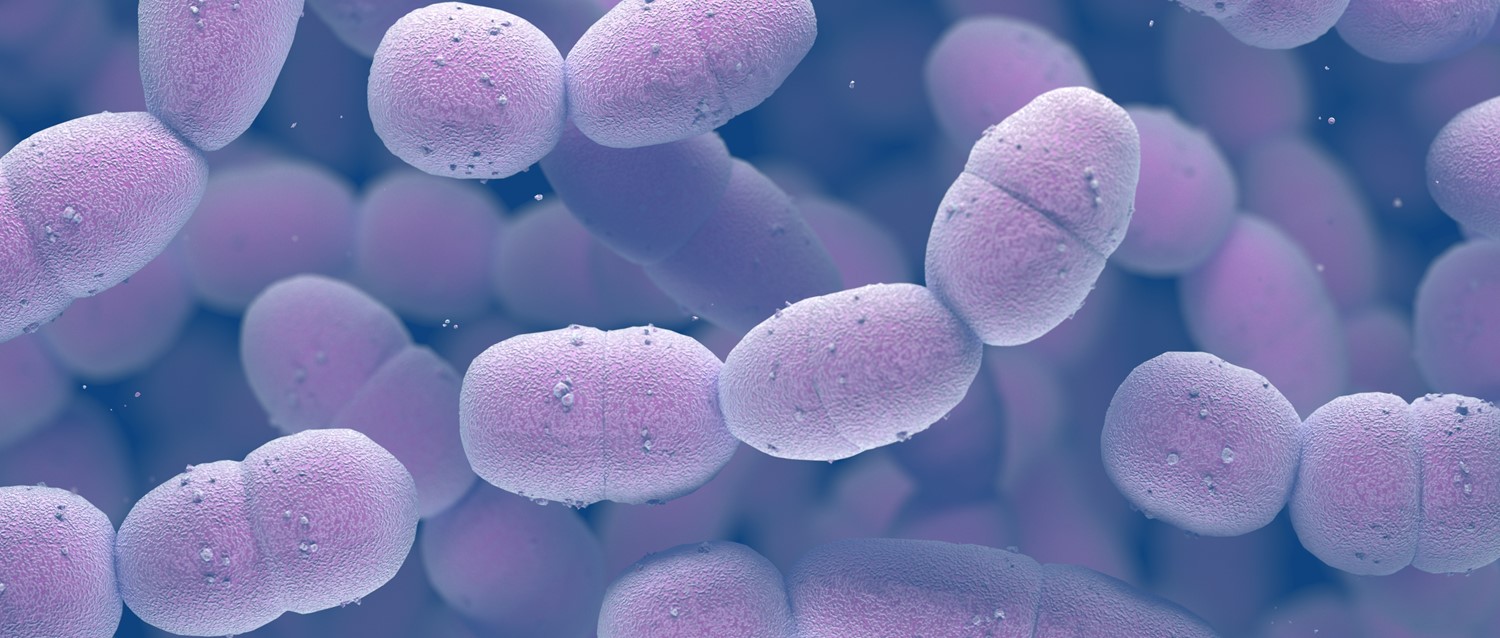
Strep A, or Group A streptococcus, is a common type of bacteria, which has been recognised as a cause of infections for many years. Most Group A streptococcus infections are mild, but in rare cases, these can cause serious illness and even death.
by Dr Colin Tidy, MRCGP

Pregnancy
Ovulation calculator
Open the ovulation calculator
by Patient infomatics team

Preventative health
Open & Close the Chest
Open & Close the Chest is a fluid movement that expands and contracts the arms in rhythm with the breath. It improves respiratory function, opens the chest, and helps reduce tension across the upper body.
Related patient information and medicines

Patient information leaflet
Testicular cancer
Testicular cancer is a cancer that arises from a testicle (testis). Around half of all cases occur in men aged under 35 but testicular cancer rarel... Another useful test is the marker blood test. The tumour markers commonly tested for are alpha-fetoprotein (AFP), beta human chorionic gonadotrophin (beta-hCG), lactic dehydrogenase (LDH) and.

Patient information leaflet
Planning to become pregnant
The aim is to plan ahead to reduce the risk of any harm to the baby and to reduce the risk of pregnancy complications. Women on regular medication, or who have a long-term medical condition, may need to seek medical advice to discuss any changes which may need to be made. This is ideally. There is a summary checklist at the end of the leaflet..

Patient information leaflet
Newborn bloodspot test
Mothers of all newborn babies are offered testing for certain rare but serious health conditions by testing blood taken from the baby's heel. Medium-chain acyl-Co-A dehydrogenase deficiency (MCADD)- this is a very rare, but potentially life-threatening, inherited disorder, where fat cannot be broken down by the body as well as usual. Babies with.

Patient information leaflet
Can I take Iron and Vitamin C together?
Kidney stones High doses of vitamin C can increase the amount of oxalate in your urine, which significantly raises the risk of developing kidney stones, especially if you have had them before. G6PD deficiency If you have glucose-6-phosphate dehydrogenase (G6PD) deficiency, high doses of vitamin C can cause your red blood cells to break down.
Patient information leaflet
Viral cough
Most coughs are caused by viral infections and usually soon go. This leaflet gives some tips on what to do and discusses which symptoms may indicate a more serious illness. Viral infections commonly affect the throat (larynx), the main airway (trachea), or the airways going into the lungs (bronchi). These infections are sometimes called.

Patient information leaflet
Jaundice
Jaundice means that the skin and other body parts turn a yellow colour. It is vital to diagnose the cause of jaundice and therefore important to always seek medical help. Jaundice treatment and outlook (prognosis) depends on the cause. What is jaundice. Liver function Liver function Jaundice is due to a build-up of a chemical called bilirubin in.
Further reading and references
- lactate dehydrogenase A; MedlinePlus, National Library of Medicine.
- Kanno T, Maekawa M. Lactate dehydrogenase M-subunit deficiencies: clinical features, metabolic background, and genetic heterogeneities. Muscle Nerve Suppl. 1995;3:S54-60. doi: 10.1002/mus.880181413.
- Lee BJ, Zand L, Manek NJ, Hsiao LL, Babovic-Vuksanovic D, Wylam ME, Qian Q. Physical therapy-induced rhabdomyolysis and acute kidney injury associated with reduced activity of muscle lactate dehydrogenase A. Arthritis Care Res (Hoboken). 2011 Dec;63(12):1782-6. doi: 10.1002/acr.20584. No abstract available.
- Miyajima H, Takahashi Y, Kaneko E. Characterization of the glycolysis in lactate dehydrogenase-A deficiency. Muscle Nerve. 1995 Aug;18(8):874-8. doi: 10.1002/mus.880180812.
Share your thoughts or experiences with others in our patient communities.
Simple access to trusted treatments and health services online.
Common conditions
Get help with common conditions through the NHS, without a GP appointment.





Sign up to the Patient newsletter
Your weekly dose of clear, trustworthy health advice - written to help you feel informed, confident and in control.
By subscribing you accept our Privacy Policy. You can unsubscribe at any time. We never sell your data.