myelin protein zero
Last updated 18 Aug 2020
Meets Patient’s editorial guidelines
- DownloadDownload
- Share
- Language
- Discussion
- Ask Patient
- Audio Version
- Add to preferred sources on Google
The MPZ gene provides instructions for making a protein called myelin protein zero. It is the most abundant protein in myelin, a protective substance that covers nerves and promotes the efficient transmission of nerve impulses. Myelin protein zero is produced by specialized cells called Schwann cells, which wrap around and insulate peripheral nerves. Peripheral nerves connect the brain and spinal cord to muscles and to sensory cells that detect sensations such as touch, pain, heat, and sound. Myelin protein zero is required for the proper formation and maintenance of myelin. This protein is an adhesion molecule, which means it acts like molecular glue. It plays a role in tightly packing the myelin around nerve cells (myelin compaction).
Video picks for GenesVideo library
Normal function
The MPZ gene provides instructions for making a protein called myelin protein zero. It is the most abundant protein in myelin, a protective substance that covers nerves and promotes the efficient transmission of nerve impulses. Myelin protein zero is produced by specialized cells called Schwann cells, which wrap around and insulate peripheral nerves. Peripheral nerves connect the brain and spinal cord to muscles and to sensory cells that detect sensations such as touch, pain, heat, and sound. Myelin protein zero is required for the proper formation and maintenance of myelin. This protein is an adhesion molecule, which means it acts like molecular glue. It plays a role in tightly packing the myelin around nerve cells (myelin compaction).
Conditions referring to this gene or chromosome
Other names
CMT1B
CMT2I
CMT2J
HMSN1B
MPP
myelin glycoprotein P-zero
myelin peripheral protein
myelin protein zero (Charcot-Marie-Tooth neuropathy 1B)
MYP0_HUMAN
P0 Glycoprotein
P0 Protein
Patient picks for Genes

Kidney and urinary tract
Proteinuria
Proteins are molecules that are found in almost every part of the body, including in the blood. The kidneys normally have a filter which stops protein from entering the urine, except in very tiny amounts; however, kidney problems can cause higher levels of protein to be found in the urine.
by Dr Doug McKechnie, MRCGP

Diet and nutrition
10 sources of plant-based protein for bone health
Plant-based diets are growing in popularity. People choose this way of eating for various reasons - to boost their health, help animals, and protect the environment. But switching to a plant-based diet may mean you're missing out on vital, bone-friendly nutrients. One of these is protein.
by Victoria Raw

Diet and nutrition
How a protein-packed breakfast can boost your health
When we think of breakfast, we often picture a bowl of cornflakes with milk. While it’s a classic morning staple, it might not be the most effective way to start your day, as it lacks protein. Adding more protein to your breakfast can boost your energy levels and help keep you feeling full for longer.
by Victoria Raw
Diet and nutrition
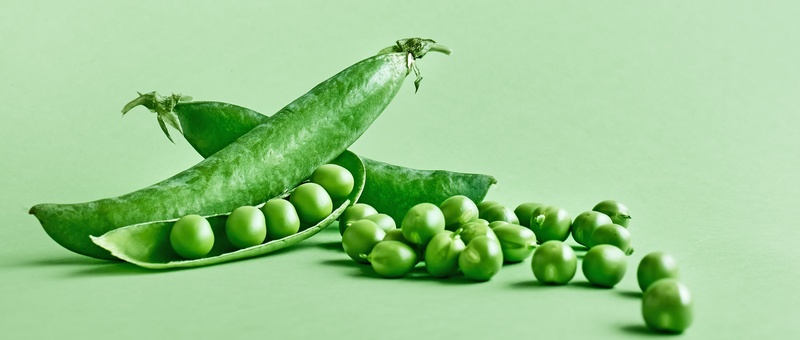
Plant-based proteins could help prevent high blood pressure
Eating a greater amount of minimally processed plant-based proteins - such as beans, nuts and lentils - may lower your chance of developing high blood pressure, according to new research.
by Laura Williamson
Healthy living
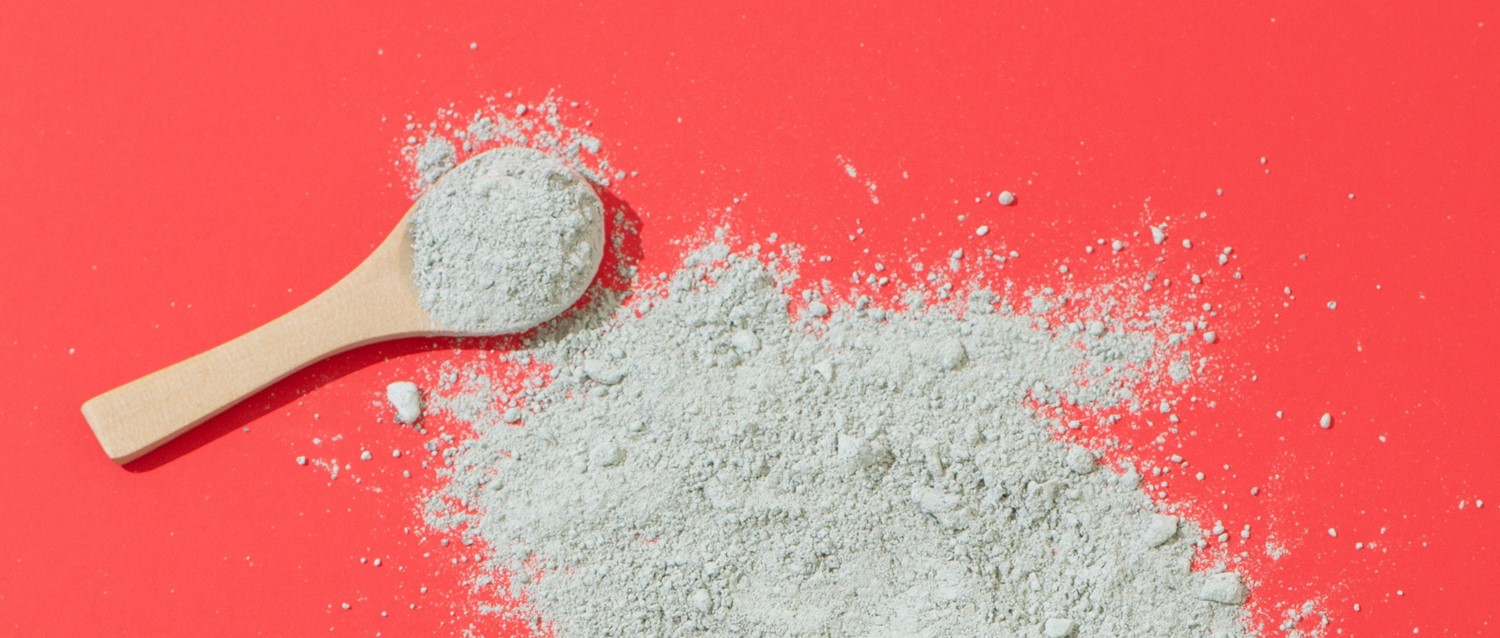
Natural protein verses protein powder: which is better for strength training?
Consuming enough protein is essential for building strong muscles. Protein powder shakes are not a complete replacement for natural protein sources found in your food. However, you may consider supplementing your diet and strength-training regime with protein shakes. Before you decide if this is right for you, there are several benefits and considerations to take into account.
by Amberley Davis

Diet and nutrition
How much protein do you need to build muscle?
If you wish to build muscle, there is no escaping the importance of protein. Why do we need protein to build muscle, and how much protein intake do we need to maximise muscle gain?
by Amberley Davis
Related patient information and medicines
Patient information leaflet
Multiple sclerosis
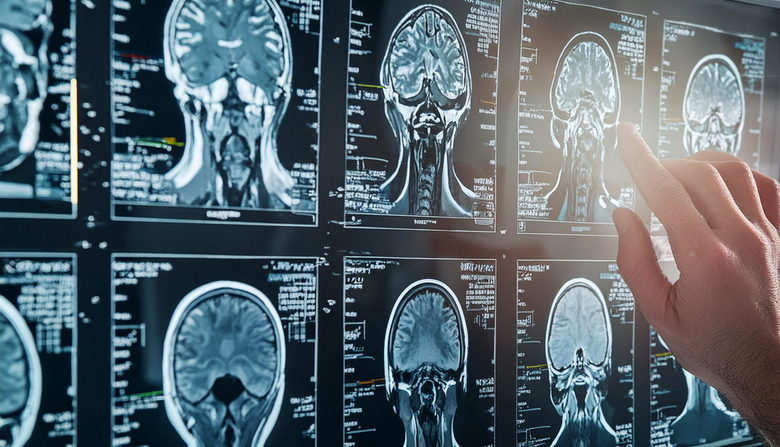
Multiple sclerosis is a disorder of the brain and spinal cord. It can cause various symptoms. What is multiple sclerosis. Multiple sclerosis (MS) is a disease where patches of inflammation occur in parts of your brain and/or spinal cord. PatientPicksPlaceholder Understanding the brain, spinal cord, and nerves Many... Each nerve fibre in the brain.

Patient information leaflet
Nerve conduction studies
Nerve conduction studies help to test how well and how fast nerves conduct electrical signals. Note : the information below is a general guide only. Sensory nerves send information about the environment back to the brain in the form of electrical impulses. To work well, most nerves need to be surrounded by a special substance called myelin. Myelin.

Patient information leaflet
Liver function tests
High values of total protein are seen in chronic active hepatitis Autoimmune hepatitis and ... High values of total protein are also seen in conditions outside the liver which increase globulins (such as myeloma Myeloma ) and conditions involving overactivity of the immune system (such as severe infection and chronic inflammatory disease). Low.

Patient information leaflet
Diet in chronic kidney disease
Dark-colored colas. Vegetables such as sweet potatoes, peas and mushrooms. Pulses such as lentils. Protein The kidneys remove waste products of protein from the body as a chemical called urea. In the past, diet advice for people with kidney disease has included advice about restricting protein. However, current advice looks at getting a good.
Patient information leaflet
Proteinuria
Proteins are molecules that are found in almost every part of the body, including in the blood. The kidneys normally have a filter which stops protein from entering the urine, except in very tiny amounts; however, kidney problems can cause higher levels of protein to be found in the urine. Systemic lupus erythematosus Lupus and other infla....

Patient information leaflet
Glycogen storage disorders
Glycogen storage disorders are a group of inherited diseases. They result from a problem with one of the proteins (known as enzymes) involved in the conversion of glucose to glycogen, or the breakdown of glycogen back into glucose. They mostly tend to affect your liver and muscles. Most are diagnosed in childhood. Symptoms include weakness,.
Further reading and references
- myelin protein zero; MedlinePlus, National Library of Medicine.
- Bird TD. Charcot-Marie-Tooth Hereditary Neuropathy Overview. 1998 Sep 28 [updated 2025 Nov 20]. In: Adam MP, Bick S, Mirzaa GM, Wallace SE, Amemiya A, editors. GeneReviews(R) [Internet]. Seattle (WA): University of Washington, Seattle; 1993-2026. Available from http://www.ncbi.nlm.nih.gov/books/NBK1358/
- Bremer J, Meinhardt A, Katona I, Senderek J, Kammerer-Gassler EK, Roos A, Ferbert A, Schroder JM, Nikolin S, Nolte K, Sellhaus B, Popzhelyazkova K, Tacke F, Schara-Schmidt U, Neuen-Jacob E, de Groote CC, de Jonghe P, Timmerman V, Baets J, Weis J. Myelin protein zero mutation-related hereditary neuropathies: Neuropathological insight from a new nerve biopsy cohort. Brain Pathol. 2024 Jan;34(1):e13200. doi: 10.1111/bpa.13200. Epub 2023 Aug 15.
- Brennan KM, Bai Y, Shy ME. Demyelinating CMT--what's known, what's new and what's in store? Neurosci Lett. 2015 Jun 2;596:14-26. doi: 10.1016/j.neulet.2015.01.059. Epub 2015 Jan 24.
- Fridman V, Saporta MA. Mechanisms and Treatments in Demyelinating CMT. Neurotherapeutics. 2021 Oct;18(4):2236-2268. doi: 10.1007/s13311-021-01145-z. Epub 2021 Nov 8.
- Grandis M, Vigo T, Passalacqua M, Jain M, Scazzola S, La Padula V, Brucal M, Benvenuto F, Nobbio L, Cadoni A, Mancardi GL, Kamholz J, Shy ME, Schenone A. Different cellular and molecular mechanisms for early and late-onset myelin protein zero mutations. Hum Mol Genet. 2008 Jul 1;17(13):1877-89. doi: 10.1093/hmg/ddn083. Epub 2008 Mar 12.
- Kochanski A. Mutations in the Myelin Protein Zero result in a spectrum of Charcot-Marie-Tooth phenotypes. Acta Myol. 2004 May;23(1):6-9.
- Krokengen OC, Touma C, Mularski A, Sutinen A, Dunkel R, Ytterdal M, Raasakka A, Mertens HDT, Simonsen AC, Kursula P. The cytoplasmic tail of myelin protein zero induces morphological changes in lipid membranes. Biochim Biophys Acta Biomembr. 2024 Oct;1866(7):184368. doi: 10.1016/j.bbamem.2024.184368. Epub 2024 Jul 4.
- Mandich P, Fossa P, Capponi S, Geroldi A, Acquaviva M, Gulli R, Ciotti P, Manganelli F, Grandis M, Bellone E. Clinical features and molecular modelling of novel MPZ mutations in demyelinating and axonal neuropathies. Eur J Hum Genet. 2009 Sep;17(9):1129-34. doi: 10.1038/ejhg.2009.37. Epub 2009 Mar 18.
- Shy ME. Peripheral neuropathies caused by mutations in the myelin protein zero. J Neurol Sci. 2006 Mar 15;242(1-2):55-66. doi: 10.1016/j.jns.2005.11.015. Epub 2006 Jan 18.
- Warner LE, Hilz MJ, Appel SH, Killian JM, Kolodry EH, Karpati G, Carpenter S, Watters GV, Wheeler C, Witt D, Bodell A, Nelis E, Van Broeckhoven C, Lupski JR. Clinical phenotypes of different MPZ (P0) mutations may include Charcot-Marie-Tooth type 1B, Dejerine-Sottas, and congenital hypomyelination. Neuron. 1996 Sep;17(3):451-60. doi: 10.1016/s0896-6273(00)80177-4.
Share your thoughts or experiences with others in our patient communities.
Simple access to trusted treatments and health services online.
Common conditions
Get help with common conditions through the NHS, without a GP appointment.





Sign up to the Patient newsletter
Your weekly dose of clear, trustworthy health advice - written to help you feel informed, confident and in control.
By subscribing you accept our Privacy Policy. You can unsubscribe at any time. We never sell your data.