nuclear receptor subfamily 0 group B member 1
Last updated 26 Jul 2023
Meets Patient’s editorial guidelines
- DownloadDownload
- Share
- Language
- Discussion
- Ask Patient
- Audio Version
- Add to preferred sources on Google
The NR0B1 gene provides instructions for making a protein called DAX1. This protein plays an important role in the development and function of several hormone-producing (endocrine) tissues in the body. These tissues include the small glands located on top of each kidney (the adrenal glands), two hormone-secreting glands in the brain (the hypothalamus and pituitary), and the gonads (ovaries in females and testes in males). Before birth, the DAX1 protein helps regulate genes that direct the formation of these tissues. DAX1 also helps regulate hormone production in endocrine tissues after they have been formed.
Video picks for GenesVideo library
Normal function
The NR0B1 gene provides instructions for making a protein called DAX1. This protein plays an important role in the development and function of several hormone-producing (endocrine) tissues in the body. These tissues include the small glands located on top of each kidney (the adrenal glands), two hormone-secreting glands in the brain (the hypothalamus and pituitary), and the gonads (ovaries in females and testes in males). Before birth, the DAX1 protein helps regulate genes that direct the formation of these tissues. DAX1 also helps regulate hormone production in endocrine tissues after they have been formed.
Conditions referring to this gene or chromosome
Other names
AHC
AHCH
AHX
DAX-1
DAX1
DSS
gonadotropin deficiency
GTD
HHG
NR0B1_HUMAN
nuclear hormone receptor
nuclear receptor DAX-1
nuclear receptor subfamily 0, group B, member 1
Patient picks for Genes

Tests and investigations
Blood groups and types
ABO and rhesus are both types of antigens found on the surface of red blood cells. There are lots of other types but these are the most important.
by Dr Rosalyn Adleman, MRCGP

Infections
6-in-1 vaccine
The 6-in-1 vaccine is part of routine childhood immunisations and protects babies against six different serious illnesses. Three doses are given. Further boosters without all six components are given at other times later in childhood and in adult life. The 6-in-1 vaccine used to be given as the 3-in-1 vaccine DTaP along with the polio vaccine which was given by mouth, but has gradually been extended so that it now protects against even more diseases. It is given in one single injection into the thigh from one single syringe. This leaflet explains when this vaccine is given and why. It also explains which components of the 6-in-1 vaccine are given later in the UK immunisation schedule as the 4-in-1, 3-in-1 etc.
by Dr Philippa Vincent, MRCGP

Health news
Flu season starts early: UKHSA urges eligible groups to get vaccinated
The UK Health Security Agency (UKHSA) is urging everyone eligible for a free flu vaccination to book their appointment as soon as possible, as flu activity continues to rise across England. The latest surveillance data show that this year’s flu season has started earlier than usual, with a sharp increase in cases among children and signs of growing spread in the wider community.
by Thomas Andrew Porteus, MBCS
Infections
Strep A: What is invasive Group A streptococcus?
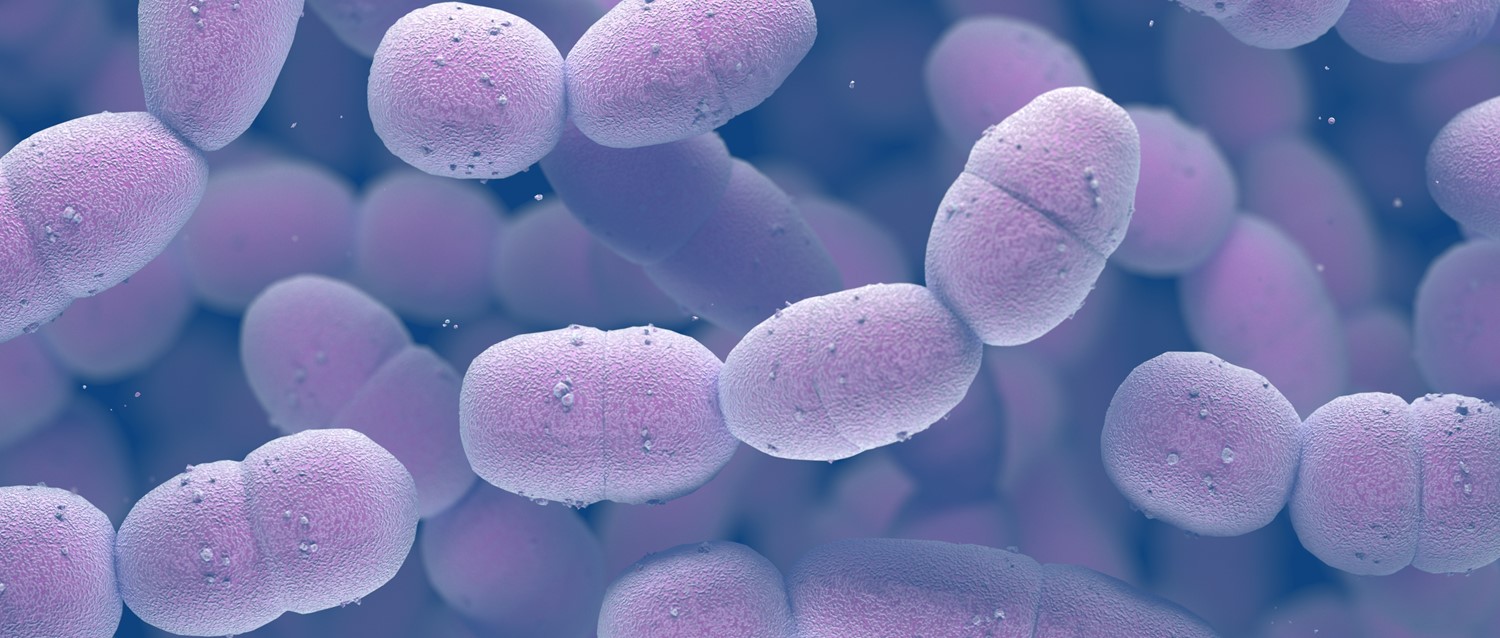
Parents have been warned by health officials to be aware of the infections strep A can cause, after the deaths of several children in the UK from it. While most people don't become very ill, the highly contagious bacteria that causes the infection can cause serious illness and can be fatal.
by Lydia Smith
Infections
Strep A
Strep A, or Group A streptococcus, is a common type of bacteria, which has been recognised as a cause of infections for many years. Most Group A streptococcus infections are mild, but in rare cases, these can cause serious illness and even death.
by Dr Colin Tidy, MRCGP

Breast cancer
How often is breast cancer misdiagnosed?
Dr Sarah Jarvis MBE Finding out the stage of the cancer, the grade of the cells and the receptor status of the cancer helps doctors to advise on the best treatment options. It also gives a reasonable indication of outlook. [https://patient.info/health/breast-cancer-leaflet#nav-5](https://patient.info/health/breast-cancer-leaflet#nav-5)
by Dr Sarah Jarvis
Related patient information and medicines

Patient information leaflet
Neuroblastoma
Neuroblastoma is a cancer affecting developing nerve cells. Neuroblastoma is a rare cancer and most often occurs in children under 5 years old. Neuroblastoma often starts in the tummy (abdomen) but can spread to other parts of the body, especially bones, liver and skin. The treatments for neuroblastoma include surgery, chemotherapy and.

Patient information leaflet
Breast cancer
Breast cancer develops from a cancerous (malignant) cell which develops in the lining of a duct or lobule in one of the breasts. [https://patient.info/health/breast-cancer-leaflet#nav-0](https://patient.info/health/breast-cancer-leaflet#nav-0) Types of breast cancer Carcinoma in situ Some people are diagnosed when the cancerous cells are still.

Patient information leaflet
Marfan syndrome
Marfan syndrome (named after Dr Antoine Marfan, the French doctor who first described it in 1896) is a genetic disorder which people are born with and which lasts lifelong. Marfan syndrome can affect different people in different ways. Some people have mild symptoms; other people have more severe symptoms. You may have a history of Marfan syndrome.

Patient information leaflet
Meningococcal infection
Neisseria meningitidis , also known as meningococcus, is a germ (bacterium). Infection with meningo... Meningococcal diseases include infections of the lining of the brain and spinal cord ( meningitis ), and of the bloodstream and blood vessels ( sepsis ). Types of meningococcal infection Meningococcal germs (bacteria) are divided into several.

Patient information leaflet
BRCA genes
There are a few known gene changes (mutations) that can increase the risk of certain cancers, and tests available for some of them, including BRCA1. The BRCA1 and BRCA2 genes normally protect against certain cancers, particularly breast cancer and ovarian cancer. If there is a mutation in one of these genes then this may mean that the protection.

Patient information leaflet
Wilms' tumour
These include clear cell sarcoma of the kidney and malignant rhabdoid tumour of the kidney. Congenital mesoblastic nephroma is a non-cancerous (benign) tumour that occurs in very young children. See separate leaflet called Cancer - A General Overview for more general information about cancer Cancer How common is a Wilms' tumour. Wilm's tumour is.
Further reading and references
- nuclear receptor subfamily 0 group B member 1; MedlinePlus, National Library of Medicine.
- Barbaro M, Oscarson M, Schoumans J, Staaf J, Ivarsson SA, Wedell A. Isolated 46,XY gonadal dysgenesis in two sisters caused by a Xp21.2 interstitial duplication containing the DAX1 gene. J Clin Endocrinol Metab. 2007 Aug;92(8):3305-13. doi: 10.1210/jc.2007-0505. Epub 2007 May 15.
- Clipsham R, McCabe ER. DAX1 and its network partners: exploring complexity in development. Mol Genet Metab. 2003 Sep-Oct;80(1-2):81-120. doi: 10.1016/j.ymgme.2003.08.023.
- Iyer AK, McCabe ER. Molecular mechanisms of DAX1 action. Mol Genet Metab. 2004 Sep-Oct;83(1-2):60-73. doi: 10.1016/j.ymgme.2004.07.018.
- King TF, Conway GS. Swyer syndrome. Curr Opin Endocrinol Diabetes Obes. 2014 Dec;21(6):504-10. doi: 10.1097/MED.0000000000000113.
- Lalli E, Sassone-Corsi P. DAX-1, an unusual orphan receptor at the crossroads of steroidogenic function and sexual differentiation. Mol Endocrinol. 2003 Aug;17(8):1445-53. doi: 10.1210/me.2003-0159. Epub 2003 May 29.
- Lehmann SG, Lalli E, Sassone-Corsi P. X-linked adrenal hypoplasia congenita is caused by abnormal nuclear localization of the DAX-1 protein. Proc Natl Acad Sci U S A. 2002 Jun 11;99(12):8225-30. doi: 10.1073/pnas.122044099. Epub 2002 May 28.
- Lehmann SG, Wurtz JM, Renaud JP, Sassone-Corsi P, Lalli E. Structure-function analysis reveals the molecular determinants of the impaired biological function of DAX-1 mutants in AHC patients. Hum Mol Genet. 2003 May 1;12(9):1063-72. doi: 10.1093/hmg/ddg108.
- Ludbrook LM, Harley VR. Sex determination: a 'window' of DAX1 activity. Trends Endocrinol Metab. 2004 Apr;15(3):116-21. doi: 10.1016/j.tem.2004.02.002.
- McCabe ER. DAX1: Increasing complexity in the roles of this novel nuclear receptor. Mol Cell Endocrinol. 2007 Feb;265-266:179-82. doi: 10.1016/j.mce.2006.12.017. Epub 2007 Jan 8.
- Niakan KK, McCabe ER. DAX1 origin, function, and novel role. Mol Genet Metab. 2005 Sep-Oct;86(1-2):70-83. doi: 10.1016/j.ymgme.2005.07.019.
- Sjarif DR, Ploos van Amstel JK, Duran M, Beemer FA, Poll-The BT. Isolated and contiguous glycerol kinase gene disorders: a review. J Inherit Metab Dis. 2000 Sep;23(6):529-47. doi: 10.1023/a:1005660826652.
- Smyk M, Berg JS, Pursley A, Curtis FK, Fernandez BA, Bien-Willner GA, Lupski JR, Cheung SW, Stankiewicz P. Male-to-female sex reversal associated with an approximately 250 kb deletion upstream of NR0B1 (DAX1). Hum Genet. 2007 Aug;122(1):63-70. doi: 10.1007/s00439-007-0373-8. Epub 2007 May 15.
- Wikiera B, Jakubiak A, Laczmanska I, Noczynska A, Smigiel R. Complex glycerol kinase deficiency - long-term follow-up of two patients. Pediatr Endocrinol Diabetes Metab. 2021;27(3):227-231. doi: 10.5114/pedm.2021.109681.
Share your thoughts or experiences with others in our patient communities.
Simple access to trusted treatments and health services online.
Common conditions
Get help with common conditions through the NHS, without a GP appointment.





Sign up to the Patient newsletter
Your weekly dose of clear, trustworthy health advice - written to help you feel informed, confident and in control.
By subscribing you accept our Privacy Policy. You can unsubscribe at any time. We never sell your data.