paired box 8
Last updated 18 Aug 2020
Meets Patient’s editorial guidelines
- DownloadDownload
- Share
- Language
- Discussion
- Ask Patient
- Audio Version
- Add to preferred sources on Google
The PAX8 gene belongs to a family of genes that play critical roles in the formation of tissues and organs during embryonic development. The PAX gene family is also important for maintaining the normal function of certain cells after birth. To carry out these roles, the PAX genes provide instructions for making proteins that attach to specific areas of DNA. By attaching to critical DNA regions, these proteins help control the activity of particular genes (gene expression). On the basis of this action, PAX proteins are called transcription factors.
Video picks for GenesVideo library
Normal function
The PAX8 gene belongs to a family of genes that play critical roles in the formation of tissues and organs during embryonic development. The PAX gene family is also important for maintaining the normal function of certain cells after birth. To carry out these roles, the PAX genes provide instructions for making proteins that attach to specific areas of DNA. By attaching to critical DNA regions, these proteins help control the activity of particular genes (gene expression). On the basis of this action, PAX proteins are called transcription factors.
During embryonic development, the PAX8 protein is thought to activate genes involved in the formation of the kidney and the thyroid gland. The thyroid gland is a butterfly-shaped tissue in the lower neck. It releases hormones that play an important role in regulating growth, brain development, and the rate of chemical reactions in the body (metabolism). Following birth, the PAX8 protein regulates several genes involved in the production of thyroid hormones.
Conditions referring to this gene or chromosome
Other names
paired box gene 8
PAX8_HUMAN
Patient picks for Genes

Mental health
Box breathing - simple technique, surprising results
Despite an abundance of health and wellbeing advice, it can still be difficult to know how best to protect your nervous system from life’s daily stresses. Box breathing is being praised as one of the most effective tools on offer, and the science suggests that it’s living up to the hype.
by Claire Kenny
Preventative health
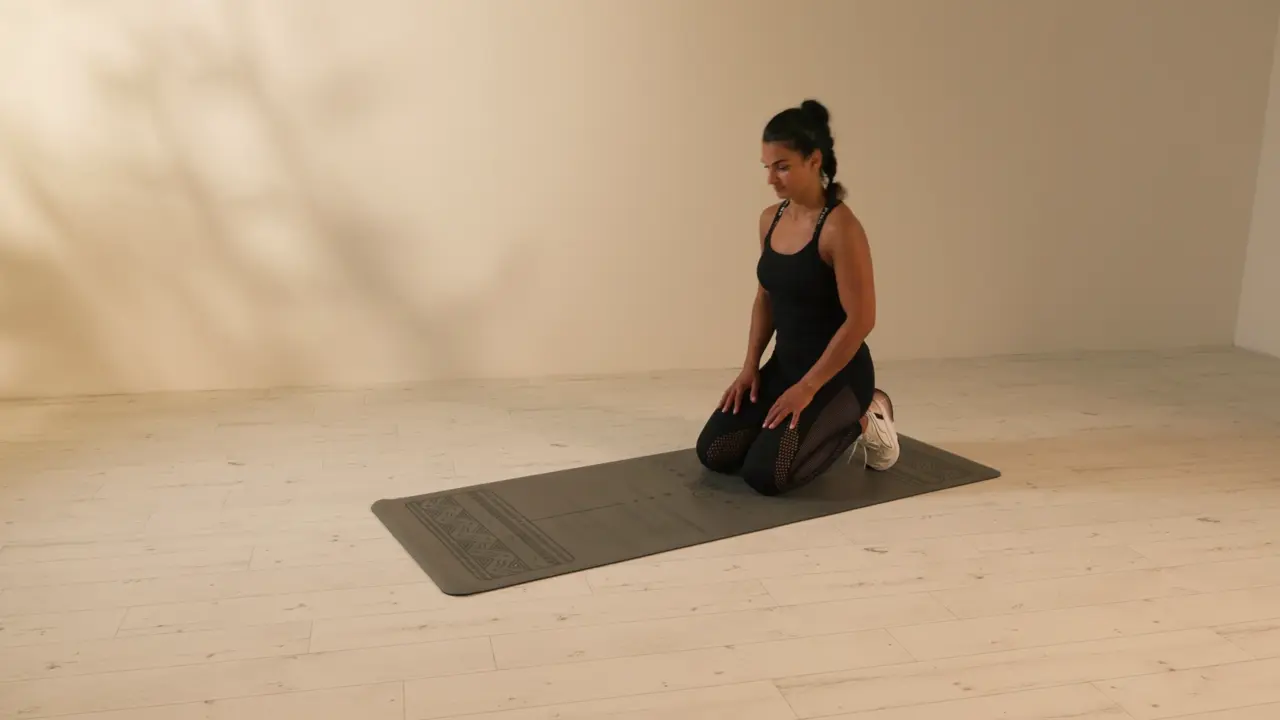
Bird Dog Box
The Bird Dog Box exercise focuses on core stability and balance. By extending one arm and the opposite leg while on all fours, it enhances your core strength and overall stability.
Lower body strength & conditioning exercises
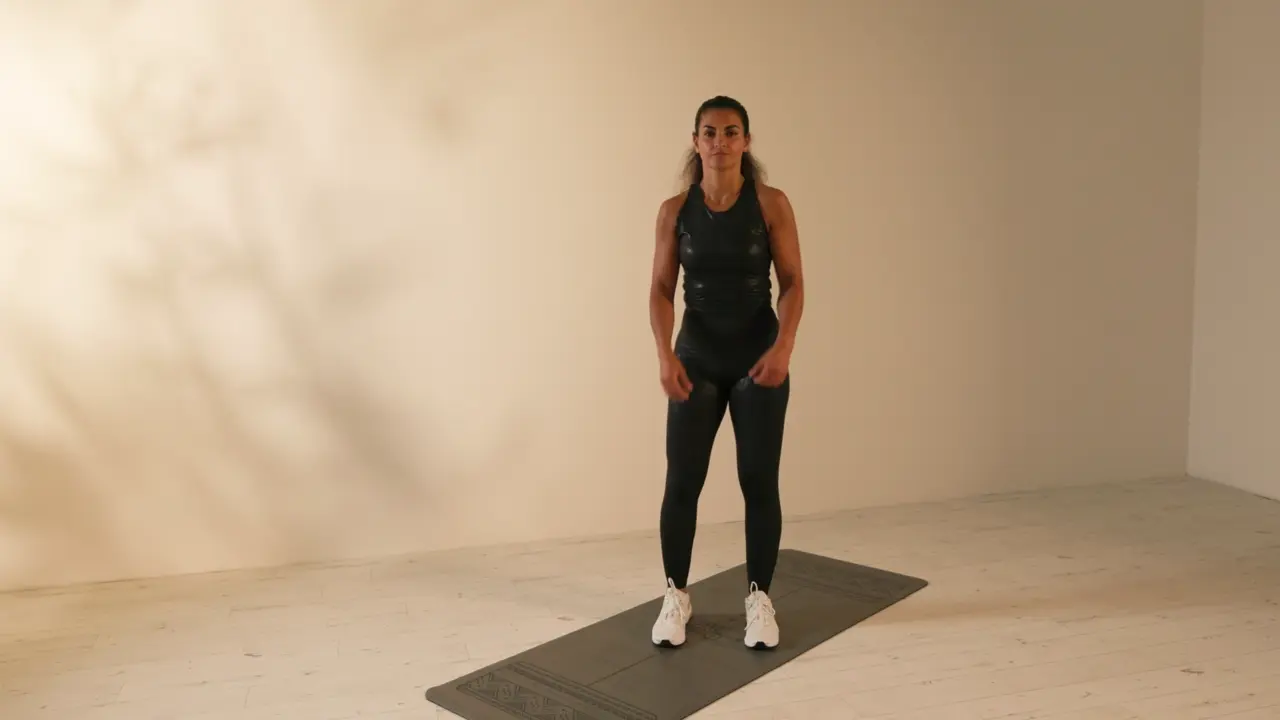
Shadow Boxing: Knee Drive Slam Down
Improve your Boxing abilities with the Knee Drive Slam Down. This exercise, you will engage your core and improve your Lower Body strength. This exercise will enhance your coordination, balance, and cardiovascular fitness while enjoying a challenging exercise.
Lower body strength & conditioning exercises
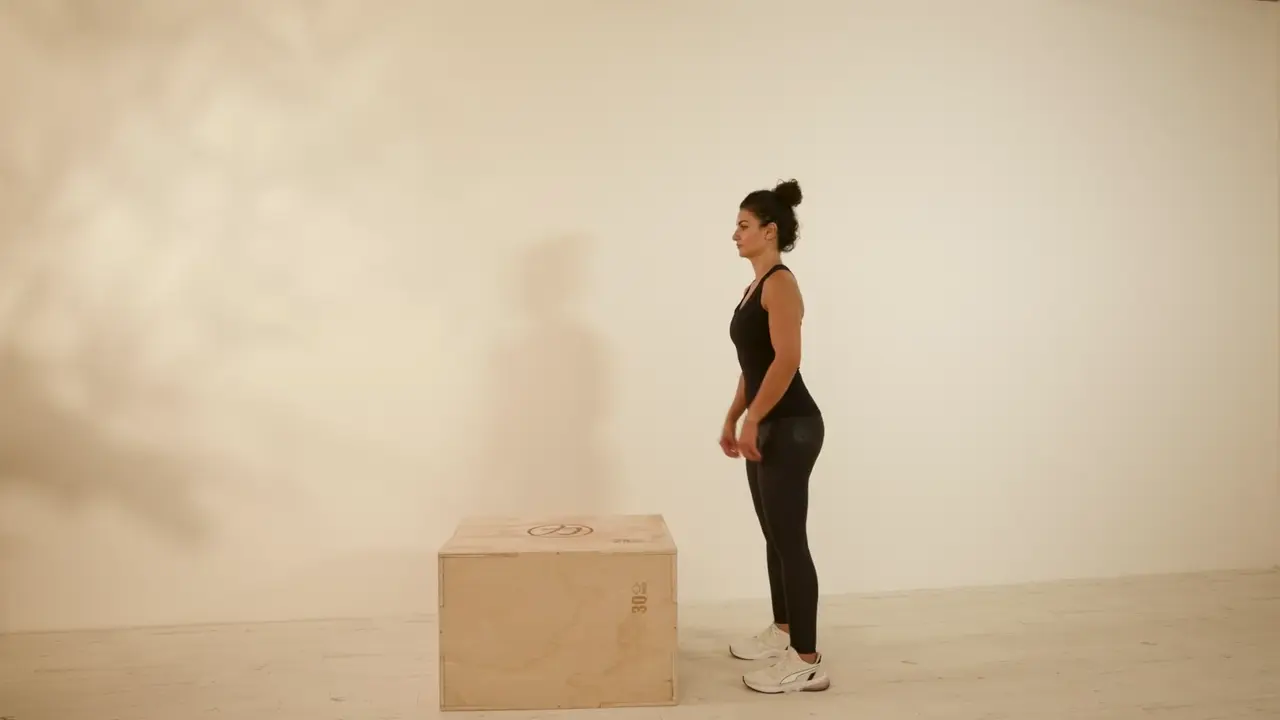
Plyometric Box Squat Jump Up
The Plyometric Box Squat Jump Up requires explosive Lower Body strength to drive yourself up onto the Box, beginning and landing in a squat position before jumping back down to the floor.
Yorkshire talks series 3
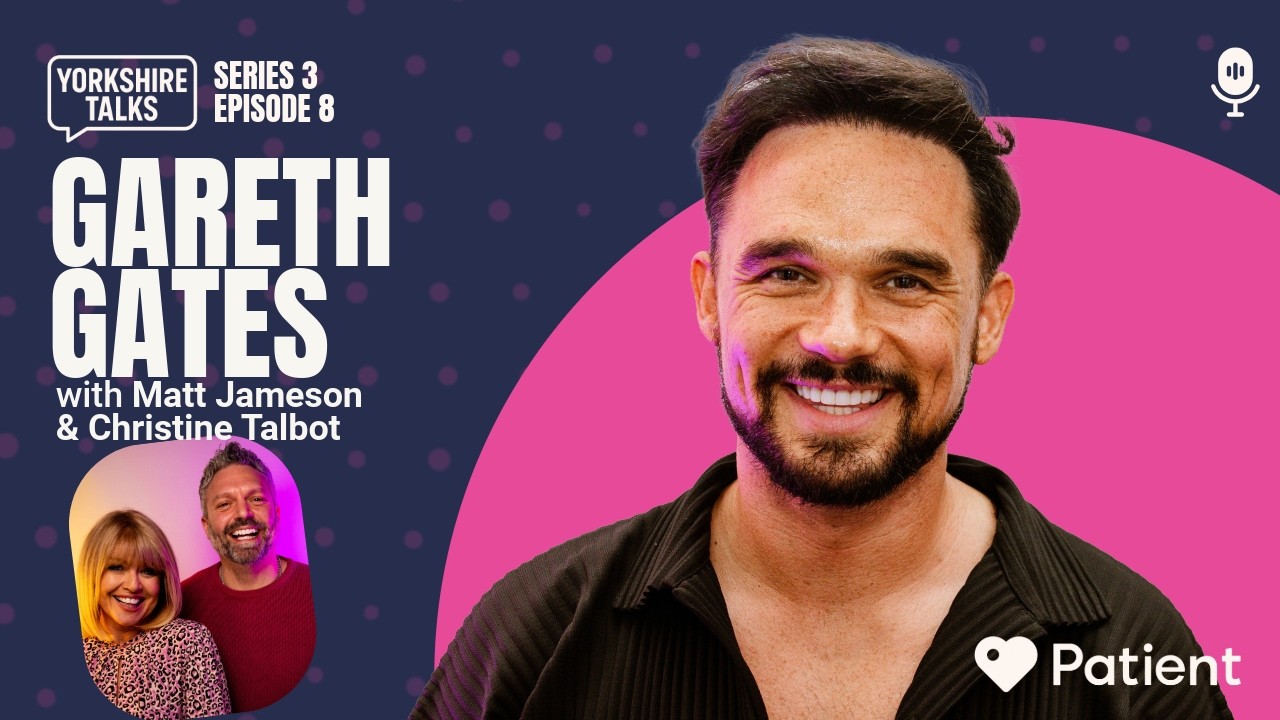
Gareth Gates: "I believed I was defective — my stammer was my superpower" | Yorkshire Talks
In our final episode of Series Three, our Yorkshire Talks guest is former Pop Idol star, producer and performer Gareth Gates. Bradford lad Gareth was first interviewed by Christine for a YTV talent show for young people nearly 30 years ago — so this episode was a bit of a reunion. Now all grown up, Gareth joins Matt and Christine to talk openly and honestly about his journey: from being bullied at school and living with a debilitating stammer, to reaching the final of the very first Pop Idol and having his whole life changed overnight. Gareth explains how taking part in the McGuire Programme has helped him manage his stammer, and how his experiences have shaped the work he does today. He also chats about his role in Boyband in the Buff, currently touring, his journey into becoming a music producer and entrepreneur, and his exciting new project — Speechless, a musical about stammering, due to hit the stage next year. Now a dad himself, with a daughter the same age he was when he first found fame, Gareth reflects on the last few decades with warmth, honesty and plenty of Yorkshire humour. 🎙️ It's a fascinating, funny and incredibly inspiring conversation — one you won't want to miss. If you enjoy the episode, don't forget to LIKE, SUBSCRIBE and leave us a comment. Follow Gareth: 📸 Instagram: @gareth_gates See Gareth on tour: 🎭 Boyband in the Buff is currently on tour. Find tour dates here: [paste official tour dates link] See Gareth in Beauty and the Beast: ✨ Gareth stars as the Beast in Beauty and the Beast at the Britannia Pier, Great Yarmouth, 8–31 December: britannia-pier.co.uk Follow the hosts: Matt Jameson: @matt_d_jameson Christine Talbot: @christineetalbot Yorkshire Talks is presented by Christine Talbot and Matt Jameson, and produced by Simon Fogal at Chapter 81 Studios in Leeds. Proudly sponsored by Patient.info.

General infections
What is laryngitis? | Patient Explainers
Laryngitis is an inflammation of your voice box (larynx), which causes you to have a hoarse voice. It is most commonly due to an infection, usually a virus. Find out more: [https://patient.info/health/laryngitis-leaflet](https://patient.info/health/laryngitis-leaflet) Follow Patient: Website: [https://patient.info/](https://patient.info/) Facebook: [https://www.facebook.com/patient](https://www.facebook.com/patient) Twitter: [https://twitter.com/patient](https://twitter.com/patient) Pinterest: [https://uk.pinterest.com/patient/](https://uk.pinterest.com/patient/) Instagram: [https://www.instagram.com/patient.info/](https://www.instagram.com/patient.info/)
by Dr Sarah Jarvis
Related patient information and medicines

Patient information leaflet
Tuberculosis
If you or your family come from a country where TB is common. If you have TB of the lung or voice box, anyone who comes into close and prolonged contact with you needs testing. You can read the leaflet which comes with the medicine packet for a list of possible side-effects. Household members and close regular contacts of a person with TB of the.

Patient information leaflet
Blepharospasm
Blepharospasm is a condition in which blinking or spasmodic closing of the eyes occurs at an increased rate. This leaflet is mainly about primary blepharospasm, also called benign essential blepharospasm (BEB). Primary blepharospasm, or benign ... Blepharospasm is thought to be due to abnormal functioning of the basal ganglia, a pair of 'junction.

Patient information leaflet
Fungal nail infection
Fungal infection of nails (tinea unguium) is common, particularly in toenails in the elderly. Tips on nail care with a fungal nail infection, with or without taking medication, include the following: Keeping the nails cut short and file down a... Using a separate pair of scissors to cut the infected nail(s) to prevent contaminating the other nails.

Patient information leaflet
Cough medicines
Cough medicines are commonly bought to treat various types of coughs that occur when you have an upper respiratory tract infection (URTI). Your pharmacist can advise you which one may be... If you are buying these cough medicines from the supermarket, the box should clearly state which type of cough it aims to help and what the ingredients are..

Patient information leaflet
Epiglottitis
Prompt treatment is needed to ensure that enough oxygen can reach the lungs and usually. If epiglottitis is treated quickly, the outlook is generally very good. Untreated, it can be life-threatening. Since immunisation against Hib was introduced, the number of children who develop epiglottitis in the UK has reduced dramatically. What is.

Patient information leaflet
Nasoendoscopy
A nasoendoscopy is a test to look inside the nose (nasal passage), the back of the throat (pharynx) and the voice box (larynx). It's sometimes called a flexible nasal endoscopy or FNE. Note : the information below is a general guide only. The arrangements and the way tests are performed may vary between different hospitals. Head and neck showing.
Further reading and references
- paired box 8; MedlinePlus, National Library of Medicine.
- Cheung L, Messina M, Gill A, Clarkson A, Learoyd D, Delbridge L, Wentworth J, Philips J, Clifton-Bligh R, Robinson BG. Detection of the PAX8-PPAR gamma fusion oncogene in both follicular thyroid carcinomas and adenomas. J Clin Endocrinol Metab. 2003 Jan;88(1):354-7. doi: 10.1210/jc.2002-021020.
- Grasberger H, Ringkananont U, Lefrancois P, Abramowicz M, Vassart G, Refetoff S. Thyroid transcription factor 1 rescues PAX8/p300 synergism impaired by a natural PAX8 paired domain mutation with dominant negative activity. Mol Endocrinol. 2005 Jul;19(7):1779-91. doi: 10.1210/me.2004-0426. Epub 2005 Feb 17.
- Komatsu M, Takahashi T, Takahashi I, Nakamura M, Takahashi I, Takada G. Thyroid dysgenesis caused by PAX8 mutation: the hypermutability with CpG dinucleotides at codon 31. J Pediatr. 2001 Oct;139(4):597-9. doi: 10.1067/mpd.2001.117071.
- Macchia PE, Lapi P, Krude H, Pirro MT, Missero C, Chiovato L, Souabni A, Baserga M, Tassi V, Pinchera A, Fenzi G, Gruters A, Busslinger M, Di Lauro R. PAX8 mutations associated with congenital hypothyroidism caused by thyroid dysgenesis. Nat Genet. 1998 May;19(1):83-6. doi: 10.1038/ng0598-83.
- Park SM, Chatterjee VK. Genetics of congenital hypothyroidism. J Med Genet. 2005 May;42(5):379-89. doi: 10.1136/jmg.2004.024158.
- Pasca di Magliano M, Di Lauro R, Zannini M. Pax8 has a key role in thyroid cell differentiation. Proc Natl Acad Sci U S A. 2000 Nov 21;97(24):13144-9. doi: 10.1073/pnas.240336397.
- Raman P, Koenig RJ. Pax-8-PPAR-gamma fusion protein in thyroid carcinoma. Nat Rev Endocrinol. 2014 Oct;10(10):616-23. doi: 10.1038/nrendo.2014.115. Epub 2014 Jul 29.
- Ramos HE, Carre A, Chevrier L, Szinnai G, Tron E, Cerqueira TL, Leger J, Cabrol S, Puel O, Queinnec C, De Roux N, Guillot L, Castanet M, Polak M. Extreme phenotypic variability of thyroid dysgenesis in six new cases of congenital hypothyroidism due to PAX8 gene loss-of-function mutations. Eur J Endocrinol. 2014 Oct;171(4):499-507. doi: 10.1530/EJE-13-1006.
- Tell G, Pellizzari L, Esposito G, Pucillo C, Macchia PE, Di Lauro R, Damante G. Structural defects of a Pax8 mutant that give rise to congenital hypothyroidism. Biochem J. 1999 Jul 1;341 ( Pt 1)(Pt 1):89-93.
- Vilain C, Rydlewski C, Duprez L, Heinrichs C, Abramowicz M, Malvaux P, Renneboog B, Parma J, Costagliola S, Vassart G. Autosomal dominant transmission of congenital thyroid hypoplasia due to loss-of-function mutation of PAX8. J Clin Endocrinol Metab. 2001 Jan;86(1):234-8. doi: 10.1210/jcem.86.1.7140.
Share your thoughts or experiences with others in our patient communities.
Simple access to trusted treatments and health services online.
Common conditions
Get help with common conditions through the NHS, without a GP appointment.





Sign up to the Patient newsletter
Your weekly dose of clear, trustworthy health advice - written to help you feel informed, confident and in control.
By subscribing you accept our Privacy Policy. You can unsubscribe at any time. We never sell your data.