protein O-glucosyltransferase 1
Last updated 18 Aug 2020
Meets Patient’s editorial guidelines
- DownloadDownload
- Share
- Language
- Discussion
- Ask Patient
- Audio Version
- Add to preferred sources on Google
The POGLUT1 gene provides instructions for making a protein called protein O-glucosyltransferase 1. This protein is located in a cell structure called the endoplasmic reticulum, which helps with protein processing and transport. Protein O-glucosyltransferase 1 adds sugar molecules, specifically a sugar called glucose, to other proteins called Notch receptors. Notch receptors are a family of proteins that are involved in a signaling pathway that guides normal development of many tissues throughout the body, both before birth and throughout life. Receptor proteins have specific sites into which certain other proteins, called ligands, fit like keys into locks. Attachment of a ligand into a Notch receptor triggers signaling in the Notch pathway.
Video picks for GenesVideo library
Normal function
The POGLUT1 gene provides instructions for making a protein called protein O-glucosyltransferase 1. This protein is located in a cell structure called the endoplasmic reticulum, which helps with protein processing and transport. Protein O-glucosyltransferase 1 adds sugar molecules, specifically a sugar called glucose, to other proteins called Notch receptors. Notch receptors are a family of proteins that are involved in a signaling pathway that guides normal development of many tissues throughout the body, both before birth and throughout life. Receptor proteins have specific sites into which certain other proteins, called ligands, fit like keys into locks. Attachment of a ligand into a Notch receptor triggers signaling in the Notch pathway.
The addition of glucose molecules alters the shape of the Notch receptor. The receptor is then able to attach (bind) to its ligand and trigger signaling. Through its integral role in Notch receptor function, protein O-glucosyltransferase 1 allows the Notch pathway to proceed. The Notch pathway regulates a variety of processes including the specialization of cells into certain cell types that perform particular functions in the body (cell fate determination). It also plays a role in cell growth and division (proliferation), maturation (differentiation), and self-destruction (apoptosis).
In skin cells, Notch signaling likely plays a role in the maintenance of precursor cells that mature into pigment-producing skin cells called melanocytes and may regulate interactions between melanocytes and other skin cells called keratinocytes. Protein O-glucosyltransferase 1 is found in high levels in skin cells, particularly in the outermost layer of skin (epidermis) where melanocytes are abundant, and may have additional functions in the skin besides its involvement in Notch signaling.
Conditions referring to this gene or chromosome
Other names
C3orf9
CAP10-like 46 kDa protein
CLP46
hCLP46
hRumi
KDELC family like 1
KDELCL1
KTEL (Lys-Tyr-Glu-Leu) containing 1
KTEL motif-containing protein 1
KTELC1
LGMD2Z
MDS010
MGC32995
O-glucosyltransferase Rumi homolog
protein O-xylosyltransferase
Rumi
Patient picks for Genes

Diet and nutrition
10 sources of plant-based protein for bone health
Plant-based diets are growing in popularity. People choose this way of eating for various reasons - to boost their health, help animals, and protect the environment. But switching to a plant-based diet may mean you're missing out on vital, bone-friendly nutrients. One of these is protein.
by Victoria Raw
Healthy living
Natural protein verses protein powder: which is better for strength training?
Consuming enough protein is essential for building strong muscles. Protein powder shakes are not a complete replacement for natural protein sources found in your food. However, you may consider supplementing your diet and strength-training regime with protein shakes. Before you decide if this is right for you, there are several benefits and considerations to take into account.
by Amberley Davis
Diet and nutrition
Plant-based proteins could help prevent high blood pressure
Eating a greater amount of minimally processed plant-based proteins - such as beans, nuts and lentils - may lower your chance of developing high blood pressure, according to new research.
by Laura Williamson

Kidney and urinary tract
Proteinuria
Proteins are molecules that are found in almost every part of the body, including in the blood. The kidneys normally have a filter which stops protein from entering the urine, except in very tiny amounts; however, kidney problems can cause higher levels of protein to be found in the urine.
by Dr Doug McKechnie, MRCGP

Diet and nutrition
How a protein-packed breakfast can boost your health
When we think of breakfast, we often picture a bowl of cornflakes with milk. While it’s a classic morning staple, it might not be the most effective way to start your day, as it lacks protein. Adding more protein to your breakfast can boost your energy levels and help keep you feeling full for longer.
by Victoria Raw
Healthy living
8 high-protein nuts to boost your strength
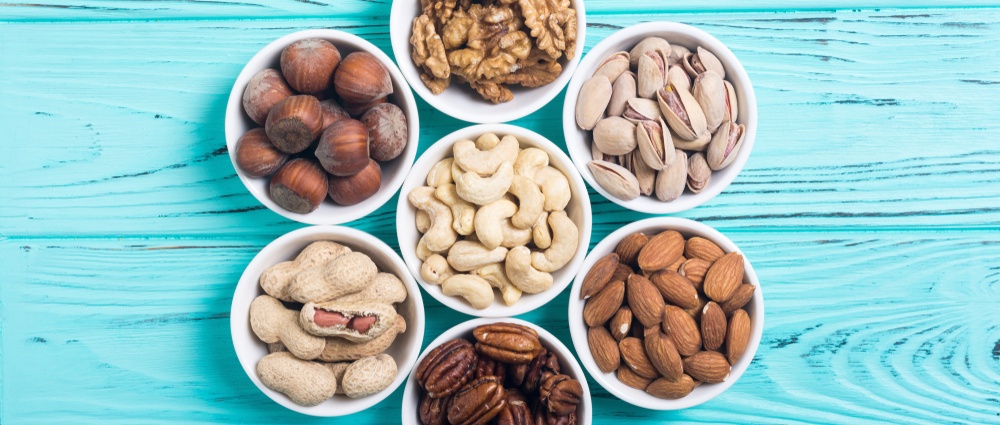
Packed with protein, delicious, easy to eat, and versatile - nuts are a great source of fuel for people building their fitness and strength. But not all nuts are created equal, which is why we count down the top eight nuts you should eat while strength training and serve these up with tasty recipe ideas.
by Lynn Stephen
Related patient information and medicines

Patient information leaflet
Liver function tests
The usual liver function tests typically include the following: Bilirubin. Albumin. Total protein. T... They are liver enzymes (proteins which help do the work of the liver) which are normally found inside liver cells rather than in the blood. ALT stands for alanine transaminase and is also called SGPT (serum glutamic-pyruvic transaminase). AST.

Patient information leaflet
Pregnancy screening tests
A pregnancy screening test (also known as an antenatal check), aims to detect a disease or condition in the early stages before it causes significant problems, and where treatment can be offered. The potential benefi... (They may be done if you have symptoms which warrant examination.). Urine tests Urine is checked at antenatal checks using a.
Patient information leaflet
Diet in chronic kidney disease
Chronic kidney disease (CKD) is a common long-term condition where the kidneys aren't working as well as they should be. There are some dietary choices that are recommended for people with early CKD. People with more advanced CKD may be advised to follow a special diet, usually with the support of a specialist dietician. It's important for.

Patient information leaflet
Glycogen storage disorders
Glycogen storage disorders are a group of inherited diseases. They result from a problem with one of the proteins (known as enzymes) involved in the conversion of glucose to glycogen, or the breakdown of glycogen back into glucose. ...a substance called glycogenGlycogen storage disorders are a group of inherited diseases that result from a lack.

Patient information leaflet
Diabetic kidney disease
Diabetic kidney disease (diabetic nephropathy) is a complication that occurs in some people with diabetes. Diabetic kidney disease is one of the causes of chronic kidney disease Chronic kidney disease , a long-term condition where the kidneys do not work as well as they should. In diabetic kidney disease, the filters of the kidneys, the glomeruli,.

Patient information leaflet
Healthy eating
Healthy eating may help to prevent certain long-term (chronic) diseases such as heart disease, stroke and diabetes. It may also help to reduce your risk of developing some cancers and help you to maintain a healthy weight. You obtain this energy from nutrients in the food that you eat - mostly, carbohydrates, fats and proteins. Minerals and.
Further reading and references
- protein O-glucosyltransferase 1; MedlinePlus, National Library of Medicine.
- Basmanav FB, Oprisoreanu AM, Pasternack SM, Thiele H, Fritz G, Wenzel J, Grosser L, Wehner M, Wolf S, Fagerberg C, Bygum A, Altmuller J, Rutten A, Parmentier L, El Shabrawi-Caelen L, Hafner C, Nurnberg P, Kruse R, Schoch S, Hanneken S, Betz RC. Mutations in POGLUT1, encoding protein O-glucosyltransferase 1, cause autosomal-dominant Dowling-Degos disease. Am J Hum Genet. 2014 Jan 2;94(1):135-43. doi: 10.1016/j.ajhg.2013.12.003.
- Chen M, Li Y, Liu H, Fu X, Yu Y, Yu G, Wang C, Bao F, Liany H, Wang Z, Shi Z, Zhang D, Zhou G, Liu J, Zhang F. Analysis of POFUT1 gene mutation in a Chinese family with Dowling-Degos disease. PLoS One. 2014 Aug 26;9(8):e104496. doi: 10.1371/journal.pone.0104496. eCollection 2014.
- Wilson NJ, Cole C, Kroboth K, Hunter WN, Mann JA, McLean WH, Kernland Lang K, Beltraminelli H, Sabroe RA, Tiffin N, Sobey GJ, Borradori L, Simpson E, Smith FJ. Mutations in POGLUT1 in Galli-Galli/Dowling-Degos disease. Br J Dermatol. 2017 Jan;176(1):270-274. doi: 10.1111/bjd.14914. Epub 2016 Sep 24. No abstract available.
Share your thoughts or experiences with others in our patient communities.
Simple access to trusted treatments and health services online.
Common conditions
Get help with common conditions through the NHS, without a GP appointment.





Sign up to the Patient newsletter
Your weekly dose of clear, trustworthy health advice - written to help you feel informed, confident and in control.
By subscribing you accept our Privacy Policy. You can unsubscribe at any time. We never sell your data.