surfactant protein C
Last updated 18 Aug 2020
Meets Patient’s editorial guidelines
- DownloadDownload
- Share
- Language
- Discussion
- Ask Patient
- Audio Version
- Add to preferred sources on Google
The SFTPC gene provides instructions for making a protein called surfactant protein-C (SP-C). This protein is one of four proteins (each produced from a different gene) in surfactant, a mixture of certain fats (called phospholipids) and proteins that lines the lung tissue and makes breathing easy. Without normal surfactant, the tissue surrounding the air sacs in the lungs (the alveoli) sticks together after exhalation (because of a force called surface tension), causing the alveoli to collapse. As a result, filling the lungs with air on each breath becomes very difficult, and the delivery of oxygen to the body is impaired. Surfactant lowers surface tension, easing breathing and avoiding lung collapse. The SP-C protein helps spread the surfactant across the surface of the lung tissue, aiding in the surface tension-lowering property of surfactant.
Video picks for GenesVideo library
Normal function
The SFTPC gene provides instructions for making a protein called surfactant protein-C (SP-C). This protein is one of four proteins (each produced from a different gene) in surfactant, a mixture of certain fats (called phospholipids) and proteins that lines the lung tissue and makes breathing easy. Without normal surfactant, the tissue surrounding the air sacs in the lungs (the alveoli) sticks together after exhalation (because of a force called surface tension), causing the alveoli to collapse. As a result, filling the lungs with air on each breath becomes very difficult, and the delivery of oxygen to the body is impaired. Surfactant lowers surface tension, easing breathing and avoiding lung collapse. The SP-C protein helps spread the surfactant across the surface of the lung tissue, aiding in the surface tension-lowering property of surfactant.
The phospholipids and proteins that make up surfactant are packaged in cellular structures known as lamellar bodies, which are found in specialized lung cells. The surfactant proteins must go through several processing steps to mature and become functional; some of these steps occur in lamellar bodies.
Conditions referring to this gene or chromosome
Other names
BRICD6
PSP-C
PSPC_HUMAN
pulmonary surfactant apoprotein-2 SP-C
pulmonary surfactant-associated protein C
pulmonary surfactant-associated proteolipid SPL(Val)
SFTP2
SMDP2
SP-C
SP5
Patient picks for Genes

Healthy living
Natural protein verses protein powder: which is better for strength training?
Consuming enough protein is essential for building strong muscles. Protein powder shakes are not a complete replacement for natural protein sources found in your food. However, you may consider supplementing your diet and strength-training regime with protein shakes. Before you decide if this is right for you, there are several benefits and considerations to take into account.
by Amberley Davis

Diet and nutrition
10 sources of plant-based protein for bone health
Plant-based diets are growing in popularity. People choose this way of eating for various reasons - to boost their health, help animals, and protect the environment. But switching to a plant-based diet may mean you're missing out on vital, bone-friendly nutrients. One of these is protein.
by Victoria Raw

Healthy living
8 high-protein nuts to boost your strength
Packed with protein, delicious, easy to eat, and versatile - nuts are a great source of fuel for people building their fitness and strength. But not all nuts are created equal, which is why we count down the top eight nuts you should eat while strength training and serve these up with tasty recipe ideas.
by Lynn Stephen

Diet and nutrition
How a protein-packed breakfast can boost your health
When we think of breakfast, we often picture a bowl of cornflakes with milk. While it’s a classic morning staple, it might not be the most effective way to start your day, as it lacks protein. Adding more protein to your breakfast can boost your energy levels and help keep you feeling full for longer.
by Victoria Raw

Kidney and urinary tract
Proteinuria
Proteins are molecules that are found in almost every part of the body, including in the blood. The kidneys normally have a filter which stops protein from entering the urine, except in very tiny amounts; however, kidney problems can cause higher levels of protein to be found in the urine.
by Dr Doug McKechnie, MRCGP

Allergies, blood and immune system
Cow's milk protein allergy
Cow's milk protein allergy is one of the most common food allergies seen in children. It is most commonly seen during the first year of life. Many children who have been allergic to cow's milk protein become tolerant to it by the time they are 5 years old.
by Dr Hayley Willacy, FRCGP
Related patient information and medicines

Patient information leaflet
Premature babies
This is very common in extremely premature babies born bef... It is due to the lungs not being developed enough to be ready to breathe in air. This is partly due to lack of a substance called surfactant, produced by the lungs, which stops the air spaces from collapsing. An artificial surfactant product can be given to the baby's lungs to help them.

Patient information leaflet
Healthy eating
Also, a main way of preventing obesity Obesity and weight loss and overweight is to eat a healthy diet. If you are overweight or obese, eating a healthy diet can help you lose weight Weight reduction. These include meat, fish, eggs and other non-dairy sources of protein (including nuts, tofu, beans, pulses, etc). For this reason, the UK.

Patient information leaflet
Mediterranean diet
General principles The Mediterranean Diet is not about quick fix superfoods. Nor is it a strict list of what you should not eat. Water is the best 'non-alcoholic beverage' (as opposed to sugary drinks), although h... Mediterranean Diet ingredients Vegetables and fruits The World Health Organization (WHO) - and the UK Government's Change4Life.

Patient information leaflet
Cataracts
Cataracts is when the lens of an eye becomes cloudy and affects vision. It commonly occurs in older people and develops gradually. If left untreated it can lead to total loss of vision (blindness). Key points A cataract is when the lens inside your eye becomes cloudy, making your vision blurry and causing glare, faded colours, and trouble seeing.

Patient information leaflet
Gastrointestinal malabsorption
Gastrointestinal malabsorption syndrome means a failure to fully absorb digested foods from the gut (bowel) into your body. There are many different causes. Prolonged intestinal malabsorption may cause problems because of a lack of carbohydrates, proteins, fats, minerals and vitamins that are essential to keep you healthy. The treatment will.
Patient information leaflet
Urine dipstick test
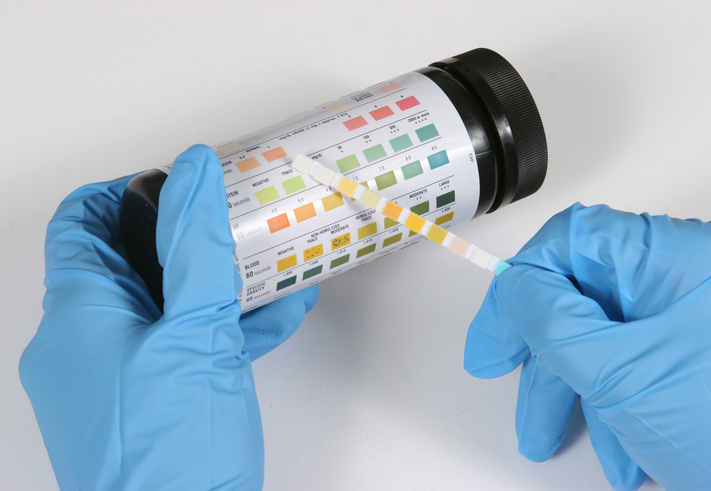
A urine dipstick test tests the urine using a special strip of paper that is dipped into a sample of urine. The result is available almost immediately. It is sometimes called a rapid urine test. Urine contains waste chemicals from all of the millions of chemical reactions that go on in the body all the time. However, in some conditions, chemicals.
Further reading and references
- surfactant protein C; MedlinePlus, National Library of Medicine.
- Guillot L, Epaud R, Thouvenin G, Jonard L, Mohsni A, Couderc R, Counil F, de Blic J, Taam RA, Le Bourgeois M, Reix P, Flamein F, Clement A, Feldmann D. New surfactant protein C gene mutations associated with diffuse lung disease. J Med Genet. 2009 Jul;46(7):490-4. doi: 10.1136/jmg.2009.066829. Epub 2009 May 13.
- Hamvas A, Nogee LM, White FV, Schuler P, Hackett BP, Huddleston CB, Mendeloff EN, Hsu FF, Wert SE, Gonzales LW, Beers MF, Ballard PL. Progressive lung disease and surfactant dysfunction with a deletion in surfactant protein C gene. Am J Respir Cell Mol Biol. 2004 Jun;30(6):771-6. doi: 10.1165/rcmb.2003-0323OC. Epub 2003 Dec 4.
- Mulugeta S, Maguire JA, Newitt JL, Russo SJ, Kotorashvili A, Beers MF. Misfolded BRICHOS SP-C mutant proteins induce apoptosis via caspase-4- and cytochrome c-related mechanisms. Am J Physiol Lung Cell Mol Physiol. 2007 Sep;293(3):L720-9. doi: 10.1152/ajplung.00025.2007. Epub 2007 Jun 22.
- Weaver TE. Synthesis, processing and secretion of surfactant proteins B and C. Biochim Biophys Acta. 1998 Nov 19;1408(2-3):173-9. doi: 10.1016/s0925-4439(98)00066-0.
Share your thoughts or experiences with others in our patient communities.
Simple access to trusted treatments and health services online.
Common conditions
Get help with common conditions through the NHS, without a GP appointment.





Sign up to the Patient newsletter
Your weekly dose of clear, trustworthy health advice - written to help you feel informed, confident and in control.
By subscribing you accept our Privacy Policy. You can unsubscribe at any time. We never sell your data.