transcobalamin 2
Last updated 18 Aug 2020
Meets Patient’s editorial guidelines
- DownloadDownload
- Share
- Language
- Discussion
- Ask Patient
- Audio Version
- Add to preferred sources on Google
The TCN2 gene provides instructions for making a protein called transcobalamin (formerly known as transcobalamin II). This protein transports cobalamin (also known as vitamin B12) from the bloodstream to cells throughout the body. Cobalamin is obtained from the diet; this vitamin is found in animal products such as meat, eggs, and shellfish.
Video picks for GenesVideo library
Normal function
The TCN2 gene provides instructions for making a protein called transcobalamin (formerly known as transcobalamin II). This protein transports cobalamin (also known as vitamin B12) from the bloodstream to cells throughout the body. Cobalamin is obtained from the diet; this vitamin is found in animal products such as meat, eggs, and shellfish.
During digestion, cobalamin is transported through intestinal cells into the bloodstream. Transcobalamin attaches (binds) to cobalamin when it is released into the bloodstream and transports the vitamin to cells. The transcobalamin-cobalamin complex binds to a receptor on the cell surface, which allows the complex to enter the cell. Transcobalamin releases cobalamin when the complex enters the cell and transcobalamin is broken down.
Within cells, cobalamin helps certain enzymes carry out chemical reactions. Cobalamin plays a role in the processes that produce the building blocks of DNA (nucleotides) and break down various compounds such as fatty acids; these processes are needed for cell growth and division (proliferation) and cellular energy production. Cobalamin's role in these processes is particularly important in the formation of new blood cells and in the nervous system.
Conditions referring to this gene or chromosome
Other names
D22S676
D22S750
TC
TC II
TC-2
TC2
TCII
transcobalamin II
transcobalamin-2
Patient picks for Genes

Diabetes Q&A
How do you get tested for type 2 diabetes?
Dr Sarah Jarvis MBE It is now recommended that the blood test for HbA1c can also be used as a test to diagnose type 2 diabetes. An HbA1c value of 48 mmol/mol (6.5%) or above is recommended as the blood level for diagnosing diabetes. In many cases type 2 diabetes is diagnosed during a routine medical or when tests are done for an unrelated medical condition. For more information on type 2 diabetes, go to [https://patient.info/health/type-2-diabetes](https://patient.info/health/type-2-diabetes)
by Dr Sarah Jarvis

Allergies
How do hay fever tablets work?
Dr Sarah Jarvis MBE If your hay fever symptoms are not controlled on the medication that you are taking after 2-4 weeks, you should discuss this with your doctor. You may need to try a different treatment or add in another treatment. If you are taking hay fever medication regularly and your hay fever is well controlled on your current treatment, you should continue this treatment until the end of the pollen season. [https://patient.info/health/hay-fever-leaflet#nav-5](https://patient.info/health/hay-fever-leaflet#nav-5)
by Dr Sarah Jarvis

Sickness
When do I need a chest X-Ray if I have a cough?
Dr Sarah Jarvis MBE The doctor will want to know how long your cough has lasted and whether you have any other symptoms. The doctor will particularly ask about symptoms which may suggest an underlying serious condition ('red flags'). [https://patient.info/health/cough-leaflet#nav-2](https://patient.info/health/cough-leaflet#nav-2)
by Dr Sarah Jarvis

Other diabetes
What does insulin do?
Dr Partha Kar In type 1 diabetes, the body stops making insulin and the blood sugar level goes very high. Some people who have type 2 diabetes may also need to have insulin injections to help control blood sugar levels. Insulin is usually injected under the skin between 2-4 times a day. For more information on insulin, go to [https://patient.info/health/type-1-diabetes/insulins](https://patient.info/health/type-1-diabetes/insulins)
by Dr Partha Kar, FRCP

Type 2 diabetes Q&A
How does type 2 diabetes affect your weight?
Dr Partha Kar The first-line treatment for type 2 diabetes is diet, weight control and physical activity. If the blood sugar (glucose) level remains high despite these measures then tablets to reduce the blood glucose level are usually advised. For more information on type 2 diabetes, go to [https://patient.info/health/type-2-diabetes](https://patient.info/health/type-2-diabetes)
by Dr Partha Kar, FRCP

What is diabetes?
What is type 2 diabetes?
Dr Parta Kar Type 2 diabetes occurs mostly in people aged over 40 years. However, an increasing number of younger people, even children, are being diagnosed with type 2 diabetes. The first-line treatment is diet, weight control and physical activity. If the blood sugar (glucose) level remains high despite these measures then tablets to reduce the blood glucose level are usually advised. Insulin injections are needed in some cases. Other treatments include reducing blood pressure if it is high, lowering high cholesterol levels and also using other measures to reduce the risk of complications. Find out more here: [https://patient.info/health/type-2-diabetes](https://patient.info/health/type-2-diabetes)
by Dr Partha Kar, FRCP
Related patient information and medicines

Patient information leaflet
Immunisation for flu
All viruses have evolved to try and increase their own numbers constantly by infe... Expert scientists and the World Health Organization (WHO) monitor flu viruses throughout the world and predict which flu strains they think are going to be the most active each year and therefore which strains are to be included in the current year's vaccine. This.

Patient information leaflet
Glandular fever
Glandular fever (also known as infectious mononucleosis) is a viral infection that most often affects teenagers and young adults. Although it can make some people feel quite ill, full recovery is usual. What is glandular fever. Glandular fever is a viral infection, mostly caused by the Epstein-Barr virus. The virus can be passed from person to.

Patient information leaflet
Type 2 diabetes
Type 2 diabetes can occur at any age, including during childhood, but it occurs mainly in people aged over 40. The first-line treatment is diet, weight control and physical activity. However if the blood sugar (glucose) level remains high then tablets to reduce the blood glucose level are usually advised. Other treatments include reducing blood.

Patient information leaflet
Tonsillectomy
There are other separate leaflets which may be relevant, called Tonsillitis Tonsillitis and Sore throat Sore throat. Benefits of tonsillectomy Tonsils are usually removed because they are causing problems. ... They suggest how frequently a person would have had a sore throat or tonsillitis to justify considering the risks of an operation. Current.

Patient information leaflet
Can I take Tetracycline and Calcium together?
Why this happens This is a pharmacokinetic interaction involving absorption. Calcium is a multivalent cation that undergoes 'chelation' with tetracycline. They bind together to form an insoluble complex in the digestive tract that is too large to pass through the gut wall. Our Medicines Interaction Checker helps you check whether your.
Patient information leaflet
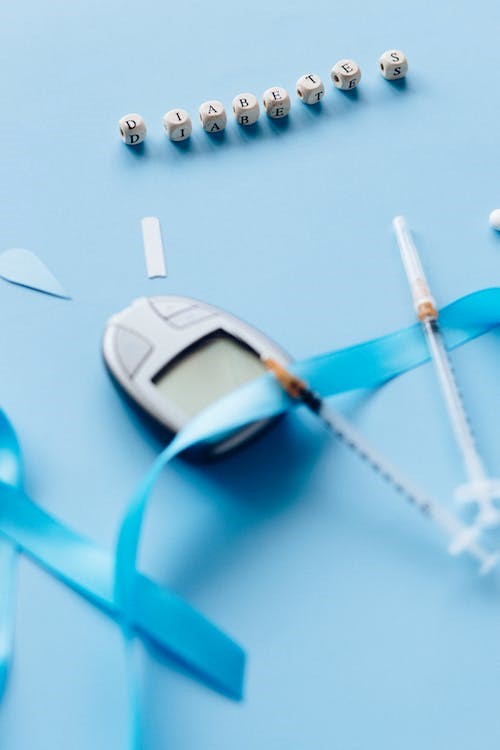
Type 2 diabetes treatment
Although diabetes cannot be cured, it can be treated successfully. If a high blood sugar level is brought down to a normal level, your symptoms will ease and your risk of long-term complications will be much lower. You can read more about controlling other risk factors in our separate leaflet called Type 2 diabetes Type 2 ... The rest of this.
Further reading and references
- transcobalamin 2; MedlinePlus, National Library of Medicine.
- Nielsen MJ, Rasmussen MR, Andersen CB, Nexo E, Moestrup SK. Vitamin B12 transport from food to the body's cells--a sophisticated, multistep pathway. Nat Rev Gastroenterol Hepatol. 2012 May 1;9(6):345-54. doi: 10.1038/nrgastro.2012.76.
- Nissen PH, Nordwall M, Hoffmann-Lucke E, Sorensen BS, Nexo E. Transcobalamin deficiency caused by compound heterozygosity for two novel mutations in the TCN2 gene: a study of two affected siblings, their brother, and their parents. J Inherit Metab Dis. 2010 Dec;33 Suppl 3:S269-74. doi: 10.1007/s10545-010-9145-z. Epub 2010 Jul 6.
- Qian L, Quadros EV, Regec A, Zittoun J, Rothenberg SP. Congenital transcobalamin II deficiency due to errors in RNA editing. Blood Cells Mol Dis. 2002 Mar-Apr;28(2):134-42; discussion 143-5. doi: 10.1006/bcmd.2002.0499.
- Seetharam B, Li N. Transcobalamin II and its cell surface receptor. Vitam Horm. 2000;59:337-66. doi: 10.1016/s0083-6729(00)59012-8.
Share your thoughts or experiences with others in our patient communities.
Simple access to trusted treatments and health services online.
Common conditions
Get help with common conditions through the NHS, without a GP appointment.





Sign up to the Patient newsletter
Your weekly dose of clear, trustworthy health advice - written to help you feel informed, confident and in control.
By subscribing you accept our Privacy Policy. You can unsubscribe at any time. We never sell your data.