THAP domain containing 1
Last updated 18 Aug 2020
Meets Patient’s editorial guidelines
- DownloadDownload
- Share
- Language
- Discussion
- Ask Patient
- Audio Version
- Add to preferred sources on Google
The THAP1 gene provides instructions for making a protein that is a transcription factor, which means that it attaches (binds) to specific regions of DNA and regulates the activity of other genes. Through this function, it is thought to help control several processes in the body, including the growth and division (proliferation) of endothelial cells, which line the inside surface of blood vessels and other circulatory system structures called lymphatic vessels. The THAP1 protein also plays a role in the self-destruction of cells that are no longer needed (apoptosis).
Video picks for GenesVideo library
Normal function
The THAP1 gene provides instructions for making a protein that is a transcription factor, which means that it attaches (binds) to specific regions of DNA and regulates the activity of other genes. Through this function, it is thought to help control several processes in the body, including the growth and division (proliferation) of endothelial cells, which line the inside surface of blood vessels and other circulatory system structures called lymphatic vessels. The THAP1 protein also plays a role in the self-destruction of cells that are no longer needed (apoptosis).
Conditions referring to this gene or chromosome
Other names
4833431A01Rik
DYT6
FLJ10477
nuclear proapoptotic factor
THAP domain containing, apoptosis associated protein 1
THAP domain protein 1
THAP domain-containing protein 1
THAP1_HUMAN
Patient picks for Genes
Medicine
Preparations for piles - containing a corticosteroid
Common symptoms of piles (haemorrhoids) are pain, and bleeding after going to the toilet. Preparations containing corticosteroids reduce inflammation, which helps to ease discomfort. Do not use the preparation for longer than seven days at a time.
by Michael Stewart, MRPharmS

Meningitis Q&A
How do you get bacterial meningitis?
Dr Sarah Jarvis MBE Neisseria meningitidis (meningococcus) is a common germ (bacterium), living harmlessly in the nose and throat of about 1 in 4 people. These people are called carriers. This bacterium does not survive outside the body. Close contact is needed to pass it on to others, such as intimate kissing, coughing or sneezing near to others. For more information on meningitis, go to [https://patient.info/health/meningitis-leaflet](https://patient.info/health/meningitis-leaflet)
by Dr Sarah Jarvis
Asthma & COPD
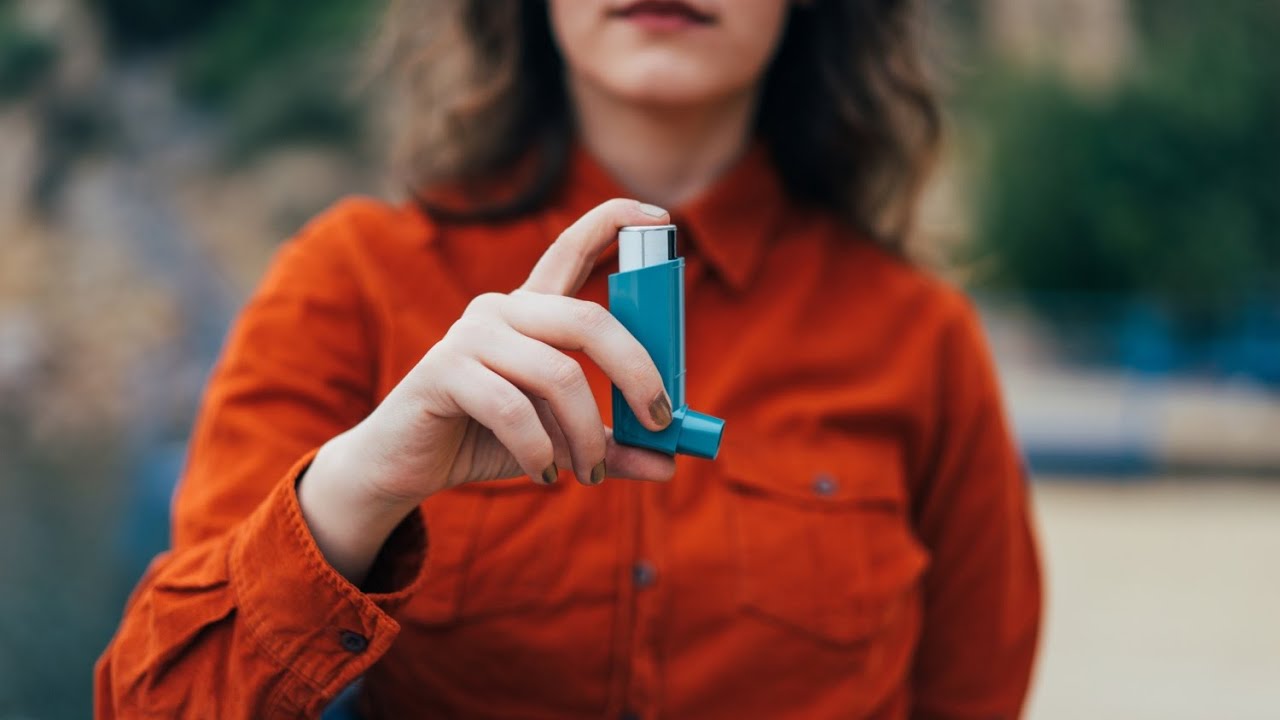
How do I know if I have asthma?
Dr Sarah Jarvis MBE The common symptoms are cough and wheeze. You may also become breathless and develop a feeling of chest tightness. Symptoms can range from mild to severe between different people and at different times in the same person. Each episode of symptoms may last just an hour or so, or persist for days or weeks unless treated. [https://patient.info/health/asthma-leaflet#nav-1](https://patient.info/health/asthma-leaflet#nav-1)
by Dr Sarah Jarvis

STI
How do you get genital warts?
Dr Sarah Jarvis MBE The virus is passed on by sexual contact. You need close skin-to-skin contact to pass on the virus. This means that you do not necessarily need to have penetrative sex to pass on infection. Sharing sex toys may also pass on infection. Very rarely, anogenital warts may be passed on from hand warts. They may also rarely be passed on to a baby when a woman gives birth. [https://patient.info/health/sexually-transmitted-infections-leaflet/anogenital-warts#nav-1](https://patient.info/health/sexually-transmitted-infections-leaflet/anogenital-warts#nav-1)
by Dr Sarah Jarvis

Meningitis Q&A
Why do teenagers need a meningitis vaccine?
Dr Sarah Jarvis MBE If you are under the age of 25 and have not been immunised, see your doctor or practice nurse to get immunised. This is particularly important if you are about to start university for the first time, as the risk of infection with group W meningococcus is highest in first-year university students. Just one injection of vaccine is needed if you are over the age of 1 year. For more information on the meningitis vaccine, go to [https://patient.info/health/meningitis-leaflet/meningococcal-meningitis-vaccine](https://patient.info/health/meningitis-leaflet/meningococcal-meningitis-vaccine)
by Dr Sarah Jarvis
Genital herpes
Is herpes contagious?
Dr Rosemary Leonard Cold sores, also known as fever blisters, are caused by two strains of the herpes simplex virus. Herpes simplex virus type 1 (HSV-1) is the main cause of oral and facial cold sores, although HSV-2, which tends to affect the genitals, can also affect the mouth and face if it is transmitted there. The cold sore virus is most commonly passed on through kissing (or oral sex) when a blister is present. For more information on herpes, go to [https://patient.info/health/viral-skin-infections-leaflet/features/surprising-facts-about-cold-sores-everyone-should-know](https://patient.info/health/viral-skin-infections-leaflet/features/surprising-facts-about-cold-sores-everyone-should-know)
by Dr Rosemary Leonard MBE, MRCGP
Related patient information and medicines

Patient information leaflet
The immune system
This leaflet gives a brief overview of the immune system and how it works. A person with a weak immune system might have difficulty fighting off infections. We are surrounded by millions of bacteria, viruses and other germs (microbes) that have the potenti... The immune system is the body's defence against disease-causing microbes (pathogens)..
Patient information leaflet
Pneumococcal immunisation
Pneumococcus is a germ (bacterium) which can cause pneumonia Pneumonia , meningitis Meningitis and some other infections. Routine immunisation schedule for children aged under 2 years Children are... The first is usually given at the same time as the second dose of the 6-in-1 DTaP/IPV(polio)/Hib/HepB injection - this stands for 'diphtheria,.

Patient information leaflet
Immunisation for flu
Getting the flu vaccine is a safe and effective way to protect against becoming seriously ill with flu. What is the flu jab for. Influenza (flu) Flu is a common viral infection that tends to be most common in the winter. Flu can cause much more severe symptoms than the common cold Common cold. Some people can become seriously ill with flu, needing.
Patient information leaflet
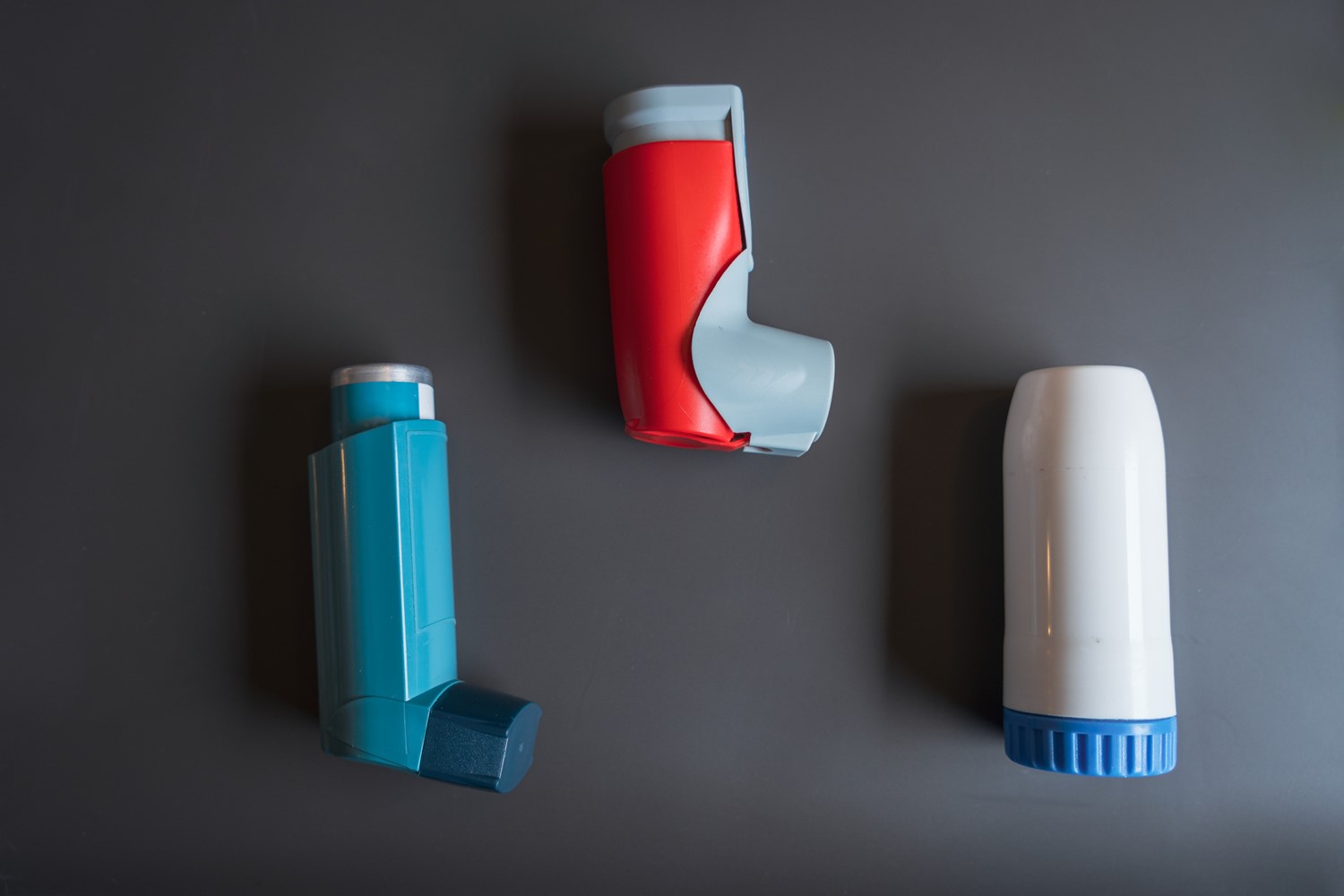
Asthma inhalers
An inhaler is a device containing a medicine that is taken by breathing it in (inhaling). Inhalers are the main treatment for asthma and help to control asthma symptoms. Preventers (steroid inhalers). Long-acting bronchodilators. Combination inhalers, which contain both long-acting bronchodilators and steroids. ServiceUpsellPlaceholder Reliever.

Patient information leaflet
Polio and polio vaccine
Polio (poliomyelitis), is a serious illness that can be debilitating and life-threatening. There is no cure but thanks to vaccinations, the illness is rare. Polio is very rare in places with polio vaccination, because the vaccine is so effective. See your practice nurse if you think that you are not fully vaccinated. What is polio. Polio.
Patient information leaflet
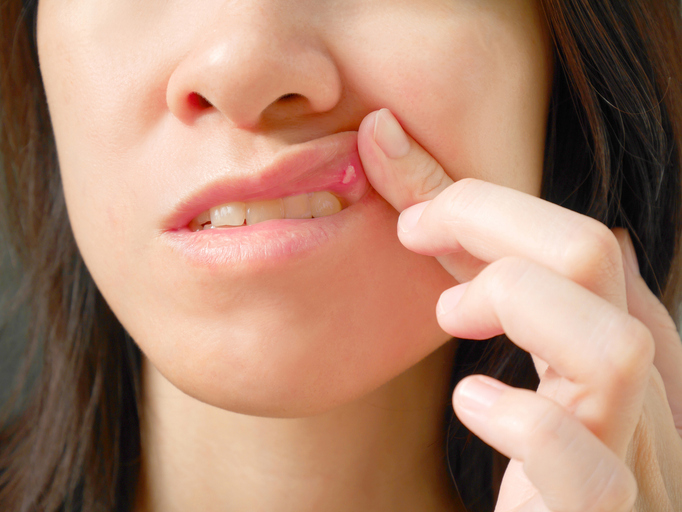
Mouth ulcers
Mouth ulcers are common, painful sores inside the mouth that can make eating and drinking uncomfortable. They are usually harmless and often heal on their own, however, stress, hormones, or certain foods can trigger them. Mouth ulcers are painful sores that can occur anywhere inside the mouth. This leaflet is about the most common type of mouth.
Further reading and references
- THAP domain containing 1; MedlinePlus, National Library of Medicine.
- Blanchard A, Ea V, Roubertie A, Martin M, Coquart C, Claustres M, Beroud C, Collod-Beroud G. DYT6 dystonia: review of the literature and creation of the UMD Locus-Specific Database (LSDB) for mutations in the THAP1 gene. Hum Mutat. 2011 Nov;32(11):1213-24. doi: 10.1002/humu.21564. Epub 2011 Sep 15.
- Bressman SB, Raymond D, Fuchs T, Heiman GA, Ozelius LJ, Saunders-Pullman R. Mutations in THAP1 (DYT6) in early-onset dystonia: a genetic screening study. Lancet Neurol. 2009 May;8(5):441-6. doi: 10.1016/S1474-4422(09)70081-X. Epub 2009 Apr 1.
- Campagne S, Muller I, Milon A, Gervais V. Towards the classification of DYT6 dystonia mutants in the DNA-binding domain of THAP1. Nucleic Acids Res. 2012 Oct;40(19):9927-40. doi: 10.1093/nar/gks703. Epub 2012 Jul 27.
- Cheng FB, Ozelius LJ, Wan XH, Feng JC, Ma LY, Yang YM, Wang L. THAP1/DYT6 sequence variants in non-DYT1 early-onset primary dystonia in China and their effects on RNA expression. J Neurol. 2012 Feb;259(2):342-7. doi: 10.1007/s00415-011-6196-5. Epub 2011 Jul 29.
- Djarmati A, Schneider SA, Lohmann K, Winkler S, Pawlack H, Hagenah J, Bruggemann N, Zittel S, Fuchs T, Rakovic A, Schmidt A, Jabusch HC, Wilcox R, Kostic VS, Siebner H, Altenmuller E, Munchau A, Ozelius LJ, Klein C. Mutations in THAP1 (DYT6) and generalised dystonia with prominent spasmodic dysphonia: a genetic screening study. Lancet Neurol. 2009 May;8(5):447-52. doi: 10.1016/S1474-4422(09)70083-3. Epub 2009 Apr 1.
- Houlden H, Schneider SA, Paudel R, Melchers A, Schwingenschuh P, Edwards M, Hardy J, Bhatia KP. THAP1 mutations (DYT6) are an additional cause of early-onset dystonia. Neurology. 2010 Mar 9;74(10):846-50. doi: 10.1212/WNL.0b013e3181d5276d.
- LeDoux MS, Xiao J, Rudzinska M, Bastian RW, Wszolek ZK, Van Gerpen JA, Puschmann A, Momcilovic D, Vemula SR, Zhao Y. Genotype-phenotype correlations in THAP1 dystonia: molecular foundations and description of new cases. Parkinsonism Relat Disord. 2012 Jun;18(5):414-25. doi: 10.1016/j.parkreldis.2012.02.001. Epub 2012 Feb 28.
- Xiromerisiou G, Houlden H, Scarmeas N, Stamelou M, Kara E, Hardy J, Lees AJ, Korlipara P, Limousin P, Paudel R, Hadjigeorgiou GM, Bhatia KP. THAP1 mutations and dystonia phenotypes: genotype phenotype correlations. Mov Disord. 2012 Sep 1;27(10):1290-4. doi: 10.1002/mds.25146. Epub 2012 Aug 17.
Share your thoughts or experiences with others in our patient communities.
Simple access to trusted treatments and health services online.
Common conditions
Get help with common conditions through the NHS, without a GP appointment.





Sign up to the Patient newsletter
Your weekly dose of clear, trustworthy health advice - written to help you feel informed, confident and in control.
By subscribing you accept our Privacy Policy. You can unsubscribe at any time. We never sell your data.