thyroid stimulating hormone subunit beta
Last updated 21 Jun 2022
Meets Patient’s editorial guidelines
- DownloadDownload
- Share
- Language
- Discussion
- Ask Patient
- Audio Version
- Add to preferred sources on Google
The TSHB gene provides instructions for one piece (subunit) of a hormone called thyroid stimulating hormone (TSH). Thyroid stimulating hormone consists of two subunits called alpha and beta. The TSHB gene provides instructions for making the beta subunit. The alpha and beta subunits are bound together to produce the active form of the hormone. A particular segment of the beta subunit, known as the buckle or seatbelt, wraps around the alpha subunit to form the active hormone. This seatbelt region also helps stabilize the hormone's structure.
Video picks for GenesVideo library
Normal function
The TSHB gene provides instructions for one piece (subunit) of a hormone called thyroid stimulating hormone (TSH). Thyroid stimulating hormone consists of two subunits called alpha and beta. The TSHB gene provides instructions for making the beta subunit. The alpha and beta subunits are bound together to produce the active form of the hormone. A particular segment of the beta subunit, known as the buckle or seatbelt, wraps around the alpha subunit to form the active hormone. This seatbelt region also helps stabilize the hormone's structure.
Thyroid stimulating hormone is made in the pituitary gland, a gland at the base of the brain. This hormone plays an important role in the growth and function of the thyroid gland, a butterfly-shaped tissue in the lower neck. It also stimulates the production of thyroid hormones, which play a critical role in regulating growth, brain development, and the rate of chemical reactions in the body (metabolism). The pituitary gland monitors levels of thyroid hormones. When thyroid hormone levels are too low, the pituitary gland releases thyroid stimulating hormone into the bloodstream. Thyroid stimulating hormone, in turn, signals increased thyroid gland growth and production of thyroid hormones.
Conditions referring to this gene or chromosome
Other names
thyroid stimulating hormone, beta
thyrotropin beta chain precursor
thyrotropin beta subunit
TSH-BETA
TSHB_HUMAN
Patient picks for Genes

Hormones
The importance of a healthy thyroid
The little gland at the front of your neck, about the same shape and position of a bow tie, is constantly balancing how fast your body ticks over. Too much and you go into overdrive; too little and your world becomes sluggish.
by Dr Sarah Jarvis

Hormones
Pituitary gland disorders
This leaflet gives a brief overview of the pituitary gland and the hormones it makes. The pituitary gland is found at the base of the brain and is 'pea-sized'. The pituitary gland is an overall controller of a number of other glands in the body, overseeing the function of these organs through hormones.
by Dr Hayley Willacy, FRCGP
Men's health
Is 'male menopause' real?
Menopause is a natural stage of life that women go through as they age. During this time, their reproductive hormone levels fluctuate and gradually decline, causing a range of physical and emotional symptoms. But can men experience something similar? Often referred to as ‘male menopause’, hormonal changes as men get older can also affect their health and wellbeing. We explore the symptoms, causes, and science behind 'male menopause' and why it deserves more attention.
by Victoria Raw
Hormones
Underactive thyroid gland
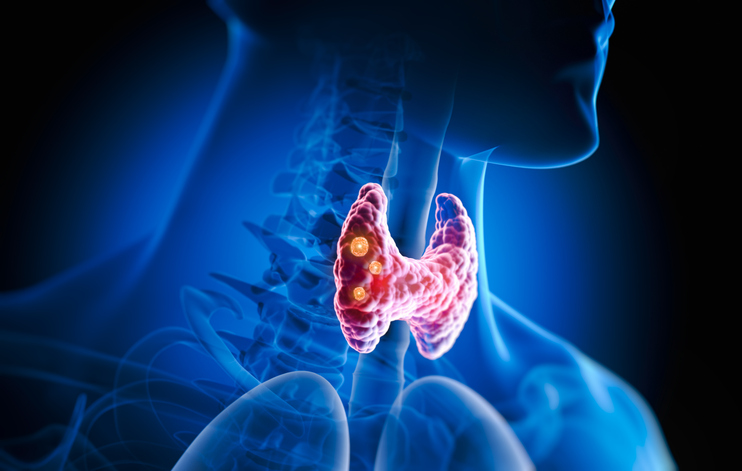
If you have an underactive thyroid gland, the condition is called hypothyroidism. In hypothyroidism, there is a reduced level of thyroid hormone in the body. This can cause various symptoms, the most common being tiredness, weight gain, constipation, aches, dry skin, lifeless hair and feeling cold. Treatment usually involves taking a daily tablet of thyroid hormone to replace the missing thyroxine. Treatment works very well for most people with hypothyroidism but is required for life.
by Dr Colin Tidy, MRCGP
Tests and investigations
Thyroid function tests
Thyroid function tests are blood tests which help to check the function of your thyroid gland. They are mainly used to detect an underactive thyroid gland (hypothyroidism) and an overactive thyroid gland (hyperthyroidism). Lots of basic information about the thyroid gland can be found in the separate leaflet called Thyroid Problems (also including Parathyroid Glands). This leaflet will only deal with the blood test that measures how your thyroid is working, not the specific diseases, such as Graves' disease, that affect the thyroid. Note: the information below is a general guide only. The arrangements, and the way tests are performed, may vary between different hospitals. Someone can have their thyroid function test in one hospital and it could give slightly different results to having it measured in another hospital. It is important to interpret the results of your thyroid function test with the doctor who requested them - so if the test was requested by your GP, they will give you the result. If it was requested by a hospital consultant, you need to get the result from them and your GP will not have it.
by Dr Toni Hazell, FRCGP
Hormones
Overactive thyroid gland
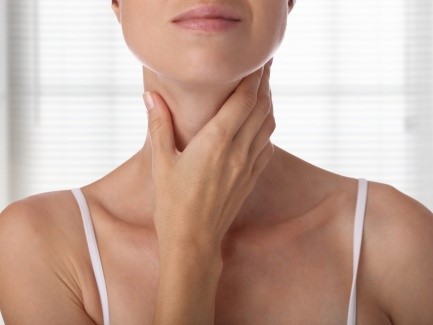
Hyperthyroidism is an uncommon condition where your thyroid gland (which is in your neck) goes into 'overdrive'. It produces too much of a chemical called thyroxine. We all have a certain amount of thyroxine in our bodies to keep us working at just the right 'energy level'. If too much thyroxine is made, you can become very ill with tiredness, a fast heartbeat and weight loss. Initially the symptoms can mimic lots of other conditions. However, the diagnosis is usually made with a simple blood test. A number of treatments are available which makes hyperthyroidism fairly easy to treat: tablets are the mainstay of treatment, followed by radiotherapy. Occasionally surgery is needed.
by Dr Colin Tidy, MRCGP
Related patient information and medicines
Patient information leaflet
Pituitary gland disorders
This leaflet gives a brief overview of the pituitary gland and the hormones it makes. The pituitary gland is found at the base of the brain and is 'pea-sized'. Men also have prolactin but its function is not understood well. Thyroid-stimulating hormone (TSH) Thyroid gland TSH stimulates the thyroid gland to produce its own hormones,.
Patient information leaflet
Underactive thyroid gland
If you have an underactive thyroid gland, the condition is called hypothyroidism. In hypothyroidism, there is a reduced level of thyroid hormone in the body. Neck cross-section showing the thyroid gland Cross section of neck showing the thyroid gland The thyroid gland is located in the neck and produces thyroid hormones. Thyroid hormones are.
Patient information leaflet
Thyroid function tests
Thyroid function tests are blood tests which help to check the function of your thyroid gland. A thyroid function test is a blood test measuring the levels of the hormones made by your thyroid gland. The test also checks the level of a hormone made by the pituitary gland in your brain, which acts on your thyroid gland. The two hormones, thyroxine.
Patient information leaflet
Overactive thyroid gland
Hyperthyroidism is an uncommon condition where your thyroid gland (which is in your neck) goes into 'overdrive'. Thyroxine is a body chemical (hormone) made by your thyroid gland. ...mone) is made in the pituitary gland in the brainBeta-blocker medicines Some people are given a beta-blocker medicine Beta-blockers (for example, propranolol.

Patient information leaflet
Thyroid and parathyroid problems
This leaflet gives a brief overview of the thyroid and parathyroid glands and the common medical problems which can occur with these. What are the thyroid and parathyroid glands. Both the thyroid and parathyroid glands are endocrine glands. This means they make and release (secrete) hormones. Hormones are chemicals which are produced by the body.
Patient information leaflet
Beta-blockers
Beta-blockers are medicines that are used to treat a variety of conditions. Their full correct name is beta-adrenoceptor blocking medicines (or beta-adrenergic blocking agents), but they are commonly just called beta-blockers. Beta-blockers do not reduce anxiety itself but c... For example, they can reduce shaking (tremor) and a fast heart rate..
Further reading and references
- thyroid stimulating hormone subunit beta; MedlinePlus, National Library of Medicine.
- Deladoey J, Vuissoz JM, Domene HM, Malik N, Gruneiro-Papendieck L, Chiesa A, Heinrich JJ, Mullis PE. Congenital secondary hypothyroidism due to a mutation C105Vfs114X thyrotropin-beta mutation: genetic study of five unrelated families from Switzerland and Argentina. Thyroid. 2003 Jun;13(6):553-9. doi: 10.1089/105072503322238818.
- Medeiros-Neto G, Herodotou DT, Rajan S, Kommareddi S, de Lacerda L, Sandrini R, Boguszewski MC, Hollenberg AN, Radovick S, Wondisford FE. A circulating, biologically inactive thyrotropin caused by a mutation in the beta subunit gene. J Clin Invest. 1996 Mar 1;97(5):1250-6. doi: 10.1172/JCI118540.
- Partsch CJ, Riepe FG, Krone N, Sippell WG, Pohlenz J. Initially elevated TSH and congenital central hypothyroidism due to a homozygous mutation of the TSH beta subunit gene: case report and review of the literature. Exp Clin Endocrinol Diabetes. 2006 May;114(5):227-34. doi: 10.1055/s-2006-924232.
- Pohlenz J, Dumitrescu A, Aumann U, Koch G, Melchior R, Prawitt D, Refetoff S. Congenital secondary hypothyroidism caused by exon skipping due to a homozygous donor splice site mutation in the TSHbeta-subunit gene. J Clin Endocrinol Metab. 2002 Jan;87(1):336-9. doi: 10.1210/jcem.87.1.8154.
- Ramos HE, Labedan I, Carre A, Castanet M, Guemas I, Tron E, Madhi F, Delacourt C, Maciel RM, Polak M. New cases of isolated congenital central hypothyroidism due to homozygous thyrotropin beta gene mutations: a pitfall to neonatal screening. Thyroid. 2010 Jun;20(6):639-45. doi: 10.1089/thy.2009.0462.
- Vuissoz JM, Deladoey J, Buyukgebiz A, Cemeroglu P, Gex G, Gallati S, Mullis PE. New autosomal recessive mutation of the TSH-beta subunit gene causing central isolated hypothyroidism. J Clin Endocrinol Metab. 2001 Sep;86(9):4468-71. doi: 10.1210/jcem.86.9.7876.
Share your thoughts or experiences with others in our patient communities.
Simple access to trusted treatments and health services online.
Common conditions
Get help with common conditions through the NHS, without a GP appointment.





Sign up to the Patient newsletter
Your weekly dose of clear, trustworthy health advice - written to help you feel informed, confident and in control.
By subscribing you accept our Privacy Policy. You can unsubscribe at any time. We never sell your data.