zinc finger FYVE-type containing 26
Last updated 18 Aug 2020
Meets Patient’s editorial guidelines
- DownloadDownload
- Share
- Language
- Discussion
- Ask Patient
- Audio Version
- Add to preferred sources on Google
The ZFYVE26 gene provides instructions for making a protein called spastizin, which is found in most tissues. Spastizin is important in a process called autophagy, in which worn-out cell parts and unneeded proteins are recycled within cells. Specifically, spastizin is involved in the formation and maturation of sacs called autophagosomes (or autophagic vacuoles). Autophagosomes surround materials that need to be recycled. The autophagosome then attaches (fuses) to a cell structure called a lysosome, which breaks down and recycles the materials.
Video picks for GenesVideo library
Normal function
The ZFYVE26 gene provides instructions for making a protein called spastizin, which is found in most tissues. Spastizin is important in a process called autophagy, in which worn-out cell parts and unneeded proteins are recycled within cells. Specifically, spastizin is involved in the formation and maturation of sacs called autophagosomes (or autophagic vacuoles). Autophagosomes surround materials that need to be recycled. The autophagosome then attaches (fuses) to a cell structure called a lysosome, which breaks down and recycles the materials.
In addition to being involved in clearing cells of unneeded materials, spastizin also plays a role in ensuring the proper division of cells. During the final stages of cell division, spastizin participates in the process by which the dividing cells separate from one another (cytokinesis).
Conditions referring to this gene or chromosome
Other names
FYVE domain-containing centrosomal protein
FYVE-CENT
KIAA0321
spastizin
SPG15
zinc finger FYVE domain-containing protein 26
zinc finger, FYVE domain containing 26
Patient picks for Genes
Treatment and medication
Fingertip units for topical steroids
Topical steroids are used for various skin conditions. The amount of topical steroid that you should apply is commonly measured by fingertip units.
by Dr Doug McKechnie, MRCGP

Healthy living
Zinc deficiency, excess and supplementation
Zinc is needed for many of the chemical reactions which are going on inside us all the time at micro-level. We get zinc from our diets but not getting enough can cause a wide variety of symptoms, some of which are very vague.
by Dr Toni Hazell, FRCGP

Infections
Can zinc lozenges protect against coughs, colds, flu, and COVID-19?
Zinc helps our immune systems to fight upper respiratory tract infections (URTIs) such as coughs, colds, and flus including COVID-19. In light of the COVID-19 pandemic, new research suggests that taking zinc lozenges or supplements may help both to prevent and to reduce the length of these illnesses.
by Amberley Davis

Bones, joints and muscles
Trigger finger
A trigger finger does not straighten easily. The cause is not clear. Sometimes it settles and goes away without treatment. An injection of steroid will usually cure the problem. A small operation is needed in a small number of cases.
by Dr Hayley Willacy, FRCGP

Bones, joints and muscles
Mallet finger
A finger that bends down at the end joint and cannot be straightened is called a mallet finger. It is caused by an injury to the tendon that straightens (extends) the finger. A splint worn day and night for 6-8 weeks will cure the problem in most cases.
by Dr Hayley Willacy, FRCGP

Diabetes
Diabetes diet: managing type 2 diabetes
If you have type 2 diabetes it is often difficult to know which foods you should or should not eat. Here we explain the key elements of a diabetes diet to help you prevent or delay associated health problems, and address some common myths around eating with type 2 diabetes.
by Lawrence Higgins
Related patient information and medicines
Patient information leaflet
Paget's disease of bone
They work in a balanced way to make and mould bone, repair damage and keep the bone structure correctly woven. There is a slow but constant turnover of bone. What is Paget's disease of bone. Paget's disease of bone was first described by Sir James Paget in 1877. (It is a different condition to Paget's disease of breast.). This leaflet is only.

Patient information leaflet
Buerger's disease
This can help to stop the disease from becoming worse and reduces your chance of needing surgical removal (amputation) of a finger, a toe, or worse. What is Buerger's disease. Buerger's disease is a condition that causes inflammation of the small- and medium-sized blood vessels in legs and arms, particularly those in the hands and feet. It is.
Patient information leaflet
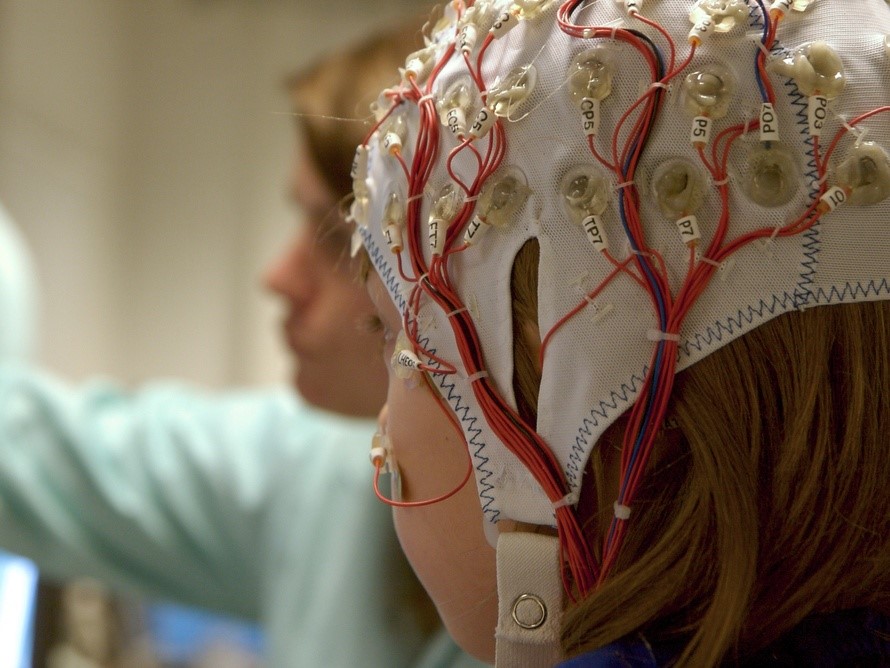
Types of seizures
A seizure is a condition caused by a sudden burst of electrical activity in the brain. There are different types of seizures. This leaflet gives some information about what your doctor may wish to know and what tests may be advised after such an event. What is a seizure. A seizure is a short episode of symptoms caused by a burst of abnormal.
Patient information leaflet
Halitosis
It is difficult to advise on which mouthwash is the most effective. A number of clinical trials have shown that various ingredients are good at reducing bad breath. These include chlorhexidine, cetylpyridinium chloride, chlorine dioxide, zinc chloride and triclosan. The various mouthwashes that you can buy usually contain one or more of these.
Patient information leaflet
Primary bone cancer
Most commonly, cancers of the breast Breast cancer , prostate. Secondary bone cancer is common. The behaviour, treatment and outlook of secondary types of primary bone cancers are often quite different to primary bone cancer. Cancers of blood cells that originate in the bone marrow are not classified as bone cancers. Examples include: leukaemia.

Patient information leaflet
Paronychia
Paronychia is a common infection of the skin around the nails of the fingers or toes. It may be acute or chronic. Treatm... Antibiotics If the infection is caused by bacteria, then a healthcare worker may prescribe an oral antibiotic Antibiotics. Antibiotics commonly used for paronychia include flucloxacillin Flucloxacillin for infection or.
Further reading and references
- zinc finger FYVE-type containing 26; MedlinePlus, National Library of Medicine.
- Hanein S, Martin E, Boukhris A, Byrne P, Goizet C, Hamri A, Benomar A, Lossos A, Denora P, Fernandez J, Elleuch N, Forlani S, Durr A, Feki I, Hutchinson M, Santorelli FM, Mhiri C, Brice A, Stevanin G. Identification of the SPG15 gene, encoding spastizin, as a frequent cause of complicated autosomal-recessive spastic paraplegia, including Kjellin syndrome. Am J Hum Genet. 2008 Apr;82(4):992-1002. doi: 10.1016/j.ajhg.2008.03.004.
- Vantaggiato C, Clementi E, Bassi MT. ZFYVE26/SPASTIZIN: a close link between complicated hereditary spastic paraparesis and autophagy. Autophagy. 2014 Feb;10(2):374-5. doi: 10.4161/auto.27173. Epub 2013 Nov 26.
- Vantaggiato C, Crimella C, Airoldi G, Polishchuk R, Bonato S, Brighina E, Scarlato M, Musumeci O, Toscano A, Martinuzzi A, Santorelli FM, Ballabio A, Bresolin N, Clementi E, Bassi MT. Defective autophagy in spastizin mutated patients with hereditary spastic paraparesis type 15. Brain. 2013 Oct;136(Pt 10):3119-39. doi: 10.1093/brain/awt227. Epub 2013 Sep 11.
Share your thoughts or experiences with others in our patient communities.
Simple access to trusted treatments and health services online.
Common conditions
Get help with common conditions through the NHS, without a GP appointment.





Sign up to the Patient newsletter
Your weekly dose of clear, trustworthy health advice - written to help you feel informed, confident and in control.
By subscribing you accept our Privacy Policy. You can unsubscribe at any time. We never sell your data.