What is a cell?
Meets Patient’s editorial guidelines
- DownloadDownload
- Share
- Language
- Discussion
- Ask Patient
- Audio Version
- Add to preferred sources on Google
Cells are the basic building blocks of all living things. The human body is composed of trillions of cells. They provide structure for the body, take in nutrients from food, convert those nutrients into energy, and carry out specialized functions. Cells also contain the body’s hereditary material and can make copies of themselves.
Video picks for Understanding geneticsVideo library
Overview
Cells are the basic building blocks of all living things. The human body is composed of trillions of cells. They provide structure for the body, take in nutrients from food, convert those nutrients into energy, and carry out specialized functions. Cells also contain the body’s hereditary material and can make copies of themselves.
Cells have many parts, each with a different function. Some of these parts, called organelles, are specialized structures that perform certain tasks within the cell. Human cells contain the following major parts, listed in alphabetical order:
Cytoplasm
Within cells, the cytoplasm is made up of a jelly-like fluid (called the cytosol) and other structures that surround the nucleus.
Cytoskeleton
The cytoskeleton is a network of long fibers that make up the cell’s structural framework. The cytoskeleton has several critical functions, including determining cell shape, participating in cell division, and allowing cells to move. It also provides a track-like system that directs the movement of organelles and other substances within cells.
Endoplasmic reticulum (ER)
This organelle helps process molecules created by the cell. The endoplasmic reticulum also transports these molecules to their specific destinations either inside or outside the cell.
Golgi apparatus
The Golgi apparatus packages molecules processed by the endoplasmic reticulum to be transported out of the cell.
Lysosomes and peroxisomes
These organelles are the recycling center of the cell. They digest foreign bacteria that invade the cell, rid the cell of toxic substances, and recycle worn-out cell components.
Mitochondria
Mitochondria are complex organelles that convert energy from food into a form that the cell can use. They have their own genetic material, separate from the DNA in the nucleus, and can make copies of themselves.
Nucleus
The nucleus serves as the cell’s command center, sending directions to the cell to grow, mature, divide, or die. It also houses DNA (deoxyribonucleic acid), the cell’s hereditary material. The nucleus is surrounded by a membrane called the nuclear envelope, which protects the DNA and separates the nucleus from the rest of the cell.
Plasma membrane
The plasma membrane is the outer lining of the cell. It separates the cell from its environment and allows materials to enter and leave the cell.
Ribosomes
Ribosomes are organelles that process the cell’s genetic instructions to create proteins. These organelles can float freely in the cytoplasm or be connected to the endoplasmic reticulum (see above).
Patient picks for Understanding genetics
Allergies, blood and immune system
What does the new treatment for sickle cell disease mean for sickle cell patients?
It has been over 20 years since the last breakthrough in the treatment of sickle cell disease. Now a new antibody-based drug has been approved that can significantly reduce the number of episodes of severe pain experienced by patients. What does this step mean for the 15,000 people living with sickle cell disorder in the UK?
by Amberley Davis
Allergies, blood and immune system
What is blood?
Blood is made up of liquid (plasma) and various different types of cells. An average-sized man has about 5-6 litres of blood in his body; a woman has slightly less. Blood has many different functions - detailed below.
by Dr Jacqueline Payne, FRCGP

Diet and nutrition
What is the carnivore diet and is it healthy?
The carnivore diet is one of the fastest-growing dietary trends on social media. Far from your average high-protein low-carb diet, on the carnivore diet you eat meat, and meat alone. If this sounds questionable for your health and contrary to mainstream nutritional advice, that's because it is.
by Victoria Raw

Children's health
Breastfeeding: What is colostrum and what are the benefits?
Parents may have heard how good colostrum is for newborns - so much so that it has been nicknamed 'liquid gold'. Not only does it improve immunity and fight germs, this first breastmilk that you produce gives their tiny digestive systems a boost too. But what exactly is colostrum?
by Lawrence Higgins
Allergies, blood and immune system
Polycythaemia rubra vera
Polycythaemia rubra vera (PRV) is a myeloproliferative disorder, which means the bone marrow makes too many blood cells. It is also sometimes just called polycythaemia (PV). There is an abnormally high number of red blood cells in your blood. You may also have an abnormally high number of platelets and white blood cells.
by Dr Hayley Willacy, FRCGP
Allergies, blood and immune system
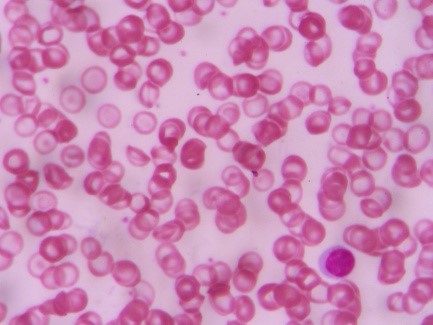
Sickle cell disease
Sickle cell disease (SCD) is a serious, inherited condition affecting the blood and various organs in the body. It affects the red blood cells, causing episodes of 'sickling', which produce episodes of pain and other symptoms. In between episodes of sickling, people with SCD are normally well. Long-term complications can occur. Good treatment, started early in life, can prevent complications. So, early diagnosis and specialist treatment are advised for SCD. Sickle cell trait is not the same as sickle cell disease.
by Dr Hayley Willacy, FRCGP
Related patient information and medicines
Patient information leaflet
Stem cell transplant
A stem cell transplant is where blood stem cells (the cells produced by the bone marrow to turn into different types of blood cells) are put back into your body when your bone marrow has been destroyed and cannot make stem cells itself. The bone marrow can be destroyed by diseases such as cancer, chemotherapy or radiotherapy. It is used to.

Patient information leaflet
Types of cancer
Find out more: [https://patient.info/health/cancer/types-of-cancer](https://patient.info/health/cancer/types-of-cancer) Follow Patient: Website: [https://patient.info/](https://patient.info/) Facebook: [https://www.facebook.com/patient](https://www.facebook.com/patient) Twitter: [https://twitter.com/patient](https://twitter.com/patient) Pinterest:.

Patient information leaflet
Cancer
Cancer is a disease of the cells in the body. There are many different types of cells in the body, and many different types of cancer which arise from different types of cells. What is cancer. Cancer occurs when cells become abnormal and multiply out of control. Different cells in the different parts of the body when multiplied cause different.

Patient information leaflet
Skin cancer types
This leaflet gives a general overview about skin cancer and the different skin cancer types - melanoma and non-melanoma. What is cancer. Cancer is a disease of the cells in the body. There are many different types of cell in the body, and there are many different types of cancer which arise from different types of cell. What all types of cancer.

Patient information leaflet
The immune system
This leaflet gives a brief overview of the immune system and how it works. A person with a weak immune system might have difficulty fighting off infections. In autoimmune diseases the body is unable to tell what is its own and what is foreign, so it attacks itself. Autoimmune diseases can attack any part of the body - eg, type 1 diabetes.

Patient information leaflet
Mastocytosis and mast cell disorders
A mast cell is a type of white blood cell. There are several forms of mastocytosis. In one, there are too many mast cells in the body: in another the number of mast cells is normal but they are too active. What are mast cells. Mast cells are a type of white blood cell - together, our white blood cells play a major role in our immune system,.
Further reading and references
- What is a cell?; MedlinePlus, National Library of Medicine.
Share your thoughts or experiences with others in our patient communities.
Simple access to trusted treatments and health services online.
Common conditions
Get help with common conditions through the NHS, without a GP appointment.





Sign up to the Patient newsletter
Your weekly dose of clear, trustworthy health advice - written to help you feel informed, confident and in control.
By subscribing you accept our Privacy Policy. You can unsubscribe at any time. We never sell your data.