What is epigenetics?
Meets Patient’s editorial guidelines
- DownloadDownload
- Share
- Language
- Discussion
- Ask Patient
- Audio Version
- Add to preferred sources on Google
Epigenetics is the study of how cells control gene activity without changing the DNA sequence."Epi-"means on or above in Greek,and "epigenetic" describes factors beyond the genetic code. Epigenetic changes are modifications to DNA that regulate whether genes are turned on or off. These modifications are attached to DNA and do not change the sequence of DNA building blocks. Within the complete set of DNA in a cell (genome), all of the modifications that regulate the activity (expression) of the genes is known as the epigenome.
Video picks for Understanding geneticsVideo library
Overview
Epigenetics is the study of how cells control gene activity without changing the DNA sequence."Epi-"means on or above in Greek,and "epigenetic" describes factors beyond the genetic code. Epigenetic changes are modifications to DNA that regulate whether genes are turned on or off. These modifications are attached to DNA and do not change the sequence of DNA building blocks. Within the complete set of DNA in a cell (genome), all of the modifications that regulate the activity (expression) of the genes is known as the epigenome.
Because epigenetic changes help determine whether genes are turned on or off, they influence the production of proteins in cells. This regulation helps ensure that each cell produces only proteins that are necessary for its function. For example, proteins that promote bone growth are not produced in muscle cells. Patterns of epigenetic modification vary among individuals, in different tissues within an individual, and even in different cells within a tissue. Environmental influences, such as a person’s diet and exposure to pollutants, can impact the epigenome. Epigenetic modifications can be maintained from cell to cell as cells divide and, in some cases, can be inherited through the generations.
A common type of epigenetic modification is called DNA methylation. DNA methylation involves the attachment of small chemical groups called methyl groups (each consisting of one carbon atom and three hydrogen atoms) to DNA building blocks. When methyl groups are present on a gene, that gene is turned off or silenced, and no protein is produced from that gene.
Another common epigenetic change is histone modification. Histones are structural proteins in the cell nucleus. DNA wraps around histones, giving chromosomes their shape. Histones can be modified by the addition or removal of chemical groups, such as methyl groups or acetyl groups (each consisting of two carbon, three hydrogen, and one oxygen atoms). The chemical groups influence how tightly the DNA is wrapped around histones, which affects whether a gene can be turned on or off.
Errors in the epigenetic process, such as modification of the wrong gene or failure to add a chemical group to a particular gene or histone, can lead to abnormal gene activity or inactivity. Altered gene activity, including that caused by epigenetic errors, is a common cause of genetic disorders. Conditions such as cancers, metabolic disorders, and degenerative disorders have been found to be related to epigenetic errors.
Scientists continue to explore the relationship between the genome and the chemical compounds that modify it. In particular, they are studying the effects that epigenetic modifications and errors have on gene function, protein production, and human health.
Patient picks for Understanding genetics
Children's health
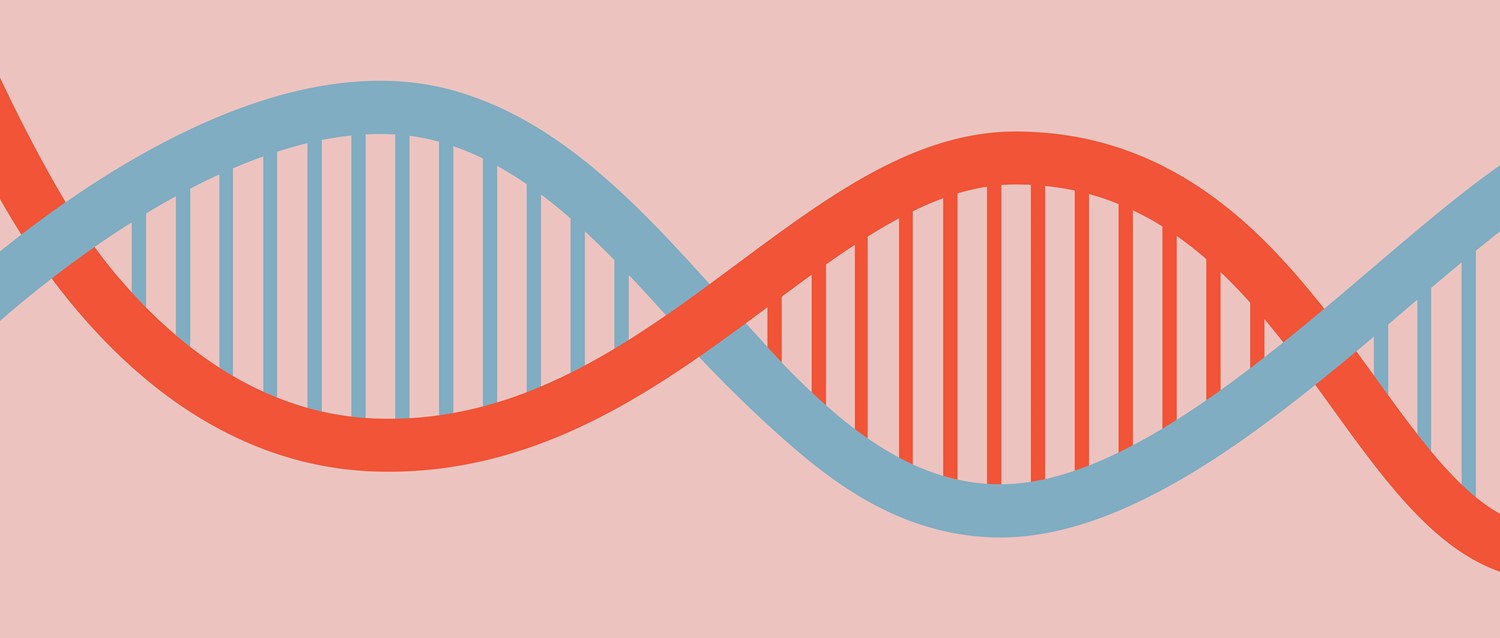
What is a genetic disorder?
It's estimated that one in 25 children in the UK are affected by a genetic disorder - that's around 30,000 babies and children being newly diagnosed each year. Ahead of Jeans for Genes Day on Friday 21st September, an expert reveals seven things you probably didn't know about genetic conditions.
by Natalie Healey

Podcasts
The Big O... Oh No!
Clare and Janet discuss orgasms - and what can help if it isn’t happening for you or your partner. Also the myths surrounding female orgasm. Do you really know what the clitoris looks like?!
by Thomas Andrew Porteus, MBCS

Diet and nutrition
What is the carnivore diet and is it healthy?
The carnivore diet is one of the fastest-growing dietary trends on social media. Far from your average high-protein low-carb diet, on the carnivore diet you eat meat, and meat alone. If this sounds questionable for your health and contrary to mainstream nutritional advice, that's because it is.
by Victoria Raw

Health research
What is a clinical trial?
We need clinical trials to understand how new treatments work on people. If successful, they may eventually be used in the real world by those who need them for a better quality of life. Find out all about how clinical trials work, along with personal insights from Alice - who has participated in around 50 trials over his life.
by Amberley Davis
Allergies, blood and immune system
What is blood?
Blood is made up of liquid (plasma) and various different types of cells. An average-sized man has about 5-6 litres of blood in his body; a woman has slightly less. Blood has many different functions - detailed below.
by Dr Jacqueline Payne, FRCGP

Diet and nutrition
What is the Whole30 diet?
Many physical and mental problems are linked to what you eat. Perhaps you're struggling with a lack of energy, poor sleep, digestive issues, or low mood - how do you work out if what you're eating is to blame? The Whole30 diet is a highly restrictive, 30-day elimination diet that claims to get you these answers. Celebrities like Busy Phillips and Emmy Rossum have described the Whole30 diet as intense but worthwhile. We sift through the hype and ask if Whole30 is grounded in evidence - or if it's just another fad.
by Amberley Davis
Related patient information and medicines
Patient information leaflet
Types of seizures
A seizure is a condition caused by a sudden burst of electrical activity in the brain. There are different types of seizures. Causes of seizures Seizures can have lots of different causes. They include: A genetic tendency to have seizures. This is probably the reason for seizures in in most people who have epilepsy; they have likely inherited a.

Patient information leaflet
Absence seizures
... How it is passed on is not clear but several members of an extended family may have this type of epilepsy. The parents of children with this type of epilepsy may wish to have genetic counselling to see if there is a chance of further children being affected. Diagnosing absence seizure epilepsy The most important part of making a diagnosis is.
Patient information leaflet
ADHD in adults
Attention deficit hyperactivity disorder (ADHD) causes problems with concentrating (inattention), and being too active and having difficulty staying focused (hyperactivity). The difficulties caused by ADHD vary from mild to severe. Although ADHD starts in childhood, the difficulties often persist into adulthood. Sometimes adults are diagnosed with.

Patient information leaflet
Loss of taste and smell
Taste and smell are often referred to as a pair because they are closely interlinked. The majority of what we think is our taste sensation is actually from our sense of smell. We don't think of ourselves as being particularly good at sniffing things out, especially when compared with other mammals such as dogs. But research has shown that smell.
Patient information leaflet
Leukaemia
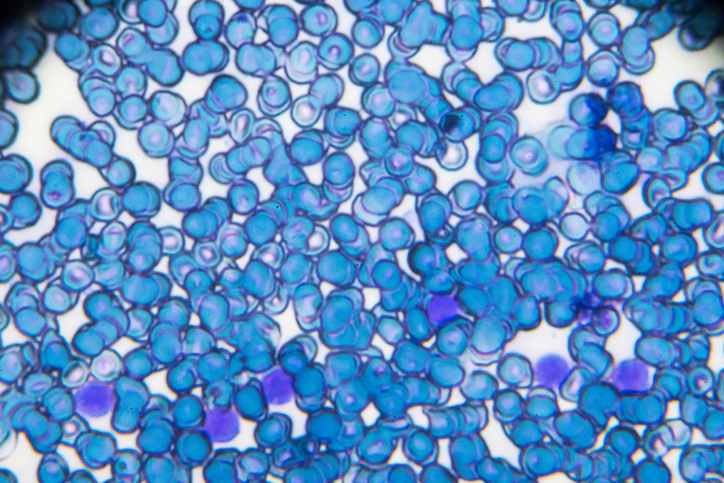
Leukaemia is a cancer of blood-forming cells. There are different types of leukaemia. If you develop leukaemia it is important to know what type it is. This is because the outlook (prognosis) and treatments vary for the different types. What is leukaemia. Leukaemia is a cancer of cells in the bone marrow (the cells which develop into white blood.
Patient information leaflet
Calcium pyrophosphate deposition
Calcium pyrophosphate is a substance produced in the cartilages of the joints. It can become deposited as crystals on joint tissues. This is called calcium pyrophosphate deposition. Calcium pyrophosphate deposition can cause a number of problems of which the most well known is pseudogout. This is almost identical to gout, causing attacks of pain.
Further reading and references
- What is epigenetics?; MedlinePlus, National Library of Medicine.
Share your thoughts or experiences with others in our patient communities.
Simple access to trusted treatments and health services online.
Common conditions
Get help with common conditions through the NHS, without a GP appointment.





Sign up to the Patient newsletter
Your weekly dose of clear, trustworthy health advice - written to help you feel informed, confident and in control.
By subscribing you accept our Privacy Policy. You can unsubscribe at any time. We never sell your data.