What is a genetic disorder?
Peer reviewed by Dr Sarah JarvisAuthored by Natalie HealeyOriginally published 13 Sept 2018
Meets Patient’s editorial guidelines
- DownloadDownload
- Share
- Language
- Discussion
- Ask Patient
- Audio Version
- Add to preferred sources on Google
It's estimated that one in 25 children in the UK are affected by a genetic disorder - that's around 30,000 babies and children being newly diagnosed each year. Ahead of Jeans for Genes Day on Friday 21st September, an expert reveals seven things you probably didn't know about genetic conditions.
Video picks for General childhood healthVideo library
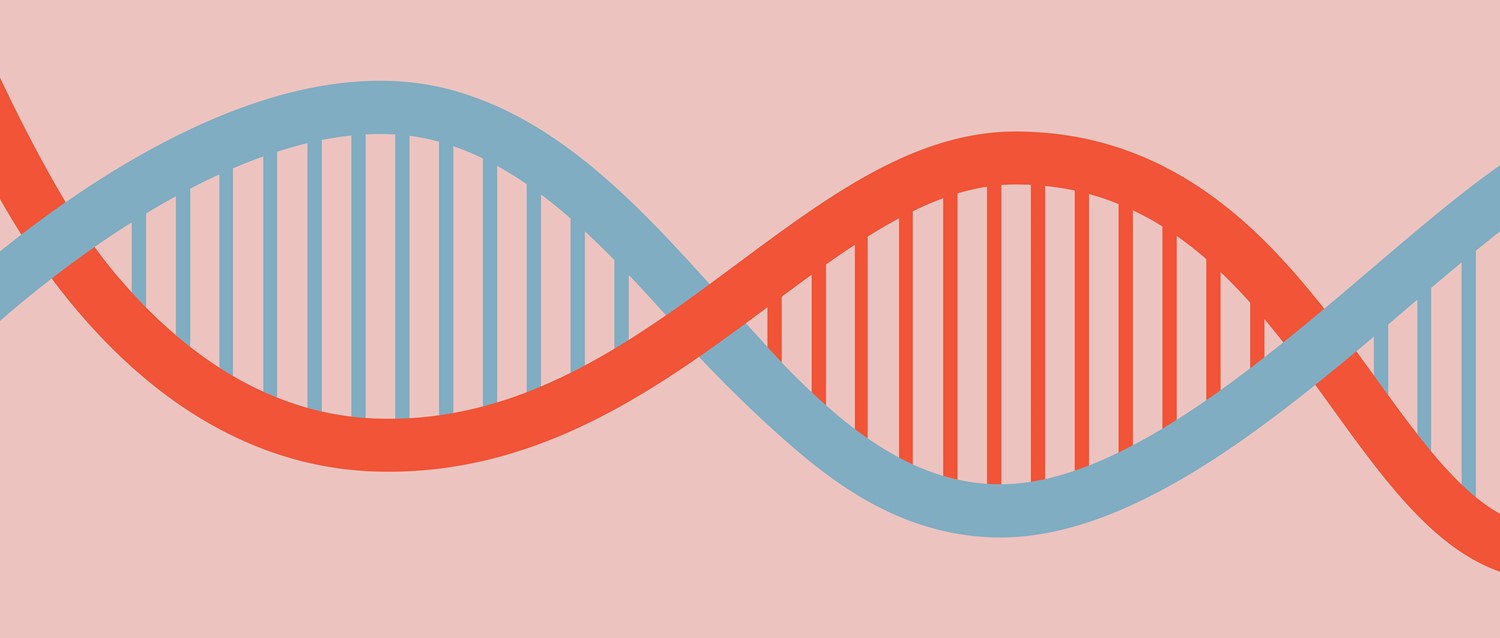
A genetic disorder is an illness caused by a change in a person's DNA. This is called a mutation.
"Some genetic disorders are apparent at birth while others are diagnosed at different stages throughout childhood, and sometimes into adulthood," explains Anna Whaite, genetic counsellor at Genetic Disorders UK.
Here she reveals the things she wishes everyone knew about genetic disorders:
Some are extremely rare
You've probably heard of conditions such as cystic fibrosis or Down's syndrome, but many other genetic disorders are extremely rare.
"Genetic disorders can affect people in different ways; some are life-changing, visible and sadly affect life expectancy. There are lots of genetic disorders that many may not have heard of such as the skin disorder epidermolysis bullosa, where skin can blister at the slightest touch; Treacher Collins syndrome which affects the development of bones and other tissues of the face; and the neurodegenerative condition Batten disease," reveals Whaite.
Once a genetic condition has been diagnosed, other family members may find out if they could also be affected or pass the condition on. The chance of a disease being passed on stays the same for each pregnancy; so for example, if a mother and father have a 1 in 4 chance of their child inheriting a genetic disorder, this chance will remain the same for each child they have, she adds.
They may be invisible
Some genetic disorders are obvious, causing changes in appearance, growth and movement. But others cause symptoms that are not possible to see from the outside. They may affect internal organs, thinking processes or metabolism.
"Having an 'invisible' genetic disorder can be just as challenging as having one that is easy to recognise," Whaite points out.
There can be a gender divide
Some genetic disorders affect men and women differently. This is because certain conditions arise due to a mutation within the sex chromosomes. These are XX in women and XY in men.
If a disease arises due to a change on the X chromosome, a man could develop symptoms but a woman might only have mild symptoms or none at all. This is because the woman has another, unaffected X chromosome which would compensate for the other's genetic change.
A good example of this is Duchenne muscular dystrophy which mainly affects men. Women who are carriers for the disease are unlikely to have symptoms, or if they do, they tend to be much less severe than for men with the condition.
Not all genetic conditions are inherited
It's a myth that all genetic conditions are hereditary, reveals Whaite. Some genetic diseases can arise for seemingly no reason at all after an egg has been fertilised by sperm.
"Some occur due to a new spontaneous change in the DNA sequence of a gene which can happen around conception and is called a 'de novo' mutation. This is not because of anything anyone has done or not done."
Some can be detected before birth
While many genetic disorders are caused by changes in single genes, there are others that are due to changes to chromosomes, the structures that carry the genes.
"For example, Down's syndrome is caused by having an extra copy of chromosome 21, instead of the usual two. Other chromosome changes can mean that parts of a chromosome are deleted or duplicated, or sometimes swapped around. This can have a big effect on development and can sometimes be detected on scans during a pregnancy," says Whaite.
Treatment may be available
Once a genetic disorder has been identified, while it cannot be cured, there may be treatments and interventions available that can help to manage the symptoms. There is also a huge amount of research ongoing to improve treatments and develop new therapies for the future. Support is also available for children and families through support groups and charities such as Jeans for Genes.
"Genetic technology has advanced significantly in recent years, but we still do not know the genetic cause of every genetic condition. Across the world more is being discovered about genes almost every day," says Whaite.
A genetic disorder doesn't define you
It's important to remember that having a genetic disorder does not define a person. They will still have their own unique personality, interests and skills. The diagnosis may bring extra challenges to their life but don't underestimate them or make presumptions about what they can do physically or mentally.
"Remember that medical and scientific research may change what is possible in the future, and don't forget to wear yourJeans for Genes this year on Friday 21st September!" adds Whaite.
Patient picks for General childhood health

Children's health
Glycogen storage disorders
Glycogen storage disorders are a group of inherited diseases. They result from a problem with one of the proteins (known as enzymes) involved in the conversion of glucose to glycogen, or the breakdown of glycogen back into glucose. They mostly tend to affect your liver and muscles. Most are diagnosed in childhood. Symptoms include weakness, tiredness and low blood sugar levels. Newer treatment possibilities provide hope for an improved outlook (prognosis). Most people with a glycogen storage disorder respond well to treatment. However, type II (infantile Pompe's disease) can be difficult to treat and can affect life expectancy.
by Dr Roger Henderson, MBBS
Heart health and blood vessels
Is cardiomyopathy genetically inherited?
Around one in 250 people are affected by cardiomyopathy, a group of conditions that affect the structure of the heart. Cardiomyopathy can be caused by other heart and circulatory conditions, but some cardiomyopathies can also be inherited.
by Lydia Smith
Children's health
Dyspraxia
Developmental co-ordination disorder (DCD), also known as dyspraxia, is a common condition which mainly affects motor co-ordination - the way the body organises and carries out movement-related tasks. It can also affect other activities, including speech. Dyspraxia occurs in children and adults. Dyspraxia means poor co-ordination, but the term 'dyspraxia' is widely used to describe developmental dyspraxia in children. Health professionals now call this development co-ordination disorder, to distinguish it from similar problems (also called dyspraxia) caused by other medical conditions - for example, movement problems after head injury or stroke. However, in this leaflet we will use the commonly used term 'dyspraxia' to refer to childhood DCD. Additionally, dyspraxia in children is sometimes referred to by health professionals as 'specific developmental disorder of motor function' (SDDMF).
by Dr Toni Hazell, FRCGP
Allergies, blood and immune system
What is blood?
Blood is made up of liquid (plasma) and various different types of cells. An average-sized man has about 5-6 litres of blood in his body; a woman has slightly less. Blood has many different functions - detailed below.
by Dr Jacqueline Payne, FRCGP
Allergies, blood and immune system
Mastocytosis and mast cell disorders
A mast cell is a type of white blood cell. There are several forms of mastocytosis. In one, there are too many mast cells in the body: in another the number of mast cells is normal but they are too active.
by Dr Laurence Knott

Bones, joints and muscles
Hypermobility spectrum disorders
Hypermobility spectrum disorders include all people with what used to be called joint hypermobility syndrome, and before that benign joint hypermobility syndrome. Anyone who has symptoms as a result of having hypermobile joints, but who does not have all the features of Ehlers-Danlos syndrome, has a hypermobility spectrum disorder. These problems mainly affect children and young adolescents with extra-flexible (hypermobile) joints who develop pain on exercise, which persists when they rest. These conditions can have a major impact on school and sporting life. Whilst they do not usually cause long-term harm, they can be associated with injuries and can sometimes persist into adulthood. Treatment is aimed at increasing muscle strength and joint resilience without causing injury.
by Dr Colin Tidy, MRCGP
About the authorView full bio
Authored by

Natalie Healey
Freelance journalist
BSc (Hons) Biomedical Science
She is a London-based health journalist who has been writing about science and medicine for several years. She is the former head of editorial at Patient.
About the reviewerView full bio

Dr Sarah Jarvis
Clinical Consultant
MA (Cantab), BM, BCh (Oxon), DRCOG, FRCGP, MBE
After training in medicine at Cambridge and Oxford, Dr Sarah Jarvis MBE became a GP.
Article history
Article also available in English, German, Spanish, French, Italian, Portuguese, Hindi, Hebrew, Arabic, and Swedish.
13 Sept 2018 | Originally published
Authored by:
Natalie HealeyPeer reviewed by
Dr Sarah Jarvis
Share your thoughts or experiences with others in our patient communities.
Sign up to the Patient newsletter
Your weekly dose of clear, trustworthy health advice - written to help you feel informed, confident and in control.
By subscribing you accept our Privacy Policy. You can unsubscribe at any time. We never sell your data.