Why are some genetic conditions more common in particular ethnic groups?
Meets Patient’s editorial guidelines
- DownloadDownload
- Share
- Language
- Discussion
- Ask Patient
- Audio Version
- Add to preferred sources on Google
Some genetic disorders are more likely to occur among people who trace their ancestry to a particular geographic area. People in an ethnic group often share certain versions of their genes, which have been passed down from common ancestors. If one of these shared genes contains a disease-causing variant (also known as a mutation), a particular genetic disorder may be more frequently seen in the group.
Video picks for Understanding geneticsVideo library
Overview
Some genetic disorders are more likely to occur among people who trace their ancestry to a particular geographic area. People in an ethnic group often share certain versions of their genes, which have been passed down from common ancestors. If one of these shared genes contains a disease-causing variant (also known as a mutation), a particular genetic disorder may be more frequently seen in the group.
Examples of genetic conditions that are more common in particular ethnic groups are sickle cell disease, which is more common in people of African, African American, or Mediterranean heritage; and Tay-Sachs disease, which is more likely to occur among people of Ashkenazi (eastern and central European) Jewish or French Canadian ancestry. It is important to note, however, that these disorders can occur in any ethnic group.
Patient picks for Understanding genetics

COVID-19
Why are Black and Asian people at greater risk from COVID-19?
A new national review found that Black and Asian people are more likely than white people to die from COVID-19. To save lives, doctors and patients need specific advice to understand how and why the virus is impacting people of different ethnicities in different ways.
by Ellie Broughton

Hormones
Insulin resistance: the common thread linking metabolic conditions
You may have come across the term “insulin resistance” - particularly if you’ve been having conversations about weight and metabolic health - but be a little unclear about what it actually is. Whilst it’s easy to think insulin resistance just means reduced glucose control, it’s actually far more complex than that. Dr Nienke Lees, Women's Health Service Lead, Genwell UK, explains what it means and how it connects conditions including type 2 diabetes, fatty liver disease, cardiovascular disease, and PCOS.
by Dr Nienke Lees

Cancer
Why are Black men more likely to die from prostate cancer?
Each year, about 52,000 men are diagnosed with prostate cancer in the UK. However, Black men are at higher risk of prostate cancer than other men. 1 in 4 Black men will get prostate cancer in their lifetime. This is double the 1 in 8 risk of other men.
by Emily Jane Bashforth

Healthy living
Why do some people regain weight after losing it?
For decades, people living with overweight and obesity have been unfairly labelled lazy or greedy, with weight loss framed as a simple matter of eating less and moving more. But the biology behind body weight is far more complex. Dr Caroline Butler, Chief Clinical Offer at Genwell UK, explores why weight gain and regain aren't personal failings, and how the systems that regulate your weight are linked to wider metabolic health.
by Dr Caroline Butler

Infections
Why do some people get worse colds than others?
What is a 'common cold', why do some people seem to be more susceptible than others, and what practical steps can you take to protect yourself against infection this winter? We ask a cold expert and a paediatrician for their advice.
by Julian Turner

Cancer
What are the common myths and facts about cervical screening?
Cervical screening is an essential way to reduce the risk of cervical cancer, but research shows many women and people with cervixes are delaying or not attending their screenings. Feeling embarrassed is a common obstacle, as is misinformation about what smear tests involve. So what are the common myths surrounding cervical screening - and what are the facts?
by Lydia Smith
Related patient information and medicines

Patient information leaflet
Albinism
Albinism is a rare inherited (genetic) condition which reduces the amount of of melanin pigment in the skin, hair and/or eyes. Approximately 1 in 17,000 people in Europe and the USA have one of the... Albinism can affect all races and also affects other species, such as mice. They look different from their families, friends and other members of.

Patient information leaflet
Huntington's disease
Huntington's disease is a genetically inherited condition that causes parts of the brain and nervous system to stop working properly over time. Huntington's disease is a genetically inherited condition that gradually damages brain function. Huntington's disease affects between 11 - 14 people per 100,000 in the UK, the rest of Europe and North.

Patient information leaflet
Congenital adrenal hyperplasia
Congenital adrenal hyperplasia is an inherited (genetic) condition causing swelling of the adrenal glands. Congenital adrenal hyperplasia (CAH) is a condition affecting the level of cortisol, a hormone produced by the adrenal gland. It affects about 1 in 1,000 white people. It is more common in certain ethnic groups such as Ashkenazi Jewish people.
Patient information leaflet
Sickle cell disease
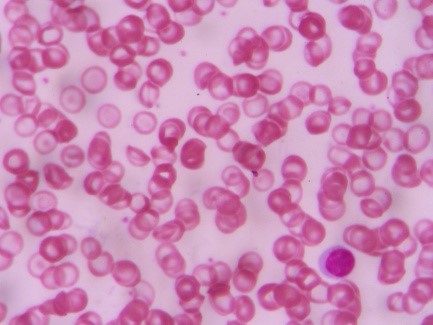
Sickle cell disease (SCD) is a serious, inherited condition affecting the blood and various organs in the body. Sickle cell disease Sickle cell disease (SCD) is a serious group of conditions which are inherited (genetic). In the UK, about 12,500 people have SCD. It is more common in people whose family origins are African, African-Caribbean or.

Patient information leaflet
Sickle cell trait
If you inherit a gene from one of your parents, called a sickle cell gene, you have a condition called sickle cell trait. If you inherit a sickle cell gene from both parents, you get a double dose of the sickle cel... ServiceUpsellPlaceholder Who gets sickle cell trait. Anyone can have sickle cell trait but it is most common in people whose family.

Patient information leaflet
Marfan syndrome
Marfan syndrome (named after Dr Antoine Marfan, the French doctor who first described it in 1896) is a genetic disorder which people are born with and which lasts lifelong. Marfan syndrome can affect the connective tissue in different parts of your body, including your heart, blood vessels, eyes and skeleton. Marfan syndrome is rare and is thought.
Further reading and references
- Why are some genetic conditions more common in particular ethnic groups?; MedlinePlus, National Library of Medicine.
Share your thoughts or experiences with others in our patient communities.
Simple access to trusted treatments and health services online.
Common conditions
Get help with common conditions through the NHS, without a GP appointment.





Sign up to the Patient newsletter
Your weekly dose of clear, trustworthy health advice - written to help you feel informed, confident and in control.
By subscribing you accept our Privacy Policy. You can unsubscribe at any time. We never sell your data.