What is the cost of genetic testing, and how long does it take to get the results?
Meets Patient’s editorial guidelines
- DownloadDownload
- Share
- Language
- Discussion
- Ask Patient
- Audio Version
- Add to preferred sources on Google
The cost of genetic testing can range from under $100 to more than $2,000, depending on the nature and complexity of the test. The cost increases if more than one test is necessary or if multiple family members must be tested to obtain a meaningful result. For newborn screening, costs vary by state. Some states cover part of the total cost, but most charge a fee of $30 to $150 per infant.
Video picks for Understanding geneticsVideo library
Overview
The cost of genetic testing can range from under $100 to more than $2,000, depending on the nature and complexity of the test. The cost increases if more than one test is necessary or if multiple family members must be tested to obtain a meaningful result. For newborn screening, costs vary by state. Some states cover part of the total cost, but most charge a fee of $30 to $150 per infant.
From the date that a sample is taken, it may take a few days to weeks to receive the test results. Results for prenatal testing are usually available more quickly because time is an important consideration in making decisions about a pregnancy. The doctor or genetic counselor who orders a particular test can provide specific information about the cost and time frame associated with that test.
Patient picks for Understanding genetics

Eye health
Hypermetropia
The medical name for long-sightedness is hypermetropia, sometimes called hyperopia. Eyesight problems, such as hypermetropia, are also known as refractive errors. Long-sightedness leads to problems with near vision (seeing things that are close up) and the eyes may commonly become tired. Distance vision (long sight) is, in the beginning, good. Long sight can be corrected by glasses, contact lenses, or laser eye surgery.
by Dr Colin Tidy, MRCGP
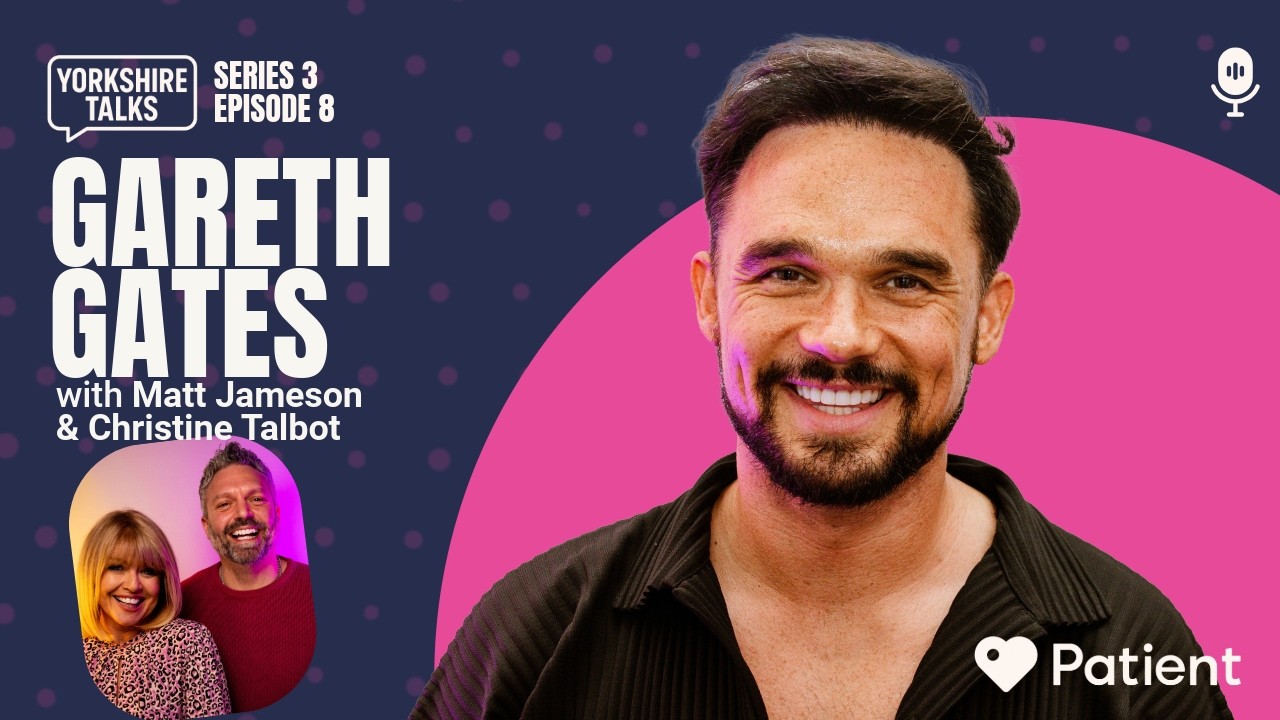
Yorkshire talks series 3
Gareth Gates: "I believed I was defective — my stammer was my superpower" | Yorkshire Talks
In our final episode of Series Three, our Yorkshire Talks guest is former Pop Idol star, producer and performer Gareth Gates. Bradford lad Gareth was first interviewed by Christine for a YTV talent show for young people nearly 30 years ago — so this episode was a bit of a reunion. Now all grown up, Gareth joins Matt and Christine to talk openly and honestly about his journey: from being bullied at school and living with a debilitating stammer, to reaching the final of the very first Pop Idol and having his whole life changed overnight. Gareth explains how taking part in the McGuire Programme has helped him manage his stammer, and how his experiences have shaped the work he does today. He also chats about his role in Boyband in the Buff, currently touring, his journey into becoming a music producer and entrepreneur, and his exciting new project — Speechless, a musical about stammering, due to hit the stage next year. Now a dad himself, with a daughter the same age he was when he first found fame, Gareth reflects on the last few decades with warmth, honesty and plenty of Yorkshire humour. 🎙️ It's a fascinating, funny and incredibly inspiring conversation — one you won't want to miss. If you enjoy the episode, don't forget to LIKE, SUBSCRIBE and leave us a comment. Follow Gareth: 📸 Instagram: @gareth_gates See Gareth on tour: 🎭 Boyband in the Buff is currently on tour. Find tour dates here: [paste official tour dates link] See Gareth in Beauty and the Beast: ✨ Gareth stars as the Beast in Beauty and the Beast at the Britannia Pier, Great Yarmouth, 8–31 December: britannia-pier.co.uk Follow the hosts: Matt Jameson: @matt_d_jameson Christine Talbot: @christineetalbot Yorkshire Talks is presented by Christine Talbot and Matt Jameson, and produced by Simon Fogal at Chapter 81 Studios in Leeds. Proudly sponsored by Patient.info.

General health and lifestyle
Ideas, Concerns and Expectations - a guide to filling in your GP’s online form
Booking a GP appointment has changed. Instead of waiting on the phone line at 8am, many people now complete an online consultation form through their practice website. At first glance, it may feel like another bureaucratic hurdle. But in fact, these forms are designed to help you, and your GP team, get to the heart of your problem more quickly. The way you fill them in makes a real difference. When you provide clear, thoughtful information, it not only helps the practice decide whether something is urgent, but also ensures you are directed to the right person in the wider primary care team. That might be your GP - but it could just as easily be a nurse, a pharmacist, a physiotherapist, or another professional who can meet your needs sooner. One of the simplest tools to guide you is known as Ideas, Concerns and Expectations, or ICE.
by Thomas Andrew Porteus, MBCS
COVID-19
Long COVID: what it is and how to cope
Following the COVID-19 pandemic, some people continue to have symptoms long after recovering from the initial infection. This condition is commonly known as long COVID. It can last for months or even years, and affect your quality of life. While there is currently no cure for long COVID, we look at some practical ways to help manage its symptoms and improve your daily wellbeing.
by Victoria Raw

Yorkshire talks series 3
Matthew Haywood: BBC Survivor Winner on Strategy & Men's Mental Health | Yorkshire Talks
This week on Yorkshire Talks, Christine and Matt are joined by Matthew Haywood, winner of the BBC's Survivor. At just 21 years old, Matthew travelled halfway around the world, lived on a remote beach, battled the elements, built crucial alliances and outplayed every other contestant to become the sole survivor — walking away with the £100,000 prize. In this episode, we talk about: • What it was really like competing on Survivor. • The strategy behind winning without creating unnecessary drama. • Life after the show, and building a successful outdoor adventure platform on social media. • Why he's passionate about supporting young men's mental health. • The lessons resilience, teamwork and adversity have taught him. • His love of football and family, and his lovely bond with his late gran — watch out for his emotional special item at the end. Whether you're a fan of Survivor, love stories of resilience and adventure, or are interested in honest conversations about mental health, this is an episode you won't want to miss. Watch now — and don't forget to LIKE, SUBSCRIBE and share if you enjoy the conversation. Follow: Matthew Haywood on TikTok: @matthewhaywoodx Matthew Haywood on Instagram: @matthewhaywoodx Matt Jameson: @matt_d_jameson Christine Talbot: @christineetalbot Yorkshire Talks is proudly sponsored by Patient.info and produced by @chapter_81 #YorkshireTalks #MatthewHaywood #BBCSurvivor #Survivor #MensMentalHealth #Resilience #Adventure #InspirationalStories #Podcast
Bones, joints and muscles
Scoliosis and kyphosis
Scoliosis is a back condition that causes the (back) spine to curve to the side - either left or right. Most cases develop in children between the ages of 9 and 14 years during the growth spurt of puberty. Scoliosis is usually mild and needs no treatment. For more severe cases treatments include specific exercises, a back brace or occasionally surgery to straighten the spine. A very pronounced front-to-back curve is called a kyphosis, which does not usually need treatment.
by Dr Colin Tidy, MRCGP
Related patient information and medicines

Patient information leaflet
Genetic testing
Genetic testing is a type of medical test that identifies changes in chromosomes, genes or proteins. Genetic tests examine a person's DNA in a variety of ways to assess a person's genetic health. Genes are short sections of DNA and each chromosome contains hundreds to thousands of genes. Proteins form the structure of our bodies and play an.
Patient information leaflet
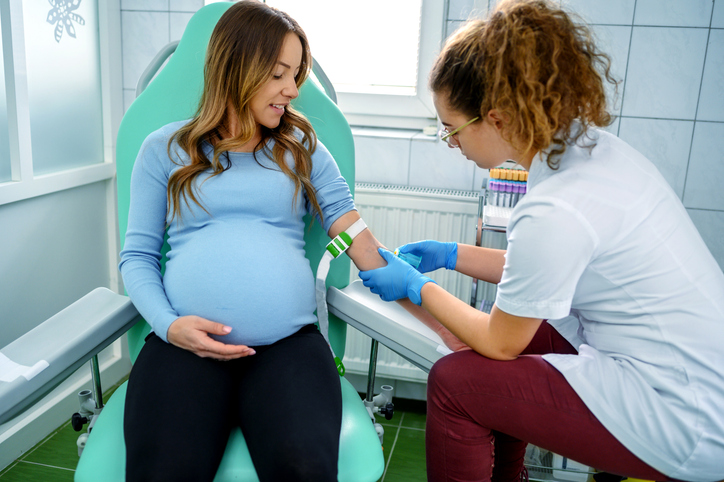
Pregnancy screening tests
This leaflet discusses the routine pregnancy screening tests (antenatal checks) that should be offered to all pregnant women in the UK. These are screening and diagnostic checks that are done to find out if your baby has a health problem before they are born. A pregnancy screening test (also known as an antenatal check), aims to detect a disease.

Patient information leaflet
Newborn bloodspot test
Mothers of all newborn babies are offered testing for certain rare but serious health conditions by testing blood taken from the baby's heel. This is the blood spot screening programme and it is also known as the heel prick test. How is the blood test done. This is usually done by a health professional (usually a midwife or health visitor) during.
Patient information leaflet
Sickle cell trait
With sickle cell trait , you have only small amounts of alt... With sickle cell disease , there is more altered haemoglobin and the red blood cells easily change into sickle shape, which causes various problems. These are described in more detail in our separate leaflet called Sickle Cell Disease. Sickle cell blood test Sickle cell trait is.
Patient information leaflet
Hypermetropia
... Long-sighted people may have difficulty with depth perception (3-dimensional vision), as this needs two eyes to work together, more or less equally. The causes of hypermetropia (long sight) are usually hereditary (genetic). Long sight can occur at any age but it tends to become more noticeable above the age of 40 years. In rare cases, long.
Patient information leaflet
Sweat test
As part of a screening programme. Rarely, a sweat test may be carried out for other reasons. ServiceUpsellPlaceholder How does a sweat test work. Cystic fibrosis is a genetic disorder. This means that you are born with it and it is passed on through families through special codes inside cells called genes. If you have cystic fibrosis, a particular.
Further reading and references
- What is the cost of genetic testing, and how long does it take to get the results?; MedlinePlus, National Library of Medicine.
Share your thoughts or experiences with others in our patient communities.
Simple access to trusted treatments and health services online.
Common conditions
Get help with common conditions through the NHS, without a GP appointment.





Sign up to the Patient newsletter
Your weekly dose of clear, trustworthy health advice - written to help you feel informed, confident and in control.
By subscribing you accept our Privacy Policy. You can unsubscribe at any time. We never sell your data.