
Can I give my child antihistamines?
Drug interaction guide
Originally published 30 Apr 2026
Meets Patient’s editorial guidelines
- DownloadDownload
- Share
- Language
- Discussion
- Ask Patient
- Audio Version
- Add to preferred sources on Google
Antihistamines can affect children differently than adults. While they usually cause sleepiness, they can sometimes cause 'paradoxical excitation,' making a child hyperactive, shaky, or unable to sleep. In very young children (under 6), some older antihistamines can cause serious breathing problems or severe drowsiness.
Video picks for Drug interactionsVideo library
Why this happens
Children's brains and bodies are still developing. Their metabolism processes drugs at different speeds, and their central nervous system is more sensitive to the effects of these medicines, which can lead to unpredictable reactions.
What you should do
Always check the packaging or speak to a pharmacist to ensure the medicine is age-appropriate. For children under 6, do not give over-the-counter antihistamines for coughs and colds without a doctor's advice. Stick strictly to the recommended dose for the child's age and weight, and never use two different antihistamines at the same time (such as a hay fever syrup and an itch cream).
Important precautions
Children under 2 years old
Sedating antihistamines must not be given to children under 2 years old as they can cause life-threatening breathing difficulties (respiratory depression).
Drowsiness and hyperactivity
While these medicines usually cause drowsiness, they can sometimes cause 'paradoxical excitation' in children, making them unusually hyperactive, agitated, or unable to sleep.
Food and drink warnings
Fruit Juices (Grapefruit, Orange, Apple)
Do not drink grapefruit, orange, or apple juice while taking fexofenadine. These juices can significantly reduce the amount of medicine absorbed by your body, making it less effective at treating your symptoms. Wait at least 2 hours after taking the medicine before drinking these juices.
More about Fexofenadine (Allegra/Telfast)
High-fat meals
Taking fexofenadine with a meal that is very high in fat can reduce how much of the medicine your body absorbs. It is best to take this medicine on an empty stomach or with a light snack.
Using other medicines
Taking multiple medicines? Our Medicines Interaction Checker helps you check whether your prescriptions, over-the-counter medicines, and supplements are safe to take together. Simply search for your medicines to see potential interactions and what to do about them.
Patient picks for Drug interactions

Allergies, blood and immune system
What works best for treating hay fever in children?
Runny noses and itchy eyes are incredibly annoying; combined with a nasty cough or wheeze, hay fever can make for pretty miserable children. So, what causes the condition and how can parents help their little ones cope?
by Kerry Taylor-Smith
Children's health
Coughs and colds in children
Coughs and colds are usually caused by infection with a germ called a virus. They normally clear away on their own. Antibiotic medicines don't help, and can cause harms, such as diarrhoea and vomiting. Paracetamol or ibuprofen may ease some of the symptoms. Make sure the child has enough to drink.
by Dr Doug McKechnie, MRCGP

Chest and lungs
How to look after your child's asthma this summer
School's out for the summer and children across the UK are rejoicing. But if your child has asthma, it's important to keep up their prevention routine during the break. We ask an expert for their top tips for a safer summer.
by Natalie Healey
Children's health
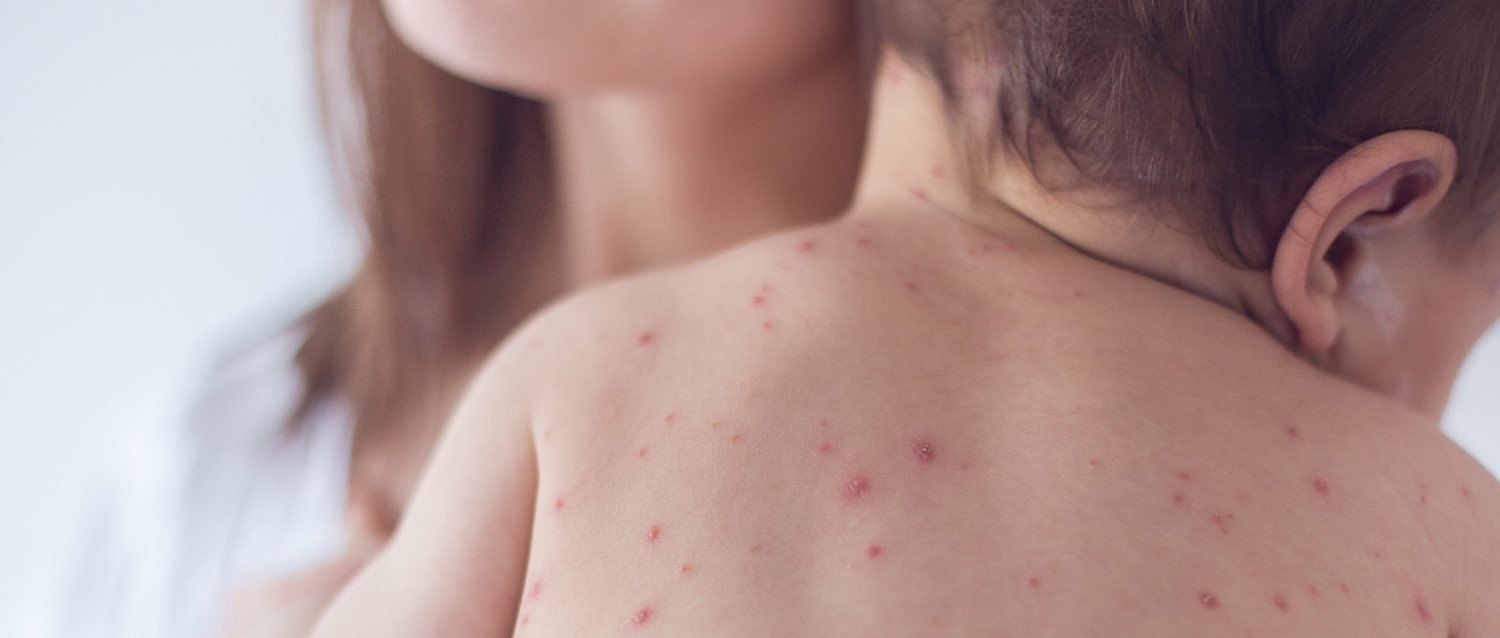
Chickenpox in children
Chickenpox causes spots (a rash) and can make a child feel generally unwell. Treatment aims to ease symptoms until the illness goes. Full recovery is usual in children aged under 12 years. Serious complications are rare but are more likely to occur in children with a poor immune system, such as those on chemotherapy.
by Dr Colin Tidy, MRCGP

Drug interactions checker
Can I take antihistamines while pregnant?
While many antihistamines are considered safe, some older types or high doses may affect the baby, and certain versions contain decongestants that must be avoided. Taking any medication during pregnancy requires a balance between your comfort and the baby's development.
Children's health
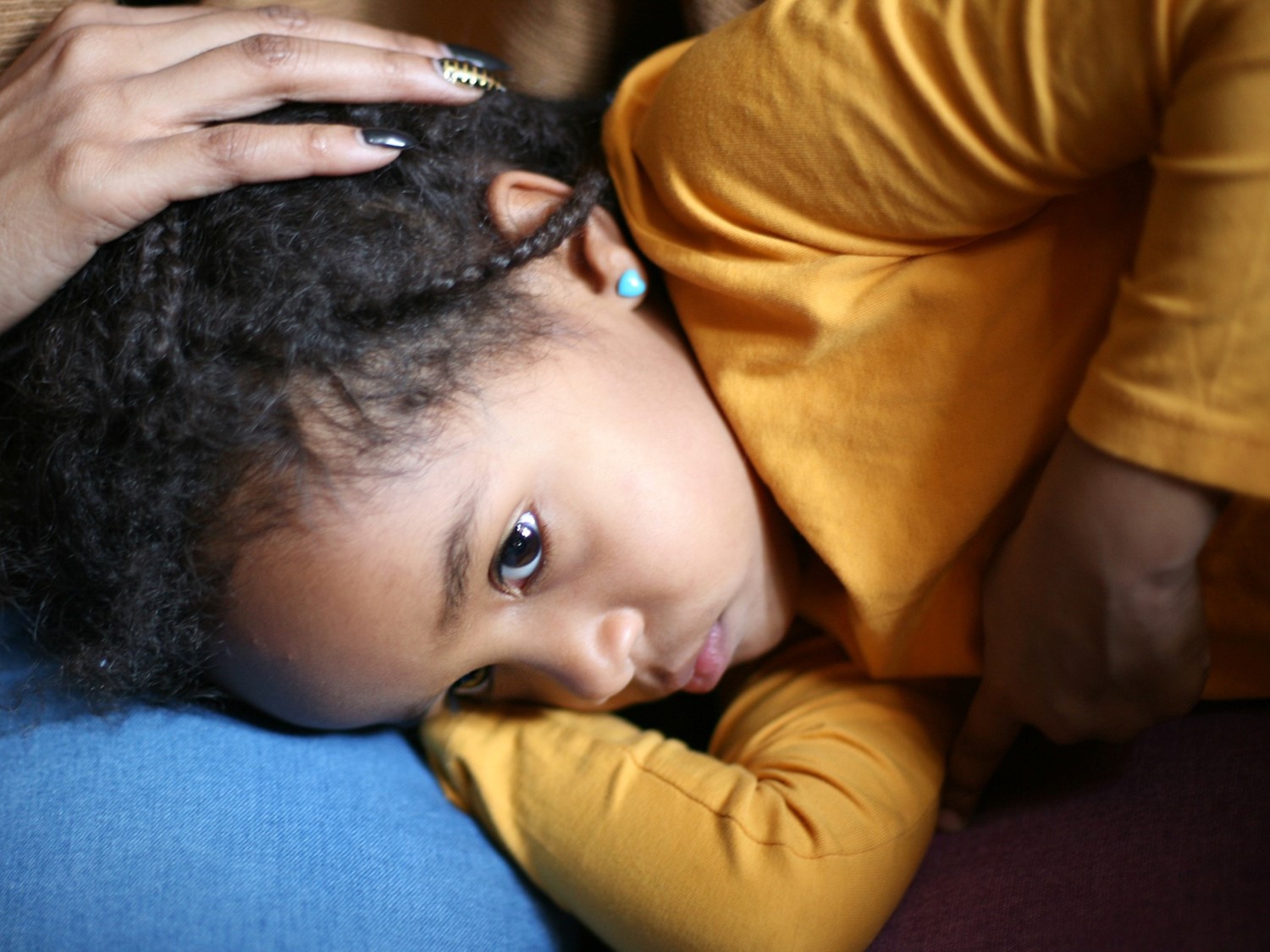
Fever treatment for children: a doctor's advice
We are in the season of snotty noses, coughs and a seemingly endless period of infections in children - all causing fever. So, when do you worry and how do you manage this at home?
by Dr Krishna Vakharia, MRCGP
Share your thoughts or experiences with others in our patient communities.
Simple access to trusted treatments and health services online.
Common conditions
Get help with common conditions through the NHS, without a GP appointment.





Sign up to the Patient newsletter
Your weekly dose of clear, trustworthy health advice - written to help you feel informed, confident and in control.
By subscribing you accept our Privacy Policy. You can unsubscribe at any time. We never sell your data.