Episode 8 - Golden Movement Rule by Nick
Published 26 Nov 2026Watch time: 1 min 14 sec
Meets Patient’s editorial guidelines
Watch this video
Nick explains the golden rule of taking movement breaks during our working day and how these can positively impact our health.
 Episode 11 - Standing by Nick2 min 54 sec
 Episode 10 - Benefits of Moving from Static Postures by Nick2 min 39 sec
 Episode 9 - Change is as Good as a Rest by Nick2 min 26 sec
 Episode 7 - Monitors by Nick4 min 44 sec
 Episode 6 - Phones by Nick1 min 33 sec
 Episode 5 - Work Station Fixes by Nick4 min 31 sec
Video details

Brain and nerves
Parkinson's disease
The main symptoms of Parkinson's disease are usually stiffness, shaking (tremor), and slowness of movement. People with Parkinson's may also develop other symptoms (listed below). Symptoms typically become gradually worse over time. Treatment often provides good relief of symptoms for several years.
by Dr Colin Tidy, MRCGP

COVID-19
COVID-19 coronavirus: what can I do under the new rules?
In an unprecedented effort to contain the coronavirus outbreak which has caused tens of thousands of deaths globally, the UK Government has tightened social distancing measures on the population. But what do these restrictions mean and what realistic impact will they have?
by Milly Evans

Healthy living
Exercise snacking - how small bursts of movement can boost your mindset
As schedules expand and attention spans decrease, it’s no wonder fitting a 60‑minute workout into your day feels increasingly unrealistic and outdated. Enter exercise snacking - a way of exercising that breaks movement into short, manageable bursts. We speak to a psychotherapist about how taking the pressure off could help you make movement a regular part of your day.
by Claire Kenny
Brain and nerves
Restless legs syndrome
Restless legs syndrome causes uncomfortable feelings in your legs. As a result, you have an urge to move your legs which gives temporary relief. Symptoms come on when resting and are worse at the end of the day. No treatment may be needed if symptoms are mild. Medication can ease symptoms if the condition is distressing.
by Dr Toni Hazell, FRCGP
Podcasts
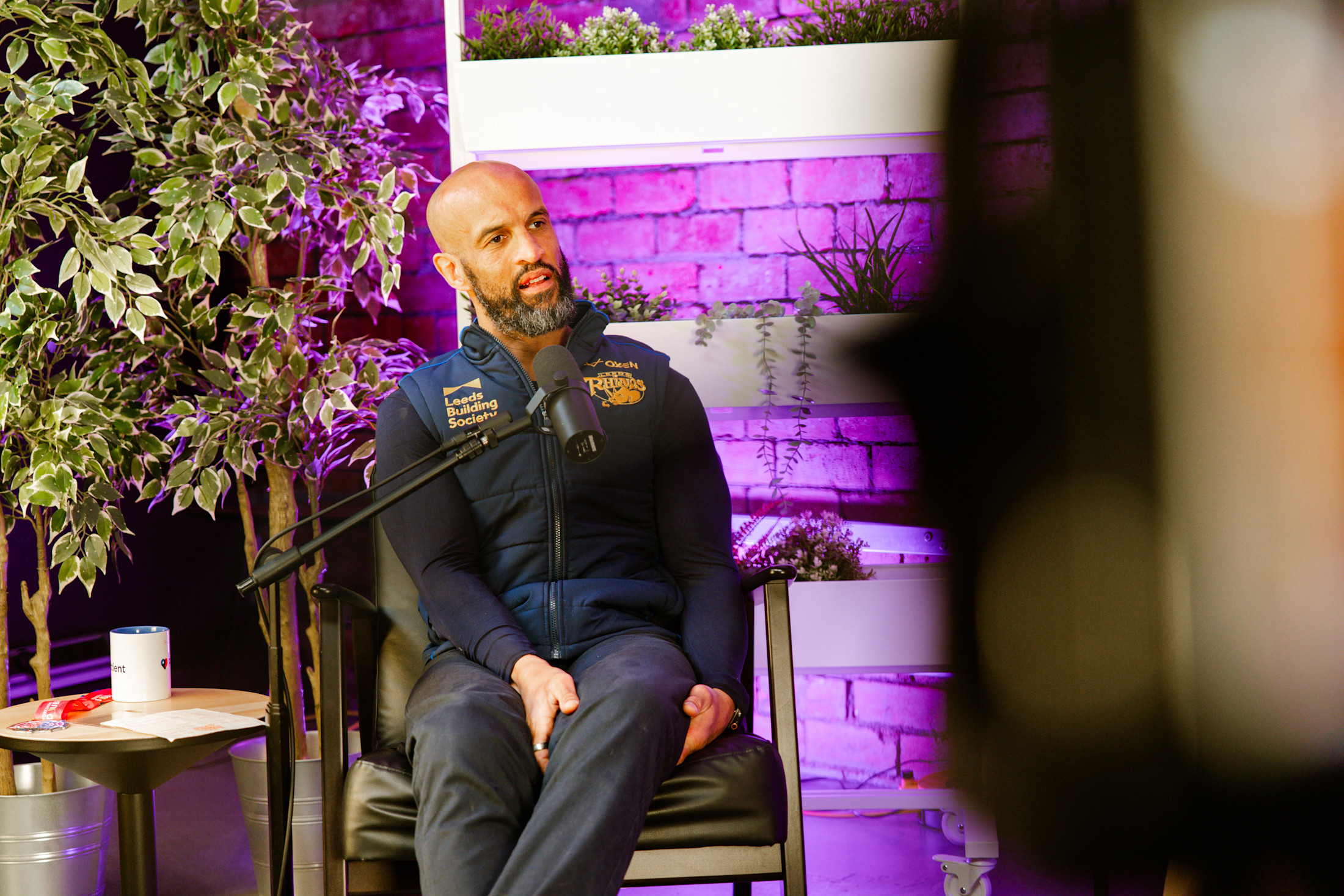
Jamie Jones-Buchanan MBE: Resilience & the Leeds Rhinos Golden Generation
Jamie dedicated his entire playing career to his beloved Leeds Rhinos, becoming one of the defining figures of the club's most successful era. As part of the famous "Golden Generation" alongside the late Rob Burrow, Kevin Sinfield and so many other greats, Jamie helped the Rhinos win seven Super League Grand Finals, three World Club Challenges and a Challenge Cup, while also representing both England and Great Britain. His contribution to rugby league was recognised with an MBE.
by Matt Jameson & Christine Talbot

Brain and nerves
The best ways to relieve restless legs syndrome
We all get a bit restless sometimes. So it's easy to assume that having restless legs syndrome (RLS) - where sufferers find themselves with an urge to move their legs, usually at night - isn't a particularly troubling or serious condition. However, RLS can be extremely distressing and may significantly affect the daily life of sufferers.
by Gillian Harvey
Share your thoughts or experiences with others in our patient communities.