Posture and Alignment Awareness
Published 26 Nov 2026Watch time: 30 sec
Meets Patient’s editorial guidelines
Watch this video
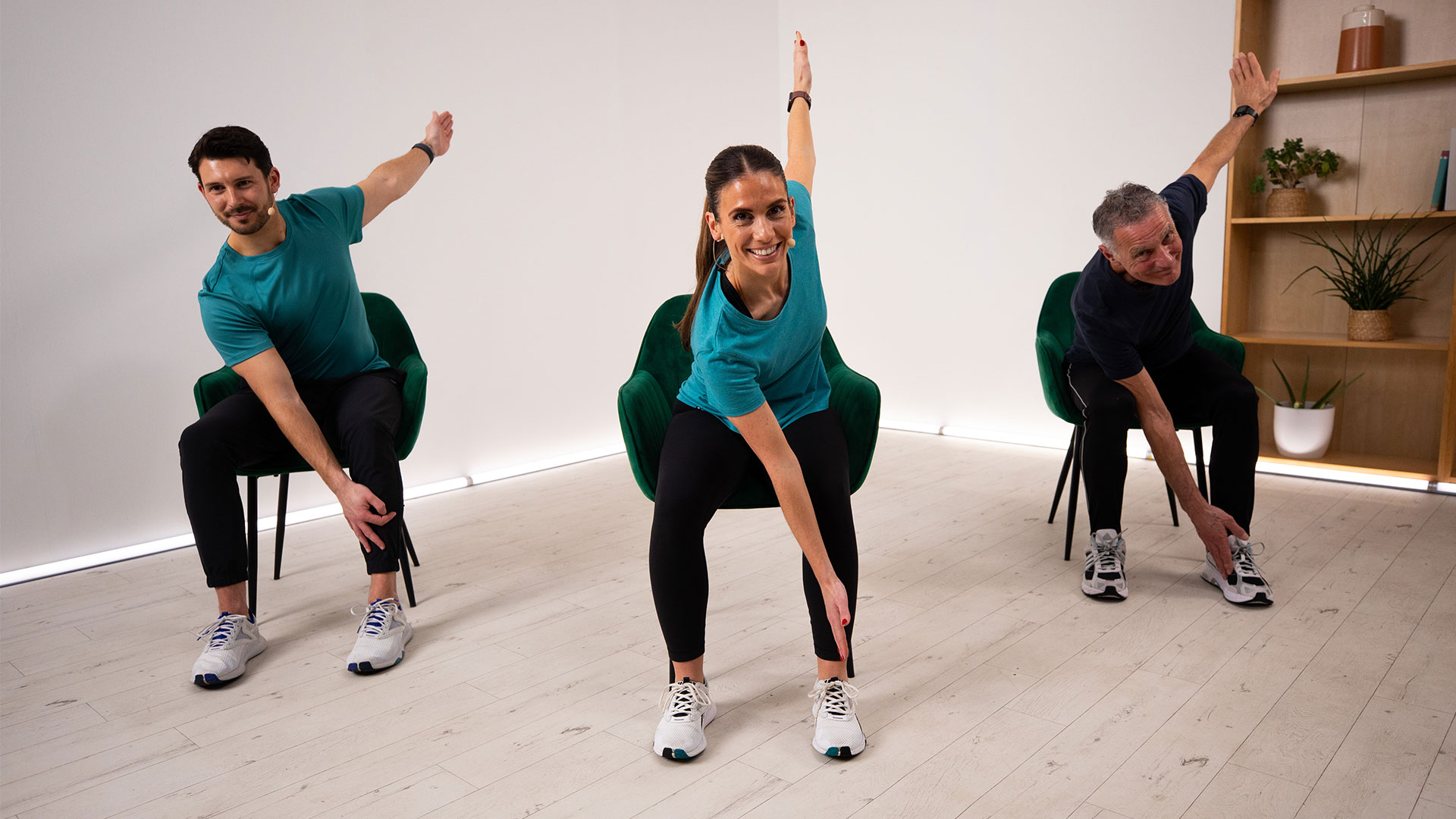
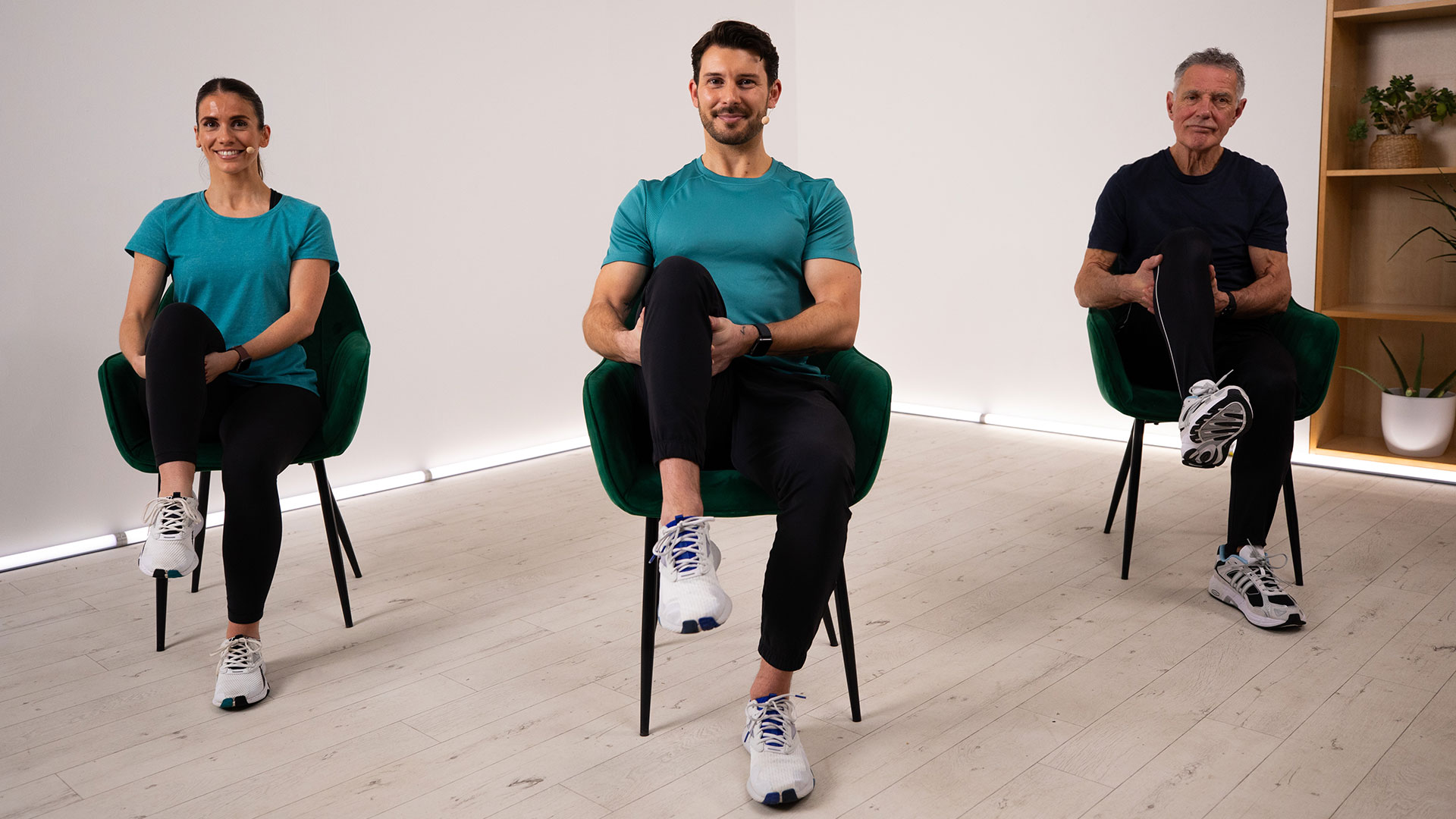
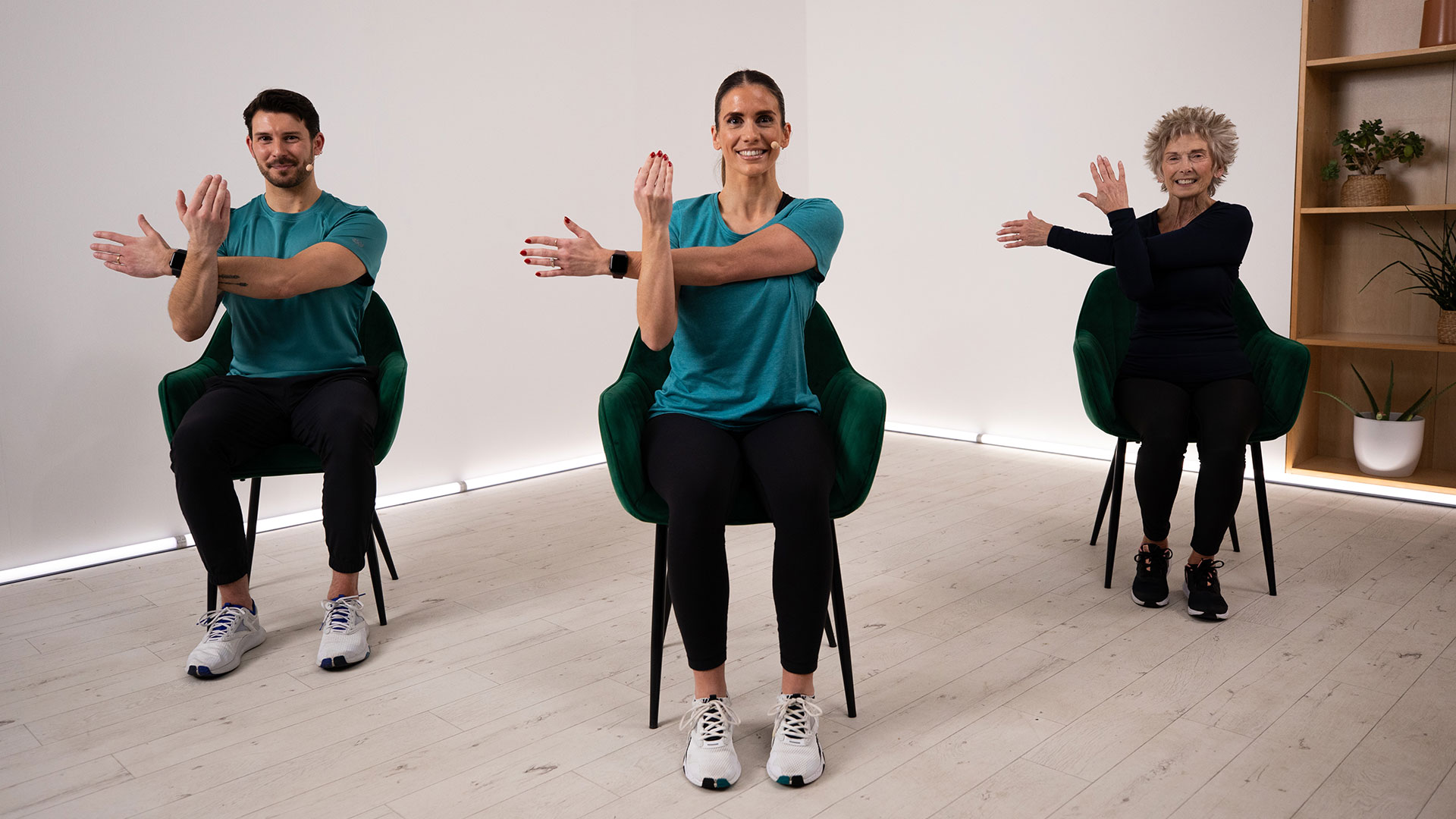
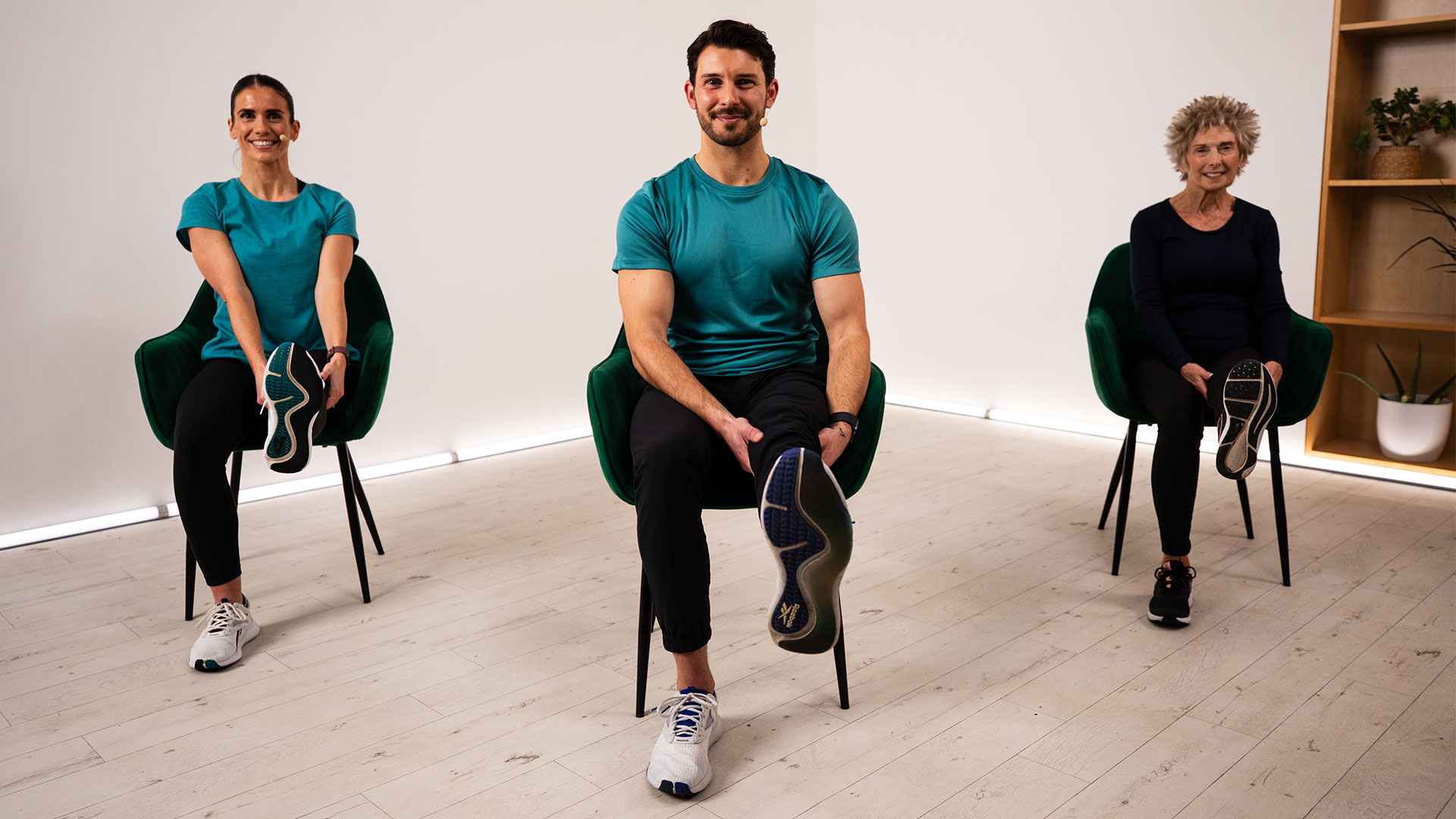
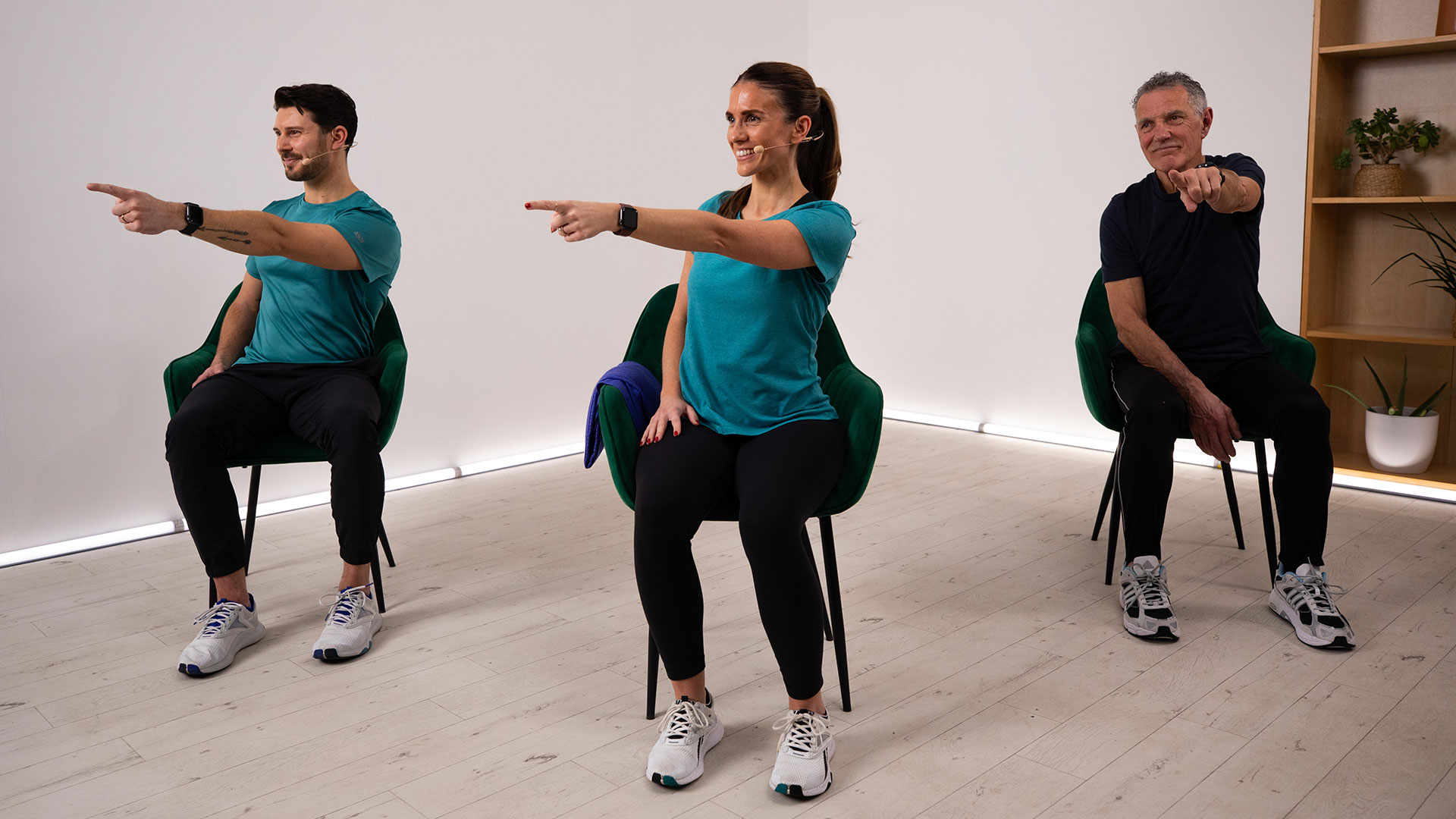
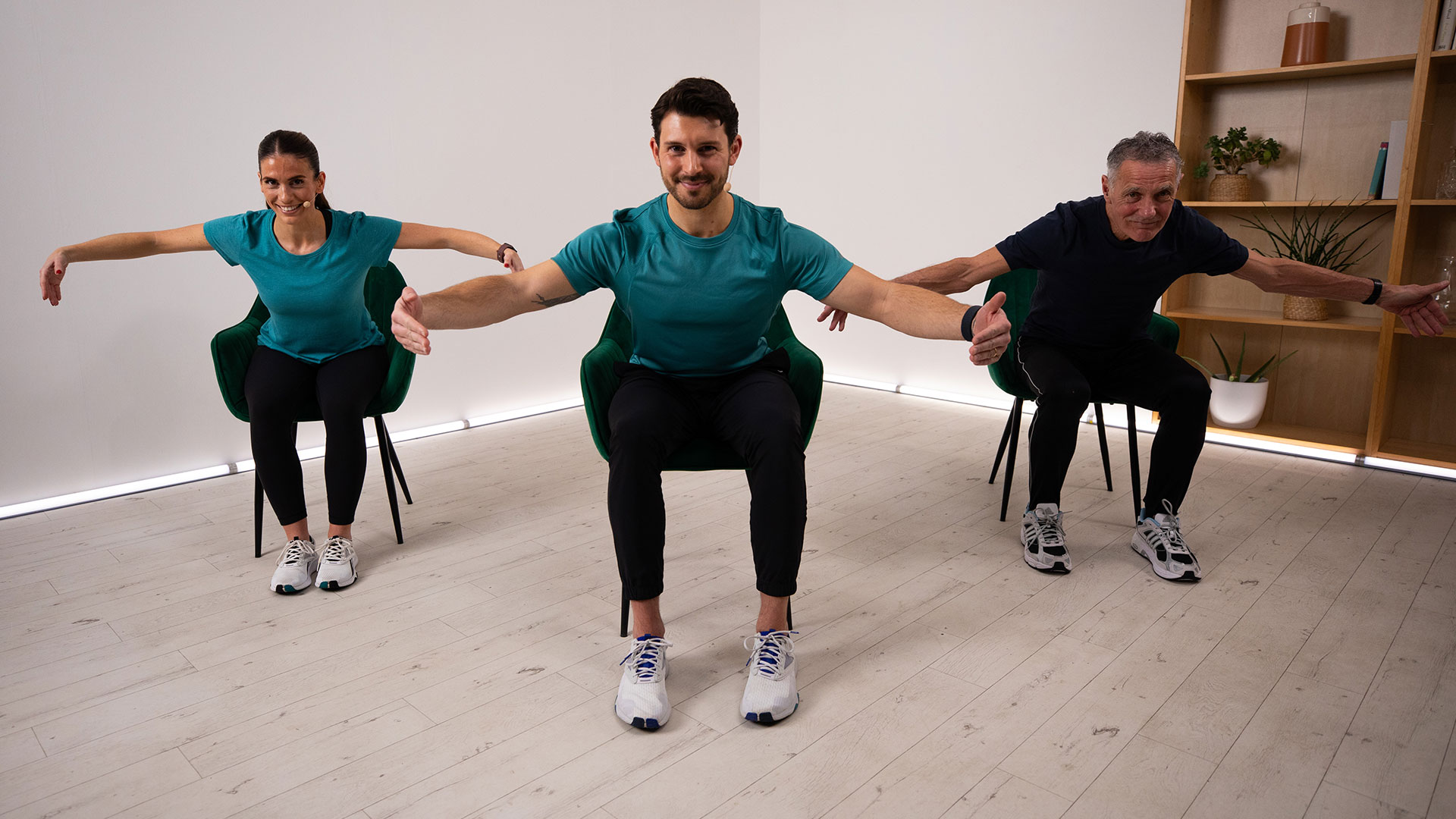
Posture and Alignment Awareness explores gentle stepping and upright standing posture to develop greater awareness of body alignment. The exercise encourages balanced weight distribution, relaxed shoulders, and an upright spine while moving slowly and mindfully. It helps improve body awareness, posture control, and overall movement quality.
Video details

Healthy living
How poor posture impacts more than just your back
These days, being stuck at a desk all day isn’t just a habit - it's basically part of the job for a lot of people. Between our professional lives and the digital entertainment that fills our downtime, we are increasingly pulled into stationary, hunched positions. This environment makes the simple act of maintaining good posture a constant struggle. A physiotherapist explains exactly how poor posture impacts your wellbeing and offers simple, actionable tips to help you lead a happier, healthier life.
by Victoria Raw
COVID-19
Bad posture: how to defeat the 'COVID slump'
Adopting a less active lifestyle due to lockdown restrictions and working from home over the COVID-19 pandemic has led many of us to develop a COVID slump. Slouching and slumping forward can cause pain, injury, and a wide range of health issues. What are the risks of bad posture, and how can we develop good posture habits?
by Amberley Davis
Mental health
Mind and body control - how to channel your ‘internal telekinesis’
The dark nights have arrived, and right on cue, Mike Flanagan has turned his attention to one of Stephen King’s most iconic tales of teenage torment and supernatural terror... Carrie. The story of a schoolgirl with telekinetic powers - the fictional ability to move objects using the mind alone - has gripped our morbid imaginations for decades. Little wonder, then, that this horror classic is getting a new lease of life in a television adaptation. But while we ourselves may not be able to bend spoons or move furniture, we do possess our own real-world form of ‘internal-telekinesis’. Through mental focus and controlled breathing, we can influence our heart rate and help calm an overworked nervous system.
by Hannah Boynton-Forshaw

Healthy living
How modern life affects your weight - beyond diet and exercise
If our bodies are designed to regulate our weight, why are more people living with obesity than ever before? Our genes haven't changed significantly over recent decades, but our environment, lifestyles, and individual biology all influence how our bodies regulate hunger, burn energy, and store fat. Understanding these factors can help explain why managing weight is more difficult for some people than others, even when they're trying to make healthier choices.
by Dr Caroline Butler

Heart health and blood vessels
What happens to your blood pressure when you're not measuring it?
Think about the last time you had your blood pressure checked. Perhaps you were sitting in your GP's surgery, waiting for the cuff to inflate. Seconds later, two numbers appeared on the screen. Those numbers provide useful information about your blood pressure at that moment. But blood pressure changes throughout the day and night. Some people even have higher readings at the GP's surgery than at home - known as white coat hypertension - while others have normal readings in the surgery but higher blood pressure elsewhere (masked hypertension).
by Hilo

Bones, joints and muscles
Axial spondyloarthritis
Axial spondyloarthritis (also known as axSpA or axial SpA) is a painful, chronic arthritis that mainly affects the joints of the spine, and also the joints connecting each side of the base of the spine with the pelvis (sacroiliac joints). It can also affect other joints in the body, as well as tendons and ligaments. It is divided into: 1) Ankylosing spondylitis. 2) Non radiographic axial spondyloarthritis.
by Dr Philippa Vincent, MRCGP
Share your thoughts or experiences with others in our patient communities.