
What happens to your blood pressure when you're not measuring it?
Your blood pressure changes as you work, relax and sleep. Could occasional readings be missing part of the picture?
Peer reviewed by Dr Colin Tidy, MRCGPAuthored by Hilo Originally published 28 Oct 2026
Meets Patient’s editorial guidelines
- DownloadDownload
- Share
- Language
- Discussion
- Audio Version
- Add to preferred sources on Google
Think about the last time you had your blood pressure checked. Perhaps you were sitting in your GP's surgery, waiting for the cuff to inflate. Seconds later, two numbers appeared on the screen.
Those numbers provide useful information about your blood pressure at that moment. But blood pressure changes throughout the day and night. Some people even have higher readings at the GP's surgery than at home - known as white coat hypertension - while others have normal readings in the surgery but higher blood pressure elsewhere (masked hypertension).
Sponsored
Hilo: A smarter way to understand your blood pressure
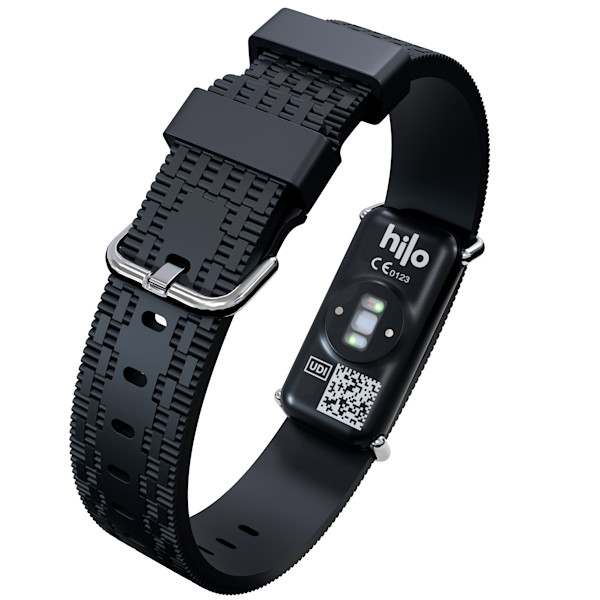
Your blood pressure changes throughout the day. Now you can understand it better. Hilo is a clinically validated, cuffless wearable that automatically measures your blood pressure throughout the day and night, even while you sleep. With around 35 readings a day, Hilo helps you discover patterns and track trends over time, without the hassle of regular cuff measurements. Just wear it and get a clearer picture of your blood pressure.
Your blood pressure is constantly changing
Blood pressure isn't a fixed number. It rises and falls as your body responds to daily life, whether you're rushing for a train, dealing with a stressful meeting, drinking coffee, or relaxing on the sofa. Stress, activity, sleep, and diet can all influence it.
These changes are often normal, but looking at readings taken over time can help healthcare professionals understand your blood pressure more fully than a single measurement.
What happens to your blood pressure while you sleep?
For many people, blood pressure falls by around 10-20% during sleep compared with daytime levels. This is called nocturnal dipping and forms part of the body's natural daily rhythm.1
Not everyone follows this pattern. Some people have a smaller fall overnight, while others have higher blood pressure during sleep than when awake. Research has associated unusual night-time blood pressure patterns with cardiovascular risk.1
Because most home monitors require you to sit quietly and take a reading, checking blood pressure while you're asleep isn't straightforward. Healthcare professionals can use 24-hour ambulatory monitoring - a portable cuff that inflates at intervals, including overnight - when a fuller assessment is needed.
Can your blood pressure be high without you knowing?
Yes. High blood pressure - or hypertension - often has no noticeable symptoms. The World Health Organization (WHO) estimates that around 44% of adults with hypertension worldwide are unaware they have it.2
High blood pressure can increase the risk of heart attack, stroke, and kidney disease. That's why checking it matters even if you feel well.3
The NHS advises adults aged 40 and over to have their blood pressure checked at least every five years, or more often if recommended. If your readings are repeatedly high, speak to your GP. 3
A fuller picture of your blood pressure
Home blood pressure monitoring and clinician-prescribed 24-hour ambulatory monitoring can help reveal patterns that may not appear during an appointment. New wearable technology offers another way to collect readings during everyday life.
Hilo is a clinically validated blood pressure monitoring system that takes automatic readings during the day and night when measurement conditions are suitable. Its wrist-worn band uses optical sensing technology, while an upper-arm cuff is used for initial calibration and recalibration every 30 days.
The Hilo App brings readings together to show blood pressure patterns and averages over time. Reports can be shared with a healthcare professional to support conversations about cardiovascular health.
The bigger picture
One blood pressure reading can be useful. Understanding how readings vary across days and nights can add context and help you have a more informed conversation with your GP.
Discover Hilo
Explore how Hilo's automatic day-and-night measurements and app-based reports can help you understand your blood pressure patterns.
Patient picks for Blood pressure

Heart health and blood vessels
Which foods help lower blood pressure?
What if some of the most powerful tools for lowering blood pressure (hypertension) were already in your kitchen? Many everyday foods contain nutrients that naturally relax your blood vessels, reduce inflammation, and support healthier circulation. By knowing which foods lower blood pressure naturally, you can make simple diet changes that help reduce hypertension and protect your long-term heart health.
by Heather Ainsworth

Heart health and blood vessels
On the rise: what causes high blood pressure in young adults
High blood pressure is affecting the under 50s more and more frequently - but why? We explore the lifestyle habits among Millennials that may be responsible for this rise. Whatever your age, by addressing these causes of high blood pressure, you can help keep your blood pressure healthy and try to avoid the serious health issues it can lead to.
by Lynn Stephen
Further reading and references
About the authorView full bio
Authored by

Hilo
About the reviewerView full bio

Dr Colin Tidy, MRCGP
General Practitioner, Medical Author
MBBS, MRCGP, MRCP (Paediatrics), DCH
Dr Colin Tidy is an NHS Doctor, based in Oxfordshire.
Article history
Article also available in English, German, Spanish, French, Italian, Portuguese, Hindi, Hebrew, Arabic, and Swedish.
Next review due: 28 Oct 2029
28 Oct 2026 | Originally published
Authored by:
HiloPeer reviewed by
Dr Colin Tidy, MRCGP
Join the conversation
Share your thoughts or experiences with others in our patient communities.

Ask, share, connect.
Browse discussions, ask questions, and share experiences across hundreds of health topics.

Feeling unwell?
Assess your symptoms online for free
Sign up to the Patient newsletter
Your weekly dose of clear, trustworthy health advice - written to help you feel informed, confident and in control.
By subscribing you accept our Privacy Policy. You can unsubscribe at any time. We never sell your data.