Pressing Up The Sky Walking Forward
Published 26 Nov 2026
Meets Patient’s editorial guidelines
Watch this video
Pressing Up the Sky Walking Forward combines slow stepping with the arms raised overhead. The movement encourages length through the spine while coordinating arm and leg motion. This exercise helps improve posture, shoulder mobility, and balance.
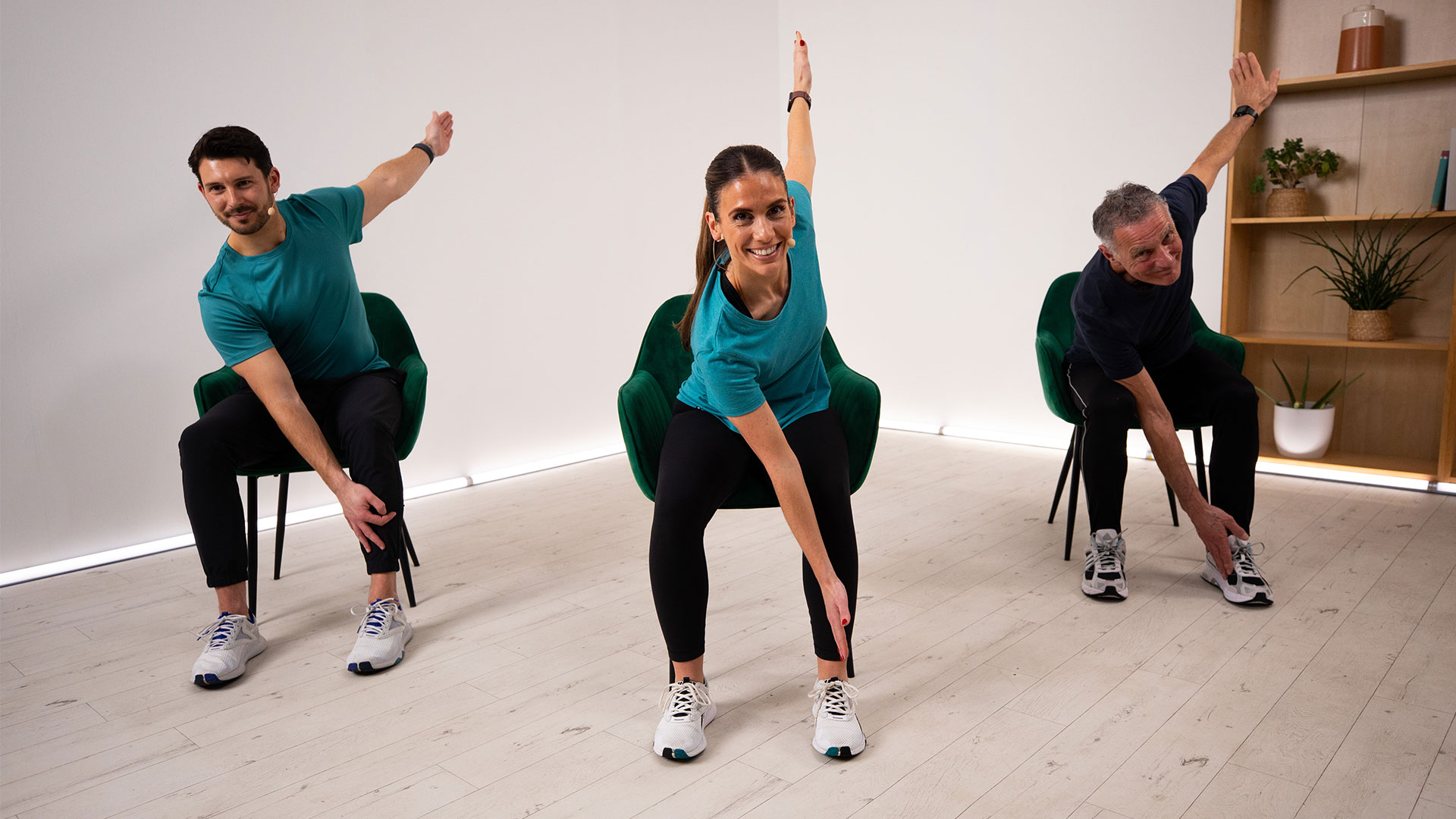
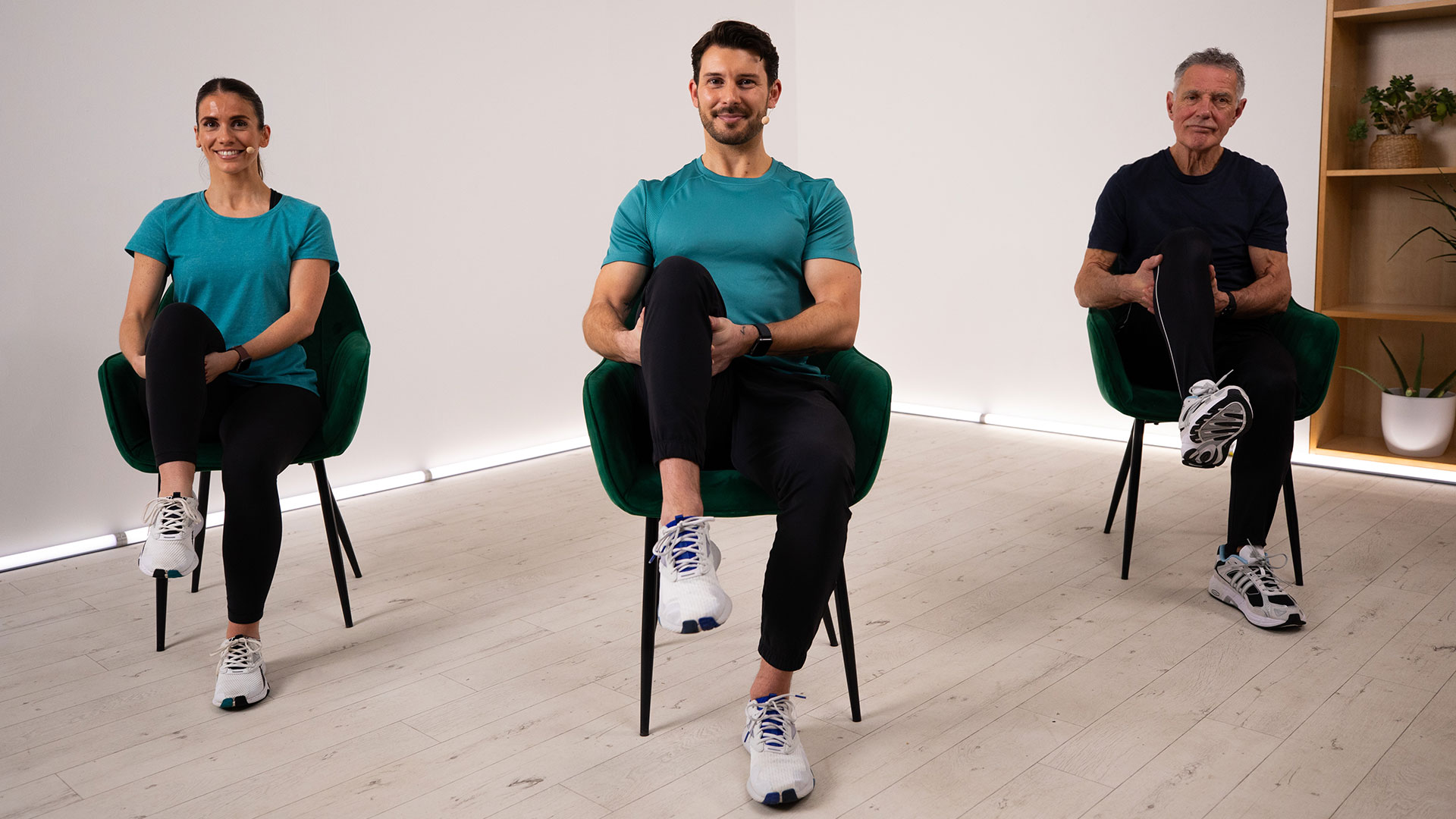
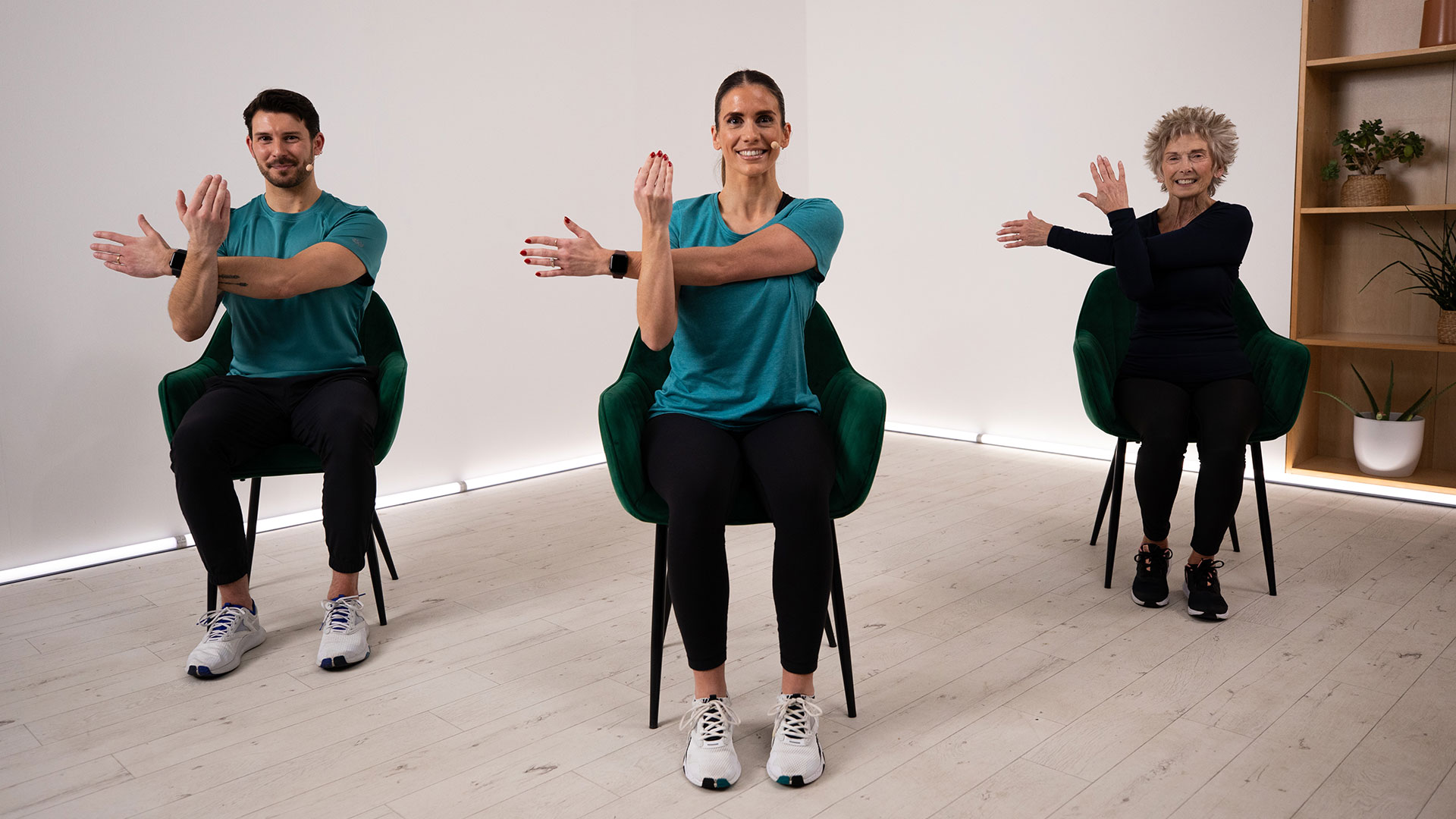
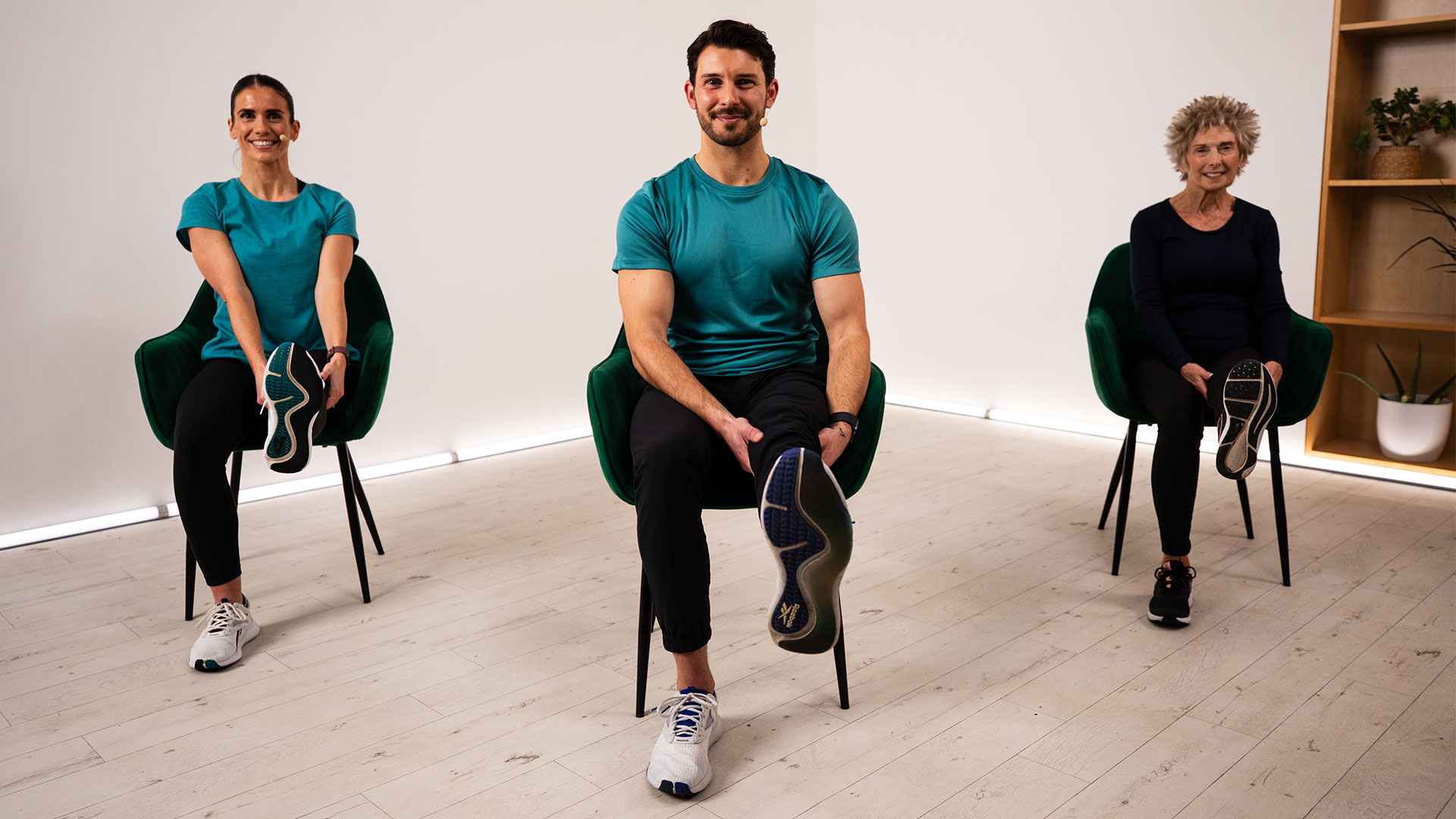
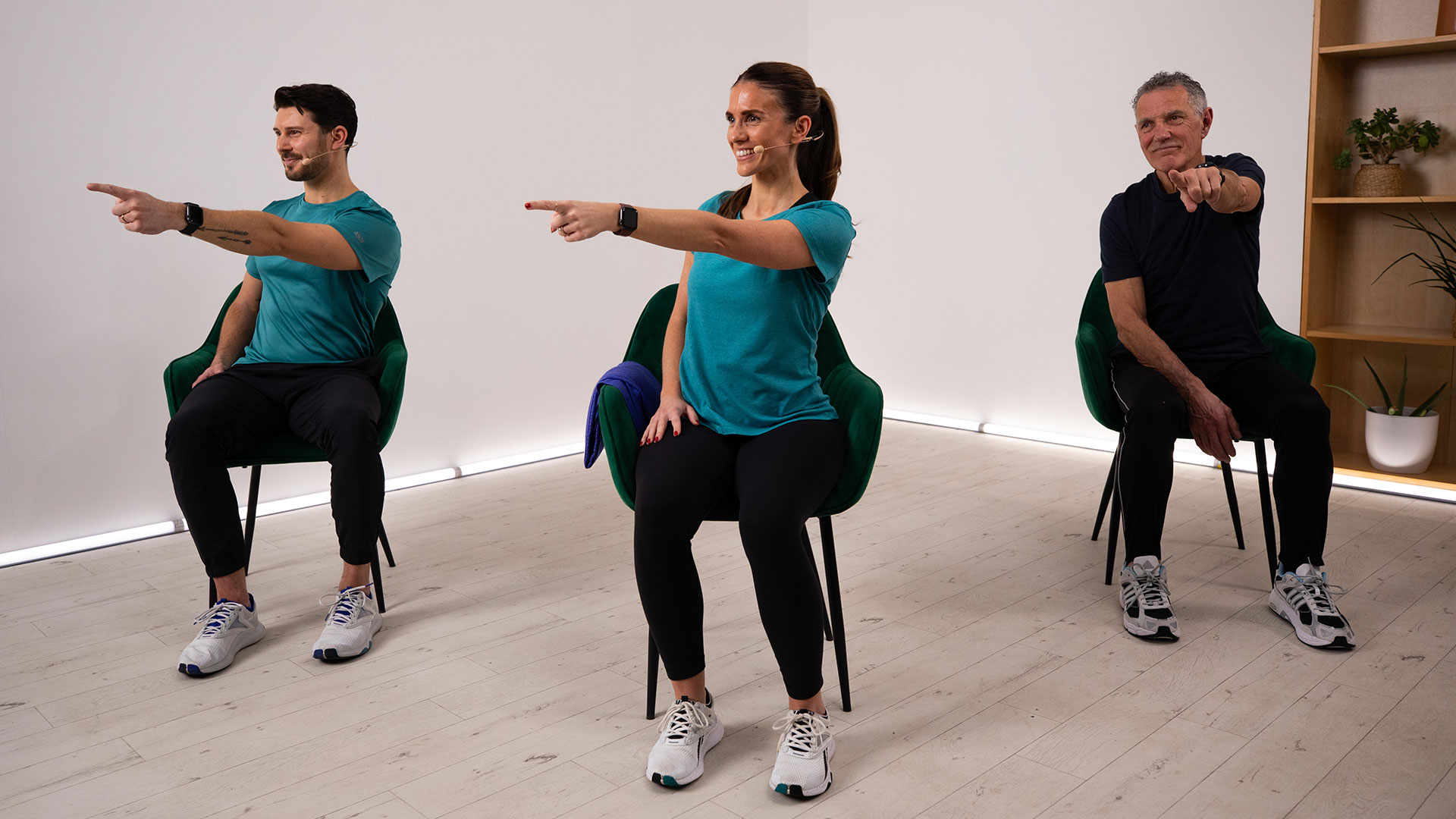
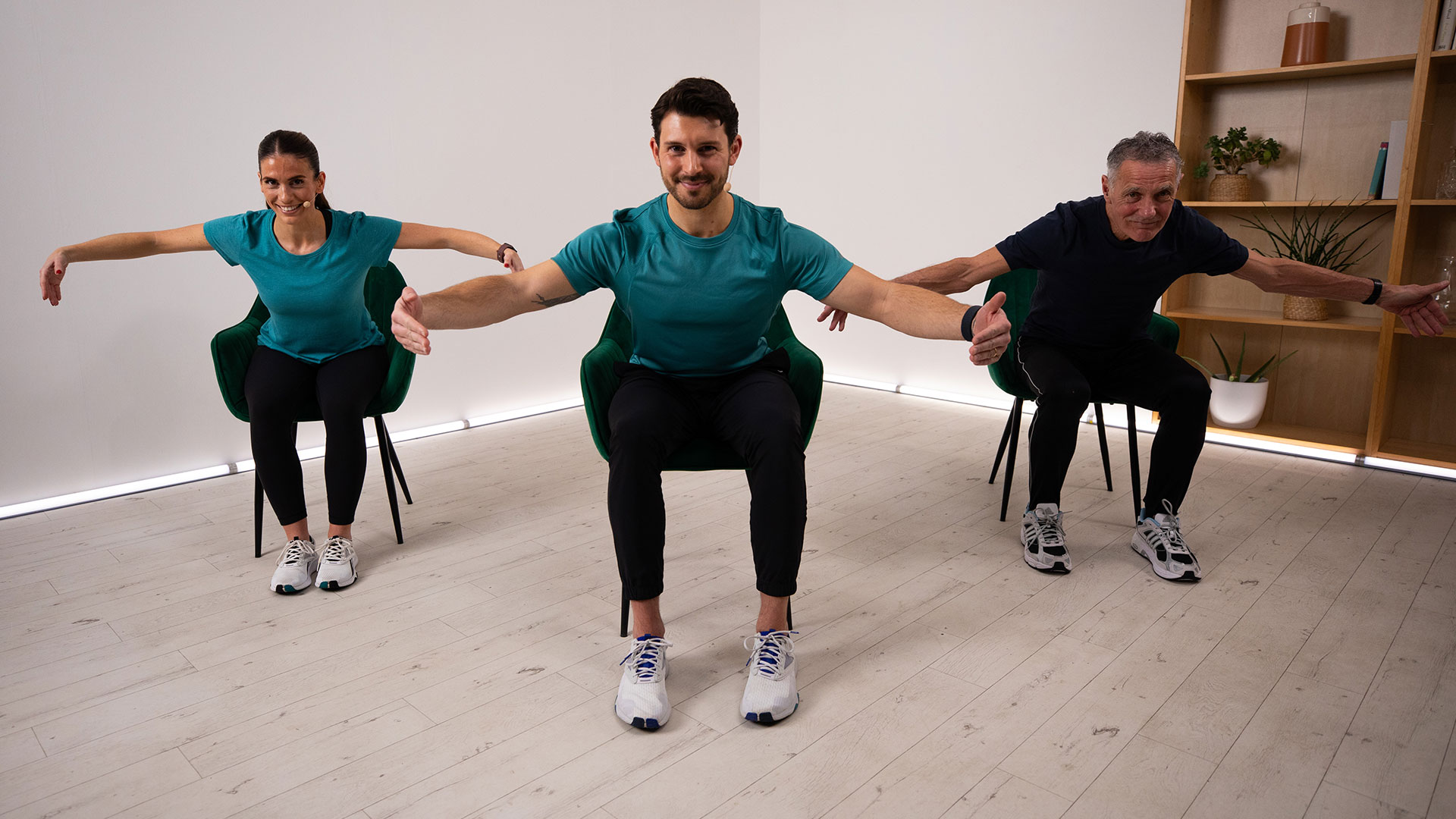
Video details

Heart health and blood vessels
What happens to your blood pressure when you're not measuring it?
Think about the last time you had your blood pressure checked. Perhaps you were sitting in your GP's surgery, waiting for the cuff to inflate. Seconds later, two numbers appeared on the screen. Those numbers provide useful information about your blood pressure at that moment. But blood pressure changes throughout the day and night. Some people even have higher readings at the GP's surgery than at home - known as white coat hypertension - while others have normal readings in the surgery but higher blood pressure elsewhere (masked hypertension).
by Hilo

Treatment and medication
The Stranger Things effect: why nostalgia builds connection and improves our mood
Nostalgia is often described as a wistful longing for the past - a warm feeling that takes us back to a time when we felt happier or more secure. But it isn’t always tied to a specific decade or moment. Sometimes it comes from shared experiences we all relate to, such as the honesty of childhood friendships, the simplicity of growing up, or the sense that life once seemed easier to understand. We explore how nostalgia may support our emotional wellbeing and why pop-culture favourites such as Stranger Things help shape our mood.
by Victoria Raw

Brain and nerves
The power of nostalgia: what is Reminiscence Therapy?
A touch of nostalgia can lift your spirits. But it may be able to boost your brain, as well as warm your heart. Positive reflections on the past are now being used as a therapeutic tool for people with dementia. If a loved one is facing cognitive decline, learn how the power of reminiscence therapy might positively impact their life.
by Victoria Raw

Treatment and medication
How remote mental health services have helped the LGBTQ+ community
When the COVID-19 pandemic hit, the way we access healthcare changed. For the LGBTQ+ community, the move to remote mental health services also resulted in more people using them. We explore how this has improved LGBTQ+ mental health support in a post-pandemic world.
by Amberley Davis

Treatment and medication
Is ASMR the secret to sensory bliss?
ASMR content has a fanbase of billions. Featured on platforms such as YouTube and TikTok, it offers a calming blend of sight, sound and touch. Many people use it as a natural way to unwind and de-stress. If you're not already familiar ASMR - and even if you are - read on to learn more about this creative form of therapy and if it has any benefits.
by Victoria Raw

Treatment and medication
Cognitive behavioural therapy
Cognitive behavioural therapy (CBT) is a talking therapy that can help you manage your problems by changing the way you feel, think and act. The therapy aims to find practical ways to help you deal with problems in a more positive way by breaking them down into smaller parts.
by Dr Toni Hazell, FRCGP
Share your thoughts or experiences with others in our patient communities.