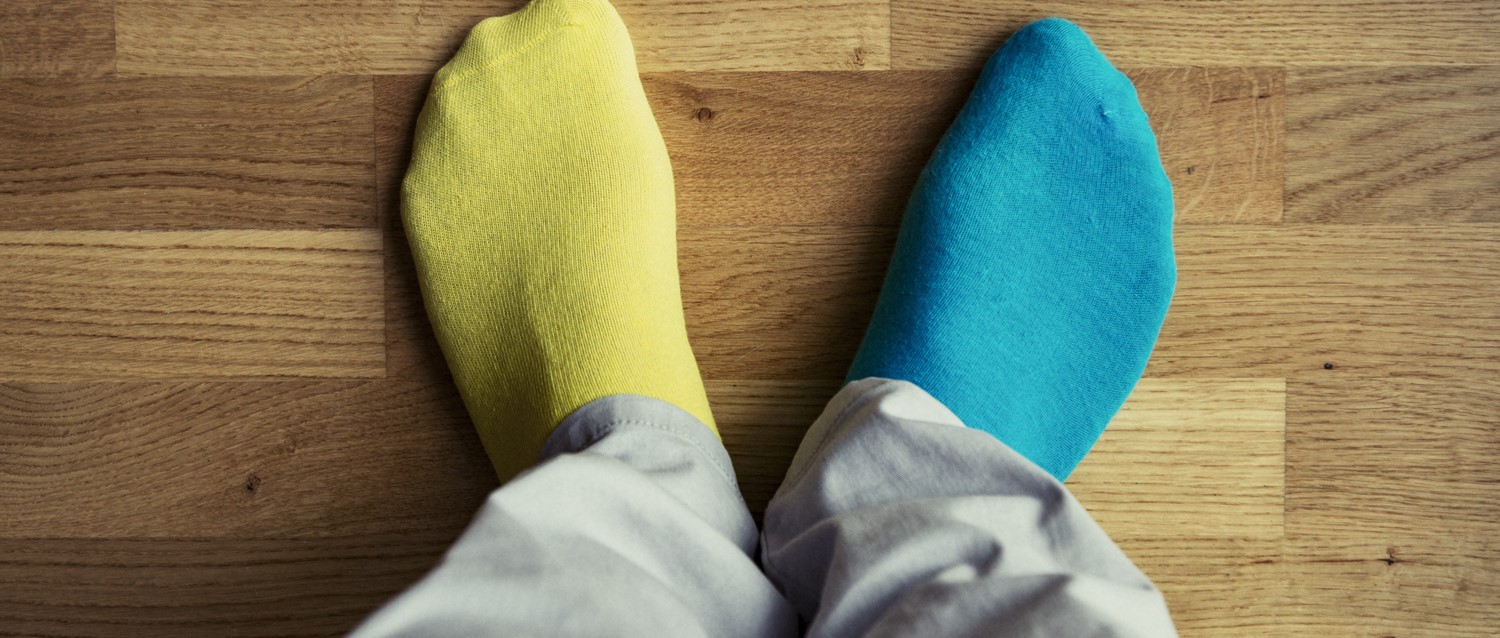
What it's really like to live with gout
Peer reviewed by Dr Sarah JarvisAuthored by Dr Laurence KnottOriginally published 23 Jan 2018
Meets Patient’s editorial guidelines
- DownloadDownload
- Share
- Language
- Discussion
- Ask Patient
- Audio Version
- Add to preferred sources on Google
Nobody knows what a condition really feels like unless they experience it themself. This applies to the medical profession as much as anyone else, with the added bonus that doctors who have 'got the T-shirt' are in a good position to empathise with other members of the Gout Club. Here is the story of my life with gout, some advice from experts, and a look towards the future.
Explore treatment for gout flare-ups
Get expert healthcare advice from the comfort of home. Complete a quick online consultation, available 24/7, with your request reviewed by a UK-registered clinician. Next day delivery available on eligible treatments.

Video picks for ArthritisVideo library
One foot in the gravy
Many years ago, I was in the process of repairing a fence post when my wife reminded me that we had been invited to a friend's for dinner.
My hostess was an excellent cook and served trout pâté, followed by steak and kidney pudding, all washed down with liberal samples from her husband's real ale collection.
The next morning I was awoken by what I can only describe as an explosion in my foot. I gingerly raised the duvet and had a peek. It was a bit swollen and red. Tentative prodding introduced me to a world of pain I had never experienced before. Nevertheless I had seen this in my father and numerous patients. Unwittingly, I had consumed a meal guaranteed to tip every borderline gout sufferer over the edge.
Naturally, as would befit any true Englishman, my first thoughts were for my fence.
I hastily explained matters to my wife.
"If I used a broom handle as a crutch, I could probably finish whacking the new post in ..."
She gave me what could best be described as a withering look. "Stay there." I couldn't argue. I didn't have a leg to stand on.
Some time later she came back, whipped off the duvet and womanhandled me downstairs.
Before I knew it, we were parked outside a local clinic where a family friend, a rheumatologist, had agreed to see me.
"Come on, you need proper medical advice."
"But I'm a ..."
"I know what you are, and I know what you're like. Now get out of the car."
Allo Prudence, my old friend
By now the pain was intense. "But I'm not sure I can walk ..."
Minutes later she reappeared with a wheelchair. "Get in." I was tempted to say, "Well, you've been pushing me around for years, so one more day won't make a lot of difference" when images of having my remaining good foot stamped on rose before me.
Prudence, the rheumatologist, greeted me with the words "What's wrong with you then?"
I pointed to my painful foot. "I was hoping you would tell me."
"Hmmmm. Does this hurt?" With that Prudence grabbed my ailing foot in both hands and squeezed it with an intensity which in other circumstances might have won her an All-England wrestling championship.
"AAAAAAAAAAAARGH!" is not a word that escapes my lips very often but did so on this occasion and seemed to convince her of the diagnosis.
"Probably gout but we need to get some tests done."
Some blood tests and X-rays ruled out a fracture, arthritis and half a dozen other things and it was declared that I officially had gout. I was prescribed some anti-inflammatory tablets and painkillers and told to come back a few weeks later.
Allo purinol, my new friend
I have prescribed allopurinol, a medication which prevents gout attacks, many times but never dreamed I would be taking it myself. Yet here was the box with my name on it. Normally it would be prescribed after two or more attacks of gout in a year but Prudence had been of the opinion that my uric acid level had been high enough to warrant me starting it once the attack had settled down (taking it during an attack can make symptoms worse).
What triggers gout?
Being on allopurinol meant worrying less about diet, but it makes sense to avoid obvious dietary triggers and to live a healthy lifestyle. Being overweight is a significant risk factor.
Professor Alan Silman, the medical director of Arthritis Research UK, echoed the concern about obesity and identified foods such as offal, shellfish and dairy, and red wine and beer as potential contributors.
He said: "A severe attack of gout is probably the most painful form of severe arthritis there is - worse than rheumatoid arthritis or osteoarthritis. It is not a trivial condition, yet its reputation as a 'joke' disease that only affects florid-faced country squires has meant that over the years it's not always taken as seriously as it should be."
Read our Gout Diet Sheet for more detailed nutritional advice.
Getting back on my feet again
I am pleased to say that on this regime I have never had another attack of gout. That is not to say I have not had the odd twinge, mostly when I have ignored dire warnings from my wife to "Drink. More. Fluid."
If I had had more attacks I may have been offered febuxostat, another type of gout-prevention medication. Although rare it can have serious side-effects and in the UK it is usually reserved for people who don't get on with allopurinol. However, it is more widely used in other countries. Recent research found that early use of febuxostat in gout sufferers reduced the chances of flare-ups.
"This study indicates that even for people who have only had one or two prior gout flares, urate-lowering therapy may have benefit in reducing future flares,” said Professor Nicola Dalbeth, a rheumatologist at the University of Auckland (New Zealand).
Looks like Pru, our rheumatology friend, was ahead of her time.
Best foot forward
Considering gout is such an old disease (the first case was identified by the ancient Egyptians in 2640 BC) it's still a buzzing field as far as scientists are concerned. This is probably because it's on the rise again.
One surprising area of research does not involve developing fancy new drugs but goes right back to the principles of basic lifestyle advice, gaining a better understanding of why dietary modification works. Fruit and vegetables in particular trigger normal gut bacteria to produce chemicals called short-chain fatty acids (SCFAs). Researchers fed mice with high-fibre diets and SCFAs, then injected uric acid (gout) crystals into their knees. They found this affected a particular type of blood cell, easing inflammation, while improving anti-inflammatory cells in the knee joint.
The benefit of hindsight
Do I wish I hadn't had that gout-provoking meal all those years ago? Probably. But in any case I do believe the experience has made me a better doctor and in the long run, a healthier person. In any case, it probably would have shown up sooner or later. And looking into the crystal ball, who knows what damage it might have done by then?
Patient picks for Arthritis

Signs and symptoms
What does living with chronic pain really feel like?
Nearly half of the UK population - around 28 million adults - lives with some form of chronic pain. With chronic pain described as 'a major cause of disability and distress', what exactly is causing so many people to live in constant pain, and how does it impact on their everyday lives?
by Sarah Graham

Digestive health
What it's like to have an invisible disability
In the UK, there are approximately 13.9 million people living with a disability. But only a small percentage have illnesses that can actually be seen. Those living with an invisible disability, like Crohn's disease or multiple sclerosis, suffer from symptoms every day and, because these aren't visible, they're often subjected to discrimination and misunderstanding when they use disabled bathrooms, parking spaces or priority seats.
by Karen Gordon

Bones, joints and muscles
What it's like to be a young person with arthritis
When you think of arthritis you might picture an elderly person, bent over a walking stick, their fingers contorted by the disease of old age. Yet for many people with arthritis, this image belies the reality of the condition.
by Allie Anderson
Treatment and medication
What it's like to be on the organ transplant waiting list
Lisa Ebdon, a recruiter from Warwickshire, does not come across as seriously ill. She goes to work, walks the dog and enjoys running with her daughter Lily. As she explains, it's only when she takes off her glasses that most people realise what she's dealing with. "People are shocked and surprised when they find out that I need a liver transplant. Then I take off my glasses and they see the 'yellows' of my eyes," she says.
by Abi Millar
Digestive health
Non-alcoholic fatty liver disease
Non-alcoholic fatty liver disease (NAFLD) describes a range of conditions caused by a build-up of fat within liver cells.
by Dr Doug McKechnie, MRCGP
Preventative health
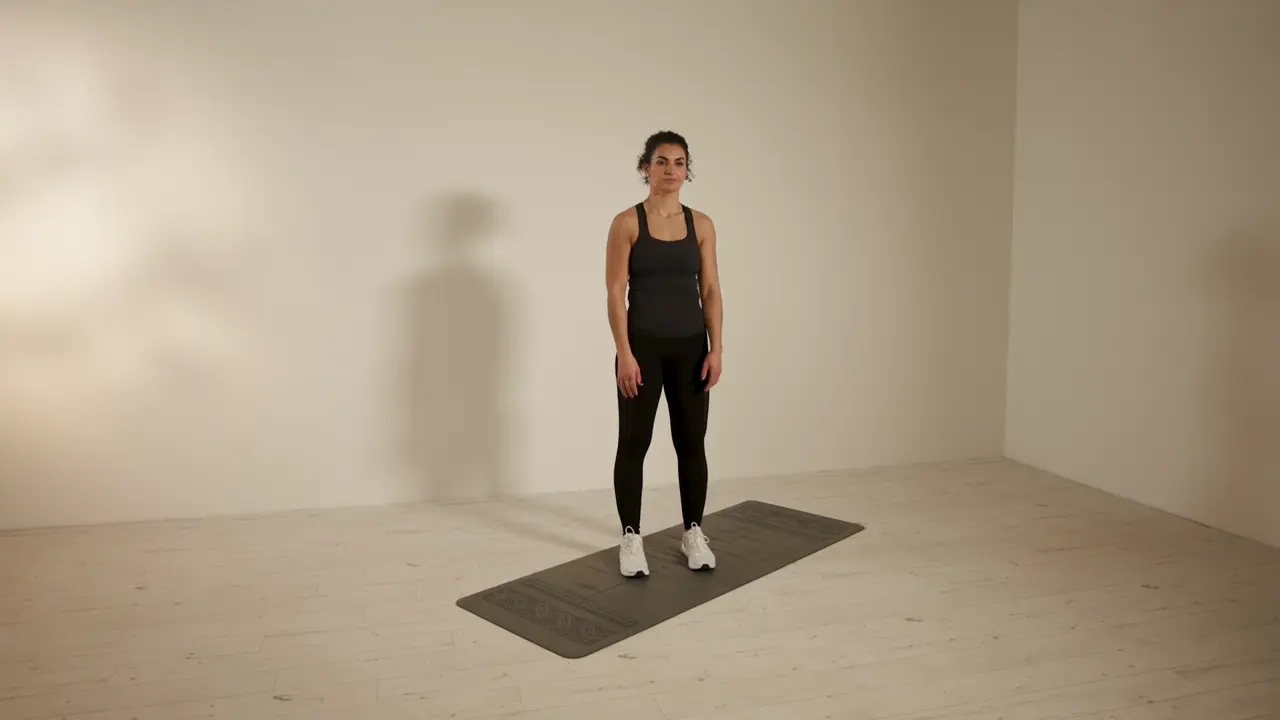
Spinal Roll Down
The Spinal Roll Down is an exercise that helps to mobilize and stretch your spine while also engaging the core muscles. It's often used as a warm-up or mobility exercise in various fitness routines.
About the authorView full bio
Authored by

Dr Laurence Knott
General Practitioner, Medical Author
BSc (Hons) Biochemistry, MBBS
Dr Laurence Knott qualified in 1973 and has had extensive experience as a General Practitioner.
About the reviewerView full bio

Dr Sarah Jarvis
Clinical Consultant
MA (Cantab), BM, BCh (Oxon), DRCOG, FRCGP, MBE
After training in medicine at Cambridge and Oxford, Dr Sarah Jarvis MBE became a GP.
Article history
Article also available in English, German, Spanish, French, Italian, Portuguese, Hindi, Hebrew, Arabic, and Swedish.
23 Jan 2018 | Originally published
Authored by:
Dr Laurence KnottPeer reviewed by
Dr Sarah Jarvis
Share your thoughts or experiences with others in our patient communities.
Sign up to the Patient newsletter
Your weekly dose of clear, trustworthy health advice - written to help you feel informed, confident and in control.
By subscribing you accept our Privacy Policy. You can unsubscribe at any time. We never sell your data.