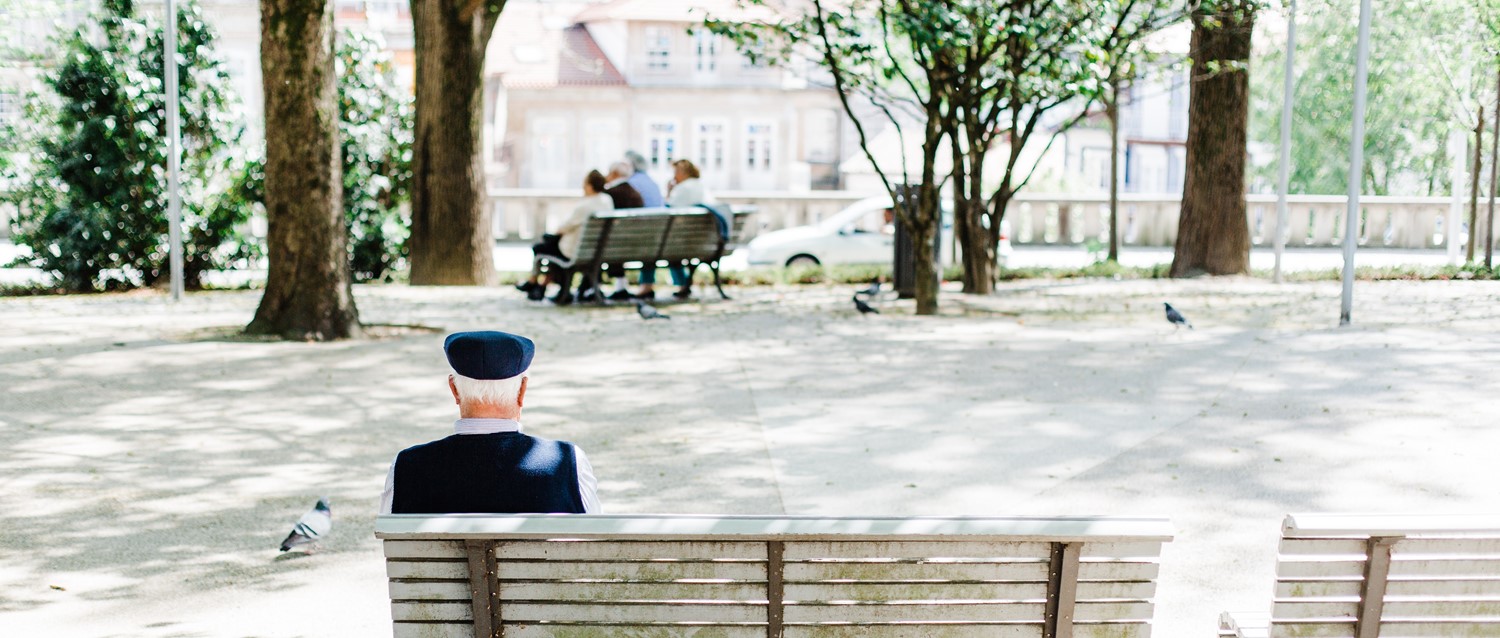
What is vascular parkinsonism and what are the other types of parkinsonism
Peer reviewed by Dr Krishna Vakharia, MRCGPAuthored by Dr Colin Tidy, MRCGPOriginally published 1 Aug 2023
Meets Patient’s editorial guidelines
- DownloadDownload
- Share
- Language
- Discussion
- Ask Patient
- Audio Version
- Add to preferred sources on Google
Parkinsonism is a general term that is used to describe a set of movement problems similar to those seen in Parkinson’s disease. There are a number of possible causes but the most common cause of parkinsonism is Parkinson's disease. Parkinsonism can cause severe problems with basic everyday activities.
Video picks for Movement problemsVideo library
Parkinsonism: What is it and the different types
Parkinsonism means a collection of symptoms that includes having unusually slow muscle movements (bradykinesia), and at least one of a shaking or trembling in part of your body when at rest (resting tremor), stiffness (rigidity), and walking and balance problems (postural instability). It is caused by damage to a particular area of the brain - called the substantia nigra, which is in the basal ganglia in the midbrain.
As well as Parkinson's disease (PD) - sometimes called idiopathic Parkinson's - other causes of parkinsonism include drug-induced parkinsonism and vascular parkinsonism (VP) - caused by loss of blood supply to part of the brain as happens with a stroke. Other rarer causes includes Wilson’s disease, an inherited condition where there’s too much copper in the body. People who have dementia with Lewy bodies may also develop Parkinson’s-like symptoms.
What are the main types of parkinsonism?
There are 3 main types of parkinsonism:
Parkinson’s disease
Most people with parkinsonism have PD. The cause is unknown but it is partly genetic as up to 1 in 5 people with PD have a parent, brother or sister who also has it. The symptoms of PD tend to gradually worsen over time.
Vascular parkinsonism
VP affects people with restricted blood supply (small strokes) affecting the area of the brain that controls movement (substantia nigra). People with vascular parkinsons have similar symptoms to Parkinson's disease, but may also have other symptoms such as problems with memory, sleep and mood.
Drug-induced parkinsonism
Some medicines can cause parkinsonism, such as those used to treat schizophrenia. Drug-induced parkinsonism only affects a small number of people, and most recover soon after stopping the medicine that’s causing it.
People with parkinsonism are usually referred to a nerve and movement disorders specialist (neurologist) for assessment and investigations - including brain imaging - to establish the cause of the symptoms.
What is vascular parkinsonism?
VP is the underlying cause for up to 12 out of 100 of all people with parkinsonism. People with VP tend to have a medical history of cardiovascular disease - such as angina, heart attack, stroke or peripheral artery disease. They may also have risk factors for cardiovascular disease - these include smoking, high blood pressure (hypertension), diabetes, high cholesterol, unhealthy diet and a low level of physical activity.
What are the symptoms of vascular parkinsonism?
The symptoms of VP may come on suddenly or may take weeks or months to develop. The symptoms don't tend to progress in the same way as happens with Parkinson's disease, but may still gradually get worse over time for some people with VP.
VP tends to affect the legs more than the upper body. The symptoms may include:
Slow muscle movements (bradykineasia).
Rigid muscles.
Muscle weakness.
Difficulty with balance.
Difficulty walking.
Frequent falls.
Dementia.
Incontinence.
Muscle tremors can also happen but these are not as common as in PD.
What causes vascular parkinsonism?
VP is caused by damage of cells in a region of the brain that controls muscle movement (substantia nigra). This damage is caused by poor blood supply to this area of the brain. When brain cells do not receive enough blood supply, they can be damaged or die.
VP can be compared to a stroke but the area of the brain that is damaged is different. It is thought that vascular parkinsonism is caused by multiple small strokes. The timing and severity of these small strokes varies and so the symptoms of vascular parkinsonism may start suddenly or come on gradually.
Some people with VP could have damage to more than one area of the brain meaning those people may have a history of strokes, with weakness affecting the body, or dementia as well.
Is vascular parkinsonism hereditary?
VP is not hereditary but some of the risk factors for the condition are - such as high cholesterol and high blood pressure.
How fast does vascular parkinsonism progress?
VP varies in how rapidly it starts and then progresses. The symptoms may start gradually and get worse over time, or they may appear immediately, or soon after the loss of blood supply to the area of the brain.
Can vascular parkinsonism be reversed?
VP cannot be reversed because the damaged or dead cells in the brain cannot be repaired. However, the symptoms and problems caused by VP can often be eased, such as by physiotherapy to help improve muscle function, and occupational therapy to help improve function with everyday activities.
The medicines that are used to treat PD don't tend to be as effective for VP. Also, these medicines only ease symptoms and do not cure PD.
It is also important to reduce the chance of further problems with the blood supply to your brain. You can do this by stopping smoking, eating a healthy diet, increasing daily activities, and, if necessary, taking regular medicines to help treat high blood pressure and high cholesterol.
Patient picks for Movement problems

Brain and nerves
What are the different types of dementia?
For many people, dementia means Alzheimer's. But Alzheimer's isn't the only type of dementia; there are actually several different forms. What are the differences and how do doctors diagnose each type?
by Glynis Kozma

General health and lifestyle
Ideas, Concerns and Expectations - a guide to filling in your GP’s online form
Booking a GP appointment has changed. Instead of waiting on the phone line at 8am, many people now complete an online consultation form through their practice website. At first glance, it may feel like another bureaucratic hurdle. But in fact, these forms are designed to help you, and your GP team, get to the heart of your problem more quickly. The way you fill them in makes a real difference. When you provide clear, thoughtful information, it not only helps the practice decide whether something is urgent, but also ensures you are directed to the right person in the wider primary care team. That might be your GP - but it could just as easily be a nurse, a pharmacist, a physiotherapist, or another professional who can meet your needs sooner. One of the simplest tools to guide you is known as Ideas, Concerns and Expectations, or ICE.
by Thomas Andrew Porteus, MBCS
Mental health
Video: What are the different types of mental health disorder?
The brain is a complicated organ, which makes mental health a complex subject. There are many types of mental health disorder, from the mild to the severe and even potentially life-threatening. Our experts explain some of the more common types you may encounter.
by Prof Swaran Singh, FRCPsych
Preventative health
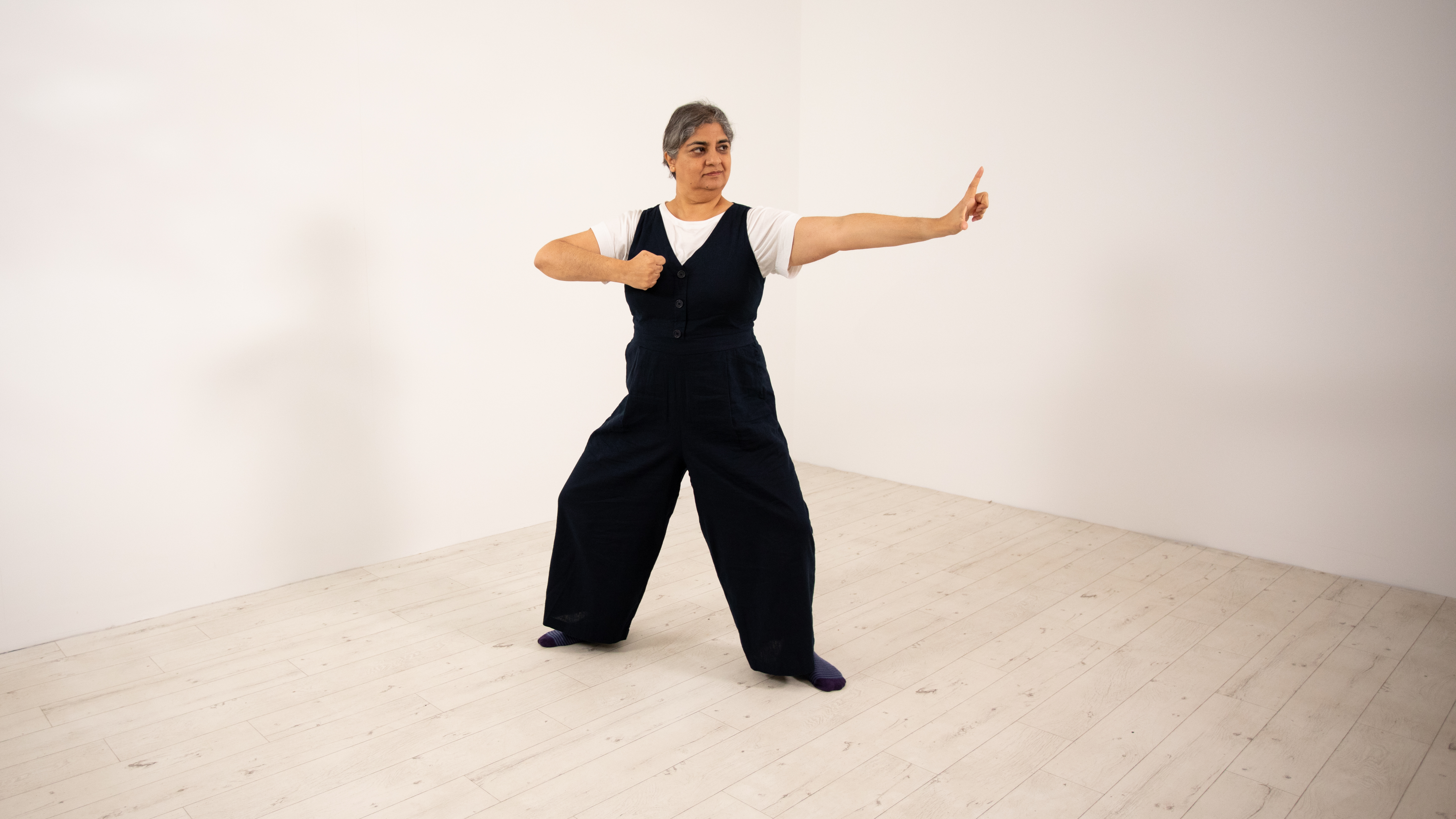
Drawing the Bow and Letting the Arrow Fly
Settle into horse stance, feet wide and knees softly bent. Bring the hands into gentle fists in front of the chest, elbows relaxed. Extend the left arm and open the hand into an “L” shape with the thumb and index finger while the other three fingers curl inward. The left arm reaches out as though holding the bow. Keeping the knees bent, let the right fist remain in front of the chest, then draw the right elbow straight back along a clean line, as if pulling a bowstring. Turn the head and gaze through the space between the left thumb and index finger. With a steady exhale, “release” the arrow. Repeat to the other side, maintaining the rootedness of the legs and the spaciousness of the chest. Traditionally, this form is said to regulate the Wood, Metal, and Fire elements, supporting the Liver, Lungs, and Heart meridians. It helps open the chest, strengthen the back and legs, and cultivate clear focus—beneficial for vision, direction, and the sense of moving toward one’s aims.

Podcasts
The Big O... Oh No!
Clare and Janet discuss orgasms - and what can help if it isn’t happening for you or your partner. Also the myths surrounding female orgasm. Do you really know what the clitoris looks like?!
by Thomas Andrew Porteus, MBCS
Preventative health
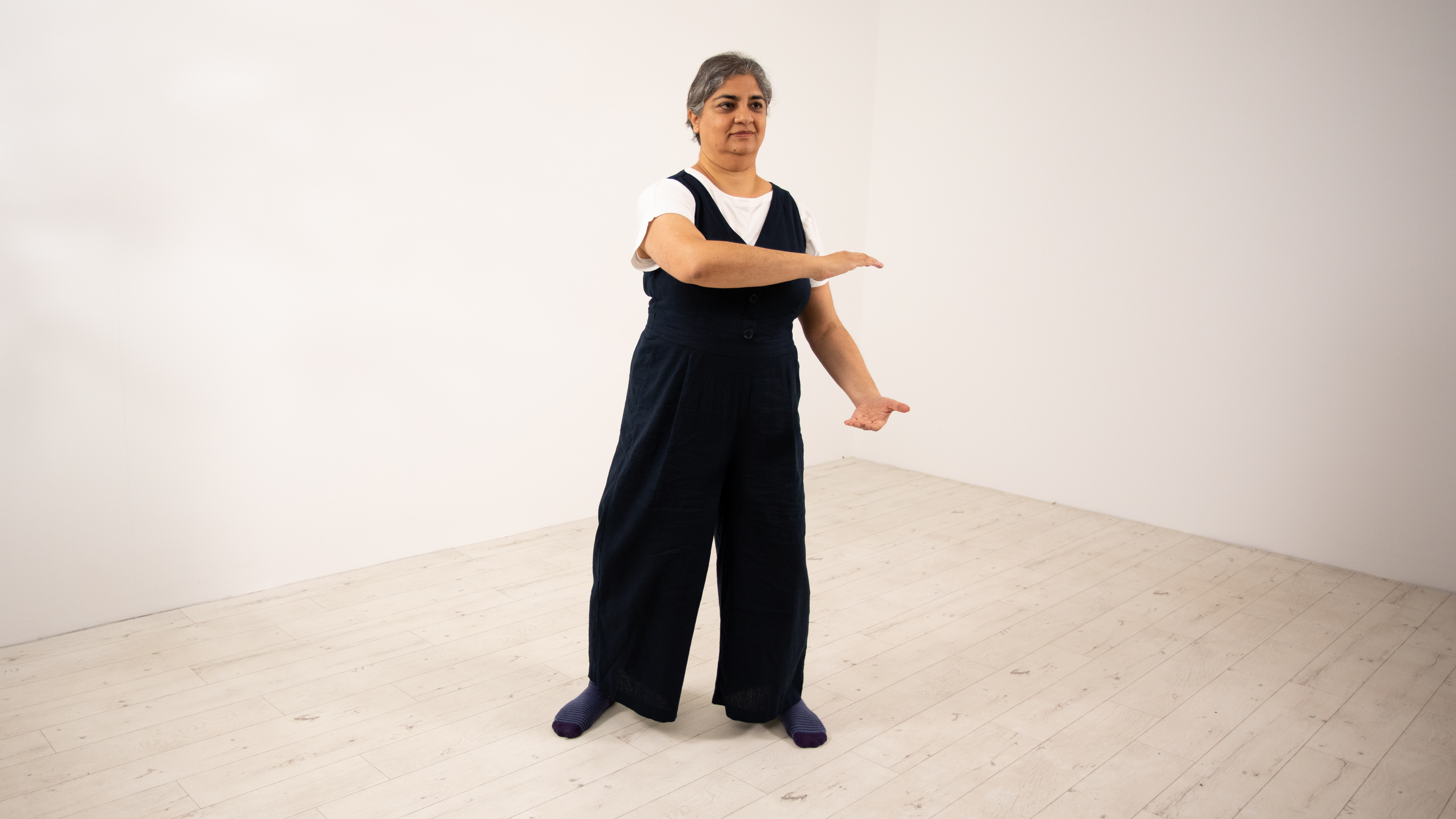
Moving Clouds / Cloud Hands
Keep the feet slightly wider than hip distance, toes pointing out. The two palms face each other, one hand is at roughly belly button distance and the other at chest height. Imagine that you are holding a cloud between your hands and you are moving it from side to side.
About the authorView full bio
Authored by

Dr Colin Tidy, MRCGP
General Practitioner, Medical Author
MBBS, MRCGP, MRCP (Paediatrics), DCH
Dr Colin Tidy is an NHS Doctor, based in Oxfordshire.
About the reviewerView full bio

Dr Krishna Vakharia, MRCGP
Chief Medical Officer for Health, Optum UK
MBChB, MRCGP(2013), BMedSci (hons), DFSRH, DRCOG, PGDipDerm (Distn)
Dr Krishna Vakharia is an NHS GP. She is also a regular examiner for the postgraduate Diploma in Practical Dermatology at Cardiff University as well as being the Chief Medical Officer for health at Optum UK.
Article history
Article also available in English, German, Spanish, French, Italian, Portuguese, Hindi, Hebrew, Arabic, and Swedish.
1 Aug 2023 | Originally published
Authored by:
Dr Colin Tidy, MRCGPPeer reviewed by
Dr Krishna Vakharia, MRCGP
Share your thoughts or experiences with others in our patient communities.
Sign up to the Patient newsletter
Your weekly dose of clear, trustworthy health advice - written to help you feel informed, confident and in control.
By subscribing you accept our Privacy Policy. You can unsubscribe at any time. We never sell your data.