PSA testing options
Peer reviewed by Dr Adrian Bonsall, MBBSAuthored by Dr Colin Tidy, MRCGPOriginally published 19 Sept 2017
Meets Patient’s editorial guidelines
- DownloadDownload
- Share
- Language
- Discussion
- Ask Patient
- Audio Version
- Add to preferred sources on Google
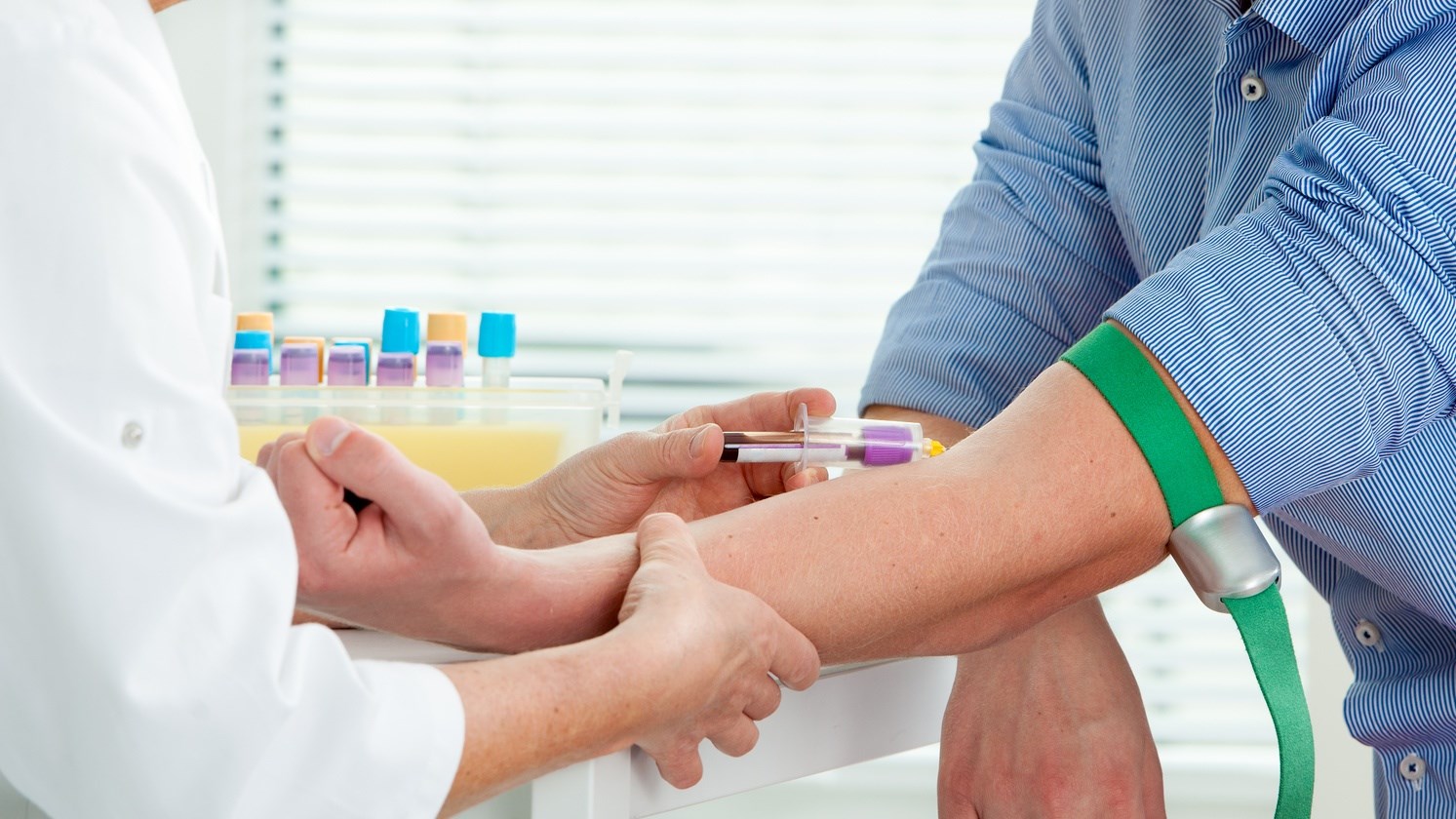
The prostate specific antigen (PSA) test is a blood test used to see if you might have prostate cancer and to monitor treatment for prostate cancer. The PSA test does not tell you for certain whether you have prostate cancer.
Looking for home psa testing?
Get expert healthcare advice from the comfort of home. Complete a quick online consultation, available 24/7, with your request reviewed by a UK-registered clinician. Next day delivery available on eligible treatments.

Video picks for Male cancerVideo library
Should I have a prostate specific antigen (PSA) test?
Having the PSA test may sometimes cause you more harm than benefit. It is therefore very important to consider whether having the PSA test is right for you. See also separate leaflets called PSA Testing for Prostate Cancer and Prostate Cancer.
Benefits and risks of having or not having a PSA test.
Frequently asked questions | Having a PSA test | Not having a PSA test |
How does having a PSA test affect my chance of being diagnosed with prostate cancer? | Having the PSA test increases the chance of prostate cancer being diagnosed. Between 6 and 7 men in every 100 who have a PSA test are diagnosed with cancer. The PSA test finds many cancers that would not cause any health problems if they remained un-diagnosed and untreated. Therefore having the test may cause unnecessary worry as well as unnecessary investigations and treatment. | Between 4 and 5 men in every 100 who don’t have a PSA test are diagnosed with prostate cancer at some time in the future. Not having a PSA test will mean you do not have any unnecessary worry, investigations or treatment. |
What is the effect of having a PSA test on prostate cancer being diagnosed earlier? | Prostate cancer is diagnosed on average between 6 and 8 years earlier in men who have a PSA test than those who don’t have the test. | It is not known whether early diagnosis and treatment makes any difference to how long you are likely to live if you do have prostate cancer. |
What is the effect of having a PSA test on dying from prostate cancer? | Men who have prostate cancer are less likely to die of prostate cancer if they have a PSA test. Having a PSA test prevents 1 death from prostate cancer for every 1,000 men who have the test. The risk of dying from prostate cancer over the next ten years is between 4 and 5 in 1,000 for men who have the PSA test. | The risk of dying from protstate cancer over the next ten years is 5 in 1,000 for men who do not have the PSA test. The risk of dying from prostate cancer is (at best) 1 in 1,000 less if you have the PSA test than if you don’t have the test. |
What is the effect of having a PSA test on how long you live? | Studies have shown that men who have the PSA test do not on average live longer or shorter lives than men who do not have the PSA test. | Studies have shown that men who do not have the PSA test do not on average live longer or shorter lives than men who have the PSA test. |
What is the harm of a positive PSA test result? | If you have a positive PSA test result (a high PSA level) you will be referred to a specialist for further investigations and possibly for treatment of prostate cancer. Investigations: about 70 men in every 100 with a raised PSA level will have a biopsy of the prostate. A biopsy of the prostate can cause pain, bleeding and urine infections. Treatment: problems with treatment for prostate cancer include incontinence of urine and difficulty getting an erection. There may also be complications caused by having an operation or radiotherapy for the prostate cancer. | If you do not have the test you will not then be referred to a specialist for further investigations and possibly for treatment of prostate cancer. |
What is the risk of a positive result being wrong (called a false positive result)? A false positive result is when the test indicates you do have prostate cancer but you do not have prostate cancer. | About 70 men in every 100 with a raised PSA result do not have prostate cancer. | Not having a PSA test may avoid the unnecessary anxiety of having an abnormal result when you don’t actually have prostate cancer. |
What is the risk of a negative result being wrong (called a false negative result)? A false negative result is when the test indicates you do not have prostate cancer but you do have prostate cancer. | About 15 in every 100 men who have a normal PSA level do have prostate cancer. | Not having a PSA test may avoid false reassurance when a false negative result wrongly indicates that you do not have prostate cancer. |
Patient picks for Male cancer

Tests and investigations
PSA test
The PSA test (prostate specific antigen) is a blood test which assesses for the likelihood of prostate cancer. It is also used to monitor the treatment for prostate cancer. The PSA blood level can also be increased in other conditions. Having an increased PSA test result does not therefore mean that prostate cancer is the diagnosis. At the moment there is no national screening programme for prostate cancer in the UK but there are currently studies looking at whether screening would be appropriate for prostate cancer. The TRANSFORM randomised controlled trial is being planned to start during 2024. This will include a PSA test amongst others in assessing whether a prostate cancer screening programme is possible or appropriate.
by Dr Philippa Vincent, MRCGP

Tests and investigations
Genetic testing
Genetic testing is a type of medical test that identifies changes in chromosomes, genes or proteins. Genetic tests examine a person's DNA in a variety of ways to assess a person's genetic health. They are all designed to identify a particular gene that may cause a genetic disorder. We all have 46 chromosomes in our cells. Chromosomes are made from DNA (deoxyribonucleic acid). Genes are short sections of DNA and each chromosome contains hundreds to thousands of genes. Genes contain the information our bodies need to make chemicals called proteins. Proteins form the structure of our bodies and play an important role in the processes that keep us alive. It is the differences in our genes that makes us all individuals. Sometimes a gene may change (this is called a mutation) and either cause or increase the risk of a disease or disorder. Note: the information below is a general guide only. The arrangements, and the way tests are performed, may vary between different hospitals. Always follow the instructions given by your doctor or local hospital.
by Dr Colin Tidy, MRCGP

Digestive health
Piles (haemorrhoids) treatment options
Piles (haemorrhoids) are swellings that develop inside and around the back passage (anus). Symptoms range from temporary and mild, to persistent and painful. In many cases, piles are small and symptoms settle down without treatment.
by Dr Colin Tidy, MRCGP
Tests and investigations
Exercise Tolerance Testing
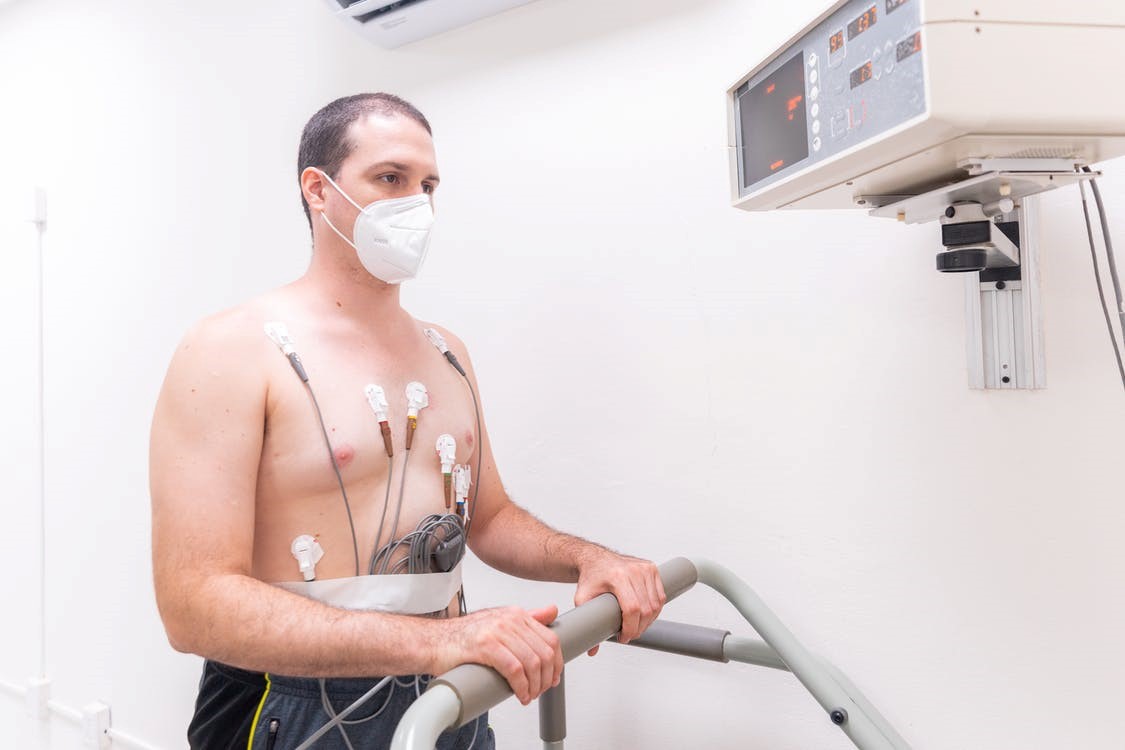
An exercise tolerance test (ETT) records the electrical activity of the heart whilst exercising. It is most useful in patients who experience chest pain on exertion. It is also used to detect whether heart rhythm abnormalities can be brought on by exercise.
by Dr Philippa Vincent, MRCGP

Heart health and blood vessels
Atrial fibrillation stroke prevention options
Without any medicine to reduce the risk, about 50 in every 1,000 people who have atrial fibrillation (AF) will have a stroke. The individual risk for each person will also depend on other factors including your age, whether you have already had a stroke and whether you have heart failure, diabetes or high blood pressure.
by Dr Colin Tidy, MRCGP

COVID-19
What impact has COVID-19 had on HIV testing?
The COVID-19 pandemic has severely disrupted access to healthcare services. As a result, there has been a significant fall in people accessing HIV testing. While the pandemic has accelerated many advances in healthcare access, experts encourage health services to continue to improve access to HIV tests.
by Amberley Davis
About the authorView full bio
Authored by

Dr Colin Tidy, MRCGP
General Practitioner, Medical Author
MBBS, MRCGP, MRCP (Paediatrics), DCH
Dr Colin Tidy is an NHS Doctor, based in Oxfordshire.
About the reviewerView full bio

Dr Adrian Bonsall, MBBS
Medical Author
MA (Chemistry), MBBS (Hons), DCH
Since 2000 Adrian has been employed in emergency and critical care paediatrics based in Sydney, with particular interests in toxicology, trauma and resuscitation.
Article history
Article also available in English, German, Spanish, French, Italian, Portuguese, Hindi, Hebrew, Arabic, and Swedish.
19 Sept 2017 | Originally published
Authored by:
Dr Colin Tidy, MRCGPPeer reviewed by
Dr Adrian Bonsall, MBBS
Share your thoughts or experiences with others in our patient communities.
Sign up to the Patient newsletter
Your weekly dose of clear, trustworthy health advice - written to help you feel informed, confident and in control.
By subscribing you accept our Privacy Policy. You can unsubscribe at any time. We never sell your data.