What age can you get lip fillers and Botox in the UK?
Peer reviewed by Dr Sarah JarvisAuthored by Emily Jane BashforthOriginally published 24 Oct 2021
Meets Patient’s editorial guidelines
- DownloadDownload
- Share
- Language
- Discussion
- Ask Patient
- Audio Version
- Add to preferred sources on Google
A new law means those under the age of 18 will no longer be able to access Botox or lip fillers for cosmetic reasons.
Video picks for Cosmetic surgeryVideo library
Legal age for lip fillers in the UK
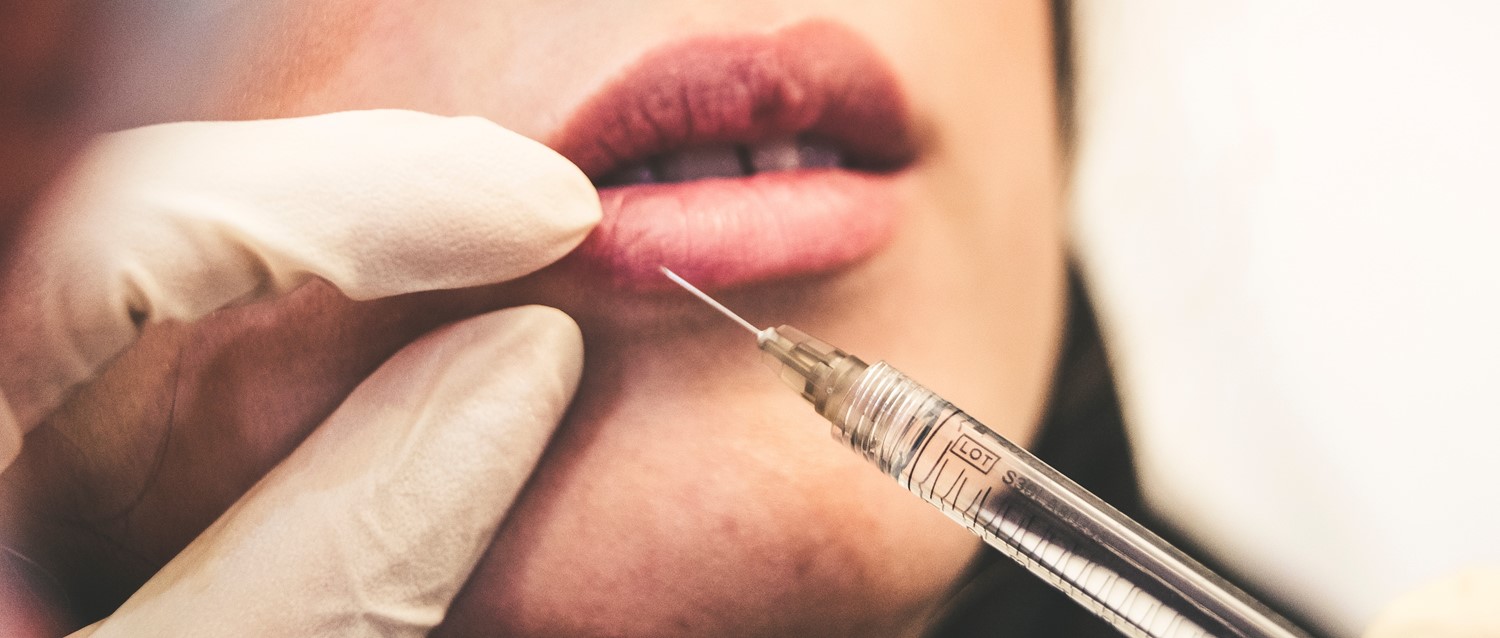
The Botulinum Toxin and Cosmetic Fillers (Children) Act makes it illegal for Botox and dermal lip filler procedures to be administered to anyone under 18 years of age, or even to book an appointment. .
The Department of Health and Social Care (DHSC) says failure to comply with the law could result in a criminal prosecution and an unlimited fine.
The law also applies to people visiting from outside England. It also does not matter if an under the age of 18 has permission for the procedure from an adult - the legislation still applies.
Former health minister Nadine Dorries announced the change in law in September, writing in the Daily Mail: "No child needs cosmetic procedures unless for medical reasons. Their physical and mental development is not complete."
Lip fillers and social media
The news came following a concerning spike in the number of young people in search of the 'Instagram face'. Over the last couple of years, children have also been exposed to lip filler packages and adverts for unsafe cosmetic procedures online. Children as young as 13 have been searching for lip filler packages.
The government said it had ethical concerns over whether anyone under 18 years of age have the "emotional and mental maturity to give informed consent" to Botox and lip filler procedures. MPs also said an absence of legislation of these beauty treatments puts people at risk, and that it is "not an option" to carry on without a form of protection.
The government believes children should not be accessing cosmetic procedures "on the commercial market without a medical or psychological assessment".
Exceptions to the law for lip fillers
However, in some situations, such treatments could be approved by a medical practitioner. But, they must be carried out by a doctor, nurse, dentist or pharmacist if being performed on someone under 18, and there must be a clinical need for them.
Prior to the legislation introduced on October 1, there was no legal framework at all surrounding non-surgical aesthetic treatments. This made them accessible to under-18s and put young people at risk.
Patient picks for Cosmetic surgery

Senior health
What's your ageotype: the four main ways we age
While we all age the same chronologically, year on year, we don't each age biologically in the same way. Our genes, environment, and lifestyle habits all play a part in this. There are thought to be four main and overlapping biological ageing patterns that we fall into. Scientists have called these 'ageotypes' - and knowing yours could help you live a longer, healthier life.
by Lawrence Higgins

Eye health
Presbyopia
Age-related long-sight (presbyopia) is a normal part of ageing and is not a disease. As you get older, you find it more difficult to see (focus on) near objects. The problem can be corrected by wearing reading glasses or contact lenses. Presbyopia is a type of sight problem called a refractive error.
by Dr Colin Tidy, MRCGP

Senior health
Healthy ageing - what you need to know
Healthy ageing isn’t about holding on to your youth and not getting grey hair - it’s about the actions you can take today that set you up for a healthy future. Read on for practical tips and advice to help you stay sharp, active, and strong as the years go by.
by Lawrence Higgins

Senior health
Getting fit in middle age boosts your chances of a longer life
Middle-aged people who exercise for 150 minutes a week could reduce their chances of an early death.
by Ashwin Bhandari

General health and lifestyle
Ideas, Concerns and Expectations - a guide to filling in your GP’s online form
Booking a GP appointment has changed. Instead of waiting on the phone line at 8am, many people now complete an online consultation form through their practice website. At first glance, it may feel like another bureaucratic hurdle. But in fact, these forms are designed to help you, and your GP team, get to the heart of your problem more quickly. The way you fill them in makes a real difference. When you provide clear, thoughtful information, it not only helps the practice decide whether something is urgent, but also ensures you are directed to the right person in the wider primary care team. That might be your GP - but it could just as easily be a nurse, a pharmacist, a physiotherapist, or another professional who can meet your needs sooner. One of the simplest tools to guide you is known as Ideas, Concerns and Expectations, or ICE.
by Thomas Andrew Porteus, MBCS

Cancer
8 tips to help reduce your cancer risk at any age
Cancer in people under 50 has been increasing since the 1990s - and has risen by 79% over the last thirty years. Changes in diet and other lifestyle factors are playing a big part in this rise. We explore the lifestyle habits thought to be most important in reducing your risk of cancer.
by Lawrence Higgins
About the authorView full bio
Authored by

Emily Jane Bashforth
Feature Writer
NCTJ
Emily is a Feature Writer with Patient, writing articles on a variety of topics relating to health and well-being.
About the reviewerView full bio

Dr Sarah Jarvis
Clinical Consultant
MA (Cantab), BM, BCh (Oxon), DRCOG, FRCGP, MBE
After training in medicine at Cambridge and Oxford, Dr Sarah Jarvis MBE became a GP.
Article history
Article also available in English, German, Spanish, French, Italian, Portuguese, Hindi, Hebrew, Arabic, and Swedish.
24 Oct 2021 | Originally published
Authored by:
Emily Jane BashforthPeer reviewed by
Dr Sarah Jarvis
Share your thoughts or experiences with others in our patient communities.
Sign up to the Patient newsletter
Your weekly dose of clear, trustworthy health advice - written to help you feel informed, confident and in control.
By subscribing you accept our Privacy Policy. You can unsubscribe at any time. We never sell your data.