
Your essential guide to exercising with diabetes
Peer reviewed by Dr Sarah JarvisAuthored by Danny ChadburnOriginally published 29 Sept 2017
Meets Patient’s editorial guidelines
- DownloadDownload
- Share
- Language
- Discussion
- Audio Version
- Add to preferred sources on Google
Having diabetes doesn’t mean you can’t exercise - after all, Sir Steve Redgrave was diagnosed with type 2 diabetes three years before winning his fifth Olympic gold medal at the Sydney Olympics in 2000.
Sign up for our free 10-week Diabetes course!
Each week, we'll explore a different topic to help you better understand and manage your diabetes, including everyday living and medicines, to mental wellbeing, the latest in diabetes tech, and nutrition.
By subscribing you accept our Privacy Policy. You can unsubscribe at any time. We never sell your data.
But there are some key facts you need to know first.
It can help you manage your condition
Regular exercisecan help manage both type 1 and type 2 diabetes, and there's strong evidence that it can help control long-term blood glucose (sugar) levels in type 2 diabetes.
Douglas Twenefour, deputy head of care at Diabetes UK, says, 'Exercise can lower blood glucose levels by increasing the amount of sugar used by the muscles for energy. There's also evidence that it can help your body to use insulin - the hormone that helps control blood sugar - more efficiently.'
In fact, some research suggests that regular exercise can reduce your risk of developing type 2 diabetes by up to 40%.
Physical activity can also reduce the risk of cardiovascular disease, some cancers, back pain, obesity and even dementia. It can also strengthen bones, improve sleep and help beat stress and depression.
A combination is most effective
'Studies have shown that while aerobic exercise is slightly better than muscle-strengthening for controlling blood sugar, the best results come from a combination of the two,' says Twenefour.
As with the general population, adults should aim for 30 minutes of moderate-intensity aerobic activity five times a week, plus muscle-strengthening exercises twice a week. Aerobic exercise includes swimming, cycling, dancing, running and some ball games, while muscle-strengthening can include weights, resistance bands and exercises using your own body weight.
But don't worry, you don't have to do all 30 minutes at once. 'Brisk walking is a good start and you can do it in 10-minute bursts until your stamina increases,' says Twenefour. You need to aim for a speed of 3 mph (just under 5 km an hour) for walking to count as aerobic exercise.
Always consult your doctor before starting or returning to exercise.
Some people should avoid certain exercises
This includes people with certain forms of retinopathy, a diabetes complication. It's caused by high blood sugar which damages the arteries that supply blood to the retina, the 'seeing' part of the eye, in turn damaging your sight.
'Exercises that increase blood pressure too much can make the condition worse so it's best to avoid vigorous jumping, anything that involves putting your head below your heart such as weightlifting, or holding your breath,' says Twenefour. Instead he suggests walking, swimming or resistance exercises that don't involve bending.
Nerve damage to the feet can occur if high blood sugar affects the small blood vessels that supply the nerves. In this case, wear comfortable trainers. And if you have cardiovascular disease, another potential complication, you will need to start very slowly.
In all these cases, get specific advice from your diabetes team before exercising.
Exercise should be planned
If you take insulin or medications that can cause blood sugar to drop too low, forward planning can help you to control your levels more effectively. You may need to measure your blood sugar levels before exercising so you can work out whether it's safe to exercise and/or if you need to adjust the insulin dose - ask your doctor or medical team how to do this in advance.
Exercise also reduces blood sugar, so the main potential concern is hypoglycaemia, known as a 'hypo', when blood sugar drops below normal levels, causing shaking, sweating, tiredness or symptoms such as blurred vision. 'Always take a fast-acting carbohydrate snack with you so you can quickly raise your blood sugar levels if needed,' says Twenefour.
Take precautions
If you use insulin or other medications that can cause hypos, always take your medication and your patient identification card with you. If you're exercising with someone, tell them you have diabetes and what to do in an emergency. If you're going out alone, tell someone where you're going.
Overall, remember that: 'It's safe to exercise with diabetes, as well as being important for health,' says Twenefour. And whatever activity you choose, make sure it's one you enjoy.
Patient picks for Diabetes mellitus

Diabetes
Video: What's the difference between type 1 and type 2 diabetes?
While they're both technically under the umbrella of diabetes, type 1 and type 2 are very different conditions which require a distinct set of treatments. We've looked at some of the main questions people have around each.
by Dr Sarah Jarvis
Diabetes
What is a 'hypo' and can you have one if you don’t have diabetes?
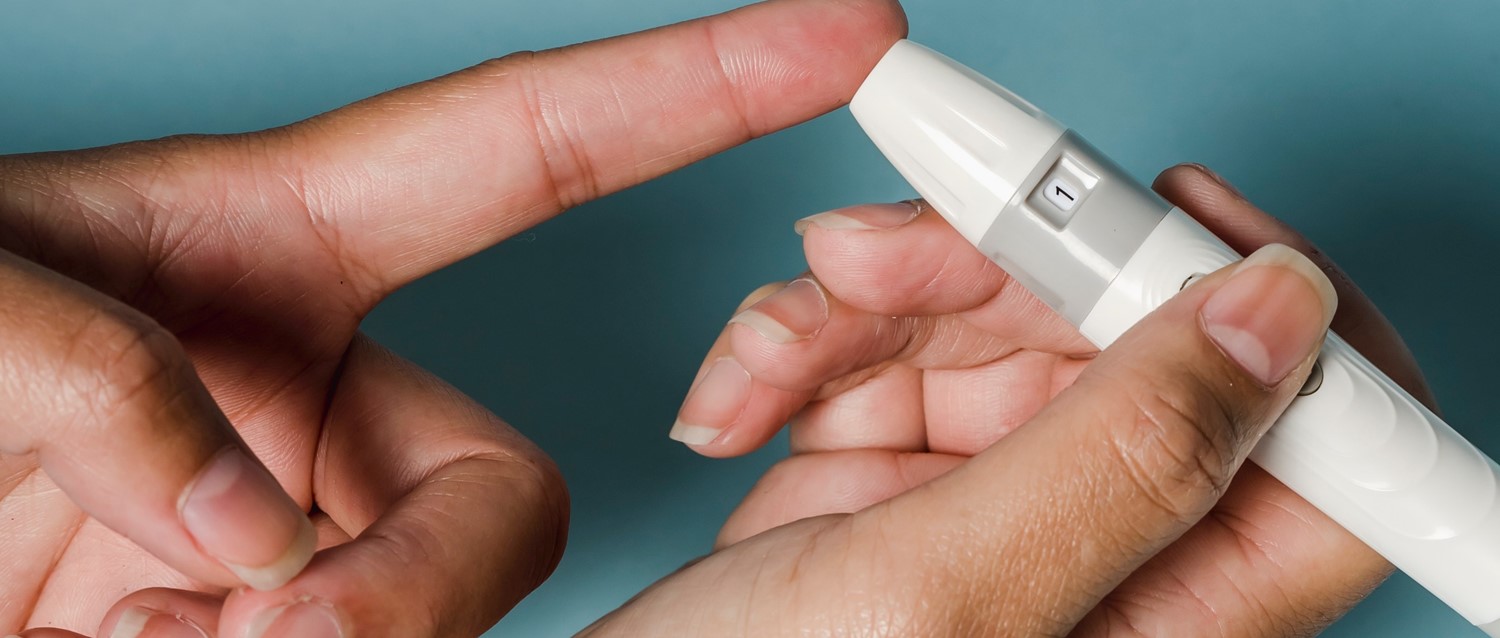
Hypoglycaemia - often colloquially referred to as a 'hypo' - occurs when someone's blood sugar level drops too low. Although it mainly affects people with diabetes, especially if they take insulin, it can be possible for those without diabetes to experience a hypo too. But why exactly does hypoglycaemia happen - and what are the risks?
by Lydia Smith
About the author
Authored by

Danny Chadburn
Head of Content
Danny was the previous Head of Content at Patient.
About the reviewerView full bio

Dr Sarah Jarvis
Clinical Consultant
MA (Cantab), BM, BCh (Oxon), DRCOG, FRCGP, MBE
After training in medicine at Cambridge and Oxford, Dr Sarah Jarvis MBE became a GP.
Join the conversation
Share your thoughts or experiences with others in our patient communities.

Ask, share, connect.
Browse discussions, ask questions, and share experiences across hundreds of health topics.

Feeling unwell?
Assess your symptoms online for free
Sign up to the Patient newsletter
Your weekly dose of clear, trustworthy health advice - written to help you feel informed, confident and in control.
By subscribing you accept our Privacy Policy. You can unsubscribe at any time. We never sell your data.