Best before date: how long is food actually good for?
Peer reviewed by Dr Krishna Vakharia, MRCGPAuthored by Amberley DavisOriginally published 29 Dec 2022
Meets Patient’s editorial guidelines
- DownloadDownload
- Share
- Language
- Discussion
- Ask Patient
- Audio Version
- Add to preferred sources on Google
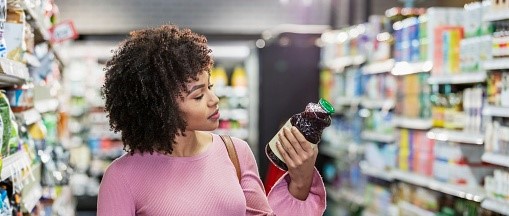
You go to fill your breakfast bowl with milk and notice the best before date has passed - do you really need to bin it and face the morning with dry cereal? In the context of inflated food prices and the climate change crisis, it's never been more important to reduce food waste. But if you're confused by food labelling, you're not alone.
Video picks for Healthy eatingVideo library
What is a best before date?
In the UK, we throw out more than 6.5 million tonnes of food in our household waste each year1, yet much of this food is still safe for us to eat. Food labelling confusion around best before dates and use by dates plays a part in this preventable food waste problem.
Best before dates are an indicator of quality. If you eat a product after this date, you may find it has lost some of its desired flavour, texture, or colour.
These dates are there to help you eat foods while they're at their most fresh and delicious - but they're not there to tell you they're unsafe to consume after the date passes.
Yet, the presence of a best before date on food labels encourages the waste of perfectly edible and safe food. If we can better understand date labelling on food products, we can help improve both environmental and public health.
How are best before dates determined?
Emily Broad Leib is a professor of law and faculty director of the Harvard Law School Food Law and Policy Clinic. She says that many countries have no standardising laws for food labels, leaving manufacturers to their own devices.
This ultimately means more confusion - different companies use various quality-based methods to determine their best before dates, and also use different phrases on packaging for consumers to interpret.
"The UK, however, is a global best practice2. They standardised and clarified their date labelling requirements to align with standards endorsed by the Codex Alimentarius, the United Nation's (UN) internationally recognised code of practice," adds Broad Leib.
What's the difference between use by and best before dates?
The key difference to remember is:
A best before date - tells you when the quality of the food declines.
A use by date - tells you when that food becomes unsafe to eat.
We can choose to eat a food item after it's best before date - so long as not past its use by date and we've followed its storage instructions.
You won't always find both dates on one food product. This is because manufacturers are only required to add a use by date on highly perishable items - foods that spoil relatively easily and quickly. Likewise, best before dates are mainly found on less perishable items.
Food safety in the cost of living crisis
The rising costs of goods and services in the UK and fall in disposable income - known as the cost of living crisis - endangers public health in several ways. In one 2022 survey3, around one third of respondents admitted to having eaten food past its use by date in order to save money on food spending.
Eating expired food risks illness. Every year, around 2.4 million people experience food poisoning in the UK4.
Food poisoning symptoms include:
Some expired foods develop dangerous bacteria that can upset your stomach, potentially causing any of the above symptoms, but they may also cause muscle aches, confusion, and loss of balance.
With more families struggling to afford food and other basic services like fuel, the need for people to understand best before dates versus use by dates is more important than ever.
How long after the best before date can you still eat something?
When the clock strikes midnight on your food label date, food doesn't suddenly deteriorate or expire. In reality, the process is more gradual, but food manufacturers have to choose a cut-off point. "There is no rule of thumb or specific timeframe we can offer," says professor Broad Leib.
This is true of the best before date and the use by date, but flexibility is not recommended with a use by date much beyond the point of having something that looks and smells normal a day or so after expiry.
So how can we use our judgement to decide how long after a best before date we can eat something while doing our bit to reduce food waste? This can be particularly tricky if no use by date is given, but there are handy tips to guide you.
1. Follow the rule of three
First things first, you need to ensure you've followed these three food safety tips:
Use by date - if food is fresh and has a use by date, don't exceed this date, or if it can be frozen, do so before this deadline.
Follow storage instructions - use air-tight containers and take note if the packaging tells you to use the item within a particular timeframe once it's been opened.
Label frozen foods - if freezing fresh food, write the date you froze it on the package so you can track how many weeks or months you've kept it.
2. Use your senses
"The best way to determine if a food remains good to eat is using your senses," says Broad Leib. "The UK-based consumer campaigns Love Food Hate Waste and Look, Smell, Taste, Don't Waste are great examples of empowering consumers to think critically about their food."
For example:
Research from US Packaging and Wrapping reveals that the top three foods we're most concerned about going bad are eggs, chicken, and milk5.
Eggs - an egg has gone rotten if it smells bad once cracked open. You can also test it by shaking it and listening for sloshing noises, or by placing it in water to see if it floats - both signs of a rotten egg.
Chicken - signs of bad chicken are a foul smell and raw chicken that's become tacky rather than shiny, and grey or green rather than pale pink - although some mild colour changes are normal.
Milk - you can tell your milk has turned if it smells bad or if it appears lumpy or thick.
3. Past its best before guide - by product
If you also follow the above steps, there are some helpful general rules for how long past a best before date you can eat something. This varies greatly by product type.
Short life foods
Eggs - up to one month. Can freeze without the shell in ice-cube containers for one year.
Milk - up to one week. Can freeze for 3-4 months.
Meat, chicken, fish - 3-4 days. Can freeze for up to 6-9 months.
Seafood - 2-3 days. Can freeze for 2-3 months.
Longer life foods
Pasta, rice, and canned soups and vegetables - 12-24 months.
Flour and sugar - 6-12 months.
Honey, syrup, and jam - 6 months in the fridge.
Oil, butter, and nut spreads - 3-4 months away from sunlight.
How can we reduce food waste?
Eating safe and edible food beyond its best before date is just one of the ways we can reduce our household food waste.
Lisa Moon is president and CEO of The Global FoodBanking Network. She stresses that better understanding of best before dates can help combat hunger.
"Non-perishable foods are often safe and nutritious well after their best before date and could be used to supply families struggling to eat."
Moon also believes that governments around the world should adopt date labelling laws on food that clearly differentiate quality-based dates and safety-based dates.
"It's important for governments to introduce liability protections for businesses that donate foods to food banks in good faith. An existing example is the Good Samaritan Law adopted in the US, which protects food donors, food banks, and other nonprofit recovery and distribution organisations from civil and criminal liability."
Further reading
Patient picks for Healthy eating
Healthy living
Should you eat before swimming and what types of food are best?
You've probably heard the rumour that you shouldn't eat before going swimming, because it will make you sink to the bottom. Perhaps you were told it as a child. But what's the truth behind that? Can you eat before going swimming? And if so, what foods are best for enhancing your performance?
by Emily Jane Bashforth

Diet and nutrition
How to live longer: good habits for a healthy life
When it comes to living a long life, genetics can play a part. We know that keeping healthy and fit, consuming fruit and vegetables and remaining active all help to keep us healthy. But what other healthy habits might help us to stick around a little bit longer? We look at some extra ways you can boost your chances of a long life.
by Gillian Harvey
Allergies, blood and immune system
How to introduce your baby to allergenic foods
Moving your baby on to solid foods can be a fun process, especially as you watch their faces as they try new flavours and textures. But it can also be nerve-wracking to introduce your baby to foods that can trigger an allergic reaction, such as peanuts or shellfish. So how can you do it safely?
by Lawrence Higgins
COVID-19
Long COVID: what it is and how to cope
Following the COVID-19 pandemic, some people continue to have symptoms long after recovering from the initial infection. This condition is commonly known as long COVID. It can last for months or even years, and affect your quality of life. While there is currently no cure for long COVID, we look at some practical ways to help manage its symptoms and improve your daily wellbeing.
by Victoria Raw
Diet and nutrition
Ultra-processed foods: Are dairy-free milks like oat or soya good for us?
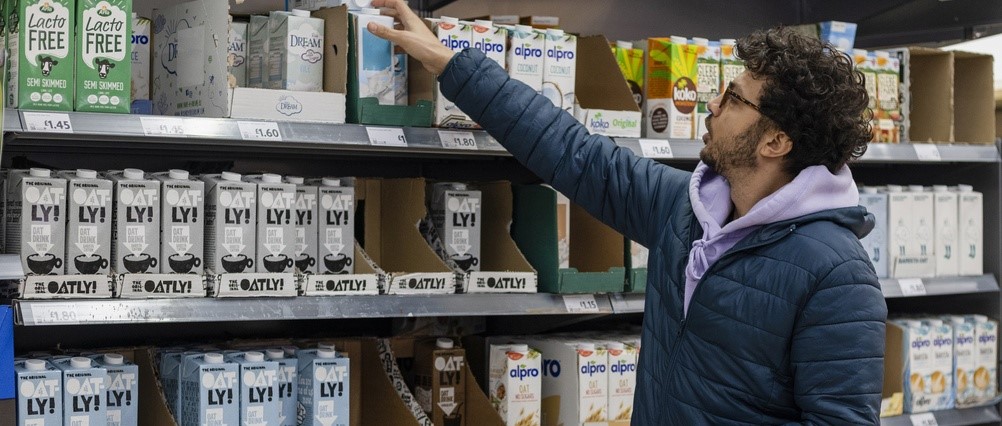
Sales of plant-based milks, like oat, soya, almond and coconut milk, have increased dramatically in the last few years. Around 1 in 3 British people drink dairy-free milks, turning it into a £400 million-a-year market in the UK. But with many of these drinks classed as ultra-processed, are they actually good for us?
by Lydia Smith
Skin, nail and hair health
The best foods and nutrients to eat for healthy skin
It sometimes seems we go from fighting teenage blemishes, straight on to battling wrinkles. However, incorporating nutrient-rich foods into your diet can benefit your skin at any age. Here we take a look at some of the key nutrients for healthy skin and what you should be adding to your weekly shop to get them.
by Victoria Raw
About the authorView full bio
Authored by

Amberley Davis
Senior writer
BA (Hons), CPD
Amberley is a senior writer with Patient and has written extensively on a range of health and wellbeing topics.
About the reviewerView full bio

Dr Krishna Vakharia, MRCGP
Chief Medical Officer for Health, Optum UK
MBChB, MRCGP(2013), BMedSci (hons), DFSRH, DRCOG, PGDipDerm (Distn)
Dr Krishna Vakharia is an NHS GP. She is also a regular examiner for the postgraduate Diploma in Practical Dermatology at Cardiff University as well as being the Chief Medical Officer for health at Optum UK.
Article history
Article also available in English, German, Spanish, French, Italian, Portuguese, Hindi, Hebrew, Arabic, and Swedish.
29 Dec 2022 | Originally published
Authored by:
Amberley DavisPeer reviewed by
Dr Krishna Vakharia, MRCGP
Share your thoughts or experiences with others in our patient communities.
Sign up to the Patient newsletter
Your weekly dose of clear, trustworthy health advice - written to help you feel informed, confident and in control.
By subscribing you accept our Privacy Policy. You can unsubscribe at any time. We never sell your data.