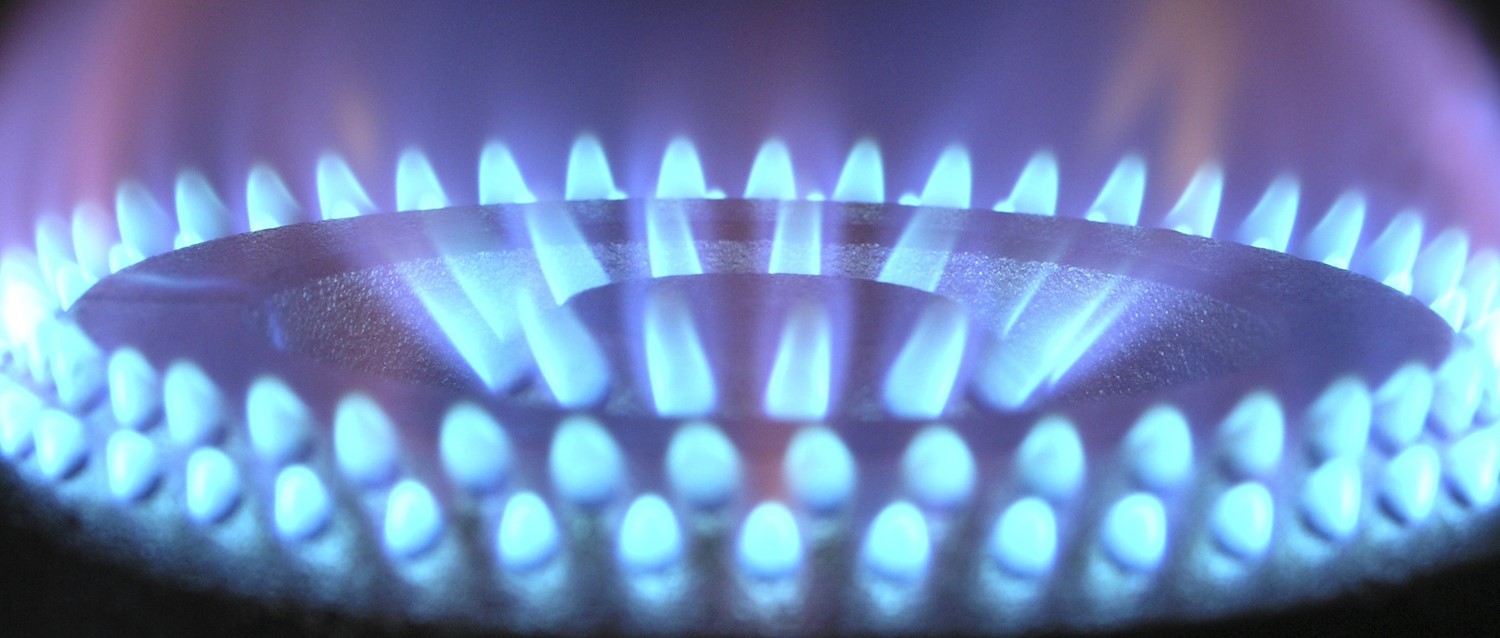
What is fuel poverty and how does it affect our health?
Peer reviewed by Dr Krishna Vakharia, MRCGPAuthored by Lydia SmithOriginally published 9 Nov 2022
Meets Patient’s editorial guidelines
- DownloadDownload
- Share
- Language
- Discussion
- Ask Patient
- Audio Version
- Add to preferred sources on Google
The soaring cost of living and rise in gas prices has led to a surge in the number of households struggling to afford heat and electricity. The energy crisis has led to a sharp rise in fuel poverty, but what exactly does this mean?
Video picks for Environmental conditionsVideo library
What is fuel poverty?
Fuel poverty means being unable to afford to heat your home to a safe and comfortable standard. A household is usually classed as being in fuel poverty when they spend ten percent or more of their net income on fuel.
There are a number of factors that contribute to fuel poverty. Low or stagnant incomes, high fuel prices, unaffordable housing prices, and poor quality rental housing can have an impact on people's ability to heat their homes.
A rise in energy costs has led to a significant increase in fuel poverty in the UK. In April 2022, average household energy bills increased by by 54% from £1,277 to £1,9711 - and rose again to £2,500 in October2. As a result, an increasing number of people are struggling financially and having to make difficult decisions, such as choosing between heating their homes and buying food.
Between October 2021 and April 2022, National Energy Action estimated that the number of UK households in fuel poverty increased from 4.5 million to 6.5 million3. More people are expected to be plunged into fuel poverty as winter sets in.
How does fuel poverty affect health?
Fuel poverty has a detrimental impact on our health and wellbeing. Some existing health conditions can be affected badly by cold and others can be brought on as a result of prolonged exposure to the cold. Living in a cold, damp home can increase the risk of cardiovascular problems, especially among vulnerable people such as the elderly.
In cold temperatures, blood tends to thicken, leading to an increase in blood pressure and increased risk of heart attack and stroke as the heart works harder to pump blood around the body4.
Being cold also affects our body's ability to fight off infection. Lung conditions and coughs can develop into a more serious problem, such as pneumonia.
Cold conditions in a home can also contribute to dampness and mould growth, which can lead to breathing problems. Mould spores and dust mites in the air can cause allergic reactions, which in turn can cause issues for people with respiratory illnesses such as asthma.
Fuel poverty can also impact mental health, leading to stress, anxiety and depression.
How does fuel poverty affect children?
Children in cold homes are more than twice as likely to suffer from breathing problems when compared to those in dry and warm homes5.
Poverty is a known risk factor when it comes to poor mental health and living in a cold home can also have a negative impact on children’s education, as those with health issues caused by cold, damp homes may need time off school6. Children living in poverty may also struggle to concentrate on school if they are hungry or tired.
How to get help with fuel poverty
Speak to your energy supplier
If you're struggling to afford your bills, speak to your supplier to see if you can alter your payment plans. Providers have ways to be able to support their customers, so talking to them as soon as possible is important to tackle fuel poverty.
Seek financial support
There are various ways to get support if you’re struggling financially. You can check if you are eligible for benefits on Gov.uk. The government will send you a 'cost of living payment' if you get certain benefits, such as Universal Credit, PIP or Attendance Allowance. You will also be eligible if you are over State Pension age and get Winter Fuel Payments.
You may be able to apply to your council’s local welfare assistance scheme. Each local authority runs their own scheme - some offer small grants or food vouchers.
Get help via a charity
Some charities offer support services and help people access grants and benefits, including Turn2Us and the debt charity StepChange. Citizens Advice also has helpful information regarding energy bills, benefits and financial support.
It's important not to struggle alone, even though it can be challenging to talk about financial worries.
Further reading
UK Parliament: Domestic energy prices
Energy Saving Trust: How will energy bills go down?
National Energy Action: Energy crisis
NHS England: Cold weather increases risk of heart attack and stroke
Patient picks for Environmental conditions
Healthy living
How modern life affects your weight - beyond diet and exercise
If our bodies are designed to regulate our weight, why are more people living with obesity than ever before? Our genes haven't changed significantly over recent decades, but our environment, lifestyles, and individual biology all influence how our bodies regulate hunger, burn energy, and store fat. Understanding these factors can help explain why managing weight is more difficult for some people than others, even when they're trying to make healthier choices.
by Dr Caroline Butler
General health and lifestyle
How does climate change affect mental health?
From extreme weather events to TV and social media news stories, the climate change crisis touches everyone's lives in one form or another. How is this affecting our mental well-being? And how can we try to stay positive in an increasingly negative world?
by Amberley Davis

General health and lifestyle
What's a permacrisis, and its impact on our mental health?
There seems to have been nothing but bad news for the last few years, with constant reports of viruses, wars, and political misbehaving. Lurching from one crisis to another has now got its own new name 'permacrisis', but how does this never-ending stream of negative news affect us?
by Noella Pio Kivlehan
Diet and nutrition
What is the carnivore diet and is it healthy?
The carnivore diet is one of the fastest-growing dietary trends on social media. Far from your average high-protein low-carb diet, on the carnivore diet you eat meat, and meat alone. If this sounds questionable for your health and contrary to mainstream nutritional advice, that's because it is.
by Victoria Raw

General health and lifestyle
Is plastic affecting our health?
We're all aware of the growing threat of plastic pollution and its negative impact on the environment, but what about the effects on our health? We explore what the facts tell us so far, and share a few tips on making simple plastic swaps that can benefit your wallet and the planet.
by Georgia Gallant

Bones, joints and muscles
How obesity affects joint health - and what you can do about it
Looking after your joints is important if you want to stay active and keep moving comfortably - especially as you get older. Lots of things can affect your joint health, but carrying extra weight plays a major role. We look at how weight impacts your joints and share some simple ways to help reduce the strain.
by Victoria Raw
About the authorView full bio
Authored by

Lydia Smith
Feature writer
BA, MA, MSc
Lydia Smith is an award-winning journalist and feature writer who has written extensively on women's health and mental health. She is currently studying for an MSc in psychology.
About the reviewerView full bio

Dr Krishna Vakharia, MRCGP
Chief Medical Officer for Health, Optum UK
MBChB, MRCGP(2013), BMedSci (hons), DFSRH, DRCOG, PGDipDerm (Distn)
Dr Krishna Vakharia is an NHS GP. She is also a regular examiner for the postgraduate Diploma in Practical Dermatology at Cardiff University as well as being the Chief Medical Officer for health at Optum UK.
Article history
Article also available in English, German, Spanish, French, Italian, Portuguese, Hindi, Hebrew, Arabic, and Swedish.
9 Nov 2022 | Originally published
Authored by:
Lydia SmithPeer reviewed by
Dr Krishna Vakharia, MRCGP
Share your thoughts or experiences with others in our patient communities.
Sign up to the Patient newsletter
Your weekly dose of clear, trustworthy health advice - written to help you feel informed, confident and in control.
By subscribing you accept our Privacy Policy. You can unsubscribe at any time. We never sell your data.