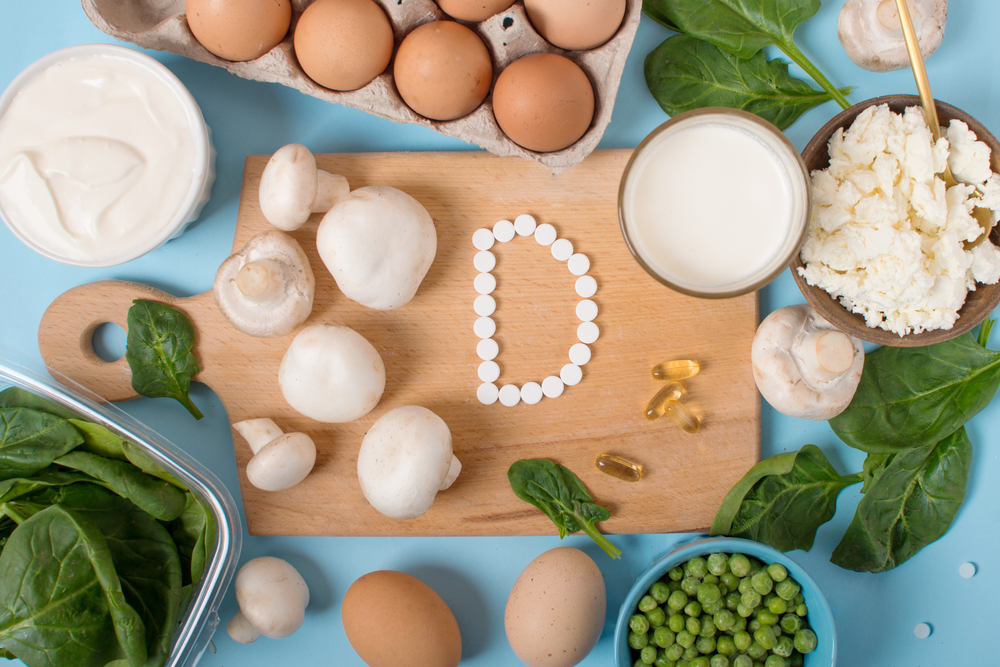
10 everyday foods high in vitamin D
Peer reviewed by Dr Colin Tidy, MRCGPAuthored by Josh AldermanOriginally published 29 Oct 2025
Meets Patient’s editorial guidelines
- DownloadDownload
- Share
- Language
- Discussion
- Ask Patient
- Audio Version
- Add to preferred sources on Google
Vitamin D plays an essential role in bone health, immunity, and mood, yet many people in the UK don’t get enough, especially during the darker months.
While sunlight is the main source, certain foods can also help to boost your levels naturally. In this article, we explore vitamin D foods you might not expect and how to include them in your diet.
Video picks for Vitamins and supplementsVideo library
Why do we need vitamin D?
Vitamin D helps the body absorb calcium and phosphate, nutrients that are vital for strong bones, teeth, and muscles. A deficiency can cause fatigue, low mood, weakened immunity, and, in severe cases, bone problems such as rickets or osteoporosis.
Since the body produces vitamin D when the skin is exposed to sunlight, some people may be deficient during the autumn and winter months.
To bridge that seasonal gap, experts recommend adults consider a daily 10 micrograms (400 International Units) supplement from October through March to maintain healthy levels of this essential vitamin.¹
Alongside your daily supplement, it’s a good idea to boost your vitamin D intake through food. There are plenty of everyday sources that you might already know of - and a few that might even surprise you.
10 foods high in vitamin D
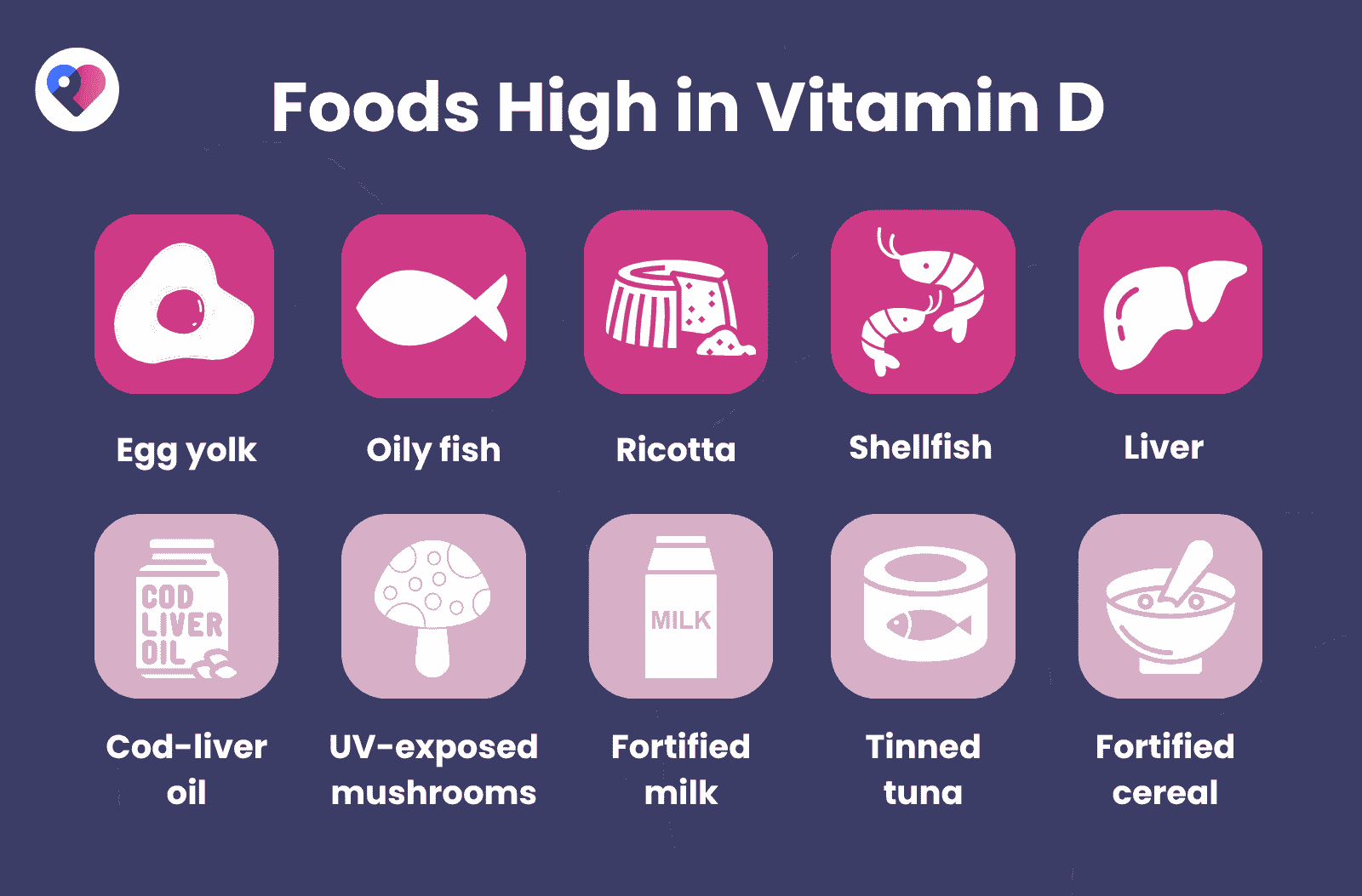
Everyday foods high in vitamin D
1. Oily fish
Oily fish, are among the richest natural sources of vitamin D. Just one serving of salmon or mackerel can provide most of your daily requirement.
Sardines, whether fresh or canned, are another excellent option and supply calcium and omega-3 fatty acids.
2. Egg yolks
Eggs are a convenient and versatile way to get more vitamin D. The yolk contains most of the nutrient, so eating whole eggs rather than just the whites is best.
Vitamin D levels can vary depending on how the hens were raised, and eggs from free-range or outdoor-reared hens tend to contain more.
3. Fortified foods
In the UK, many everyday foods are fortified with vitamin D, meaning it is added during production. Common examples include:
Breakfast cereals.
Margarine and spreads.
Some plant-based milks such as soya, oat, or almond.
Fortified orange juice.
Fortified foods are particularly useful for vegetarians, vegans, or anyone who does not eat fish. Always check the label to see how much vitamin D a product contains.
4. Mushrooms exposed to sunlight
Most mushrooms contain very little vitamin D unless they have been exposed to UV light, which increases their vitamin D2 content. Look for labels that say “UV-exposed” or “vitamin D enriched”.
Leaving ordinary mushrooms on a sunny windowsill for an hour before cooking can slightly boost their vitamin D levels.
5. Liver
Beef and lamb liver are rich in several nutrients, including vitamin D, iron, and vitamin A. However, because they are high in vitamin A, they should be eaten in moderation, especially by people who are pregnant, as too much vitamin A can be harmful to the baby.
6. Cod liver oil
Cod liver oil has long been a popular supplement in the UK and is still one of the richest natural sources of vitamin D.
Just one teaspoon can give you your entire daily dose. However, because it’s also high in vitamin A, it’s best to follow the recommended dosage and avoid taking it alongside other vitamin A supplements.
7. Tinned tuna
Fresh tuna loses much of its vitamin D during cooking, but tinned tuna retains more of it. It is a convenient cupboard staple that can be added to sandwiches, salads, or pasta dishes.
Choose tuna canned in spring water rather than oil for a lighter option.
8. Cheese
Some types of cheese, particularly ricotta, contain small amounts of vitamin D, and when combined with other foods high in vitamin D, can contribute to your overall intake.
Cheese also provides calcium and protein, which support bone and muscle health.
9. Shellfish
Prawns, and oysters contain modest amounts of vitamin D, along with protein, zinc, and vitamin B12. They are also lower in fat than other animal sources, making them a healthy addition to a balanced diet.
10. Fortified plant-based alternatives
For those following a vegan diet, fortified plant-based milks, yoghurts, and spreads are among the most reliable vitamin D foods.
They usually contain vitamin D2, though some brands now add D3 derived from lichen2, which is suitable for vegans and thought to be more effective.
Getting enough vitamin D
It can be difficult to meet your vitamin D needs through food alone, even with a varied diet. This is why supplementation is sometimes recommended, particularly during the winter months or for people at higher risk of deficiency, including those who rarely go outdoors or have darker skin tones.
If you are unsure whether you need a supplement, speak to your doctor or pharmacist. They may recommend a simple blood test to check your levels.
Summary
Although sunlight is the main source of vitamin D, certain foods high in vitamin D, such as oily fish, fortified products, and eggs, can make a valuable contribution.
For most people, combining these foods with a daily supplement during the winter offers the best protection against deficiency. Always make sure to stick to the recommended intake to avoid vitamin D toxicity.
Keeping your vitamin D levels healthy supports not only bones and muscles but also your immune system and overall wellbeing.
Further reading
Patient picks for Vitamins and supplements

Senior health
The best anti-ageing supplements for your health
The term anti-ageing is written on many beauty creams and other skincare products packaging. But what does anti-ageing mean inside the body? Here, it goes beyond the appearance of our face lines, to healthy internal ageing. This means how well our cells and organs are remaining healthy and able to fight decline and disease as we grow older - so that we can live happily for as long as possible. We explore the anti-ageing supplements that help our bodies do just this, according to experts.
by Lawrence Higgins

Diabetes
Can taking supplements help manage diabetes?
According to Diabetes UK, some people with diabetes believe that certain vitamins and supplements may help manage their blood sugar levels. While they shouldn't be a substitute for conventional treatment, here’s a look at some of the most commonly used supplements, and their purported benefits.
by Victoria Raw

Diet and nutrition
How to boost your vitamin D levels this winter
With less sunlight during the winter months, your body's ability to produce vitamin D diminishes. This can have a negative effect on your health. But what happens to our vitamin D levels during winter, and how can we support our health by boosting them until the sunshine returns?
by Victoria Raw

Diet and nutrition
How to get vitamin-ready for autumn and winter
Winter might be the last thing on your mind as you enjoy the ebbing rays of the sun but, make no mistake, those darker days with their accompanying coughs and sneezes are just around the corner. So, what can you do apart from stock up on tissues and Lemsip? Read on for your step-by-step plan to getting 'vitamin-ready' for winter.
by Dr Carrie Ruxton, PhD, Child Nutrition

Diet and nutrition
What vitamins do I need?
We hear so much about the importance of a healthy balanced diet. Eating a good amount of fruit and veg goes without saying. They're packed full of vitamins and minerals, and because they all have different nutrients, a wide variety gives the best benefits. Almost half of us take at least one vitamin or mineral supplement, but do we really need them?
by Victoria Raw

Diet and nutrition
What are the benefits of vitamin D?
No matter how healthy our diet, we're unlikely to get enough vitamin D. So, are vitamin D supplements the answer to giving our bodies a boost and do we need to take them all year round.
by Victoria Raw
About the authorView full bio
Authored by

Josh Alderman
SEO Executive
BA (Hons) Media and Print Journalism
Josh is an SEO executive at Patient with over 4 years experience working within the healthcare sphere.
About the reviewerView full bio

Dr Colin Tidy, MRCGP
General Practitioner, Medical Author
MBBS, MRCGP, MRCP (Paediatrics), DCH
Dr Colin Tidy is an NHS Doctor, based in Oxfordshire.
Article history
Article also available in English, German, Spanish, French, Italian, Portuguese, Hindi, Hebrew, Arabic, and Swedish.
Next review due: 29 Oct 2028
29 Oct 2025 | Originally published
Authored by:
Josh AldermanPeer reviewed by
Dr Colin Tidy, MRCGP
Share your thoughts or experiences with others in our patient communities.
Sign up to the Patient newsletter
Your weekly dose of clear, trustworthy health advice - written to help you feel informed, confident and in control.
By subscribing you accept our Privacy Policy. You can unsubscribe at any time. We never sell your data.