How to avoid iron deficiency
Peer reviewed by Dr Krishna Vakharia, MRCGPAuthored by Ellie BroughtonOriginally published 24 Jun 2022
Meets Patient’s editorial guidelines
- DownloadDownload
- Share
- Language
- Discussion
- Ask Patient
- Audio Version
- Add to preferred sources on Google
As the cost of living rises, many people in the UK are looking for ways to cut back on bills, including groceries. But iron-rich foods - whether red meat or vegetarian - remain essential to avoid iron deficiency, whatever our weekly budget.
Video picks for NutritionVideo library
What is iron deficiency?
Iron is an important part of our diet and contributes to the healthy functioning of our body. A deficiency in iron means that you have a lack of iron in your blood. This can lead to iron-deficiency anaemia.
What causes iron deficiency?
The common causes of iron deficiency include:
Heavy menstrual periods.
Pregnancy.
Bleeding from the gut.
Medication.
Bleeding from the kidney.
Dietary factors.
What are the symptoms of iron deficiency?
The signs and symptoms of iron deficiency can be difficult to spot, especially if your case is mild. Some common symptoms include:
Tiredness and shortness of breath.
Struggling to concentrate.
Reduced ability to exercise.
Hair losing its condition, and possibly hair loss.
If you are concerned about your iron levels, then you should consult your GP.
The link between iron deficiency and food insecurity
What we reach for from our cupboards can change when we switch to cheaper options at the supermarket or accept support from a food bank. Faced with fewer food options, knowing what we need to eat, and when, helps us continue to care for ourselves despite difficult circumstances.
Last year, a systematic review led by Imperial College London researchers found that UK austerity policies were consistently linked to food insecurity and food bank use. One of the papers it referenced showed a clear association between food insecurity and iron-deficiency anaemia in children.
How much iron do I need per day?
Iron is a vital part of a balanced diet, particularly if you have periods. You are recommended to have 14.8 mg of iron a day if you menstruate - this is nearly twice what the British Dietetic Association (BDA) recommends for men and for women after menopause (8.7 mg).
The recommended iron intake for children can vary:
Children aged 2-3 years need 6.9 mg a day.
Children aged 4-6 years need 6.1 mg.
From the age of 7 years, children need 8.7 mg a day.
From the age of 11 years, this rises to 11.3 mg for teenage boys, and 14.8 mg for teenage girls.
If you are pregnant, your iron demands increase, rising to 30 mg a day in the latter half of your pregnancy. Clinicians will check your blood for iron during your booking appointment, and at 28 weeks, to check you have enough.
Meat and fish as a source of iron
Meat and fish are full of a type of iron that's easy for the body to absorb (heme iron), advises Jo Travers, a nutritionist and registered dietitian working in London. "Generally speaking," she says, "the best source of iron - the most iron, and the most easily absorbed - is from red meat. Beef and lamb are the best sources, and darker meat has more iron than lighter meat - for example, chicken thighs have a bit more than chicken breast."
Eating sausages, bacon, salami and other kinds of processed meat for your iron content is fine, but following new research into processed food, current advice is to try to eat smaller portions. For example, if you usually eat three rashers of bacon (90 g), cut down to two (70 g).
Vegetarian iron sources
The other kind of iron we can consume is called non-heme, and it's found in all kinds of vegetarian and vegan food.
Lentils and beans
Lentils and beans are a good source of iron and can be incorporated into lots of recipes. Foods such as beans, lentils and chickpeas can be used as a substitute for meat in your diet because they contain protein, zinc and other nutrients you'd get from meat, Travers says.
"Dried beans will sit on your cupboard shelf for years and not go bad," she says. "They are even cheaper than tinned beans, but you do need to rehydrate them before use. You do this by soaking and then cooking them.
"Once rehydrated, they take about 10-20 minutes to cook. If you have the option to use dried beans, then that's a really cheap way of getting your iron.
"Dark green leafy veg is another good source of iron - kale being a standout example", she adds.
Vitamin C
To maximise your iron intake, Travers says you should look for ways to pair vitamin-C-rich food with your iron sources.
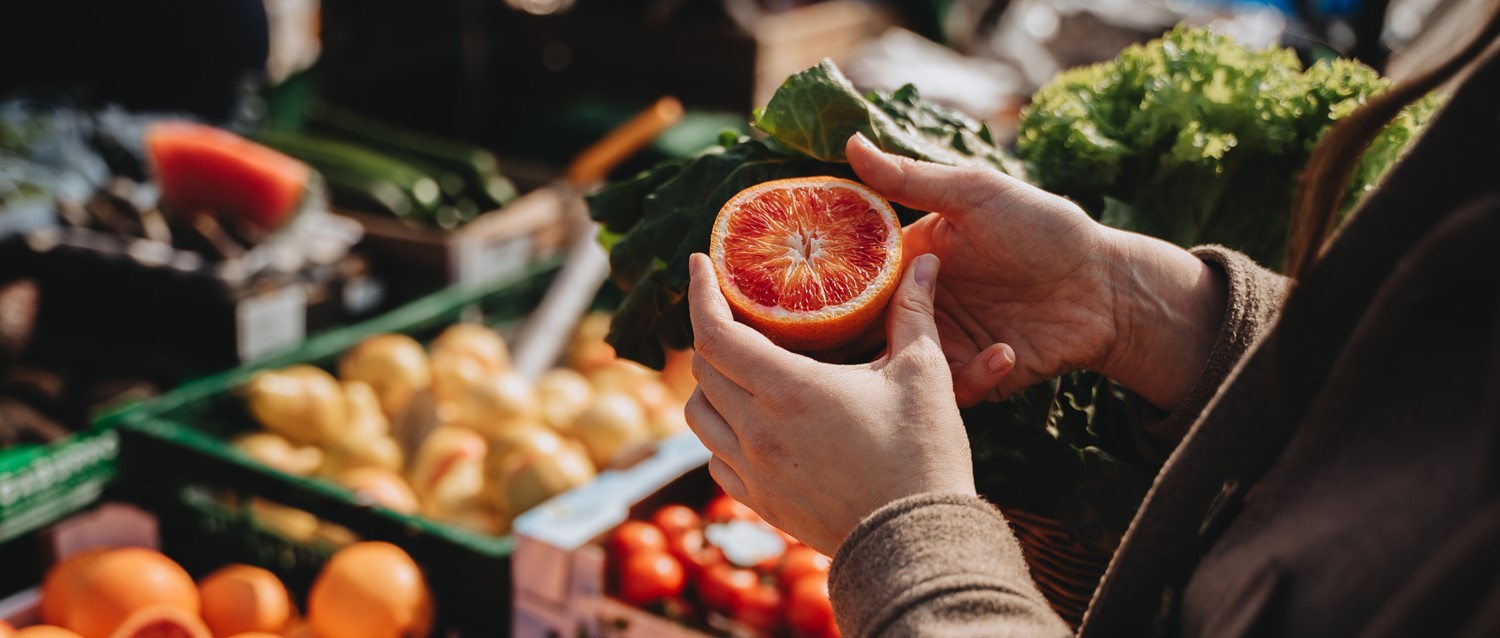
"Before this type of iron can be absorbed, it needs to go through an additional process in the stomach, which requires vitamin C," she explains. "There are various foods that contain vitamin C and iron such as orange juice and citrus fruits, spinach and sweet potato."
Iron-rich snacks
When we're time-poor and preoccupied, eating well can be one of the first things to slip. Anxiety can also lead to a loss of appetite. At times like this, knowing a few easy meals can make all the difference.
Bread and cereals
Simple snacks such as a bowl of cereal or a couple of slices of toast can form part of a varied diet. In the UK, all non-wholemeal bread is made using fortified flour: for example, a couple of slices contains 2 mg of iron. Likewise, UK cereals are often fortified with iron: for example, two Weetabix biscuits contain 4.5 mg of iron.
Nuts and dried fruit
When you are on the go, nuts and dried fruit are a fast way to top up your iron levels and help avoid iron deficiency. For example, 50 g of raisins contains about 1 mg of iron, and 40 g of peanut butter contains 0.8 mg.
Preventing iron deficiency
In 2013, during the UK government's austerity programme, research by the Nuffield Fund found that iron-deficiency anaemia accounted for a number of preventable admissions to hospitals. The report also found that levels of deprivation are strongly linked to rates of avoidable admission. By taking care of what we eat and helping others do the same, we can take small steps to prevent issues such as iron deficiency.
Patient picks for Nutrition
Allergies, blood and immune system
Iron-deficiency anaemia
Iron-deficiency anaemia is a common type of anaemia that is caused by a lack of iron. Symptoms include pale skin and lack of energy. A low level of iron, leading to anaemia, can result from various causes. Some are more serious than others.
by Dr Rachel Hudson, MRCGP
Healthy living
Basal metabolic rate (BMR) calculator
Open the BMR calculator.
by Patient infomatics team
Diet and nutrition
How to avoid ultra processed foods when you're vegan
More people are cutting out meat in favour of plant-based diets for ethical, environmental and health reasons. But not all plant-based foods - either vegetarian or vegan - are as healthy as we think they are. In fact, some are classed as ultra-processed foods, which have been linked to heart disease and cancer.
by Victoria Raw
General health and lifestyle
Ideas, Concerns and Expectations - a guide to filling in your GP’s online form
Booking a GP appointment has changed. Instead of waiting on the phone line at 8am, many people now complete an online consultation form through their practice website. At first glance, it may feel like another bureaucratic hurdle. But in fact, these forms are designed to help you, and your GP team, get to the heart of your problem more quickly. The way you fill them in makes a real difference. When you provide clear, thoughtful information, it not only helps the practice decide whether something is urgent, but also ensures you are directed to the right person in the wider primary care team. That might be your GP - but it could just as easily be a nurse, a pharmacist, a physiotherapist, or another professional who can meet your needs sooner. One of the simplest tools to guide you is known as Ideas, Concerns and Expectations, or ICE.
by Thomas Andrew Porteus, MBCS
Bones, joints and muscles
How to avoid neck, shoulder and back pain while working from home
Have you found it hard to set up a comfortable workspace during the coronavirus lockdown? Started missing your standing desk or office chair whilst working from home? Our workspace can cause our muscles considerable pain if not set up properly, so we asked two experts to explain how best to do it.
by Andrea Downey
Preventative health
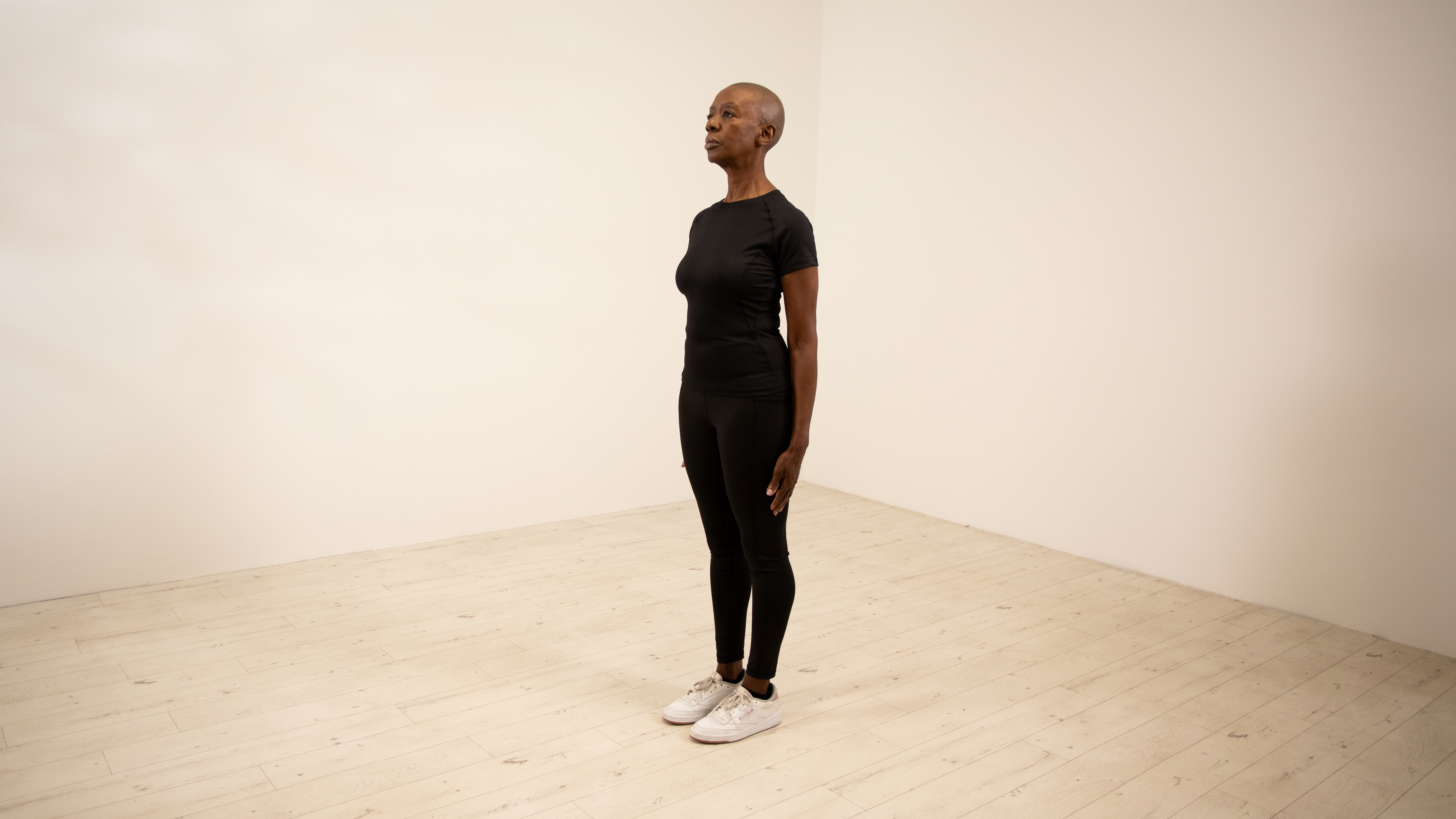
Posture Awareness Walk
The Posture Awareness Walk is a mindful movement exercise that improves body awareness, alignment, and walking mechanics. Walk at a steady pace while focusing on your posture. Stand tall, lift your chest, and gently draw your shoulders back and down. Pay attention to how your feet strike the ground and how your weight shifts with each step. Move with control and awareness, using this time to reconnect with your posture and movement patterns. This exercise enhances balance, alignment, and overall postural control.
About the author
Authored by

Ellie Broughton
About the reviewerView full bio

Dr Krishna Vakharia, MRCGP
Chief Medical Officer for Health, Optum UK
MBChB, MRCGP(2013), BMedSci (hons), DFSRH, DRCOG, PGDipDerm (Distn)
Dr Krishna Vakharia is an NHS GP. She is also a regular examiner for the postgraduate Diploma in Practical Dermatology at Cardiff University as well as being the Chief Medical Officer for health at Optum UK.
Article history
Article also available in English, German, Spanish, French, Italian, Portuguese, Hindi, Hebrew, Arabic, and Swedish.
24 Jun 2022 | Originally published
Authored by:
Ellie Broughton
Peer reviewed by
Dr Krishna Vakharia, MRCGP
Share your thoughts or experiences with others in our patient communities.
Sign up to the Patient newsletter
Your weekly dose of clear, trustworthy health advice - written to help you feel informed, confident and in control.
By subscribing you accept our Privacy Policy. You can unsubscribe at any time. We never sell your data.