How to avoid ultra processed foods when you're vegan
Peer reviewed by Dr Krishna Vakharia, MRCGPLast updated by Victoria RawLast updated 27 Jan 2025
Meets Patient’s editorial guidelines
- DownloadDownload
- Share
- Language
- Discussion
- Ask Patient
- Audio Version
- Add to preferred sources on Google
More people are cutting out meat in favour of plant-based diets for ethical, environmental and health reasons. But not all plant-based foods - either vegetarian or vegan - are as healthy as we think they are. In fact, some are classed as ultra-processed foods, which have been linked to heart disease and cancer.
Video picks for Vegan and vegetarianVideo library
Following a plant-based diet is a great way to eat more fruits, vegetables and pulses. These foods contain lots of nutrients that are good for us - as well as plenty of fibre to keep our digestive systems healthy.
Vegetarians, vegans, and pescatarians - those that only eat fish - also avoid eating red meat or processed meat like sausages and bacon, which contain more nitrates, salt, and fat and have been linked to cancer. And of course, there are environmental benefits to eating less meat, including lowering carbon emissions.
Eating more plants and less meat also reduces your chance of developing health problems like heart disease. Studies show that people on plant-based diets have a lower likelihood of heart attack and stroke compared to those on omnivorous diets - eating meat and vegetables.
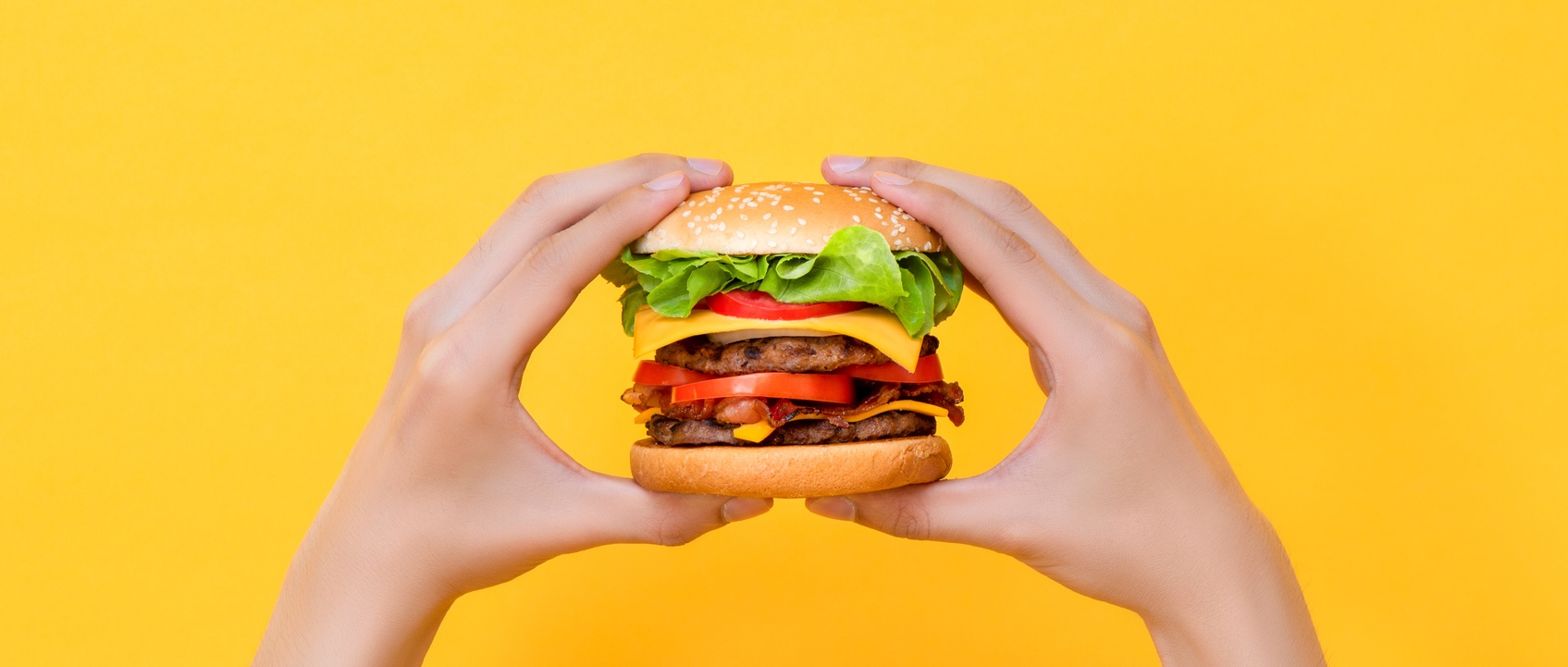
However, research also shows a plant-based diet isn’t always healthy. Imitation meats or meat substitutes - such as vegan nuggets, sausages, and burgers or fake chicken pieces and ready meals - are sometimes classified as ultra-processed foods.
These are convenience foods that contain additives like sweeteners, salt, and artificial flavours but contain few nutrients.
Why are some plant-based foods ultra-processed?
Reema Pillai, a registered dietitian at Dietitian Fit, says that the rise in vegetarianism and veganism has led to a demand for meat alternatives in recent years.
She says that while these may seem like a great way to help reduce meat consumption - if that is your aim - it is also important to keep in mind that many of these alternatives would be classed as ultra-processed foods.
"Often, these foods contain additives such as emulsifiers, texturisers and colours," she explains. "They may also be classed as high added salt, fat or sugar foods.
It’s important to look at the overall processing of a plant-based product to understand its nutritional profile and to ensure it is actually a more nutritious option."
There’s no denying that eating less meat - and particularly red meat - can come with health benefits. But ultimately, meat and fish in their purest form are unlikely to be heavily processed because they are a single ingredient food.
When we try to recreate them using ingredients like soya, bean or pea protein, we have to process them to make them look and taste palatable. This means adding salt, sugar, fat and other additives to increase taste and prolong their shelf-life. However, we assume they’re healthy because of the 'plant-based' label.
Should we be eating plant-based alternatives?
Often, vegan or vegetarian meat alternatives or ready meals contain less saturated fat than animal-based products. So ultra-processed or not, you’ll be eating less saturated fat and that’s a good thing. However, any ultra-processed foods still contain more sugar, salt and other additives to provide flavour or texture.
Eating ultra-processed plant-based foods every so often is unlikely to cause any health problems. But overall - as is the case with any ultra-processed foods - it is probably better to eat them in moderation.
How to eat less vegan or vegetarian ultra-processed foods
Pillai advises you pay attention to the nutrient content of convenience foods when at the supermarket. Look at the ingredients list - if it’s very long and contains things you’ve not heard of, it’s probably very processed.
It’s not easy to eat healthily all the time when you’re busy. But cooking meals or sauces in batches and freezing them can make things easier when you’re tired or don’t have much time.
Lentils, beans or other pulses like chickpeas can bulk up a meal easily without the need for fake meats. Garlic, herbs and spices can make a dish tasty without additives like sweeteners or artificial flavours.
Pillai says: "Overall, whole foods that are plant based, are considered the most beneficial to our health, such as fruits, vegetables, grains, pulses, unprocessed soy, nuts and seeds, rather than vegan products which have undergone a high level of processing."
Patient picks for Vegan and vegetarian
Diet and nutrition
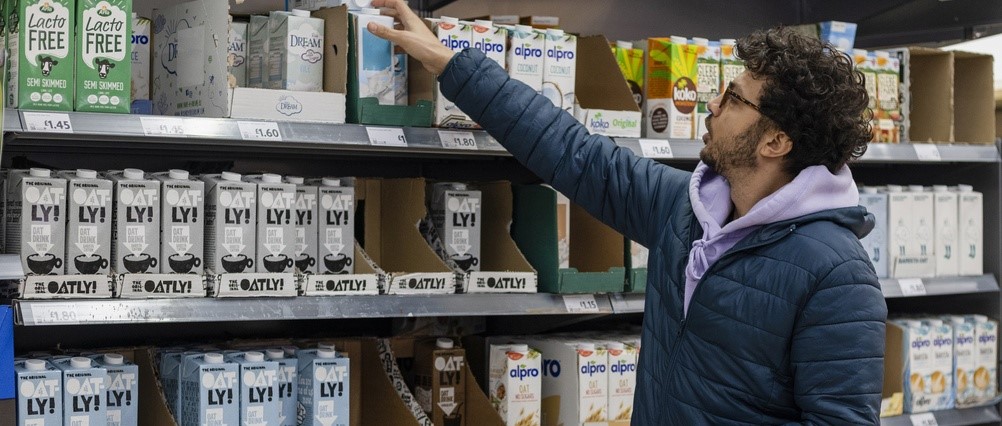
Ultra-processed foods: Are dairy-free milks like oat or soya good for us?
Sales of plant-based milks, like oat, soya, almond and coconut milk, have increased dramatically in the last few years. Around 1 in 3 British people drink dairy-free milks, turning it into a £400 million-a-year market in the UK. But with many of these drinks classed as ultra-processed, are they actually good for us?
by Lydia Smith
Diet and nutrition
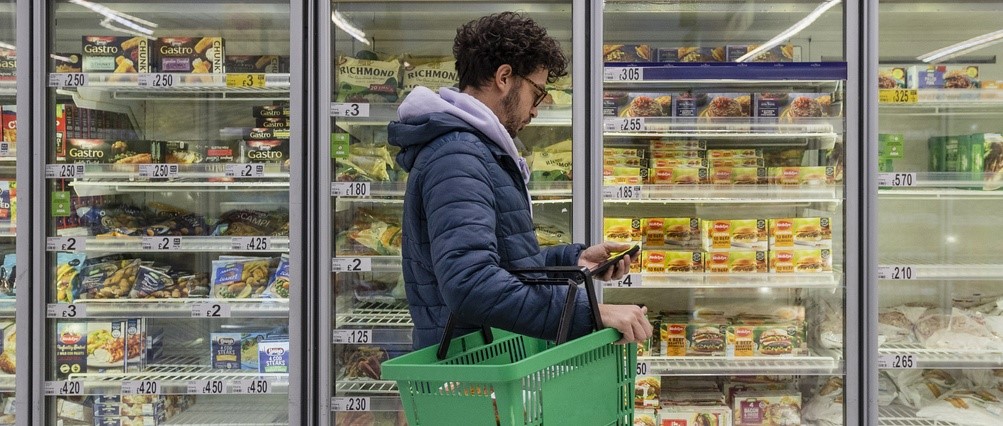
What are ultra processed foods and do they cause cancer?
After a long day, many of us reach for cheap, convenient foods to make dinner quicker and easier, like ready-made pasta sauces or straight-to-the-oven meals. But even those that seem healthy - like a jar of tomato sauce - are often classed as ultra-processed foods. And eating too much of these can have a serious impact on our health and may even lead to addiction.
by Amberley Davis
Diet and nutrition
Which ultra-processed foods are safe - and which should we avoid?
Ultra-processed foods are associated with cancer, heart disease, and type 2 diabetes. Yet while some foods do increase your chance of developing these diseases, not all processed foods are as bad for you as you might think.
by Lynn Stephen

Diet and nutrition
Why ultra-processed foods are so addictive - and how to cut down
If you've ever shopped in a supermarket and been drawn to the chocolate and crisps aisles, you're not alone. Ultra-processed foods aren't just tasty, they're also addictive - which can make it difficult to cut down on the amount you eat.
by Lydia Smith
Diet and nutrition
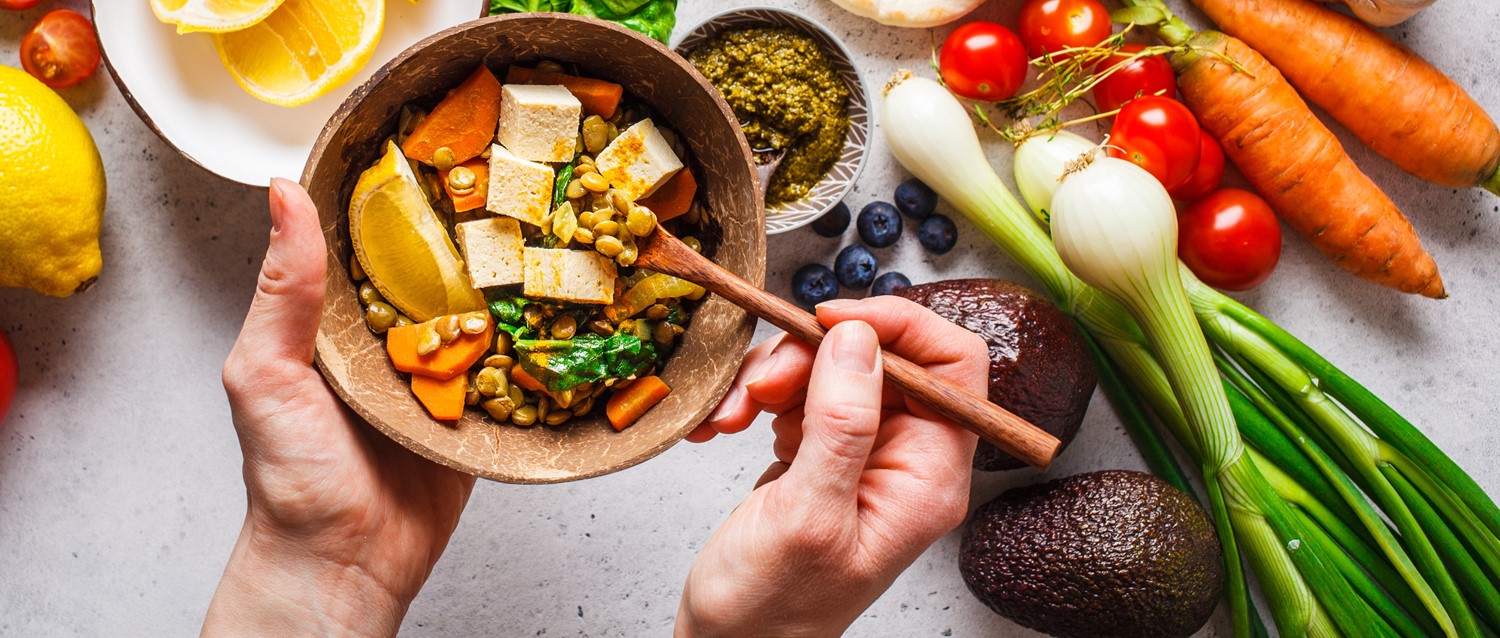
What's the difference between vegan and vegetarian diets?
Each year in Britain, a growing number of us are choosing to cut out meat and follow a plant-based diet. What's the difference between vegan and vegetarian diets, and how can we make sure we're getting all the nutrients we need?
by Amberley Davis
Diet and nutrition
Thinking about going vegan? Here's how to do it healthily
Once the preserve of hippies and activists, veganism has now hit the mainstream. Forgoing meat, dairy and eggs is more popular than ever. Even beloved UK bakery chain Greggs has added a vegan sausage roll to its product line. It's undoubtedly great that people are taking a more ethically-conscious approach to the big shop, but what nutrients could vegetarians and vegans put themselves at risk of losing out on? And how can you approach animal-free consumption in a healthy way? We ask the experts.
by Natalie Healey
About the authorView full bio
Updated by

Victoria Raw
Feature Writer
BA (Hons), English Literature
Victoria is a content writer at Patient, with special interests spanning mental wellbeing, societal trends, and the impact of technology on our health.
Throughout her career, Victoria has partnered with a range of charities such as Ovarian Cancer Action, Scleroderma and Raynaud's UK, St John Ambulance, Andy's Man Club, the RSPCA, and Barnardo's. Her work has seen her interview a variety of well-known personalities - among them actress Gaynor Faye, Sky Sports presenter Adam Smith, and comedian Alex Mitchell, exploring their experiences and stories.
Authored by

Lydia Smith
Feature writer
BA, MA, MSc
Lydia Smith is an award-winning journalist and feature writer who has written extensively on women's health and mental health. She is currently studying for an MSc in psychology.
About the reviewerView full bio

Dr Krishna Vakharia, MRCGP
Chief Medical Officer for Health, Optum UK
MBChB, MRCGP(2013), BMedSci (hons), DFSRH, DRCOG, PGDipDerm (Distn)
Dr Krishna Vakharia is an NHS GP. She is also a regular examiner for the postgraduate Diploma in Practical Dermatology at Cardiff University as well as being the Chief Medical Officer for health at Optum UK.
Article history
Article also available in English, German, Spanish, French, Italian, Portuguese, Hindi, Hebrew, Arabic, and Swedish.
Next review due: 27 Jan 2028
27 Jan 2025 | Latest version
27 Sept 2023 | Originally published
Authored by:
Lydia Smith
Share your thoughts or experiences with others in our patient communities.
Sign up to the Patient newsletter
Your weekly dose of clear, trustworthy health advice - written to help you feel informed, confident and in control.
By subscribing you accept our Privacy Policy. You can unsubscribe at any time. We never sell your data.