Which ultra-processed foods are safe - and which should we avoid?
Peer reviewed by Dr Colin Tidy, MRCGPLast updated by Lynn StephenLast updated 15 Sept 2026
Meets Patient’s editorial guidelines
- DownloadDownload
- Share
- Language
- Discussion
- Audio Version
- Add to preferred sources on Google
Ultra-processed foods are associated with cancer, heart disease, and type 2 diabetes. Yet while some foods do increase your chance of developing these diseases, not all processed foods are as bad for you as you might think.
Ultra-processed food (UPF) is food that you cannot make at home because it contains a lot of ingredients that you tend not to find in your cupboards. These foods are often cheap, convenient, have a long shelf-life - and contain lots of additives, sugars, and sweeteners.
But a major study has suggested that not all ultra-processed foods are bad for us. An analysis of the eating habits of more than 250,000 people in seven European countries found that regular consumption of certain foods - such as sausages and sugary drinks - increases your chance of developing diseases such as cancer.1 However, other ultra-processed foods - for example, certain types of bread - may be safe, and even potentially beneficial, because they contain fibre.
Ultra-processed foods are, on the whole, harmful to our health, according to the study. This means that someone who eats a lot of these foods have a greater probability of conditions such as heart disease that could lead to a potentially fatal condition - for example, a heart attack.
However, it gives a more detailed picture of which ultra-processed foods increase that chance - and which don’t.
Which ultra-processed foods are safe to eat?
Wholemeal bread
The fibre content of wholemeal bread can make it a healthy processed food. Often, loaves contain added vitamins and minerals such as folic acid - essential for a healthy pregnancy. However, not every loaf of bread is the same and some are better for us than others. Wholemeal or brown breads contain more fibre and the flour used is less processed than white alternatives.
Breakfast cereal
Cereal also contains fibre and has added minerals and vitamins, such as vitamin D. Breakfast cereals can be an important source of nutrition - especially among those on a tighter financial budget.
Like bread, though, not all cereals are healthy. Look for cereals without added sugar or sweeteners. Usually, cereal packages have a ‘traffic-light’ system which tells you how high the sugar content is. If the cereal is in the ‘red’ category, avoid it.
Shredded Wheat is a good choice as it doesn’t contain any added sugar or salt, and is high in fibre. Microwave porridges can be a healthier option also, but not the flavoured versions. For all cereals, instead of sugar use fruit such as banana or blueberries to sweeten.
Tinned vegetables and fish
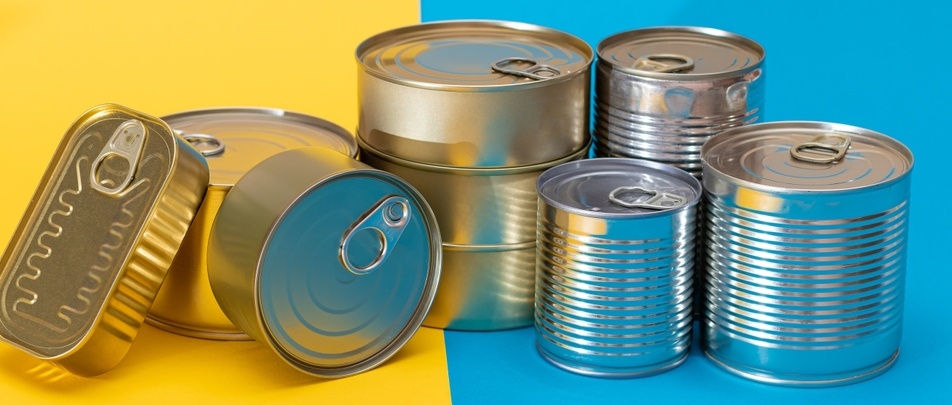
Packaged foods, such as tinned vegetables or tuna, have been processed but not in a way that is highly detrimental to your health. Tinned vegetables can be a quick, convenient, and cheap way to consume fibre and nutrients. Tuna - as well as other tinned fish - can be a good source of protein and B vitamins.
Ready meals
Ultra-processed ready meals can include chicken nuggets, pizzas, and supermarket curries and pasta sauces, but they aren't all the same. The longer the ingredients list - and the more sugar and fat they contain - the more likely they are to be bad for you.
Some shop-bought ready meals are still processed but are healthier. For example, a lasagne that contains lots of whole ingredients and fewer additives. Organic versions may be less processed, but they are often more expensive.
There are also some healthier ready meals available through the post. Food from the likes of Field Doctor, Cook, or Mindful Chef.
Ultimately, you'll need to check the ingredients on the packet to see if the food is ultra-processed.
Checking the label for UPFs
Reading a label on the packet and knowing which ingredients to look out for can be a tricky and often time consuming process. Some of the key things to look out for are added protein sources, such as casein and gluten - people with coeliac or a gluten allergy should be especially careful of gluten. Most added sugars are bad for you and they often appear under names such as glucose syrup, dextrose, or fructose. Protein and sugars tend to be listed in the middle of the label.
Other additives to watch out for include flavour enhancers, colouring, and thickeners - these are usually listed at the end of the label.
The free Open Food Facts app, gives a handy tool to understand the food labels and whether they are ultra processed.
Not all ultra-processed foods are the same
Many foods are processed - including dairy-free milks such as oat milk. However, this doesn’t mean they should be avoided as there are different levels of ultra-processed foods.
According to the researchers, the issue is that the term ‘ultra-processed’ is very broad.
Generally, there are four main categories of processed foods:
Unprocessed or minimally processed foods - this includes fruit, vegetables, milk, fish, pulses, eggs, nuts, and seeds that have no added ingredients and haven’t really been changed from their natural state.
Processed ingredients - this includes foods that are added to other foods rather than eaten by themselves, such as salt, sugar, and oil.
Processed foods - these are foods that are made by combining foods from groups 1 and 2, which are altered in a way that home cooks could do themselves. They include foods such as jam, tinned fruit, and vegetables, homemade breads, and cheeses.
Ultra-processed foods - UPFs usually have five or more ingredients. They tend to include many additives and ingredients that are not typically used in home cooking, such as preservatives, emulsifiers, artificial sweeteners, and flavours.
What to avoid
Drinks that contain artificial sweeteners or sugar, animal-based products such as sausages, and condiments - for example, barbecue sauce - should be eaten in moderation.
Consider your overall diet
It’s also about considering your diet as a whole. It’s important to focus on fresh, natural foods such as fruit, vegetables, pulses, and wholegrains - microwave sachets of plain wholegrain rice are a quick and easy option. Also, limit the amount of sugary sweets, and takeaways you eat.
Patient picks for Healthy eating
Diet and nutrition
How to avoid ultra processed foods when you're vegan
More people are cutting out meat in favour of plant-based diets for ethical, environmental and health reasons. But not all plant-based foods - either vegetarian or vegan - are as healthy as we think they are. In fact, some are classed as ultra-processed foods, which have been linked to heart disease and cancer.
by Victoria Raw
Diet and nutrition
Simple ways to follow a Mediterranean diet
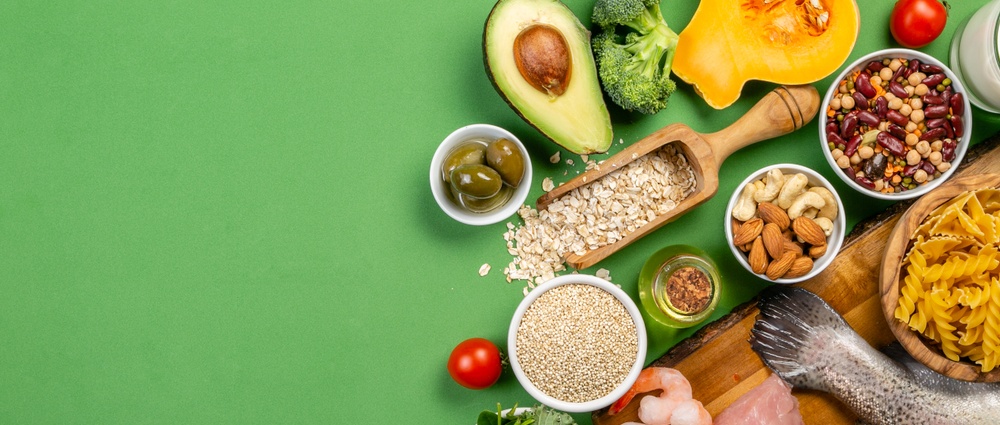
A Mediterranean diet conjures up an image of fresh fish and colourful salads doused in olive oil, washed down with a glass of red wine - all while sitting in the sun of course. While we may not have reliable sunshine in the UK, we can certainly tap into the wide-ranging health benefits offered by the Mediterranean diet.
by Lynn Stephen
Further reading and references
- Cordova R, Viallon V, Fontvieille E, et al; Consumption of ultra-processed foods and risk of multimorbidity of cancer and cardiometabolic diseases: a multinational cohort study. Lancet Reg Health Eur. 2023 Nov 14;35:100771. doi: 10.1016/j.lanepe.2023.100771. eCollection 2023 Dec.
About the authorView full bio
Updated by

Lynn Stephen
Content developer
MA (Hons)
Lynn joined Patient in 2023 and her role includes checking all the professional leaflets, patient information leaflets and medicine leaflets, to ensure consistency of spelling, grammar, reference material and brand style, working with the medical authors and clinical director to coordinate the authoring and peer reviewing of the leaflets.
Authored by

Lydia Smith
Feature writer
BA, MA, MSc
Lydia Smith is an award-winning journalist and feature writer who has written extensively on women's health and mental health. She is currently studying for an MSc in psychology.
About the reviewerView full bio

Dr Colin Tidy, MRCGP
General Practitioner, Medical Author
MBBS, MRCGP, MRCP (Paediatrics), DCH
Dr Colin Tidy is an NHS Doctor, based in Oxfordshire.
Article history
Article also available in English, German, Spanish, French, Italian, Portuguese, Hindi, Hebrew, Arabic, and Swedish.
Next review due: 14 Sept 2029
15 Sept 2026 | Latest version
16 Nov 2023 | Originally published
Authored by:
Lydia Smith
Join the conversation
Share your thoughts or experiences with others in our patient communities.

Ask, share, connect.
Browse discussions, ask questions, and share experiences across hundreds of health topics.

Feeling unwell?
Assess your symptoms online for free
Sign up to the Patient newsletter
Your weekly dose of clear, trustworthy health advice - written to help you feel informed, confident and in control.
By subscribing you accept our Privacy Policy. You can unsubscribe at any time. We never sell your data.