Simple ways to follow a Mediterranean diet
Peer reviewed by Dr Colin Tidy, MRCGPLast updated by Lynn StephenLast updated 23 Feb 2026
Meets Patient’s editorial guidelines
- DownloadDownload
- Share
- Language
- Discussion
- Audio Version
- Add to preferred sources on Google
A Mediterranean diet conjures up an image of fresh fish and colourful salads doused in olive oil, washed down with a glass of red wine - all while sitting in the sun of course. While we may not have reliable sunshine in the UK, we can certainly tap into the wide-ranging health benefits offered by the Mediterranean diet.
Sign up for our free 10-week Healthy Ageing course
Take the first step to feeling your best as you grow older. Each week, we'll focus on different areas to help you age well and maintain a healthy body and mind, including exercise, diet, anti-ageing supplements, healthy brain ageing, and bone and joint health.
By subscribing you accept our Privacy Policy. You can unsubscribe at any time. We never sell your data.
Dr Simon Poole, author of the Real Mediterranean Diet and who co-wrote the Olive Oil Diet with Judy Ridgeway, says that if he were to pick one diet that combines nutrition, sustainability, taste, and healthy lifestyles, it would be the Mediterranean diet.
"Many of the diets advocated nowadays focus too much on single nutrients, such as fat or carbs, completely missing the point that food combinations are more important," he says.
What is a Mediterranean diet?
The Mediterranean diet advises sticking to healthy food groups combined with lifestyle tips - such as together at the table, taking time to savour your food, enjoying regular exercise, and staying clear of junk foods.
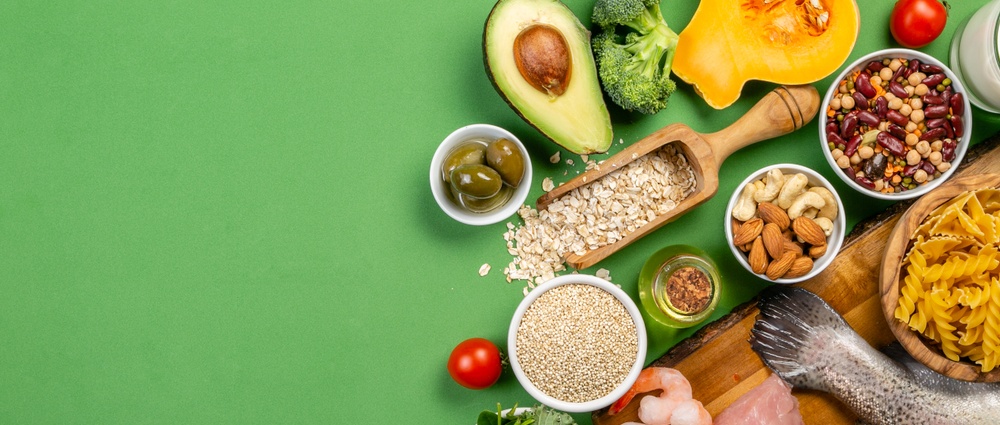
Generally, it is based on around 5 to 7 portions of fruits and vegetables daily with wholegrain cereals, fish, eggs, dairy foods, olive oil, nuts, and seeds. Meat and poultry are eaten in small amounts.
But don't worry if you struggle to get anywhere close to your 5-a-day, as frozen, tinned, and dried fruits and vegetables all count just as much as fresh - but make sure the canned fruit doesn't have added sugar or syrup. The main point is eat a colourful variety of plant foods. You can also swap harder-to-buy Mediterranean options, such as aubergine, for typical British foods such as cabbage or kale.
Dietitian Dr Duane Mellor says: "There is some debate about whether it's best to try to mimic the Mediterranean diet in the UK, or to focus on foods that are more typical in the UK. These can provide similar nutrients to foods commonly used in Mediterranean countries."
Swaps could include having oats instead of spelt, salmon instead of shellfish, or lentils instead of chickpeas.
What are the benefits?
Unlike many diets promoted in books, in social media, or on celebrity websites, the Mediterranean diet is supported by many studies.
Poole says: "One of the biggest studies was PREDIMED - a multi-country study of nearly 7,500 older adults - which compared two variations of the Mediterranean diet with a typical low-fat 'healthy eating' plan."1
He explains that one Mediterranean diet group was given unsalted nuts as a snack, while the other group received olive oil. Over the next five years, both diet groups did so well health-wise that the trial had to be stopped so that everyone could benefit.
The results showed a staggering 30% reduction in the chance of dying from a stroke, heart attack, or breast cancer.
Mellor adds that as well as cardiovascular disease, a Mediterranean diet also appears to be beneficial for managing type 2 diabetes.
"A review of five clinical studies found that people who ate a Mediterranean-type diet improved their long-term glucose control compared with people who ate other types of diet," he says.2
But would you expect to pile on the pounds by adding higher-fat foods such as nuts, seeds, and olive oil into your diet?
"Not really," says Poole. "As these wholefoods help to fill us up, so we eat less at other meals."
Are there downsides?
One downside to the Mediterranean diet may be the cost. Oily fish, nuts, seeds, and extra virgin olive oil can be expensive. However, you may save money by buying fewer sweets, confectionery, ready meals, and savoury snacks as these are not part of the Mediterranean plan. Eating seasonal fruits and vegetables that are on offer in supermarkets will also help keep costs down.
Watch your alcohol intake too though. Although red wine is included in the diet, it's important to stick within the guidelines of 14 units a week for men and women - spread over several days, and with at least a couple of alcohol-free days a week.
Mellor says that the benefits of red wine are overstated and that studies of the Mediterranean lifestyle often find that moderate alcohol consumption is associated with quality of life and reduced stress. However, that may be due more to the positive social environments than anything in the wine.
Getting started
If you are more used to pie and chips than pimiento and chickpeas, read on.
Here are Poole's top ten tips to get started on the Mediterranean diet:
Vegetables - any types but ring the changes so you get lots of variety.
Extra virgin olive oil - use for cooking and salads. Dip your bread in it instead of spreading on butter or margarine.
Fruit - enjoy after meals instead of high-calorie desserts.
Snacks - choose unsalted nuts and seeds - a handful a day (around 30 grams) is enough.
Herbs and spices - these contain polyphenol compounds that act as natural antioxidants in the body. Try turmeric, basil, parsley, rosemary, oregano, sage, saffron, and freshly ground pepper.
Fish - each week, aim for one portion of white fish and one portion of oily fish, such as mackerel, salmon, tuna - fresh but not tinned tuna counts as an oily fish - or herring.
Dairy - try Greek yoghurt or cheese made from sheep or goat milk. The full-fat versions fit better with the Mediterranean lifestyle. Try fermented dairy products, for example, kefir.
Drinks - an occasional glass of red wine with a meal if you wish. Water or herbal teas are recommended.
Wholegrains - try a variety of grains, such as spelt, barley, buckwheat, bulgar, farro, millet, oats, polenta, and rice.
Beans and pulses - high in fibre, these can be added to soups and stews to bulk out beef, lamb, pork, and chicken.
A typical day on the Mediterranean diet
Breakfast:
Plain Greek yoghurt with added fruit - frozen is fine - and a teaspoon of honey.
Mug of rosehip or mountain tea.
Lunch:
Large salad with extra virgin olive oil, eggs, tinned tuna and chunks of wholegrain bread.
Fruit for dessert.
Mug of green tea.
Dinner:
Stew made with tomatoes, mixed beans - tinned or frozen are fine - diced pork, peppers, turmeric and parsley. Serve with kale and polenta.
Fruit for dessert.
A glass of red wine if desired - within safer drinking guidelines.
Snacks:
A handful of nuts, or a handful of pumpkin or sunflower seeds.
Patient picks for Diet

Diabetes
Diabetes diet: managing type 2 diabetes
If you have type 2 diabetes it is often difficult to know which foods you should or should not eat. Here we explain the key elements of a diabetes diet to help you prevent or delay associated health problems, and address some common myths around eating with type 2 diabetes.
by Lawrence Higgins

Diet and nutrition
The longevity diet - can it add years to your life?
Dr Longo, a specialist in ageing, imagines a future where we can make it to 110 years old in good health - and it all comes down to what, when, and how much we eat. This is the goal of his so-called longevity diet, a meal plan that isn't just designed to help prevent disease, but also to slow down ageing in our bodies. Read on to find out what the diet involves and whether the evidence backs it up.
by Lawrence Higgins
Further reading and references
- Guasch-Ferre M, Salas-Salvado J, Ros E, et al; The PREDIMED trial, Mediterranean diet and health outcomes: How strong is the evidence? Nutr Metab Cardiovasc Dis. 2017 Jul;27(7):624-632. doi: 10.1016/j.numecd.2017.05.004. Epub 2017 Jun 10.
- Esposito K, Giugliano D; Mediterranean diet and type 2 diabetes. Diabetes Metab Res Rev. 2014 Mar;30 Suppl 1:34-40. doi: 10.1002/dmrr.2516.
About the authorView full bio
Updated by

Lynn Stephen
Content developer
MA (Hons)
Lynn joined Patient in 2023 and her role includes checking all the professional leaflets, patient information leaflets and medicine leaflets, to ensure consistency of spelling, grammar, reference material and brand style, working with the medical authors and clinical director to coordinate the authoring and peer reviewing of the leaflets.
Authored by

Dr Carrie Ruxton, PhD, Child Nutrition
Dietitian and Health Writer
PhD, Child Nutrition
Dr Carrie Ruxton qualified as a Dietitian at Queen Margaret University, Edinburgh, before gaining a PhD in Child Nutrition.
About the reviewerView full bio

Dr Colin Tidy, MRCGP
General Practitioner, Medical Author
MBBS, MRCGP, MRCP (Paediatrics), DCH
Dr Colin Tidy is an NHS Doctor, based in Oxfordshire.
Article history
Article also available in English, German, Spanish, French, Italian, Portuguese, Hindi, Hebrew, Arabic, and Swedish.
Next review due: 26 Feb 2029
23 Feb 2026 | Latest version
28 Nov 2018 | Originally published
Authored by:
Dr Carrie Ruxton, PhD, Child Nutrition
Join the conversation
Share your thoughts or experiences with others in our patient communities.

Ask, share, connect.
Browse discussions, ask questions, and share experiences across hundreds of health topics.

Feeling unwell?
Assess your symptoms online for free
Sign up to the Patient newsletter
Your weekly dose of clear, trustworthy health advice - written to help you feel informed, confident and in control.
By subscribing you accept our Privacy Policy. You can unsubscribe at any time. We never sell your data.