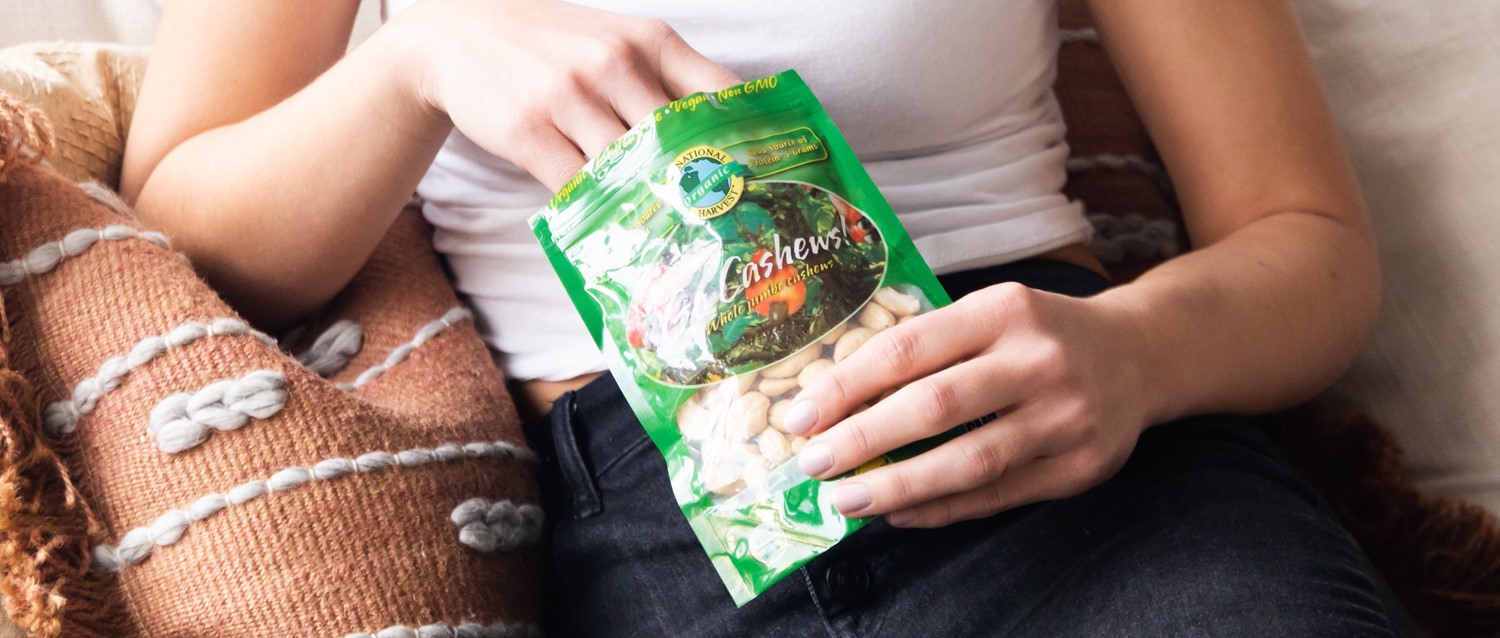
Ways to improve your relationship with food
Peer reviewed by Dr Sarah JarvisAuthored by Gillian HarveyOriginally published 18 Nov 2020
Meets Patient’s editorial guidelines
- DownloadDownload
- Share
- Language
- Discussion
- Ask Patient
- Audio Version
- Add to preferred sources on Google
How do you feel about food? Perhaps you worry that you don't eat enough fruit. Or maybe years of dieting have taken the pleasure out of treating yourself to a slab of celebration cake?
Video picks for Healthy eatingVideo library
Whatever the answer is, your feelings are unlikely to be neutral. Yet, when everything is stripped back, food is simply the fuel we use to nourish and energise ourselves. Working on our emotional reaction to what we eat is a great way to improve our relationship with food.
What is a healthy relationship with food?
"I'd describe a healthy relationship with food as being able to eat when you're hungry and stop when you've had enough," says Senior Therapist Sally Baker, co-author of '7 Simple Steps to Stop Emotional Eating'. "Eating real food, and being able to enjoy it without any negative self-judgement or any overthinking."
If you feel a twinge of guilt when reaching for the biscuit tin, or regret at chomping down that last slice of pizza, it's a sign of being out of touch with your body's needs and eating for the wrong reasons.
Why do we associate emotions with food?
The chances are, your emotional connection to food started in childhood.
"Children pick up emotions around eating by about 3 or 4 years old," explains Baker. "The whole mealtime regime within a family will soon imprint upon a child's receptive mind. They will know whether they're being good or picky or what responses they get from their carers if they refuse food. It's rare that a child eats within the home without having some sort of loaded emotion."
So how can we get back to basics?
You may have heard of the expression 'intuitive eating' - this is where people try to tune into their bodies and eat what they truly want without self-judgement.
The problem with this, according to Baker, is that very few people can really successfully practise true intuitive eating. "Intuitive eating means that you've got to be very measured and neutral about food. Very in touch with your body. It's something to work towards attaining but for many people it's almost impossible," she explains.
In order to begin to 'reset' our relationship with food, Baker recommends that we first acknowledge when - and importantly why - we eat when we do. "It’s useful to run a food and mood diary for a couple of weeks," she says.
"When you're triggered to eat, tabulate on a scale of 0-10 how hungry you are. Then check in with how you're feeling - are you bored, angry, sad, lonely, happy? Start building awareness and intuition. What emotions are happening when you're triggered to eat?"
Finding the why
Looking back at the end of our two weeks, we should be able to identify the times when we reach for comfort food - the feelgood hit of sugar when we're feeling down, or the crisps we chomp in the evening because we're bored.
However, if you notice that rather than feeling a strong emotion, you're reaching for the chocolate because of a genuine energy slump, it's worth getting checked out at the doctor's. "There are physical reasons we might be looking for a boost," agrees Baker. "It's worth talking to your GP and getting checks on your thyroid for example."
We often associate the idea of having a negative relationship with food with those who are overeating or have a nutritionally poor diet. But the food diary may also reveal that we're not eating quite enough. "You might find you don't eat until you're at 8 or 10 - almost ravenously hungry," says Baker. "Going around feeling hungry all the time can be miserable - it's important to nourish your body and not push it to extremes."
Others may find that they're barely letting hunger hit the sides before they reach for a cure. "Some people eat when they're barely hungry - perhaps a 1 or 2," says Baker. "Often we find that these people have grown up in a situation where there was 'food chaos' - where mealtimes weren't regular or food was scarce. This means they have developed a fear of the feeling of being hungry."
Starting to heal
Those who are simply looking to work out why they are snacking, or try to limit their crisp intake, may find that simply identifying when and why they are giving in to emotional eating triggers sufficient to improve their relationship with food. But others may benefit from counselling. "Therapy can introduce people to a range of techniques that can help and support this process," agrees Baker.
Some people may also benefit from speaking with a dietitian who can work with them to develop a meal plan which suits their lifestyle and needs.
Identifying that you tend to reach for chocolate when you're stressed, or that you munch more than you need when watching EastEnders is one thing. But what should we do when we identify moments when we are at risk of reaching for comfort food?
According to Baker, the key is to find something to replace that emotional crutch given to us by food. "For example, you could be feeling lonely - could you call a friend, or talk to your partner?" she says. "If you're not hungry, but you're looking for something, try to work out what that is."
The road to discovery
Understanding ourselves and why we eat is a key part of learning to develop a healthier relationship with food. However, as with many emotional issues, learning about ourselves is just part of the process to developing a healthier relationship with food.
It's important to remember, too, that it's OK to enjoy food and eat for reasons other than hunger at times. "People sometimes ask if it's OK for them to eat cake at a celebration," says Baker. "I tell them of course it is! Food can give us great pleasure and is an important part of our culture. The important thing is understanding the when and why to remove bad habits and move towards a healthier attitude to eating."
Patient picks for Healthy eating

Diet and nutrition
What is intuitive eating - and can it improve your relationship with food?
Diet culture has reigned supreme for decades, telling us what to eat, how much, and when. It can be hard to break free of the vicious cycle that such restriction can create. So some nutritionists are now promoting 'intuitive eating' as an alternative. But what is intuitive eating and can this anti-diet concept really reset your problematic relationship with food? Or is it just another buzzword?
by Gemma Grange
Mental health
5 ways to cope with less sunlight this autumn
The transition from summer to autumn brings shorter days and longer nights. These annual changes in sunrise and sunset mean our bodies must adjust to less daylight. We explore how this can affect us and the practical steps you can take to support your health and wellbeing as the seasons change.
by Hannah Boynton-Forshaw

Podcasts
Beyond human
Have you’ve ever felt transformed after a walk by the sea or in the woods? Have you’ve ever found yourself reaching for the biscuit tin when anxious rather than hungry, or noticed how your pet knows when you are feeling low? This podcast is for you. Clare and Aileen take you on a tour of some of those relationships we often don’t think about but matter deeply. From pets and nature to time, food and even life and the divine, these relationships have the ability to shape our lives, comfort us, challenge us and sometimes reveal parts of ourselves we didn’t know were there.
by Thomas Andrew Porteus, MBCS

Healthy living
Nurturing intimacy: 6 tips for long-term relationships
It's common for intimacy in long-term relationships to be challenged by life changes, daily stresses, and even getting too comfortable. However, there are plenty of ways to reignite the spark, strengthen your connection, and keep the flame of love burning brightly.
by Victoria Raw
Podcasts
Me-topia
If you always come last on the priority list, it’s time to learn why ‘Being Selfish for the Team’ helps everyone.
by Thomas Andrew Porteus, MBCS

Healthy living
Healthier ways to get your TV fix
It's late at night, your eyelids are drooping, and all the signs suggest you should go to bed. However, you're three episodes deep into your favourite TV show, and the last episode has finished on a cliffhanger. As the credits roll you contemplate getting up and brushing your teeth - but the next episode begins automatically, and you're transfixed for at least another hour.
by Abi Millar
About the authorView full bio
Authored by

Gillian Harvey
Freelance Writer
BA (Hons) English
Gillian is a freelance writer and columnist for a variety of national newspapers and magazines.
About the reviewerView full bio

Dr Sarah Jarvis
Clinical Consultant
MA (Cantab), BM, BCh (Oxon), DRCOG, FRCGP, MBE
After training in medicine at Cambridge and Oxford, Dr Sarah Jarvis MBE became a GP.
Article history
Article also available in English, German, Spanish, French, Italian, Portuguese, Hindi, Hebrew, Arabic, and Swedish.
18 Nov 2020 | Originally published
Authored by:
Gillian HarveyPeer reviewed by
Dr Sarah Jarvis
Share your thoughts or experiences with others in our patient communities.
Sign up to the Patient newsletter
Your weekly dose of clear, trustworthy health advice - written to help you feel informed, confident and in control.
By subscribing you accept our Privacy Policy. You can unsubscribe at any time. We never sell your data.