
Why do we get sugar withdrawal symptoms?
Peer reviewed by Dr Krishna Vakharia, MRCGPLast updated by Lydia SmithLast updated 14 Dec 2023
Meets Patient’s editorial guidelines
- DownloadDownload
- Share
- Language
- Discussion
- Ask Patient
- Audio Version
- Add to preferred sources on Google
Cutting down on sugar has a lot of health benefits, including reducing your risk of obesity and type 2 diabetes. However, some people report unpleasant sugar withdrawal symptoms - such as headaches and tiredness when they try to eat fewer sugary foods. But why is this the case and how can you manage these side effects?
Video picks for Healthy eatingVideo library
Why does giving up sugar cause withdrawal symptoms?
The symptoms of sugar withdrawal include headaches, decreased energy, an inability to concentrate and mood changes1. Although it’s not completely understood why these side effects happen, research shows it's likely linked to the impact sugar intake has on our brain chemistry.
Eating sugar triggers a release of different chemicals, including endorphins - which boost your mood and reduce pain - and dopamine, which is linked to pleasure, satisfaction and reward. Sugar stimulates the brain's reward system and ultimately, it makes us feel good - so we are likely to want to eat more sugary food and drinks.
These kinds of changes can lead to dependence and addiction2. Therefore, giving sugar up may trigger unwanted side effects.
Symptoms of sugar withdrawal
Not everyone struggles when they cut back on sugary foods. In the long-term, it can make you feel good and improve your health. However, symptoms of sugar withdrawal can be both physical and mental. You may feel tired, irritable and anxious, or you may have headaches - but these issues are temporary.
Why can the keto diet cause sugar withdrawal symptoms?
Ketogenic diets involve cutting all sugars out of your diet, including natural sugars found in fruit. The aim of these high-fat, low-carb diets is to put the body into a state of ketosis, which is when the body burns fats instead of carbohydrates as its main fuel source3. Ketosis can have unpleasant symptoms similar to sugar withdrawal.
Reema Patel, dietitian at Dietitian Fit & Co, says the symptoms of ketosis are colloquially known as keto flu.
"Initially, these symptoms include headaches, fatigue and nausea, but again they will soon go away," she says. Being dehydrated can also mimic the sugar withdrawal symptoms, so it is important to make sure you keep well hydrated if you are cutting down on sugar.
"If you have a lack of sodium in the diet, you may also experience symptoms such as headache and low mood," says Patel.
How can you manage sugar withdrawal symptoms?
Set achievable goals
There may be health reasons to switch to a very low-sugar diet, but it can be easier to gradually reduce the amount of sugar you eat rather than cutting it out all at once.
Making small food swaps can be helpful. For example, switching sugary snacks for foods that are higher in proteins, fats and wholegrains. Swap sugary fizzy drinks and energy drinks with plain or sparkling water - adding some slices of lemon or lime can add flavour.
Eat enough fibre
"Be sure that you are consuming enough dietary fibre," says Patel. "This will help regulate blood sugar levels, reducing dips that can lead to cravings. Dietary fibre comes from vegetables, wholegrains, pulses, beans as well as nuts and seeds.
"It’s also important to include a good mix of proteins, healthy fats and complex carbohydrates with meals to help keep you full and reduce cravings."
Exercise
Exercise can improve symptoms of reducing sugar, as physical activity releases endorphins which boost your mood and wellbeing.
Improve your sleep hygiene
Poor sleep has long been known to make us crave sugary and higher calorie foods4. Working on your bedtime routine - by avoiding screens before bed and creating a relaxing atmosphere - can help improve your sleep. If you're well-rested, you'll be less likely to give in to sugar cravings.
Further reading
1. Falbe et al: Potentially addictive properties of sugar-sweetened beverages among adolescents.
2. Avena et al: Evidence for sugar addiction: Behavioural and neurochemical effects of intermittent, excessive sugar intake.
3. Masood et al: Ketogenic diets.
4. Markwald et al: Impact of insufficient sleep on total daily energy expenditure, food intake, and weight gain.
Patient picks for Healthy eating

Diet and nutrition
Why too much sugar is bad for children
It’s no secret that sugar isn’t good for us and contributes to a range of health problems, from type 2 diabetes to heart disease. Despite this, research shows children eat way too much of the sweet stuff - and it’s putting their health at risk1.
by Lydia Smith
Cancer
Pancreatic cancer - recognising the symptoms that can be easy to dismiss
Pancreatic cancer can hide behind seemingly ordinary symptoms, and is often mistaken for more common conditions - such as indigestion. Potential warning signs may go unnoticed, and can be easily overlooked indicators of something more serious. In the UK, twenty-nine people are newly diagnosed with the disease each day. But recognising the symptoms early, receiving a diagnosis, and getting medical treatment quickly can increase your chances of survival and recovery.
by Hannah Boynton-Forshaw

Diabetes
Hypoglycaemia
Low blood sugar (hypoglycaemia) is often known as a 'hypo'. It can make you feel unwell and affect your ability to drive. Simple steps will reduce the risk, and allow you to treat a hypo early, before it causes more serious complications.
by Dr Colin Tidy, MRCGP
Diabetes
Why low blood sugar is dangerous
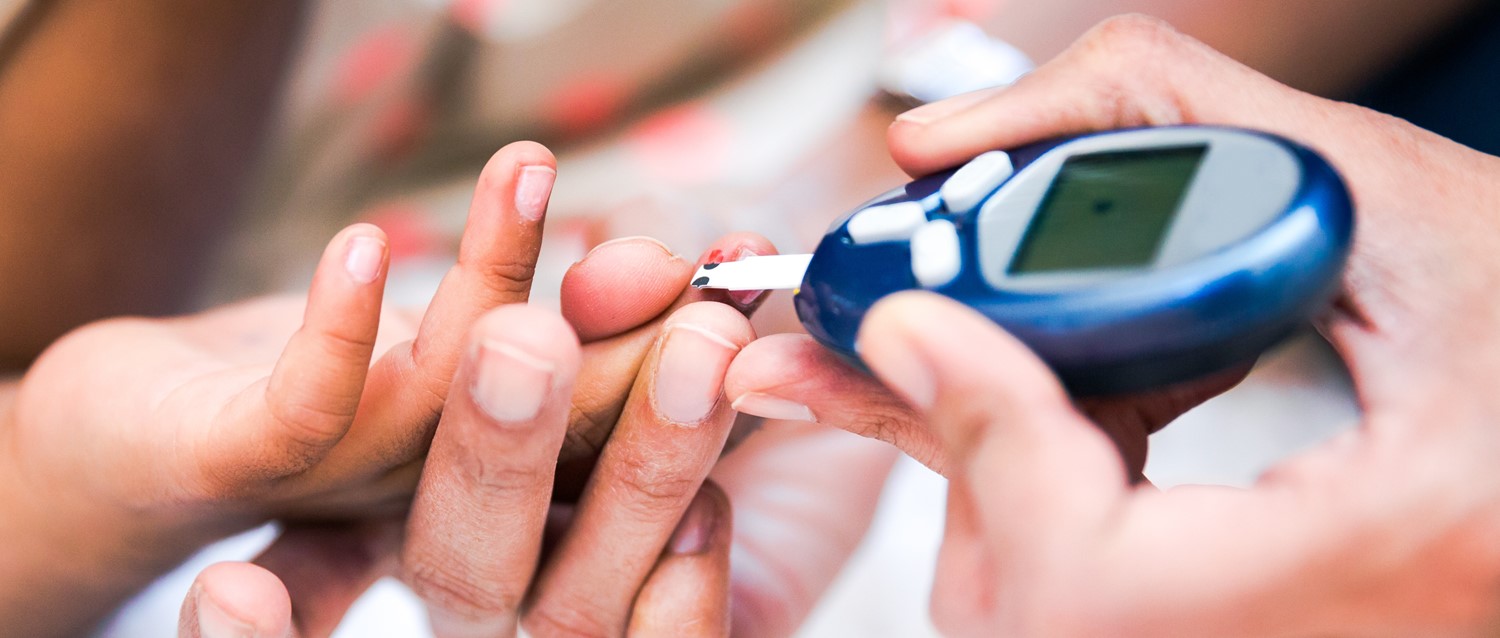
Hypoglycaemia, or low blood sugar, is often known as a 'hypo'. It can make you feel unwell and affect your ability to drive. Simple steps will reduce the risk, and allow you to treat a hypo early, before it causes more serious complications.
by Dr Sarah Jarvis

Diet and nutrition
Why you don't need to detox
Detox diets and cleanses, which are often celebrity endorsed, promise a significant weight loss in a short space of time. But is this quick fix better than going to a gym and putting in the hard work?
by Victoria Raw

Diabetes
Dealing with hyperglycaemia
This leaflet is created from first aid advice provided by St John Ambulance, the nation's leading first aid charity. This advice is no substitute for first aid training - find a training course near you.
by St John Ambulance
About the authorView full bio
Updated by

Lydia Smith
Feature writer
BA, MA, MSc
Lydia Smith is an award-winning journalist and feature writer who has written extensively on women's health and mental health. She is currently studying for an MSc in psychology.
Authored by
Lydia Smith
Feature writer
BA, MA, MSc
Lydia Smith is an award-winning journalist and feature writer who has written extensively on women's health and mental health. She is currently studying for an MSc in psychology.
About the reviewerView full bio

Dr Krishna Vakharia, MRCGP
Chief Medical Officer for Health, Optum UK
MBChB, MRCGP(2013), BMedSci (hons), DFSRH, DRCOG, PGDipDerm (Distn)
Dr Krishna Vakharia is an NHS GP. She is also a regular examiner for the postgraduate Diploma in Practical Dermatology at Cardiff University as well as being the Chief Medical Officer for health at Optum UK.
Share your thoughts or experiences with others in our patient communities.
Sign up to the Patient newsletter
Your weekly dose of clear, trustworthy health advice - written to help you feel informed, confident and in control.
By subscribing you accept our Privacy Policy. You can unsubscribe at any time. We never sell your data.