Prescriptions: your questions answered
Peer reviewed by Dr Sarah JarvisAuthored by Gillian HarveyOriginally published 23 Aug 2021
Meets Patient’s editorial guidelines
- DownloadDownload
- Share
- Language
- Discussion
- Ask Patient
- Audio Version
- Add to preferred sources on Google
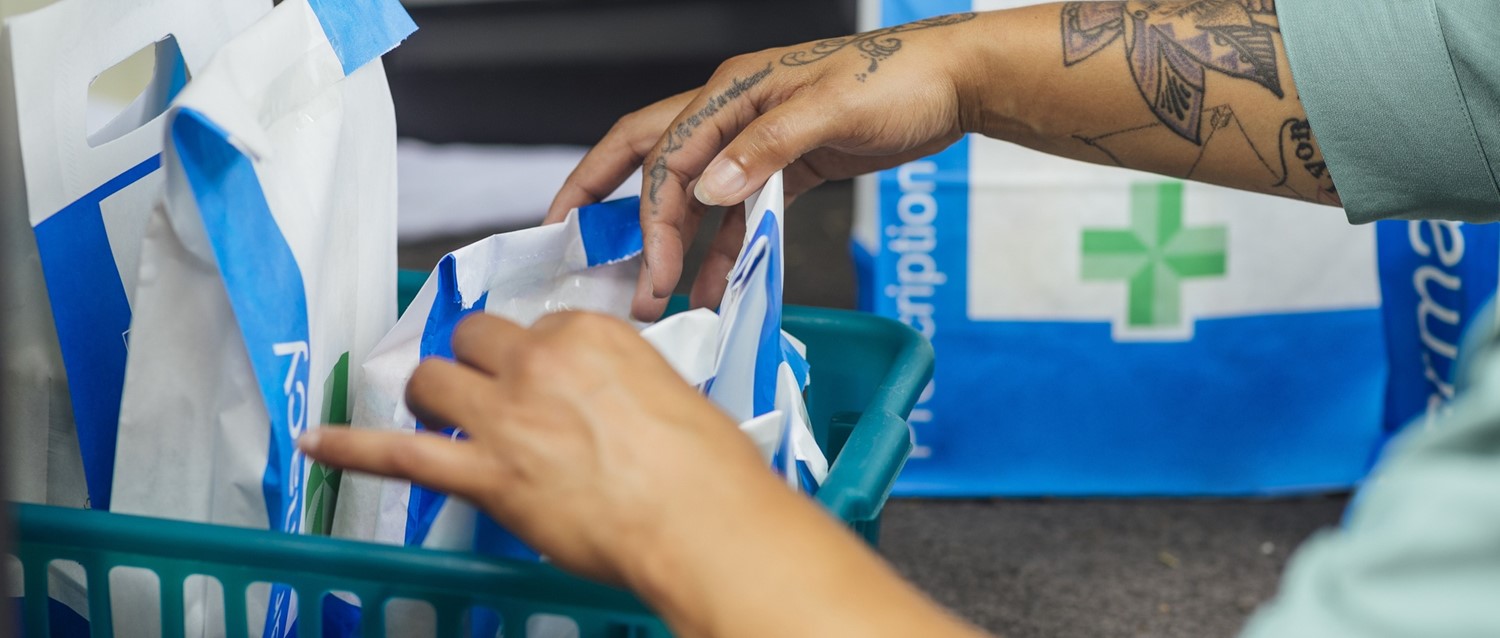
Pharmacies offer a range of services, including dispensing our medications when we need them. But you might have some questions when getting your prescription, so we've found the answers to some of the most frequently asked as a handy guide.
Video picks for Medicine informationVideo library
Why do I have to pay for my prescription?
When you pick up your prescription you may be asked to pay a fee if you cannot prove you are exempt. There are no prescription charges for residents in Scotland, Wales and Northern Ireland. The current cost of an NHS prescription in England is £9.90 per item dispensed. This money goes towards funding the NHS.
However, you may be exempt if you:
Are under 16 (or aged 16-18 and in full-time education).
Are over 60 years old.
Are pregnant or have had a baby in the past 12 months.
Have a disability or illness that entitles you to a medical exemption certificate.
Have a war pension exemption certificate.
Are being treated as an in-patient.
In addition, you may qualify for exemption from prescription charges if you or your partner are on income support, universal credit or other means-tested support.
In the case of maternity, qualifying illness or exemption due to income, you will need to apply for a certificate. You can use the NHS website to determine your eligibility and find out how to obtain a certificate.
If you don't qualify for free prescriptions, but have to regularly pay for a medication, it's worth checking if buying a pre-payment certificate (PPC) would save you money. This entitles you to make a one-off payment to cover the cost of prescriptions over a period of time. A three-month certificate costs £32.05 and a twelve-month certificate costs £114.50.
What is a repeat prescription?
Repeat prescriptions are issued for certain medications prescribed for ongoing conditions. If your doctor puts you on a repeat prescription, this means that you can obtain your medication from the pharmacy without having to visit the GP for an appointment every time you need it.
If you are signed up to an appointments and medication management app like Patient Access, you may be able to set up a repeat prescription online, making the whole process streamlined and convenient.
In addition, "All pharmacies operate a repeat prescription service, which is when the pharmacy is responsible for ordering your medication in time for you to pick it up. When you collect your medication, you can tick what you want for next time. The pharmacy will keep the prescription and a week before it's due, they'll put in a request for your medication to the GP practice so you wouldn't have to pick it up," explains LloydsPharmacy Pharmacist, Anshu Kaura.
However, you do need to be aware that not all GPs allow the pharmacists to order your prescription on your behalf (third-party ordering).
If you don't have access to repeat ordering through an app such as Patient Access and your practice doesn't allow your pharmacy to offer on your behalf, the practice may allow you to email or phone to order your prescription. This can then be sent to your chosen pharmacy.
Will my medicine be available?
Pharmacies usually have a stock of frequently used medications available at all times, but occasionally you may find a certain drug will need to be ordered in. "Most of the time, common drugs will be available, but if you come at a time when today's stock has been used up, you may be asked to wait until the following day.
"If there's a shortage of a certain medication, we might advise you to get an alternative prescribed by your GP. But that advice will be given to you when you come in with a prescription," she adds.
Why does my medication look different?
Sometimes GPs prescribe a 'generic' medication - this is when a medication is produced by several different companies. This means you may find that the packet or appearance of your medication changes from time to time.
Because the cost of the same branded medication can be many times the cost of a generic medication with the same ingredients, the NHS encourages generic prescribing wherever possible. With very few exceptions (such as some epilepsy medications), all generic medications have exactly the same effects and side-effect profile as their branded equivalent.
"If your prescription is a generic, then we can supply the medication from any company who makes that drug," explains Kaura. "If the GP has prescribed a certain brand, we cannot offer an alternative - we would only ever supply what's on the prescription."
If you are concerned about the appearance of your medication, speak to your pharmacist.
Can I pick up a prescription for someone else?
Yes! "A prescription can be picked up by someone who is not the patient, as long as they can confirm the patient's name and address," explains Kaura.
"The only real concern is if they are on controlled drugs (for example, certain painkillers and medicines that help with addiction, such as methadone). In that case, we might need to see ID before we can hand it over," she adds.
Why hasn't my GP issued a paper prescription?
In the past, all GPs wrote or printed paper prescriptions for the patient to take to the pharmacy. Now GPs almost always use the NHS Electronic Prescription Service (EPS). This means that your prescription will be sent electronically to the pharmacy, bypassing the need for a paper copy. "EPS makes the process even easier," says Kaura. "When you go to the GP you will have to nominate a pharmacy to pick your medication up from, but this can be changed at any point. The prescription will stay on a cloud (a virtual server) until the issuing pharmacy accesses it."
Can I use an online pharmacy?
With so many opportunities to shop and socialise online, getting your medication online may seem like a straightforward option. But some online pharmacies are unregistered, meaning the medication supplied doesn't need to meet industry standards. This means medication obtained online may be incorrect or even fake.
If you do decide to try an online pharmacy, use the General Pharmaceutical Council's internet pharmacy logo scheme to find a genuine online pharmacy. The pharmacy will need a valid prescription - not an emailed copy - which means using the EPS or even posting a paper copy yourself before it can issue your prescription.
Using an online service may be a more convenient option for some, as medications can often be posted to your home or delivered to a local pharmacy for collection. But it's crucial to do the necessary checks before ordering your prescription online.
Patient picks for Medicine information
Treatment and medication
Free or reduced cost prescriptions
Some people automatically get free prescriptions. Certain people can get an exemption certificate to obtain free prescriptions. Also, anyone needing regular prescriptions may save money by buying a Prescription Prepayment Certificate. Note: this leaflet only applies to England because prescriptions are free to all in Northern Ireland, Scotland and Wales. It also only gives a brief summary of free or reduced cost prescriptions and is for guidance only. It is not a full statement of the law and a source of further, more detailed information is given at the end under Further Reading.
by Dr Philippa Vincent, MRCGP
Health news
Medical cannabis prescriptions - the facts behind the headlines
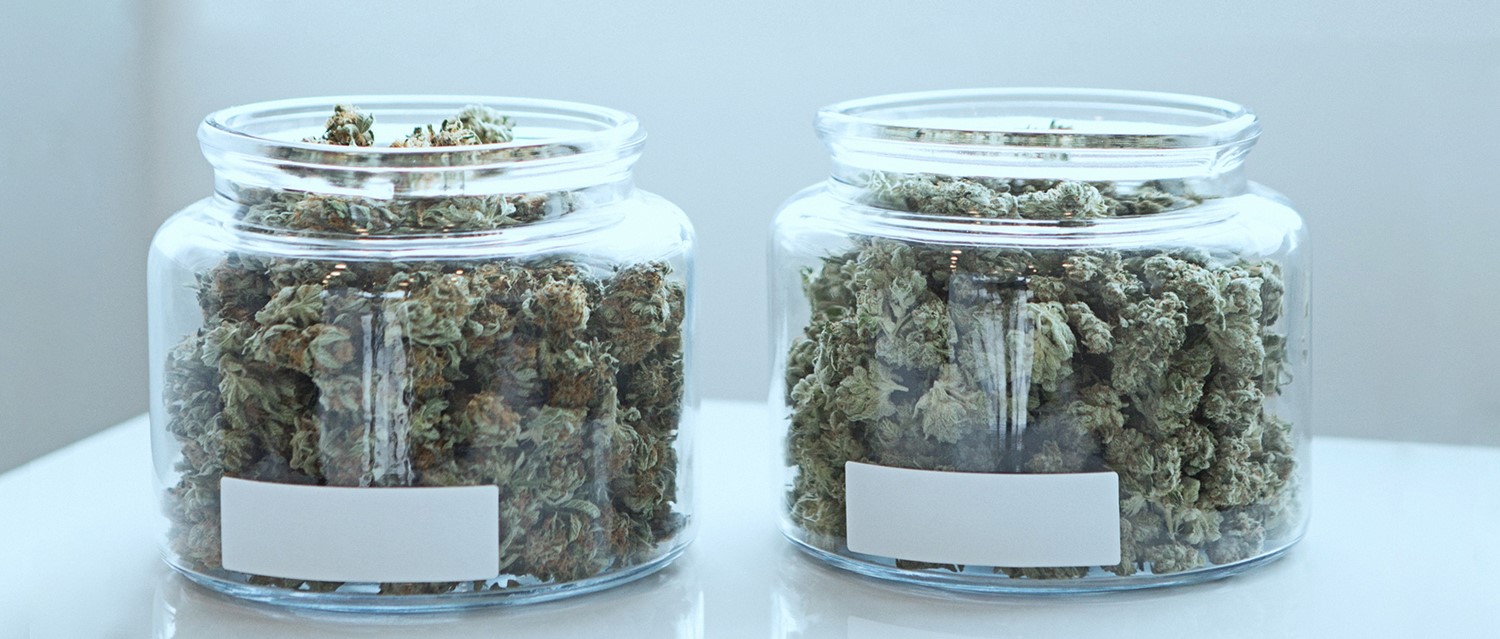
Recent Freedom of Information (FOI) data from the NHS Business Services Authority has prompted sensational headlines about a sharp rise in private prescriptions for medical cannabis in the UK. On the surface, the figures look dramatic. Between 2023 and 2024, prescriptions more than doubled, rising from around 283,000 to 659,000. But these numbers need context. Without it, they risk being misunderstood. This article explains what the data does and does not show, why prescribing has increased, and what this means for patients, clinicians and the NHS.
by Kate Thorpe

Health news
Mounjaro price rise: your questions answered
From September, Eli Lilly, the manufacturer of the weight loss injection tirzepatide - better known as Mounjaro - will be increasing its price. If you receive Mounjaro through the NHS, your cost will stay the same. But if you’re buying it privately, the higher price may make it unaffordable. In that case, you might be wondering what happens if you stop taking it, or if you switch to a different, more affordable weight loss treatment. We spoke with health experts to find out what can happen when you stop Mounjaro, how to lower your chance of weight regain, the safest way to come off it, and what to expect if you move to another medicine.
by Victoria Raw
Treatment and medication
Wegovy FAQs: Common weight loss questions answered
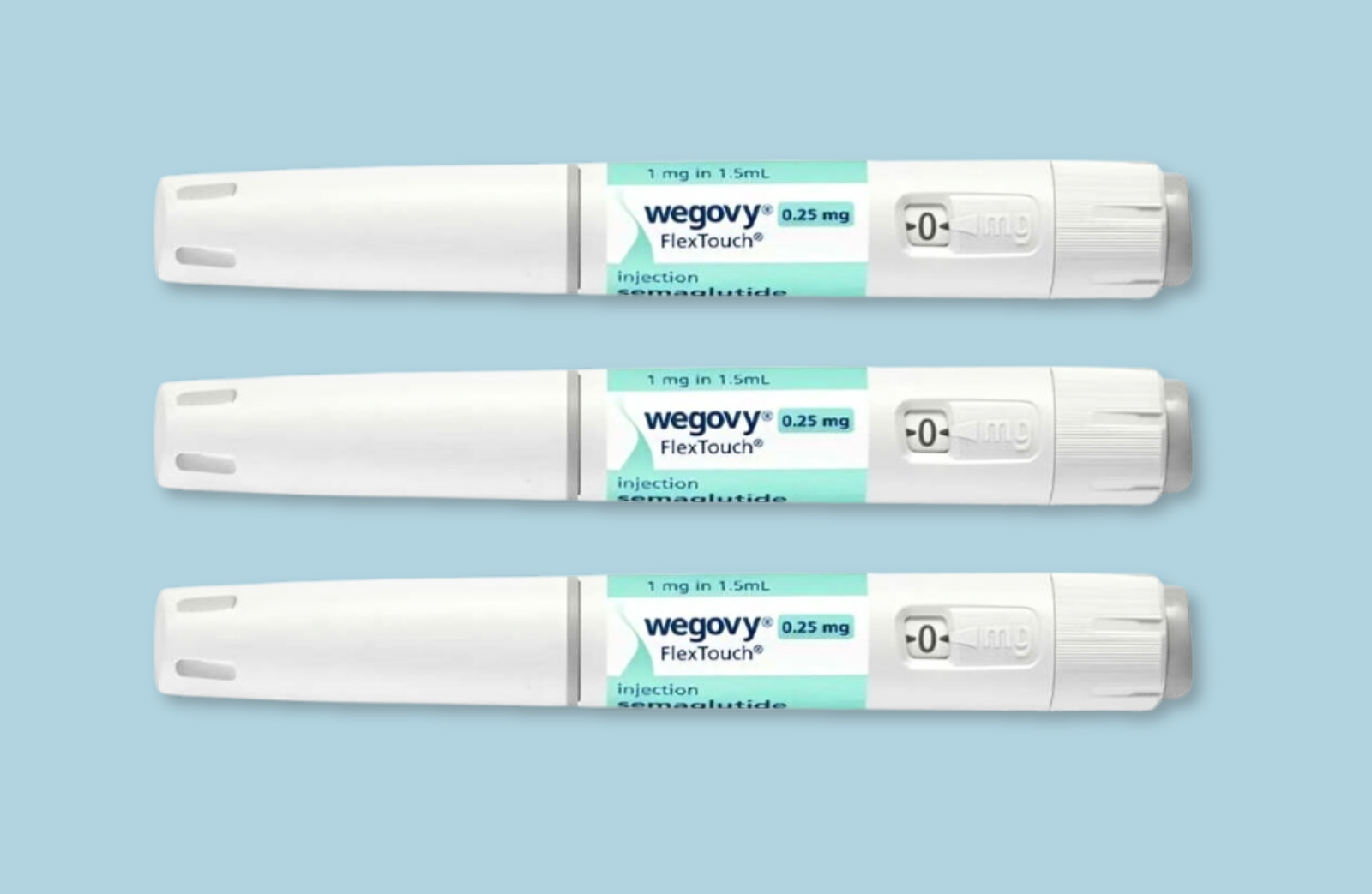
Whether you’re already taking Wegovy or still deciding if it’s right for you, chances are you’ve got a few questions. From how it works to the side effects people don’t talk about enough, this guide breaks down the most common questions in a clear, straightforward way - so you can get the facts and feel more confident about your journey.
by Dr Nienke Lees
General health
AskPatient
AskPatient is a safer, clinically informed AI assistant designed to help you understand health information and find reliable guidance on Patient.info. Whether you have a symptom, want to understand a condition, or need help finding the right information, AskPatient can guide you to clear, trusted content written and reviewed by healthcare professionals. Start by typing your question below. Open in a new window
by Patient infomatics team

Heart health and blood vessels
What happens to your blood pressure when you're not measuring it?
Think about the last time you had your blood pressure checked. Perhaps you were sitting in your GP's surgery, waiting for the cuff to inflate. Seconds later, two numbers appeared on the screen. Those numbers provide useful information about your blood pressure at that moment. But blood pressure changes throughout the day and night. Some people even have higher readings at the GP's surgery than at home - known as white coat hypertension - while others have normal readings in the surgery but higher blood pressure elsewhere (masked hypertension).
by Hilo
About the authorView full bio
Authored by
Gillian Harvey
Freelance Writer
BA (Hons) English
Gillian is a freelance writer and columnist for a variety of national newspapers and magazines.
About the reviewerView full bio

Dr Sarah Jarvis
Clinical Consultant
MA (Cantab), BM, BCh (Oxon), DRCOG, FRCGP, MBE
After training in medicine at Cambridge and Oxford, Dr Sarah Jarvis MBE became a GP.
Article history
Article also available in English, German, Spanish, French, Italian, Portuguese, Hindi, Hebrew, Arabic, and Swedish.
23 Aug 2021 | Originally published
Authored by:
Gillian HarveyPeer reviewed by
Dr Sarah Jarvis
Share your thoughts or experiences with others in our patient communities.
Sign up to the Patient newsletter
Your weekly dose of clear, trustworthy health advice - written to help you feel informed, confident and in control.
By subscribing you accept our Privacy Policy. You can unsubscribe at any time. We never sell your data.