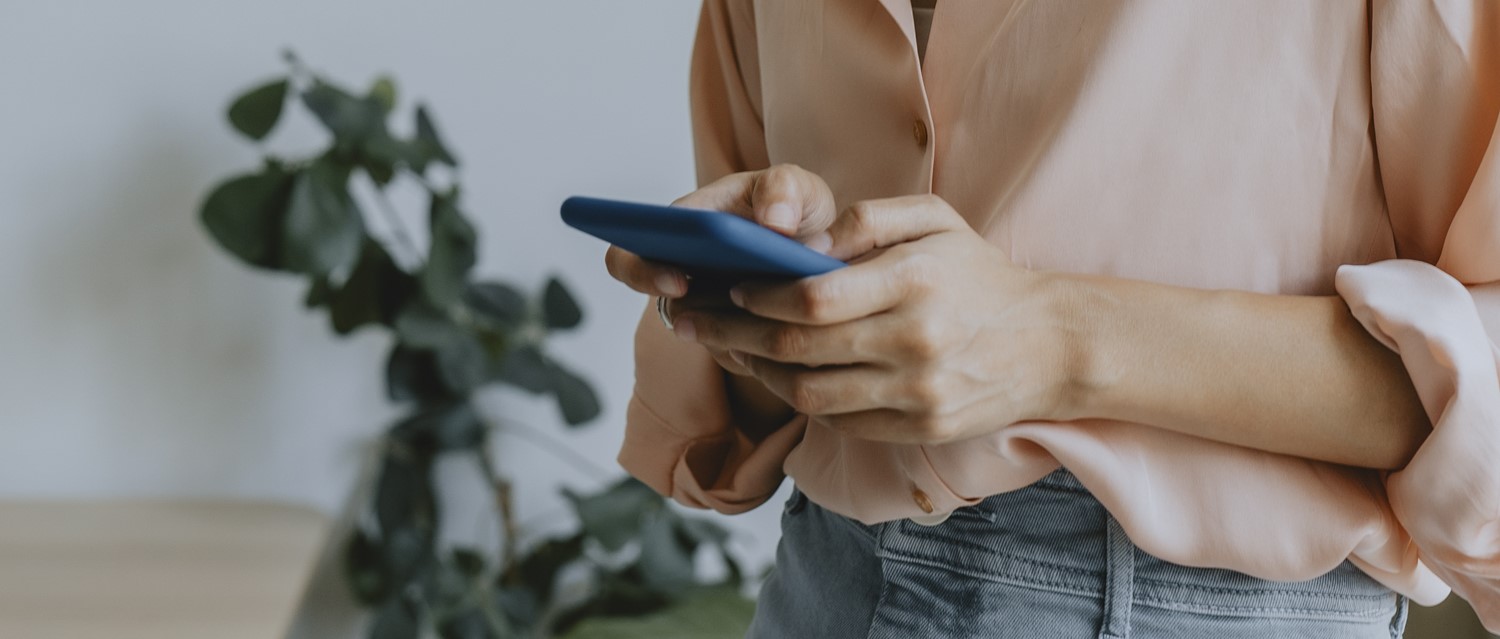
Are online doctor's appointments the future for healthcare?
Peer reviewed by Dr Sarah JarvisAuthored by Gillian HarveyOriginally published 2 Mar 2021
Meets Patient’s editorial guidelines
- DownloadDownload
- Share
- Language
- Discussion
- Audio Version
- Add to preferred sources on Google
In these days of digital connection, the way we access medical care is evolving. Most GP surgeries had an online offering prior to the pandemic, and with the COVID-19 crisis preventing all but essential in-person contact, the uptake and availability of online doctor's appointments have increased. Are we looking at the future of healthcare?
Ways to access your GP
Until relatively recently, the only way to see your GP would have been to make an in-person appointment. However, GPs have moved with the times and now offer a wealth of online services, including online appointment booking; ordering of repeat prescriptions; viewing and downloading of medical records; consultations by email, telephone or video call; and advice on vaccination and on other support. Appointment booking apps used by GPs and pharmacists like Patient Access can simplify the process of accessing health services and advice from the comfort of your own home.
Despite this, until recently many still opted for traditional in-person appointments, perhaps out of familiarity or habit. However, the COVID-19 pandemic has made such appointments the exception, rather than the rule. Online doctor's appointments have stepped in and GPs have advised patients not to visit in person unless specifically asked to do so, to reduce the risk of COVID-19 transmission.
This has caused a surge in the uptake of remote care options and has meant that many more have taken the opportunity to contact their GP in a new way.
But what services are available, how do they work and will this shift to remote contact remain after the pandemic is over?
What is remote healthcare?
For those of us used to in-person appointments, the idea of online doctor's appointments in the form of a video consultation may seem strange. But engaging with a GP remotely can be a fast and effective route to diagnosis and treatment.
Email and telephone consultations
If we have a question about medication, an existing condition or a new symptom, email and telephone can be a useful way to start a conversation about our health needs. Being able to contact a doctor in this way may prove invaluable for those who find it difficult to take time off work, have childcare issues, are housebound or have mobility issues.
Even for those with more complex medical needs, having an initial conversation by email or phone could prove a valuable part of the diagnostic process. In addition, telephone consultation may allow GPs to deal with more straightforward cases quickly and prioritise seeing those who need a more in-depth consultation.
"Part of the process of diagnosing or assisting a patient is in the information gathering," explains Dr Kenny, a GP from Harley Street Clinic who also works for the NHS England. "People can give valuable information in an online doctor's appointment that can help with this process - and we can always contact the person for more if we feel it's necessary."
Video consultations
Many doctors and health professionals can now offer video consultation, enabling a virtual face-to-face appointment. Although it's impossible to carry out an in-depth physical examination over video call, the ability to see a patient on camera can help doctors to further understand a patient's needs.
"Being able just to see someone can give me instant information from how they look. For example, if they look pale, if they're sweaty or if they're downplaying their symptoms," explains Dr Kenny.
"Video consultations can also be useful for identifying a source of pain. Sometimes when people write or speak about their pain, they may not use the same terminology to describe the area as a doctor would - having them point at an area can be useful."
Health trackers and self-diagnosis
These days many of us have access to blood-pressure monitors, or information about our heart rate and other health information from fitness trackers or at-home medical devices.
These, too, can be useful in providing the GP with additional information during a digital or remote consultation. "All of these gadgets can give really vital information," agrees Dr Kenny. "It makes the process a lot more efficient."
However, there are downsides to the level of health information we have access to in modern times. "Sometimes people may overly worry about themselves, or struggle to distinguish between what is appropriate and what is not," Dr Kenny explains.
In-person consultation
Despite the evolution of video and virtual appointments, online access and email contact with our GPs, it is unlikely that online doctor's appointments will replace in-person appointments altogether, as certain aspects of in-person appointments cannot be replicated.
"When it comes to certain conditions, face to face consultation is crucial. This can include some mental health diagnosis. You need to spend some time to really see the person and build a complete picture," explains Dr Kenny.
Our chosen method of communication with our own GP could come down to a combination of personal preference and our medical status.
"It depends also on what you see as being the role of the GP," says Kenny. "Is your GP a medicine dispenser? Or someone who you build a relationship with, who understands you and can put your symptoms into context?"
A tool in the armoury
Post-crisis, GPs are likely to revert to a more traditional model of in-person appointments in addition to offering online doctor's appointments. However, as online and email appointments become more widely used, doctors' surgeries are likely to evolve to meet demand.
Using more virtual solutions should free up more time for both doctor and patient, increase the speed of diagnosis or access in some instances, and remain a valuable tool. "Like all things it's not the magic bullet that's going to improve care, but it's certainly going to help give us information in our armoury to help those who need help," concludes Kenny.
Patient picks for GP surgery and NHS services
General health and lifestyle
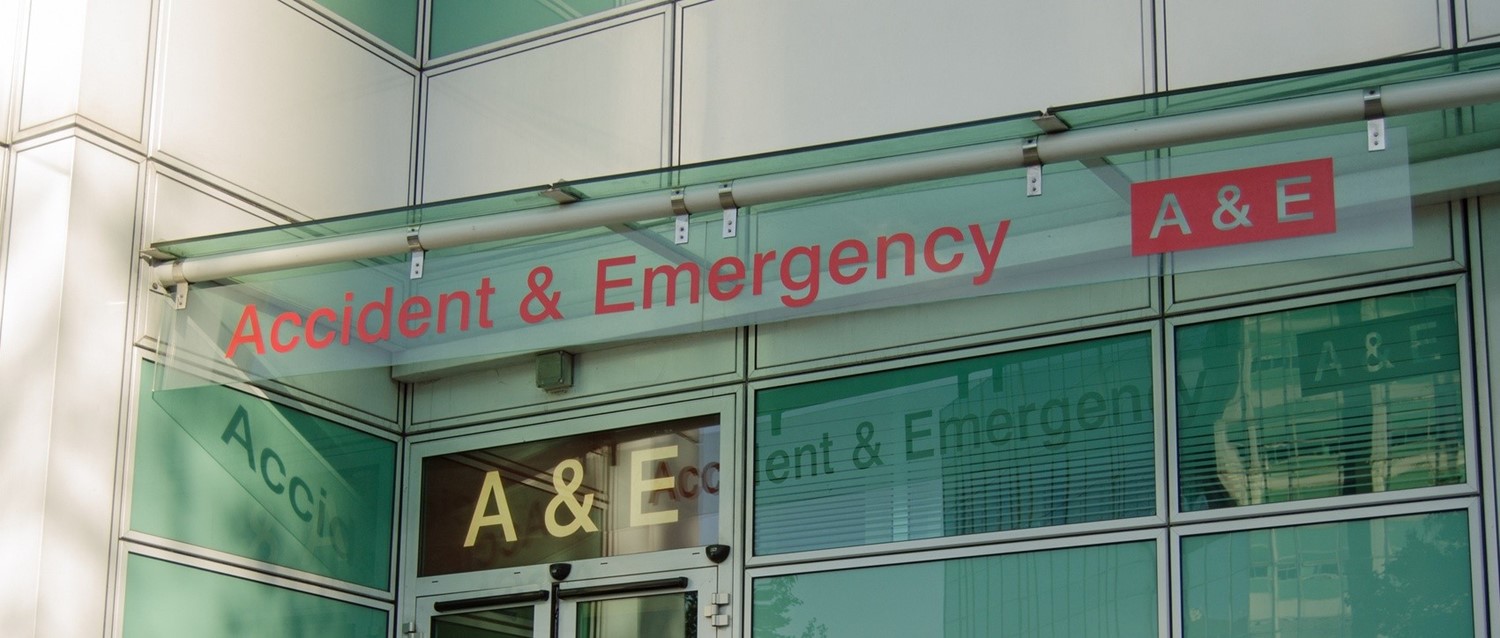
When do you really need to go to A&E?
Whilst some emergencies - such as accidents, or severe physical symptoms - are easy to recognise, serious conditions can sometimes present in less obvious ways. It can be hard to know whether to go to A&E, ring the doctor for an emergency appointment, seek help from another healthcare professional such as a pharmacist or simply ride the symptoms out.
by Gillian Harvey
General health and lifestyle
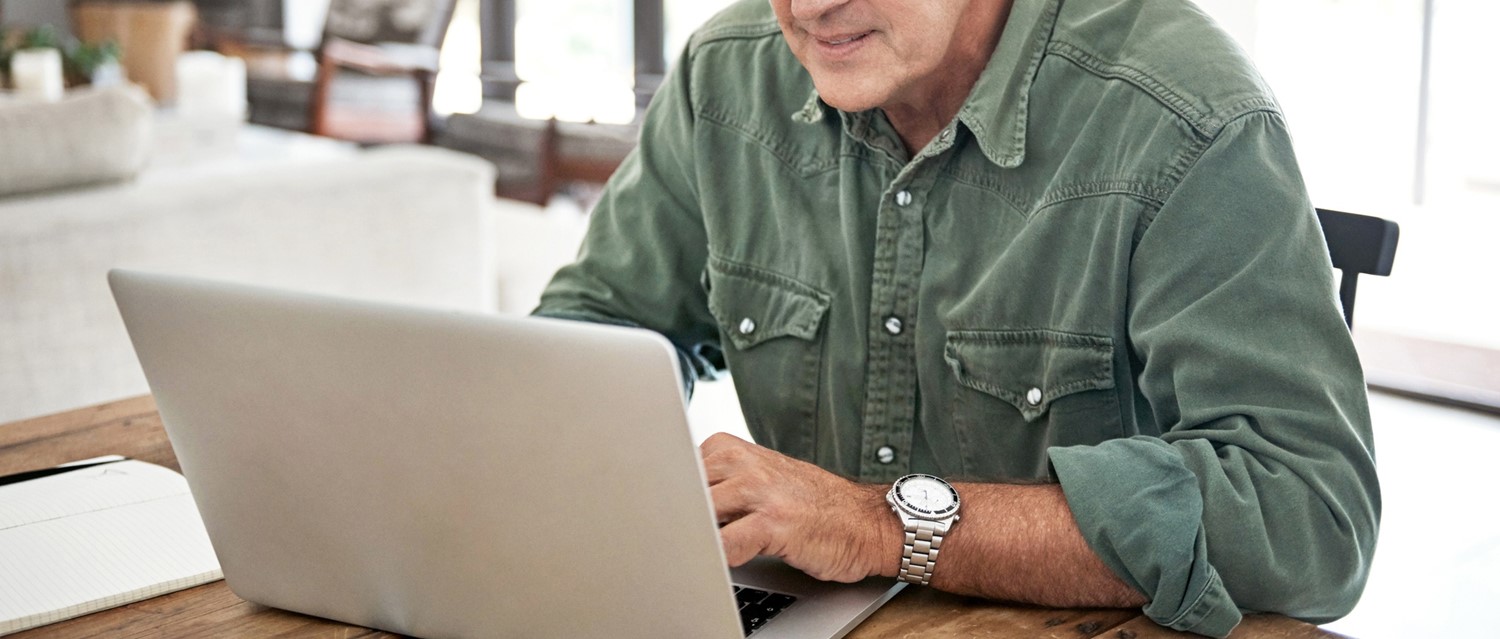
How to get the most out of your remote GP appointment
Many GP appointments have moved to telephone or video consultations due to the coronavirus COVID-19 pandemic. We explore how to get the most out of a video appointment and what you can do to prepare for one.
by Natalie Healey
About the authorView full bio
Authored by

Gillian Harvey
Freelance Writer
BA (Hons) English
Gillian is a freelance writer and columnist for a variety of national newspapers and magazines.
About the reviewerView full bio

Dr Sarah Jarvis
Clinical Consultant
MA (Cantab), BM, BCh (Oxon), DRCOG, FRCGP, MBE
After training in medicine at Cambridge and Oxford, Dr Sarah Jarvis MBE became a GP.
Article history
Article also available in English, German, Spanish, French, Italian, Portuguese, Hindi, Hebrew, Arabic, and Swedish.
2 Mar 2021 | Originally published
Authored by:
Gillian HarveyPeer reviewed by
Dr Sarah Jarvis
Join the conversation
Share your thoughts or experiences with others in our patient communities.

Ask, share, connect.
Browse discussions, ask questions, and share experiences across hundreds of health topics.

Feeling unwell?
Assess your symptoms online for free
Sign up to the Patient newsletter
Your weekly dose of clear, trustworthy health advice - written to help you feel informed, confident and in control.
By subscribing you accept our Privacy Policy. You can unsubscribe at any time. We never sell your data.