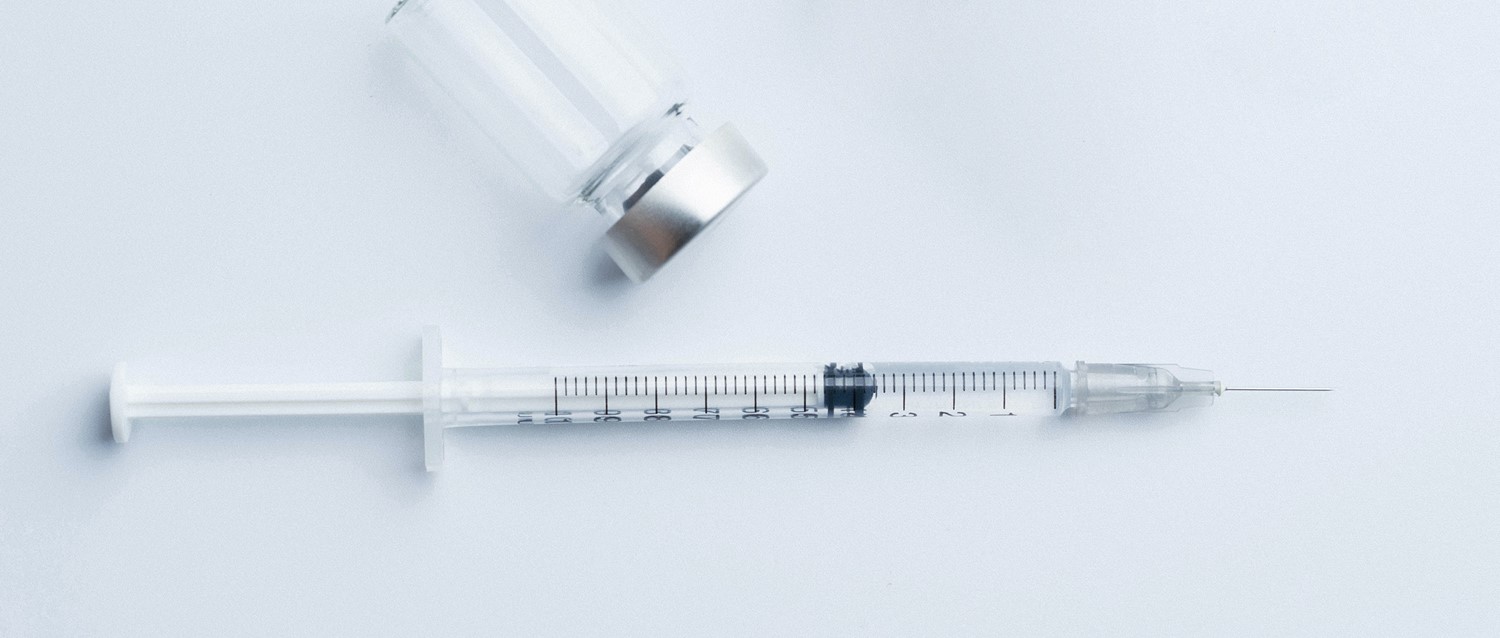
A chlamydia vaccine has passed initial safety tests
Peer reviewed by Natalie HealeyAuthored by Milly EvansOriginally published 13 Aug 2019
Meets Patient’s editorial guidelines
- DownloadDownload
- Share
- Language
- Discussion
- Ask Patient
- Audio Version
- Add to preferred sources on Google
An early stage clinical trial of a chlamydia vaccine has found it to be safe in humans.
Video picks for Sexually transmitted infectionsVideo library
The study, published in The Lancet Infectious Diseases journal, found that in a clinical trial of 35 healthy women, a vaccine shows early signs of effectiveness against genital chlamydia.
Chlamydia is a sexually transmitted infection (STI) which is most common in under-25s, affecting between 3-7% of sexually active young people in the UK. The majority of people experience no symptoms but complications which can develop include infertility and pelvic inflammatory disease.
In 2018 there were 218,095 diagnosed cases of chlamydia across the UK population, equating to nearly half of all new STI diagnoses. In the last five years, uptake of chlamydia screening has dropped by 22% but the proportion testing positive has increased.
Thus far, public health campaigns and treatment programmes have been largely ineffective in curbing the epidemic. Tests and antibiotic treatment are successful in detecting and treating chlamydia, but low public engagement and availability have prevented them from being effective.
A vaccination programme to prevent chlamydia occurring in the first place is thought to be a much better way of preventing its spread and complications. No previous chlamydia vaccines have reached human clinical trials.
Women are particularly at risk of complications from chlamydia. One in six women who have chlamydia develop pelvic inflammatory disease when the infection travels up from the cervix. This can cause chronic pelvic pain, infertility and ectopic pregnancy, particularly in areas of the world where there is limited access to treatment and screening. Chlamydia is also strongly associated with a greater risk of having other STIs, especially HIV and gonorrhoea. Chlamydia during pregnancy increases the risk of negative outcomes like miscarriage, stillbirth and preterm birth.
"Given the impact of the chlamydia epidemic on women's health, reproductive health, infant health through vertical transmission, and increased susceptibility to other sexually transmitted diseases, a global unmet medical need exists for a vaccine against genital chlamydia," explains author of the study, Professor Peter Andersen, from Statens Serum Institut, Denmark.
The 35 women included in the trial did not have chlamydia and were split into three groups, two with a different version of the vaccine (to see which was more effective) and one placebo group. In total, 32 participants received all five vaccinations in the course.
100% of those who received the vaccine had an immune response, whereas none of those in the placebo group did. One of the vaccines, called CTH522:CAF01, consistently performed better than the other and produced 5.6 times more antibodies. It is suggested that this vaccine be used for further clinical trials.
No serious side effects of the vaccination were reported although all of those who received the vaccine had mild skin reactions at the site of injection and some experienced mild pain or tenderness for a couple of days.
Despite showing an effective immune response, it is not yet known whether this translates into immunity to protect against chlamydia.
First author of the study, Helene Juel of the Statens Serum Institut, Denmark, reflected on the success of the first clinical trial. "Studies of antibodies in mice have found that antibodies in the vagina are the first line of defence against chlamydia infection, which suggests they are key to how effective the new vaccine may be."
"A vaccine for prevention of C. trachomatis infection [chlamydia] would have enormous public health and economic impact. Although clinical vaccine testing for chlamydia is in its infancy, this trial suggests optimism for the future," says Professor Toni Darville from University of South Carolina.
This study was published in The Lancet Infectious Diseases.
Patient picks for Sexually transmitted infections

Sexual health
Chlamydia
Around 3 to 7 in 100 sexually active young people in the UK are infected with chlamydia. It is most common in those aged under 25.
by Dr Hayley Willacy, FRCGP

Tests and investigations
STI tests
If you have a symptom that you think is due to a sexually transmitted illness - STI - or if you have no symptoms but are worried you have an STI, you should contact a health professional.
by Dr Hayley Willacy, FRCGP

Sexual health
Can you get chlamydia from kissing?
There are plenty of myths and misconceptions surrounding sexually transmitted infections (STIs) and how you contract them, one being that you can catch chlamydia from kissing. Let's explore this ...
by Emily Jane Bashforth
Sexual health
Home STI tests: how they work and what to expect
Sexually transmitted infections (STI) diagnoses reached record levels in 2022 in the UK. So it's never been more important to get tested - and home STI tests are a simple, quick, and accurate way look after your health. Here's what you need to know about home STI tests, their reliability, and how easy they are to use.
by Amberley Davis

Health and wellness video library
Chlamydia videos
Chlamydia is one of the most common sexually transmitted infections in the UK, but many people don’t realise they have it because it often has no symptoms. Our video hub explains everything you need to know, from what chlamydia is and how it’s spread, to the symptoms to look out for, how it’s tested and treated, and the risks of leaving it untreated.
by Lawrence Higgins
COVID-19
When will I get my COVID-19 vaccine?
With news that the COVID-19 vaccine has been offered to to government's top 4 priority groups in the UK, the prospect of vaccination available to all is becoming more real. Here we explore which groups have been offered vaccination, why they were prioritised and who comes next.
by Dr Sarah Jarvis
About the authorView full bio
Authored by

Milly Evans
Editor
Milly writes on a range of health topics, with a particular interest in health inequality and sexual health.
About the reviewerView full bio

Natalie Healey
Freelance journalist
BSc (Hons) Biomedical Science
She is a London-based health journalist who has been writing about science and medicine for several years. She is the former head of editorial at Patient.
Article history
Article also available in English, German, Spanish, French, Italian, Portuguese, Hindi, Hebrew, Arabic, and Swedish.
13 Aug 2019 | Originally published
Authored by:
Milly EvansPeer reviewed by
Natalie Healey
Share your thoughts or experiences with others in our patient communities.
Sign up to the Patient newsletter
Your weekly dose of clear, trustworthy health advice - written to help you feel informed, confident and in control.
By subscribing you accept our Privacy Policy. You can unsubscribe at any time. We never sell your data.