
What causes blood in urine?
Peer reviewed by Dr Krishna Vakharia, MRCGPAuthored by Amberley DavisOriginally published 9 Nov 2023
Meets Patient’s editorial guidelines
- DownloadDownload
- Share
- Language
- Discussion
- Ask Patient
- Audio Version
- Add to preferred sources on Google
If your urine is pink, red, or brown in colour it may be caused by blood, which can be linked to several health issues. While it can be scary to find blood in your urine, the cause is often harmless and treatable. However, it can sometimes be a sign of something more serious, so it's important to get checked out by a doctor.
Video picks for Urinary tract infections and symptomsVideo library
Blood in urine causes
Blood in urine (pee), also called hematuria, can be a symptom of several different health conditions. These can be harmless or very serious and are usually accompanied by other symptoms.
Dr Michael Green is a reproductive health specialist and chief medical officer at Winona: "Many things can cause hematuria, but any blood in your urine is a reason to speak to your doctor."
With the help of Dr Green, we look at the most likely causes of blood in urine and explore the other symptoms of each condition. Many of these symptoms overlap, but there are some key differences, and recognising these may help you prepare for your doctors' consultation.
Urinary tract infections (UTIs)
Urinary tract infections, or UTIs, are the most common reason for finding blood in urine. Around 5 out of 10 of all women will get a UTI at some point1, and while much less common, 2 in every 10 UTIs affect men2.
UTIs are infections caused by bacteria in the bladder or urethra, the tube that urine travels down. Not everyone who gets a UTI will find that their urine has a pink or reddish stain, but bleeding is a common symptom. Dr Green explains the other symptoms that often accompany UTIs.
"Needing to pee more than usual, having a strong urge to pee, and feeling pain or a burning sensation while peeing are common to UTIs. You might experience pain or discomfort in the lower region of your stomach or your back."
Kidney stones
Kidney stones, where small and hard deposits form on the walls of your kidneys or bladder, happen in around 1 in 10 people3. Although far less common than UTIs, most people with kidney stones will find visible blood in their urine, called gross hematuria, or will have blood that doctors find with a microscope, called microscopic hematuria.
Dr Green says: "Kidney stones can sometimes move into the urinary tract, causing bleeding and pain. Unlike other causes of blood in urine, this pain is typically intense and comes and goes in waves that radiate through the lower stomach and groin."
An enlarged prostate
Men have a prostate gland just below the bladder, and this often gets bigger toward middle age. Some men experience no symptoms with an enlarged prostate, while others do. However, finding blood in urine is a rare outcome4. Symptoms of an enlarged prostate occur when the gland grows big enough to put pressure on the urethra, which can cause problems with peeing.
"A weak stream of urine, difficulty starting or stopping peeing, frequent peeing especially at night, and a sense that you cannot fully empty your bladder are all common to benign prostate hyperplasia - the term for an enlarged prostate that isn't cancerous," says Dr Green.
Prostate, kidney, or bladder cancer
"It's vital to rule out cancer if you experience blood in your urine, and the only way to do this is to see your doctor," says Dr Green.
Prostate cancer is the most common cancer for men in the UK and is diagnosed in 52,300 each year5. However, blood in urine is usually only a symptom if the cancer has spread to the bladder.
In the case of prostate cancer, in addition to blood in urine, symptoms can include:
Tiredness (fatigue).
Unexplained weight loss.
Pain in the lower back or side,
A mass in the stomach that you can feel.
Pain is more likely to be present in the advanced stages of cancer, usually in the lower back or side.
Kidney cancer is less common, with 13,300 new UK cases each year, but blood in urine is the most common symptom6.
Bladder cancer is diagnosed in 10,300 people in the UK each year and around 8 in 10 of those diagnosed will find some blood in their urine7.
The doctor says: "Bladder or kidney cancer may produce less specific pain, but this pain tends to be more generalised and associated with advanced disease."
Other causes for blood in urine
The above health conditions are the main causes of blood in urine, but there are several other possibilities, and not all of them are health conditions. For example:
Beetroot - eating a lot of this vivid red-purple vegetable might change the colour of your urine.
Kidney or bladder injury - blood can enter your pee if you've suffered a blow to your kidneys, located just below your ribcage on each side of your spine, or your bladder in your lower stomach.
Radiation therapy - this treatment, used for various conditions including cancer, thyroid disease, and blood disorders, can cause your bladder to become inflamed, which in turn can cause blood in urine.
Medication - certain medicines may cause blood in urine, including the anti-cancer drug cyclophosphamide (Cytoxan), the antibiotic penicillin, medicines that prevent blood clots, and blood-thinning medicines such as heparin.
Vigorous exercise - blood in the urine can happen after playing contact sports, such as rugby, or after long-distance sports, such as marathon running. This may be linked to bladder or kidney damage, but it's not always clear why this happens.
No matter whether you've suffered a recent blow in a rugby match, eaten your weight in beetroot making your pee pink or red, or undergone a marathon, never assume you know why you're peeing blood. It's always safest to have a doctor check and rule out a serious health problem.
Further reading
Patient picks for Urinary tract infections and symptoms
Kidney and urinary tract
Blood in urine
Passing blood in your urine (haematuria) usually results in your urine turning a pink, red or brown colour.
by Dr Rachel Hudson, MRCGP

Sexual health
Erectile dysfunction in your 20s and 30s - what causes it?
Erectile dysfunction is often associated with growing older, but it can affect people at any age. If you are in your 20s or 30s and find it difficult to get or keep an erection, you are not alone. It can be frustrating or upsetting, particularly if it feels unexpected, but it is often possible to identify contributing factors and find a treatment that helps. Stress, anxiety, and relationship difficulties can all affect erections. Physical health conditions, medicines, and lifestyle factors can also play a part. Understanding what might be behind the issue is the first step towards getting support.
by Thomas Andrew Porteus, MBCS

Children's health
Urine infection in children
Urine infection in children is common. It can cause various symptoms. A course of medicines called antibiotics will usually clear the infection quickly. In most cases, a child with a urine infection will make a full recovery. Sometimes tests to check on the kidneys and/or bladder are advised after the infection has cleared. Your doctor will advise if your child needs these tests. This depends on your child's age, the severity of the infection and whether it has happened before.
by Dr Colin Tidy, MRCGP
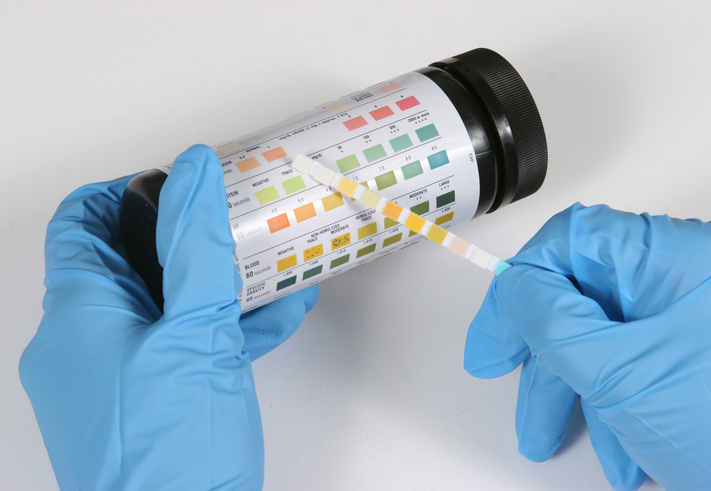
Tests and investigations
Urine dipstick test
A urine dipstick test tests the urine using a special strip of paper that is dipped into a sample of urine. The result is available almost immediately. It is sometimes called a rapid urine test.
by Dr Philippa Vincent, MRCGP
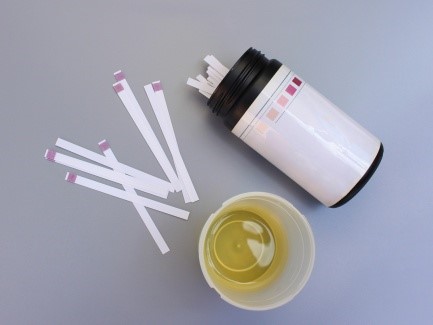
Tests and investigations
Ketones in urine
Ketones are produced when the body burns fat for fuel. Normally these ketones will be completely broken down (metabolised) so that there are very few ketones in the urine. If for any reason the body cannot get enough glucose for energy it will switch to using body fats, causing an increase in ketones in the body. This results in more ketones in urine.
by Dr Surangi Mendis, MRCGP
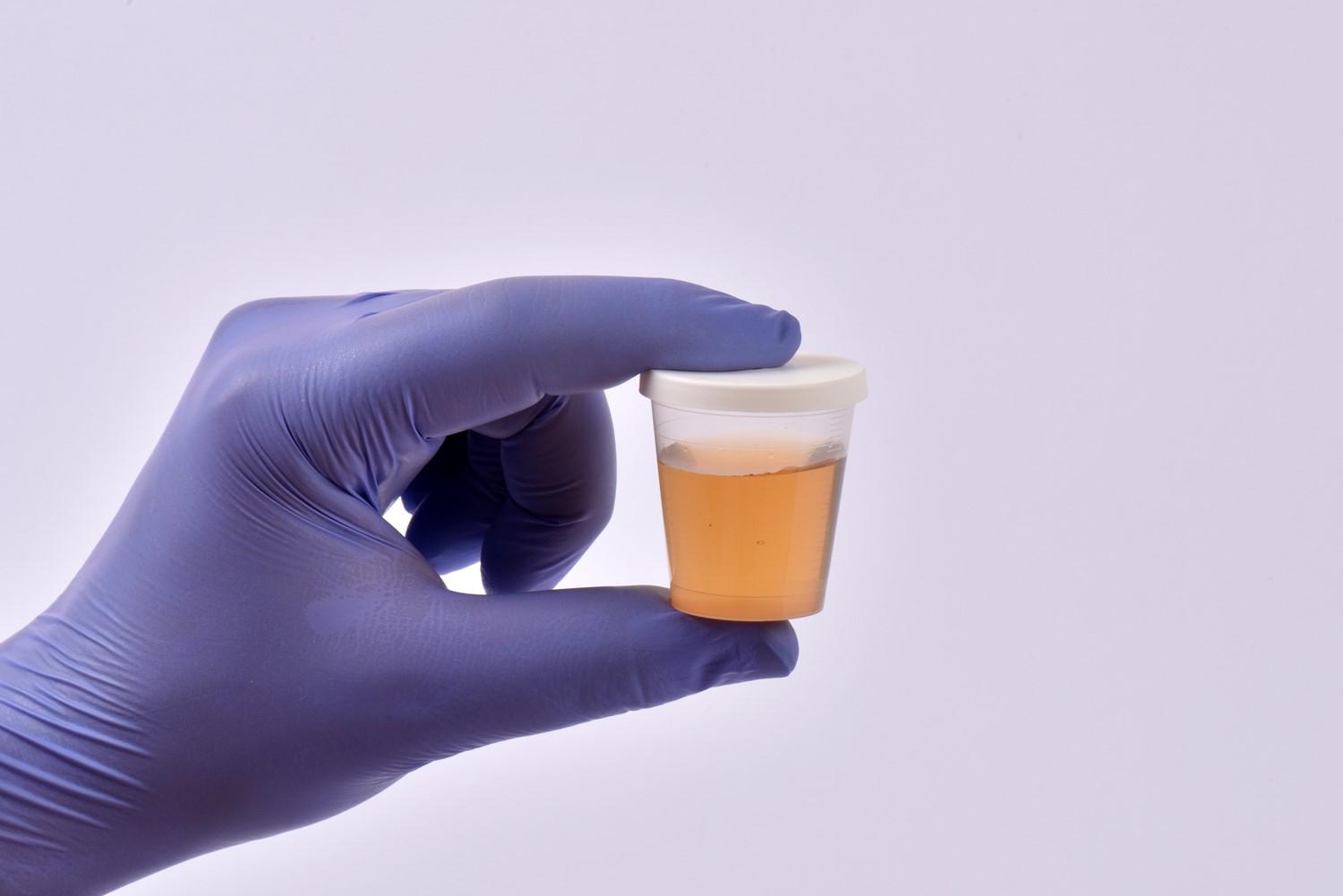
Tests and investigations
Midstream specimen of urine
A midstream specimen of urine (MSU or MSSU) is usually tested to look for infection, although in some cases, illness other than infection might be diagnosed based partly on what is seen in an MSU.
by Dr Rachel Hudson, MRCGP
About the authorView full bio
Authored by

Amberley Davis
Senior writer
BA (Hons), CPD
Amberley is a senior writer with Patient and has written extensively on a range of health and wellbeing topics.
About the reviewerView full bio

Dr Krishna Vakharia, MRCGP
Chief Medical Officer for Health, Optum UK
MBChB, MRCGP(2013), BMedSci (hons), DFSRH, DRCOG, PGDipDerm (Distn)
Dr Krishna Vakharia is an NHS GP. She is also a regular examiner for the postgraduate Diploma in Practical Dermatology at Cardiff University as well as being the Chief Medical Officer for health at Optum UK.
Article history
Article also available in English, German, Spanish, French, Italian, Portuguese, Hindi, Hebrew, Arabic, and Swedish.
9 Nov 2023 | Originally published
Authored by:
Amberley DavisPeer reviewed by
Dr Krishna Vakharia, MRCGP
Share your thoughts or experiences with others in our patient communities.
Sign up to the Patient newsletter
Your weekly dose of clear, trustworthy health advice - written to help you feel informed, confident and in control.
By subscribing you accept our Privacy Policy. You can unsubscribe at any time. We never sell your data.