What your pee says about your health
Peer reviewed by Dr Sarah JarvisAuthored by Gillian HarveyOriginally published 17 Oct 2018
Meets Patient’s editorial guidelines
- DownloadDownload
- Share
- Language
- Discussion
- Ask Patient
- Audio Version
- Add to preferred sources on Google
Your pee can tell you a lot about the state of your health and whether you're sufficiently hydrated, so it's worth glancing in the bowl after a tinkle. We chat to Dr Dawn Harper about what your waste could be trying to tell you.
Video picks for Urinary tract infections and symptomsVideo library
What colour was your urine last time you peed? Chances are, you've no idea. A recent survey revealed that only 20% of men and 12% of women check the colour of their pee each time they go.
But monitoring your pee is such a good idea that Public Health England recently ran a 'Look before you flush' initiative, as part of their 'Be Clear on Cancer' campaign, to encourage people to take a glance at their urine output to make sure all is well. But what does the colour of our pee indicate? And when should we worry?
Dehydration
If you're worried about dehydration, taking a look in the bowl after a pee is a far better indicator than monitoring your input.
"People are often advised to drink 6-8 cups of liquid a day," explains GP Dr Dawn Harper, TV medic and spokesperson for the campaign. "But who's to say how much that really is? In fact, your need will depend very much on the ambient temperature and your activity level. A great way to tell whether you're sufficiently hydrated is by looking at the colour of your urine. If it's not straw or champagne-coloured, you need to drink more; the darker the colour the more dehydrated you are."
Blood in the urine
It might not be as easy as you think to tell if there's blood in your urine. As well as a bright red, blood may appear pink or even brownish in colour.
"Blood can take on any form from pale pink - the colour of rosé wine - to pillar box red, right through to a cola shade of brown," explains Harper.
Whilst blood in the urine may be a sign of bladder or kidney cancer, most of the time it's nothing serious. In fact, many things can cause your urine to appear this way.
"It could be a kidney stone, a sign of inflammation, infection or even just eating too much beetroot!" Harper reveals.
However, even if you cast your mind back to last night's salad and realise it was beetroot-heavy, it's important to see your doctor to have any potential blood in the urine investigated - even if it has only happened once - to make sure there's nothing else going on.
Other signs to look for
As well as noting the colour, there are other signs that may indicate a problem with your urine.
"Some people have a fishy smell to their urine a lot of the time," explains Harper. "This may be due to an enzyme deficiency which can be corrected through diet.
"But if the smell is pungent, or the urine is cloudy in appearance, this may be another sign of infection."
Making an appointment
If you think you may have blood in your urine, it's a good idea to get it checked out quickly.
Some surgeries are incredibly busy and it may seem to patients that they are unable to get an appointment when they need one. To get the care you need, it's crucial that you explain to the receptionist exactly why you want to see the doctor.
"Some people worry about disclosing their personal health information to a receptionist, and for this reason may not get the appointment they need," explains Harper. "It's important to remember that doctors' receptionists are bound by the same rules of confidentiality as doctors.
"They may ask personal questions, but this is to make sure you get the best passageway through surgeries. They can be your ally, rather than your enemy.
"Most surgeries will have time set aside for urgent appointments, and if you explain to the receptionist that you think you may have blood in your urine, it is likely you will be seen quickly."
At the doctor
Going to the doctor after noticing a reddish colour to your pee may feel nerve-wracking; however, much of the time it won't lead to any invasive testing.
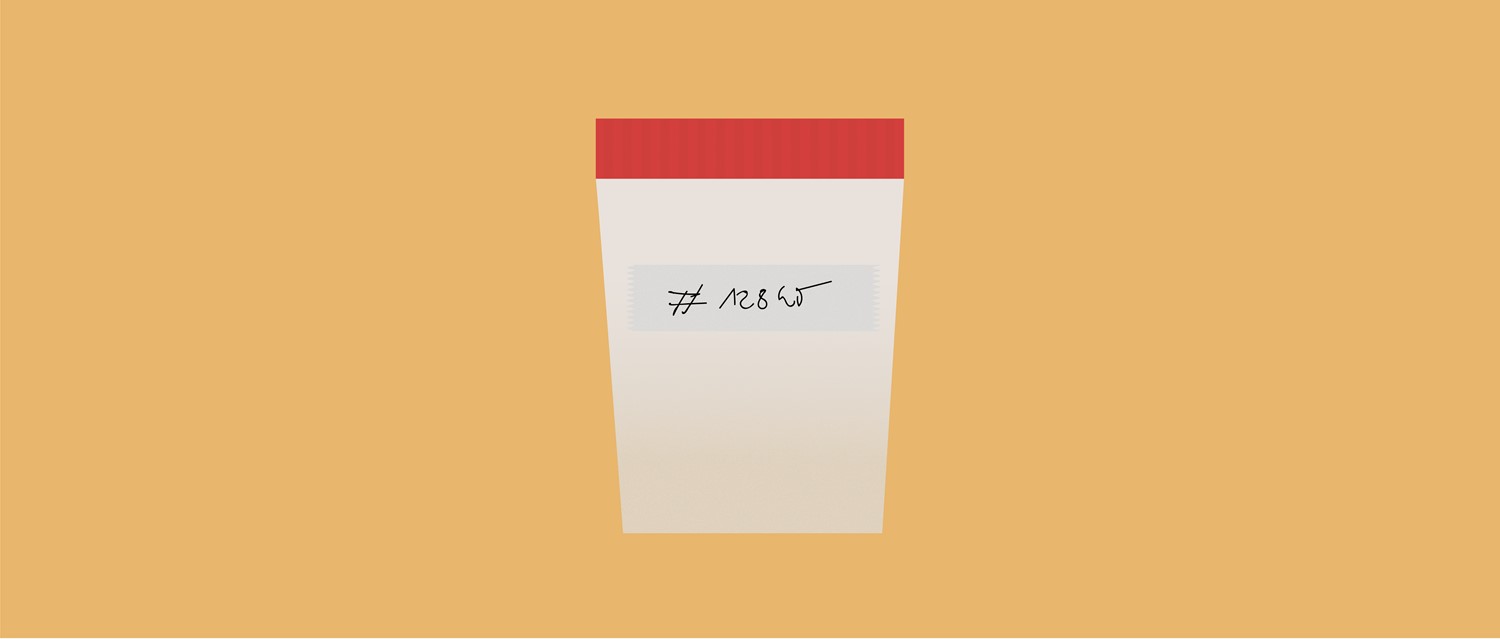
"The first thing the doctor would do is to take a detailed history from you," explains Harper. "They will also want to do a urine test - so if possible take a sample with you in a clean container, or a sample pot collected from your surgery in readiness.
"Even if you can't see any trace of blood in it anymore, it could be picked up with a dip-test. Doctors can also use this test to look for infection and other problems."
What happens next?
If, after performing the tests and ruling out common causes, the doctor is still concerned, it's likely you would then be: "referred to a specialist for more intricate scanning, or to look directly into the urethra with a cystoscope (a thin tube with a camera/light on the end)," explains Harper.
What if it's cancer?
Nobody wants to hear the 'c' word. However, as with all cancers, the sooner bladder or kidney cancer is detected, the better the prognosis. So whilst addressing the issue may make you feel nervous, it's better to seek reassurance or the necessary treatment if you think you've passed blood in your pee.
It's not the nicest view in the world, but glancing in the bowl really could save your life.
Patient picks for Urinary tract infections and symptoms

Mental health
How peer support can help boost your mental health
Talking about our problems isn't always easy. Sometimes, emotions can feel so overwhelming that it's difficult to find the motivation to talk them out, or we may worry about being ignored or judged. However, talking to someone you trust - and being listened to in a empathetic environment such as a peer support group - can have powerful psychological benefits.
by Lydia Smith

Heart health and blood vessels
7 seasonal habits to help lower your cholesterol
Feeling the need to cosy up and slow down as the colder months kick in? You’re not alone - it’s rooted in proven biological and neurological changes rather than laziness. But while enjoying a slower pace can be enjoyable, some of the habits that come with it might be quietly raising your cholesterol.
by Claire Kenny

Oral and dental care
What your teeth say about your health
Most of us know the importance of looking after our teeth. Twice daily brushing, flossing, and good dental hygiene can help to keep our smile fresh, with little need for expensive dental work. But did you know that tooth issues can also indicate issues in the rest of the body?
by Lynn Stephen

Sexual health
Erectile dysfunction in your 20s and 30s - what causes it?
Erectile dysfunction is often associated with growing older, but it can affect people at any age. If you are in your 20s or 30s and find it difficult to get or keep an erection, you are not alone. It can be frustrating or upsetting, particularly if it feels unexpected, but it is often possible to identify contributing factors and find a treatment that helps. Stress, anxiety, and relationship difficulties can all affect erections. Physical health conditions, medicines, and lifestyle factors can also play a part. Understanding what might be behind the issue is the first step towards getting support.
by Thomas Andrew Porteus, MBCS
Diet and nutrition
What is your gut microbiome?
Let’s talk about something small that has a big impact on your health - the gut microbiome. This hidden universe of microbes plays an important role in your wellbeing. How you treat these tiny residents can make a world of difference to how you feel.
by Victoria Raw

Ear, nose and throat
What does your snot say about your health?
No one enjoys having a runny nose or the mountain of discarded tissues that result from the common cold. But could your snot tell you clues about your health? We ask a GP.
by Natalie Healey
About the authorView full bio
Authored by

Gillian Harvey
Freelance Writer
BA (Hons) English
Gillian is a freelance writer and columnist for a variety of national newspapers and magazines.
About the reviewerView full bio

Dr Sarah Jarvis
Clinical Consultant
MA (Cantab), BM, BCh (Oxon), DRCOG, FRCGP, MBE
After training in medicine at Cambridge and Oxford, Dr Sarah Jarvis MBE became a GP.
Article history
Article also available in English, German, Spanish, French, Italian, Portuguese, Hindi, Hebrew, Arabic, and Swedish.
17 Oct 2018 | Originally published
Authored by:
Gillian HarveyPeer reviewed by
Dr Sarah Jarvis
Share your thoughts or experiences with others in our patient communities.
Sign up to the Patient newsletter
Your weekly dose of clear, trustworthy health advice - written to help you feel informed, confident and in control.
By subscribing you accept our Privacy Policy. You can unsubscribe at any time. We never sell your data.