
Do supplements work for depression?
Peer reviewed by Dr Sarah JarvisAuthored by Natalie HealeyOriginally published 20 Feb 2020
Meets Patient’s editorial guidelines
- DownloadDownload
- Share
- Language
- Discussion
- Ask Patient
- Audio Version
- Add to preferred sources on Google
Many dietary supplements are marketed to people with low mood. But is there any evidence that taking them can make you feel better?
Mental health support for adults and children
Online CBT and psychological therapy for adults and children aged 8–17. Onebright’s accredited clinicians support people experiencing anxiety, depression and other emotional challenges.
Take a glance at the supplements and herbal remedies in your local health food shop and you'll likely come across a number of tablets promising to make you happier. You'd be forgiven for seeing them as tempting alternatives to visiting your GP if you were feeling blue. But can any actually help for depression?
Which supplements might help?
It's not surprising that many people are interested in whether taking a simple supplement could make them feel better mentally, says dietician Alexia Dempsey, spokesperson for the British Dietetic Association.
"I think people are really desperate to try to find answers about what they can do for themselves, particularly when there are often such long waiting lists for therapy."
Several studies do link mental health conditions with nutrition, so it makes sense that supplementation could potentially improve someone's mood.
"Research has shown links between mental health disorders and nutrition - most commonly, in terms of nutritional deficiencies, such as omega-3 fatty acids, B vitamins and certain amino acids," adds GP Dr Payal Mehta from the London Doctors Clinic.
What's the evidence?
But is there any evidence that a supplement that you can purchase without consulting a health professional can actually boost your mood?
There are many studies which have looked into the benefit of nutrient supplementation in people with mental health problems. But until recently, no one had really unpacked it all to provide a clear overview. Researchers at NICM Health Research Institute, University of Manchester and Western Sydney University set out to change this.
They examined 33 studies and data from over ten thousand people with mental health problems such as depression, bipolar disorder and ADHD to determine whether supplements really could make a difference. The meta-review is published in World Psychiatry.
The group found the strongest evidence was seen for omega-3 supplements for reducing symptoms of depression. And some types of folate supplements appeared to be helpful in both major depression and schizophrenia. However, the researchers found a lack of compelling evidence supporting the use of vitamins (such as D, E, or C) and minerals like zinc and magnesium for improving mental health.
There is also evidence that herbal remedy St John's wort (SJW), which has been used as a traditional medicine for centuries, can help depression. A review found the over-the-counter herb to be as effective for mild to moderate depression as antidepressants. But this unlicensed remedy can also interfere with lots of medications, so you should always have a discussion with your doctor before you start taking it.
Can they replace antidepressants?
So how do other supplements compare to antidepressants for mood disorders? And will they ever replace the need for medication for mental health problems?
"It's important to note that not all evidence is supportive and most studies involve the co-administration with antidepressant medication," says Jerome Sarris, professor of integrative mental health and deputy director at NICM.
That means it wouldn't be a good idea to swap your prescribed medication for a dietary supplement. It's really inadvisable to come off antidepressants without the support of your GP.
"I don't think we can replace the power of talking therapies with diet and lifestyle changes. They are very different interventions that work well together but singularly might be less effective. I would say the same of medications," says Dempsey.
And even if you're not yet being treated for depression, the first port of call should always be your GP or to self-refer to talking therapies in your area if you think you may have a mental health problem.
What more do we need to know?
There is still so much more we need to understand about how certain nutrients can affect our mental health.
"Whilst we have a good idea about what happens to mental health and mood when we are lacking foods, we still don't really understand the impact that including specific foods might have. And a lot of the research that links diet and mental health comes from population studies using diet recall so it isn't as accurate as we might like," points out Dempsey.
She says there is emerging research into gut bacteria and mental health. But it's really too early to suggest probiotics would be useful for depression.
Instead of wasting money on supplements, Dempsey recommends first exploring whether you're getting the right nutrition from what you're eating. She suggests the Mediterranean diet - which she believes has shown the most compelling evidence for helping mental health. But she does stress that if you think you might be depressed, it's still best to see a qualified health professional.
"All mental health conditions are multi-faceted and it's important to consult your GP who can help guide you towards the most relevant treatment," agrees Mehta.
Patient picks for Depression
Diet and nutrition
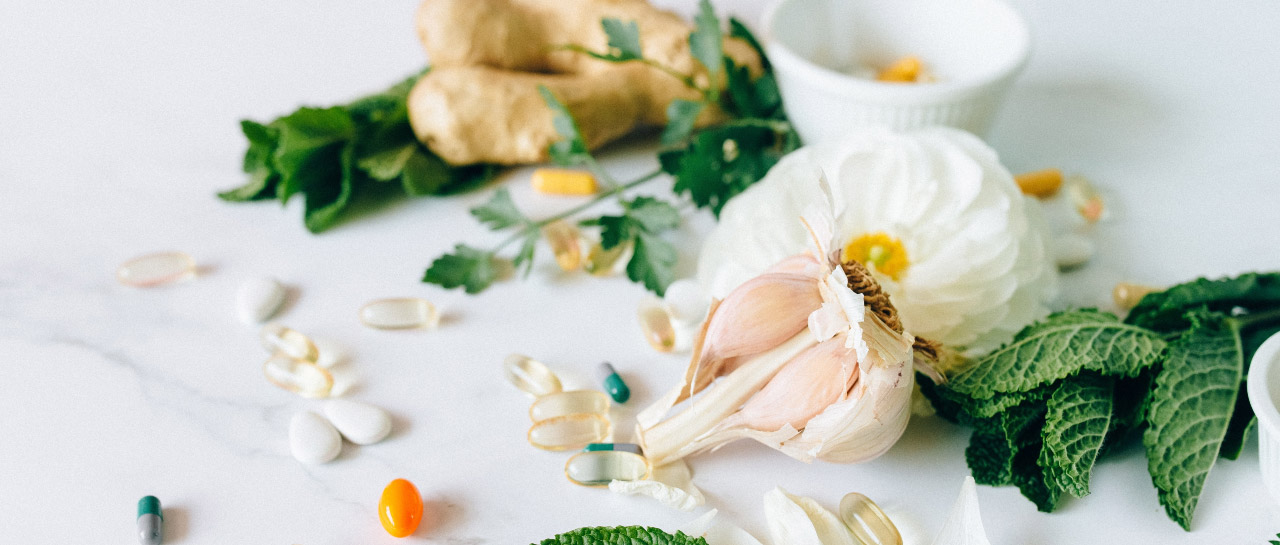
What are the pros and cons of taking supplements?
Anyone browsing the health aisles at the supermarket, checking out shelves in the health food shop or scrolling through internet outlets in the hope of improving their health, will find a wealth of supplements on offer. Often these are branded 'natural' or 'herbal' - making them sound healthy and harmless.
by Gillian Harvey
Diet and nutrition
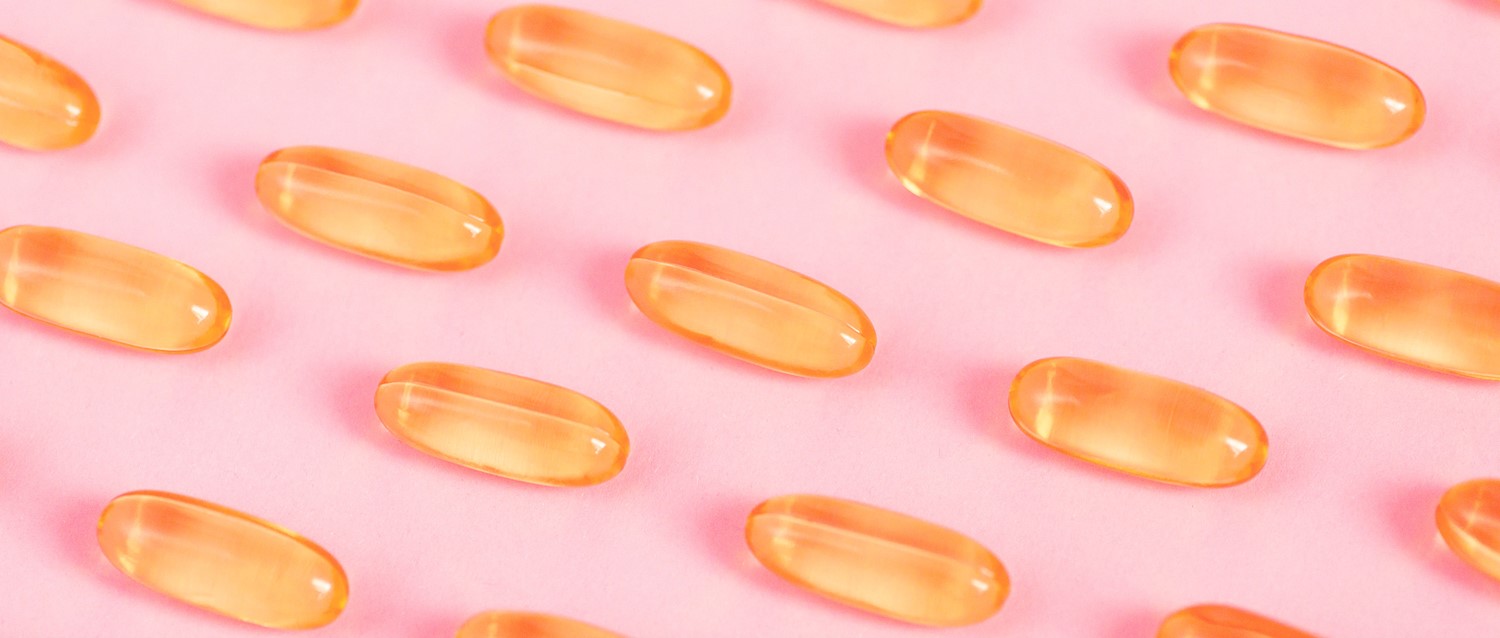
Do omega-3 fish oil supplements have a proven health benefit?
If your granny insisted on fish on Fridays, she was on to something. Studies over the years have confirmed a host of health benefits linked to eating fish, particularly so-called 'oily' fish such as salmon, mackerel and sardines. These foods are rich in special types of fat called omega-3s which are important for your heart and brain. But how do you know if you're getting enough? And is it better to take a supplement?
by Dr Carrie Ruxton, PhD, Child Nutrition
Diet and nutrition
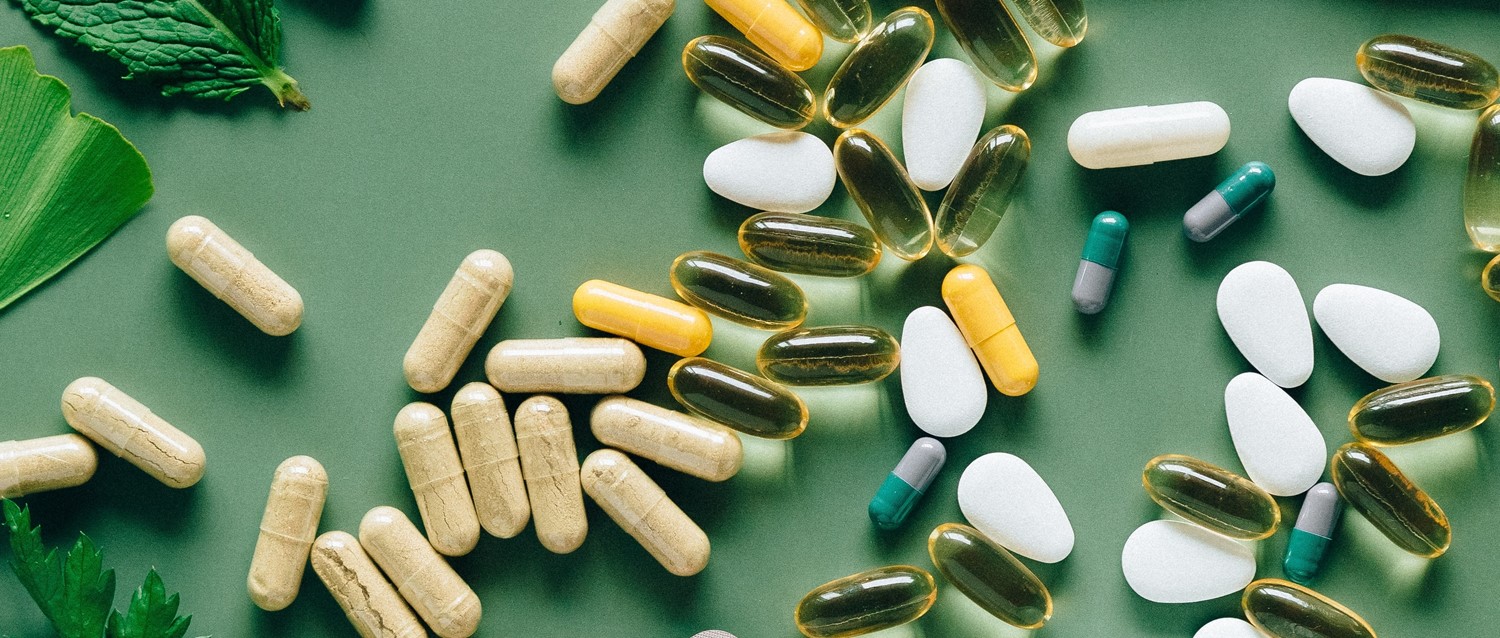
Do ZMA supplements really work?
The ZMA supplement - also known as zinc magnesium aspartate - is used by people looking to improve their sleep and also by fitness enthusiasts who want to build muscle and increase their stamina. Yet there is little evidence to support the use of ZMA in individuals who aren't nutrient deficient. The best way to absorb and benefit from the nutrients in ZMA is to eat a healthy, well-balanced diet.
by Amberley Davis

Mental health
Depression
Depression is a common mood disorder in which you have a persistent low mood. Symptoms can affect day-to-day life and can become very distressing. Treatments include talking (psychological) treatments and antidepressant medicines. Treatment takes time to work but has a good chance of success. Some people have repeated episodes of depression and require long-term treatment to keep symptoms away.
by Dr Doug McKechnie, MRCGP
Senior health
The best anti-ageing supplements for your health
The term anti-ageing is written on many beauty creams and other skincare products packaging. But what does anti-ageing mean inside the body? Here, it goes beyond the appearance of our face lines, to healthy internal ageing. This means how well our cells and organs are remaining healthy and able to fight decline and disease as we grow older - so that we can live happily for as long as possible. We explore the anti-ageing supplements that help our bodies do just this, according to experts.
by Lawrence Higgins

Children's health
Depression in children
Adults and children react to life's 'ups and downs'. Being sad or down when things haven't gone well is a normal part of life. However, when those feelings don't lift and how you live your life is affected, then depression might be the cause. Recognising that a child (or young person) is depressed is important. Finding the right way to support them may stop the problem becoming long-term. Treatment is available and effective. This does not have to be a lifelong problem.
by Dr Hayley Willacy, FRCGP
About the authorView full bio
Authored by

Natalie Healey
Freelance journalist
BSc (Hons) Biomedical Science
She is a London-based health journalist who has been writing about science and medicine for several years. She is the former head of editorial at Patient.
About the reviewerView full bio

Dr Sarah Jarvis
Clinical Consultant
MA (Cantab), BM, BCh (Oxon), DRCOG, FRCGP, MBE
After training in medicine at Cambridge and Oxford, Dr Sarah Jarvis MBE became a GP.
Article history
Article also available in English, German, Spanish, French, Italian, Portuguese, Hindi, Hebrew, Arabic, and Swedish.
20 Feb 2020 | Originally published
Authored by:
Natalie HealeyPeer reviewed by
Dr Sarah Jarvis
Share your thoughts or experiences with others in our patient communities.
Sign up to the Patient newsletter
Your weekly dose of clear, trustworthy health advice - written to help you feel informed, confident and in control.
By subscribing you accept our Privacy Policy. You can unsubscribe at any time. We never sell your data.