Alpha thalassemia X-linked intellectual disability syndrome
Last updated 27 Oct 2023
Meets Patient’s editorial guidelines
- DownloadDownload
- Share
- Language
- Discussion
- Ask Patient
- Audio Version
- Add to preferred sources on Google
Alpha thalassemia X-linked intellectual disability syndrome is an inherited disorder that affects many parts of the body. This condition occurs almost exclusively in males.
Video picks for Genetic conditionsVideo library
Description
Alpha thalassemia X-linked intellectual disability syndrome is an inherited disorder that affects many parts of the body. This condition occurs almost exclusively in males.
Males with alpha thalassemia X-linked intellectual disability syndrome have intellectual disability and delayed development. Their speech is significantly delayed, and most never speak or sign more than a few words. Most affected children have weak muscle tone (hypotonia), which delays motor skills such as sitting, standing, and walking. Some people with this disorder are never able to walk independently.
Almost everyone with alpha thalassemia X-linked intellectual disability syndrome has distinctive facial features, including widely spaced eyes, a small nose with upturned nostrils, and low-set ears. The upper lip is shaped like an upside-down "V," and the lower lip tends to be prominent. These facial characteristics are most apparent in early childhood. Over time, the facial features become coarser, including a flatter face with a shortened nose.
Most affected individuals have mild signs of a blood disorder called alpha thalassemia. This disorder reduces the production of hemoglobin, which is the protein in red blood cells that carries oxygen to cells throughout the body. A reduction in the amount of hemoglobin prevents enough oxygen from reaching the body's tissues. Rarely, affected individuals also have a shortage of red blood cells (anaemia), which can cause pale skin, weakness, and fatigue.
Additional features of alpha thalassemia X-linked intellectual disability syndrome include an unusually small head size (microcephaly), short stature, and skeletal abnormalities. Many affected individuals have problems with the digestive system, such as a backflow of stomach acids into the esophagus (gastroesophageal reflux) and chronic constipation. Genital abnormalities are also common; affected males may have undescended testes and the opening of the urethra on the underside of the penis (hypospadias). In more severe cases, the external genitalia do not look clearly male or female.
Inheritance patterns
The source lists the following possible inheritance patterns: X-linked recessive. More than one pattern can apply in different cases.
Related genes
Other names
Alpha thalassemia X-linked mental retardation syndrome
Alpha thalassemia/mental retardation, X-linked
Alpha-thalassemia X-linked mental retardation syndrome
Alpha-thalassemia/mental retardation syndrome, nondeletion type
ATR-X syndrome
ATRX syndrome
X-linked alpha-thalassemia/mental retardation syndrome
XLMR-hypotonic face syndrome
Patient picks for Genetic conditions

Children's health
Cri du chat syndrome
Cri du chat syndrome is a chromosome problem caused by a missing piece of chromosome 5. The syndrome is called cri du chat (French for cry of the cat) because affected babies often have a high-pitched cry. Not all babies with the missing piece of chromosome 5 will develop cri du chat syndrome. Cri du chat syndrome may cause a variety of abnormalities, especially affecting the head and face. Other features may include learning difficulties and slow growth and development. There is no specific treatment. However, physiotherapy, speech and language therapy, and surgical treatment for some abnormal features may be needed. Many affected children will survive well into adulthood. However, those babies severely affected may die within the first year of life.
by Dr Hayley Willacy, FRCGP

Children's health
How to support your child with a learning disability
All parents and carers have worries and concerns about their children at some point. For those with children who have learning disabilities, there can be further concerns about supporting your child's development, communication and independence.
by Milly Evans

Brain and nerves
Alex Mitchell on comedy, disability - and why he won’t be labelled inspirational
Alex Mitchell is a stand-up comedian who you may recognise from ITV’s Britain’s Got Talent, where he first earned widespread recognition in 2024. Since then, he’s been carving out his place across the comedy circuit while also hosting his own podcast. Alex identifies as queer, is autistic, and in 2021 was diagnosed with functional neurological disorder (FND), a condition that affects communication between his brain and nervous system. As he explains, this gives him a distinctive voice in mainstream stand-up, though he is careful not to let it define him. I spoke with Alex about his health, how he navigates his condition through stand-up, and his desire not to be seen as an 'inspiration' because of his disability - but simply as a person doing what he loves.
by Victoria Raw

Children's health
Down's syndrome
Down's syndrome (also known as Down syndrome) is a genetic chromosome problem. Someone with Down's syndrome has an extra copy of chromosome 21 in the cells of their body. This causes the typical features of the condition. All people with Down's syndrome have some degree of learning disability. They are also at increased chance of having various other medical problems. Down's syndrome may be detected before birth (prenatally) or after birth (postnatally). It cannot be cured but treatment and support can help someone with Down's syndrome to lead an active life. A number of advice and support groups are available for people with Down's syndrome and their families and carers, such as the Down's Syndrome Association (see Further Reading below for link to website).
by Dr Colin Tidy, MRCGP
Brain and nerves
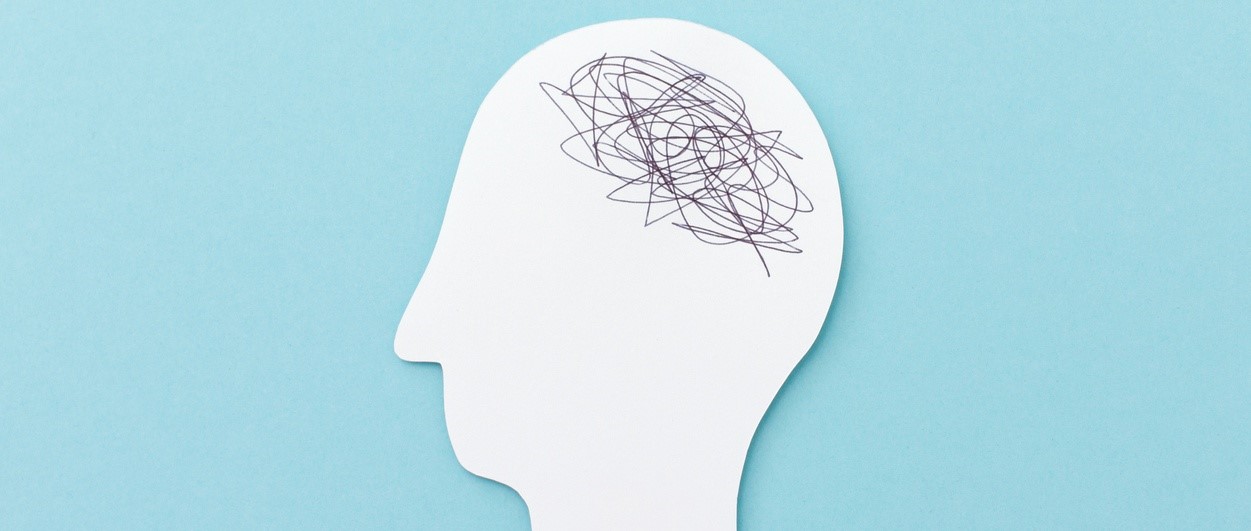
Young-onset dementia is linked to health and lifestyle, as well as genetics
Many of us fear dementia, not to mention developing it while we're young, but little is known about whether we can prevent it. However, a breakthrough study has identified 15 significant factors linked to young-onset dementia, which develops before the age of 65. And many of these are influenced by your health and lifestyle choices. With around 370,000 people developing young-onset dementia each year worldwide, experts believe this research brings us closer to finding ways to prevent, identify, and treat this devastating disease.
by Amberley Davis

Healthy living
How to exercise with a physical disability
When you have limited mobility, keeping fit and active can feel more difficult, but it doesn't have to be this way. Here are some simple expert tips on how to improve your fitness if you are disabled.
by Ginny Weeks
Related patient information and medicines
Patient information leaflet
Cri du chat syndrome
Cri du chat syndrome is a chromosome problem caused by a missing piece of chromosome 5. The syndrome is called cri du chat (French for cry of the cat) because affected babies often have a high-pitched cry. However, most people with cri du chat syndrome... About 1 in 10 babies born with cri du chat syndrome are severely affected and die within the.
Patient information leaflet
Down's syndrome
Down's syndrome (also known as Down syndrome) is a genetic chromosome problem. Someone with Down's syndrome has an extra copy of chromosome 21 in the cells of their body. ... It cannot be cured but treatment and support can help someone with Down's syndrome to lead an active life. A number of advice and support groups are available for people with.
Patient information leaflet
Slapped cheek syndrome
Slapped cheek syndrome is normally a mild, short illness. Slapped cheek syndrome, sometimes called fifth disease or erythema infectiosum, is an infection caused by the parvovirus B19 virus. Slapped cheek syndrome most commonly occurs in children aged 3-15 years b... The only times the illness may become more serious are: In children with some.

Patient information leaflet
Sjögren's syndrome
Sjögren's syndrome is an autoimmune disease that causes the glands that produce tears and saliva to stop working. It is a life-long condition but treatments can help control symptoms such as dry eyes and dry mouth. Key points Sjögren’s syndrome is an autoimmune condition where the immune system attacks glands that produce moisture, mainly the tear.
Patient information leaflet
Charles Bonnet syndrome
Charles Bonnet syndrome is a common condition experienced by people who are losing, or have lost, their sight. It involves seeing things which are not really there (having visual hallucinations). The hallucinations are most marked in low light or when relaxing and are often complicated scenes involving faces, children and wild animals. People.
Patient information leaflet
Diogenes syndrome
Diogenes syndrome is uncommon but can be easily missed, especially in an elderly person living on their own. ...ome, also known as senile squalor syndrome or hoarding disorder, is a disorder with extreme self-neglect,The diagnosis is made by a mental healthcare professional (such as a psychologist or psychiatrist) taking a detailed history to.
Further reading and references
- Alpha thalassemia X-linked intellectual disability syndrome; MedlinePlus, National Library of Medicine.
- Gibbons R. Alpha thalassaemia-mental retardation, X linked. Orphanet J Rare Dis. 2006 May 4;1:15. doi: 10.1186/1750-1172-1-15.
- Leon NY, Harley VR. ATR-X syndrome: genetics, clinical spectrum, and management. Hum Genet. 2021 Dec;140(12):1625-1634. doi: 10.1007/s00439-021-02361-5. Epub 2021 Sep 15.
- Noordhuis-Zijderveld A, Festen DAM, Kharl A, van Gastel M, Hartman M, Bruggenwirth HT, Zeidler S, Valstar MJ. Clinical variability in individuals with ATR-X syndrome in the Netherlands. Eur J Med Genet. 2025 Aug;76:105026. doi: 10.1016/j.ejmg.2025.105026. Epub 2025 Jun 6.
- Palaniappan C, Ramalingam R. Deciphering the Molecular Effects of Mutations on ATRX Cause ATRX Syndrome: A Molecular Dynamics Study. J Cell Biochem. 2017 Oct;118(10):3318-3327. doi: 10.1002/jcb.25984. Epub 2017 May 3.
- Stevenson RE. Alpha-Thalassemia X-Linked Intellectual Disability Syndrome. 2000 Jun 19 [updated 2020 May 28]. In: Adam MP, Bick S, Mirzaa GM, Wallace SE, Amemiya A, editors. GeneReviews(R) [Internet]. Seattle (WA): University of Washington, Seattle; 1993-2026. Available from http://www.ncbi.nlm.nih.gov/books/NBK1449/
Share your thoughts or experiences with others in our patient communities.
Simple access to trusted treatments and health services online.
Common conditions
Get help with common conditions through the NHS, without a GP appointment.





Sign up to the Patient newsletter
Your weekly dose of clear, trustworthy health advice - written to help you feel informed, confident and in control.
By subscribing you accept our Privacy Policy. You can unsubscribe at any time. We never sell your data.