Androgen insensitivity syndrome
Last updated 6 Mar 2025
Meets Patient’s editorial guidelines
- DownloadDownload
- Share
- Language
- Discussion
- Ask Patient
- Audio Version
- Add to preferred sources on Google
Androgen insensitivity syndrome is a condition that affects sexual development before birth and during puberty. People with this condition have one X chromosome and one Y chromosome in each cell. In people with androgen insensitivity syndrome, the body's cells and tissues are unable to respond to certain male sex hormones (called androgens) that are important for normal male sexual development before birth and during puberty. As a result, affected individuals may have external sex characteristics that are typical for females or have features of both male and female sexual development.
Video picks for Genetic conditionsVideo library
Description
Androgen insensitivity syndrome is a condition that affects sexual development before birth and during puberty. People with this condition have one X chromosome and one Y chromosome in each cell. In people with androgen insensitivity syndrome, the body's cells and tissues are unable to respond to certain male sex hormones (called androgens) that are important for normal male sexual development before birth and during puberty. As a result, affected individuals may have external sex characteristics that are typical for females or have features of both male and female sexual development.
There are three forms of androgen insensitivity syndrome: complete, partial, and mild.
Complete androgen insensitivity syndrome occurs when the body does not respond to androgens at all. People with this form of the condition have external sex characteristics that are typical of females. Affected individuals do not have a uterus. They have male internal sex organs (testes) that are undescended, which means they are located in the pelvis or abdomen instead of outside the body. As such, affected individuals do not menstruate and are unable to conceive a child (infertile). People with complete androgen insensitivity syndrome also have sparse or absent hair in the pubic area and under the arms.
The partial and mild forms of androgen insensitivity syndrome occur when the body's tissues are partially sensitive to the effects of androgens.
People with partial androgen insensitivity can have genitalia that look typical for females, genitalia that have both male and female characteristics, or genitalia that look typical for males.
People with mild androgen insensitivity are born with male-typical sex characteristics, but they are often infertile and tend to experience breast enlargement at puberty.
Inheritance patterns
The source lists the following possible inheritance patterns: X-linked recessive. More than one pattern can apply in different cases.
Related genes
Other names
AIS
Androgen receptor deficiency
Androgen resistance syndrome
AR deficiency
DHTR deficiency
Dihydrotestosterone receptor deficiency
Patient picks for Genetic conditions
Women's health
Premenstrual syndrome
Premenstrual syndrome (PMS) can cause various symptoms before periods. In some women the symptoms can badly affect their quality of life. Various treatment options are available. Symptoms of PMS are common, but vary considerably in how severe they are. For most women, premenstrual symptoms may be distressing but do not disrupt normal functioning and quality of life. PMS can affect women of any age between puberty and the menopause. The term PMS is used when symptoms become bad enough to disrupt normal functioning and quality of life. Day-to-day life and performance at work can be affected. It may cause tension with family and friends.
by Dr Colin Tidy, MRCGP
Digestive health
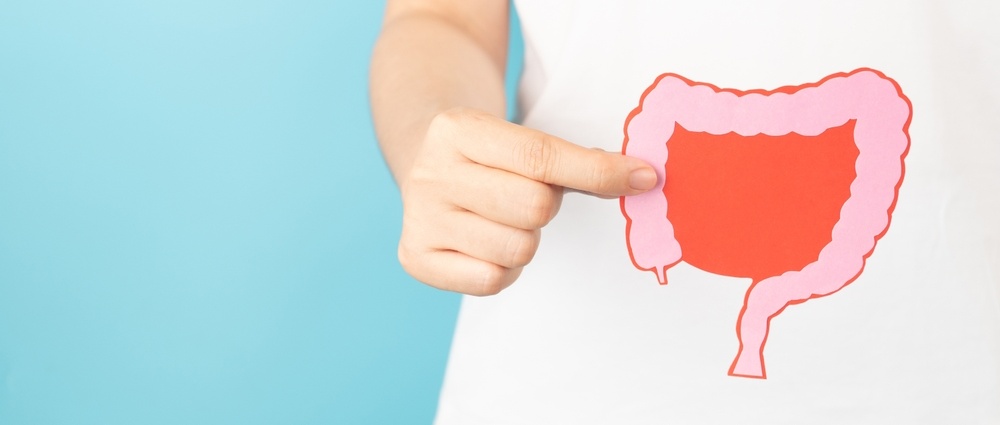
What's the difference between IBS and IBD?
Irritable bowel syndrome (IBS) and inflammatory bowel disease (IBD) are easy conditions to confuse. As well as having similar names, the two have many similar symptoms - if you have one of these conditions you may have abdominal pain, cramps, constipation, and diarrhoea, as well as feeling generally unwell. But the conditions are quite distinct, with different causes and different treatments. If you're having any of these symptoms, it's important to see your doctor who can give you a definite diagnosis.
by Lynn Stephen
Digestive health
Are the symptoms of IBS in men and women different?
We compare the different symptoms of IBS in women and men and explore how both sex and gender can shape your experience of this disorder.
by Amberley Davis

General health and lifestyle
How does IBS affect people at work?
Balancing work with irritable bowel syndrome (IBS) can pose great challenges, particularly as IBS is often linked to anxiety and stress. IBS symptoms can take a real toll on a person's physical and mental well-being, especially when they might require accommodations but feel too embarrassed to confide in colleagues or employers who don't understand.
by Emily Jane Bashforth
Sexual health
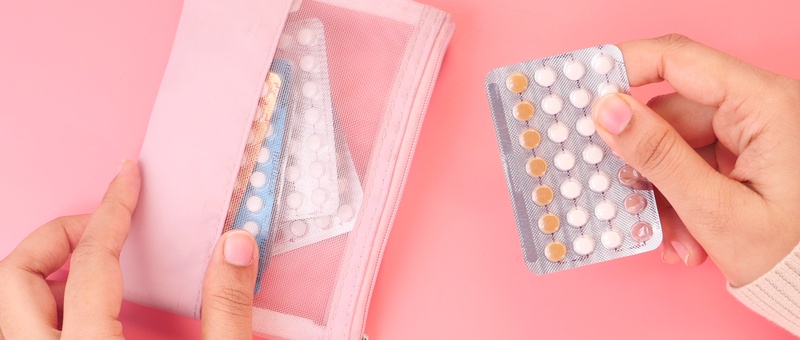
What is post-birth control syndrome?
After stopping birth control, you may notice physical or emotional changes in your body. While not officially recognised as a medical condition, these symptoms are often referred to as post-birth control syndrome (PBCS).
by Victoria Raw

Digestive health
How IBS affects sex, dating and relationships
If you're dealing with irritable bowel syndrome (IBS), the symptoms can be challenging to say the least. What is less often discussed is how the condition can impinge on other aspects of your life. This is especially the case when it comes to romantic relationships.
by Abi Millar
Related patient information and medicines
Patient information leaflet
Premenstrual syndrome
Premenstrual syndrome (PMS) can cause various symptoms before periods. In some women the symptoms can badly affect their quality of life. PMS symptoms What are the symptoms of PMS. Dr Sarah Jarvis MBE Premenstrual syndrome (PMS) can cause various symptoms before periods. In some women the symptoms can badly affect their quality of life. For more.

Patient information leaflet
Oral allergy syndrome
Oral allergy syndrome causes symptoms around the mouth that are triggered by certain foods. It is associated with other conditions caused by plant allergies, such as hay fever and allergy to birch pollen. It's also called pollen-food syndrom... What is oral allergy syndrome. Oral allergy syndrome (OAS) is an allergic condition which causes itching.

Patient information leaflet
Osler-Weber-Rendu syndrome
Osler-Weber-Rendu syndrome is a disorder of the blood vessels that can cause excessive bleeding. Osler-Weber-Rendu syndrome is also called hereditary haemorrhagic telangiectasia. The abnormal blood vessels can cause bleeding both into the skin and inside your body. What is Osler-Weber-Rendu syndrome. People with Osler-Weber-Rendu syndrome can.

Patient information leaflet
Irritable bowel syndrome
IBS stands for irritable bowel syndrome, and it is a long-term chronic condition of the gut (bowel) that causes episodes of tummy (abdominal) cramps, bloating and either constipation or diarrhoea. IBS stands for irritable bowel syndrome and may not cause any harm to your body but sometimes causes a lot of discomfort. It isn't known exactly what.

Patient information leaflet
Refeeding syndrome
Refeeding syndrome was first described in Far East prisoners after the second world war when they developed heart failure after starting to eat again after a prolonged period of starvation. What is refeeding syndrome. Refeeding syndrome is a dangerous and life threatening shift of fluids and body salts (electrolytes) that can occur when.

Patient information leaflet
Turner syndrome
Turner syndrome is a genetic condition that only affects girls. The most characteristic features of the syndrome are being short, having certain physical features (detailed below), and ovaries that do not work properly. Although there is no cure, there are treatments that can help most girls with Turner syndrome lead relatively normal lives. What.
Further reading and references
- Androgen insensitivity syndrome; MedlinePlus, National Library of Medicine.
- Chen MJ, Vu BM, Axelrad M, Dietrich JE, Gargollo P, Gunn S, Macias CG, McCullough LB, Roth DR, Sutton VR, Karaviti LP. Androgen Insensitivity Syndrome: Management Considerations from Infancy to Adulthood. Pediatr Endocrinol Rev. 2015 Jun;12(4):373-87.
- Delli Paoli E, Di Chiano S, Paoli D, Lenzi A, Lombardo F, Pallotti F. Androgen insensitivity syndrome: a review. J Endocrinol Invest. 2023 Nov;46(11):2237-2245. doi: 10.1007/s40618-023-02127-y. Epub 2023 Jun 10.
- Gottlieb B, Pinsky L, Beitel LK, Trifiro M. Androgen insensitivity. Am J Med Genet. 1999 Dec 29;89(4):210-7. doi: 10.1002/(sici)1096-8628(19991229)89:43.0.co;2-p.
- Gottlieb B, Trifiro MA. Androgen Insensitivity Syndrome. 1999 Mar 24 [updated 2017 May 11]. In: Adam MP, Bick S, Mirzaa GM, Wallace SE, Amemiya A, editors. GeneReviews(R) [Internet]. Seattle (WA): University of Washington, Seattle; 1993-2026. Available from http://www.ncbi.nlm.nih.gov/books/NBK1429/
- Hiort O. Clinical and molecular aspects of androgen insensitivity. Endocr Dev. 2013;24:33-40. doi: 10.1159/000342499. Epub 2013 Feb 1.
- Hughes IA, Davies JD, Bunch TI, Pasterski V, Mastroyannopoulou K, MacDougall J. Androgen insensitivity syndrome. Lancet. 2012 Oct 20;380(9851):1419-28. doi: 10.1016/S0140-6736(12)60071-3. Epub 2012 Jun 13.
Share your thoughts or experiences with others in our patient communities.
Simple access to trusted treatments and health services online.
Common conditions
Get help with common conditions through the NHS, without a GP appointment.





Sign up to the Patient newsletter
Your weekly dose of clear, trustworthy health advice - written to help you feel informed, confident and in control.
By subscribing you accept our Privacy Policy. You can unsubscribe at any time. We never sell your data.