Ataxia with oculomotor apraxia
Last updated 18 Aug 2020
Meets Patient’s editorial guidelines
- DownloadDownload
- Share
- Language
- Discussion
- Ask Patient
- Audio Version
- Add to preferred sources on Google
Ataxia with oculomotor apraxia is a condition characterised by problems with movement that worsen over time. The hallmark of this condition is poor coordination and balance (ataxia), which is often the first symptom. Most affected people also have oculomotor apraxia, which makes it difficult to move their eyes side-to-side. People with oculomotor apraxia have to turn their head to see things in their side (peripheral) vision.
Video picks for Genetic conditionsVideo library
Description
Ataxia with oculomotor apraxia is a condition characterised by problems with movement that worsen over time. The hallmark of this condition is poor coordination and balance (ataxia), which is often the first symptom. Most affected people also have oculomotor apraxia, which makes it difficult to move their eyes side-to-side. People with oculomotor apraxia have to turn their head to see things in their side (peripheral) vision.
There are several types of ataxia with oculomotor apraxia, the most common of which are types 1, 2, and 4. The types are very similar but are caused by mutations in different genes.
Type 1 begins around age 4. In addition to ataxia and oculomotor apraxia, affected individuals can have involuntary jerking movements (chorea) or muscle twitches (myoclonus); these movement problems tend to disappear over time. Individuals with this type may also develop muscle wasting in their hands and feet, which further impairs movement. As in all forms of ataxia with oculomotor apraxia, nearly all people with type 1 develop nerve abnormalities (neuropathy). Neuropathy impairs reflexes and leads to limb weakness and an inability to sense vibrations. Many individuals with ataxia with oculomotor apraxia require wheelchair assistance, typically 10 to 15 years after the start of movement problems.
People with some types of ataxia with oculomotor apraxia may have characteristic blood abnormalities. Individuals with type 1 tend to have reduced amounts of a protein called albumin, which transports molecules in the blood. The shortage of albumin likely results in elevated levels of cholesterol circulating in the bloodstream. Increased cholesterol levels raise a person's risk of developing heart disease.
Ataxia with oculomotor apraxia type 2 usually begins around age 15. As in type 1, affected individuals may have chorea or myoclonus, although these movement problems persist throughout life in type 2. Neuropathy is also common in this type.
A key feature of ataxia with oculomotor apraxia type 2 is high amounts of a protein called alpha-fetoprotein (AFP) in the blood. (Raised levels of this protein are normally seen in the bloodstream of pregnant women.) Individuals with type 2 may also have high amounts of a protein called creatine phosphokinase (CPK) in their blood. This protein is normally found primarily in muscle tissue. The effect of abnormally high levels of AFP or CPK in people with ataxia with oculomotor apraxia type 2 is unknown. Although individuals with type 2 usually have normal albumin levels, cholesterol may be elevated.
Ataxia with oculomotor apraxia type 4 begins around age 4. In addition to ataxia and oculomotor apraxia, individuals with this type typically develop dystonia, which is involuntary, sustained muscle tensing that causes unusual positioning of body parts. Dystonia can be the first feature of the condition, and it tends to disappear gradually over time. Muscle wasting in the hands and feet and neuropathy are also common in individuals with type 4.
In ataxia with oculomotor apraxia type 4, albumin levels can be low, and cholesterol or AFP can be elevated. However, the amounts of these molecules are normal in many affected individuals.
Intelligence is usually not affected by ataxia with oculomotor apraxia, but some people with the condition have intellectual disability.
Inheritance patterns
The source lists the following possible inheritance patterns: Autosomal recessive. More than one pattern can apply in different cases.
Related genes
Other names
Adult onset ataxia with oculomotor apraxia
EAOH
Early-onset ataxia with ocular motor apraxia and hypoalbuminemia
SCAN2
SCAR1
Spinocerebellar ataxia with axonal neuropathy type 2
Spinocerebellar ataxia, recessive, non-Friedreich type 1
Patient picks for Genetic conditions

General health and lifestyle
Book a Pharmacy First online consultation
NHS Pharmacy First is a new scheme from the G... It allows patients to get treatment, including prescription medications where necessary, for common conditions without the need for a GP appointment. Through NHS Pharmacy First, My Local Surgery offers fast, free private online consultations with an NHS pharmacist for quick diagnosis and.
by Thomas Andrew Porteus, MBCS
Condition & symptom support
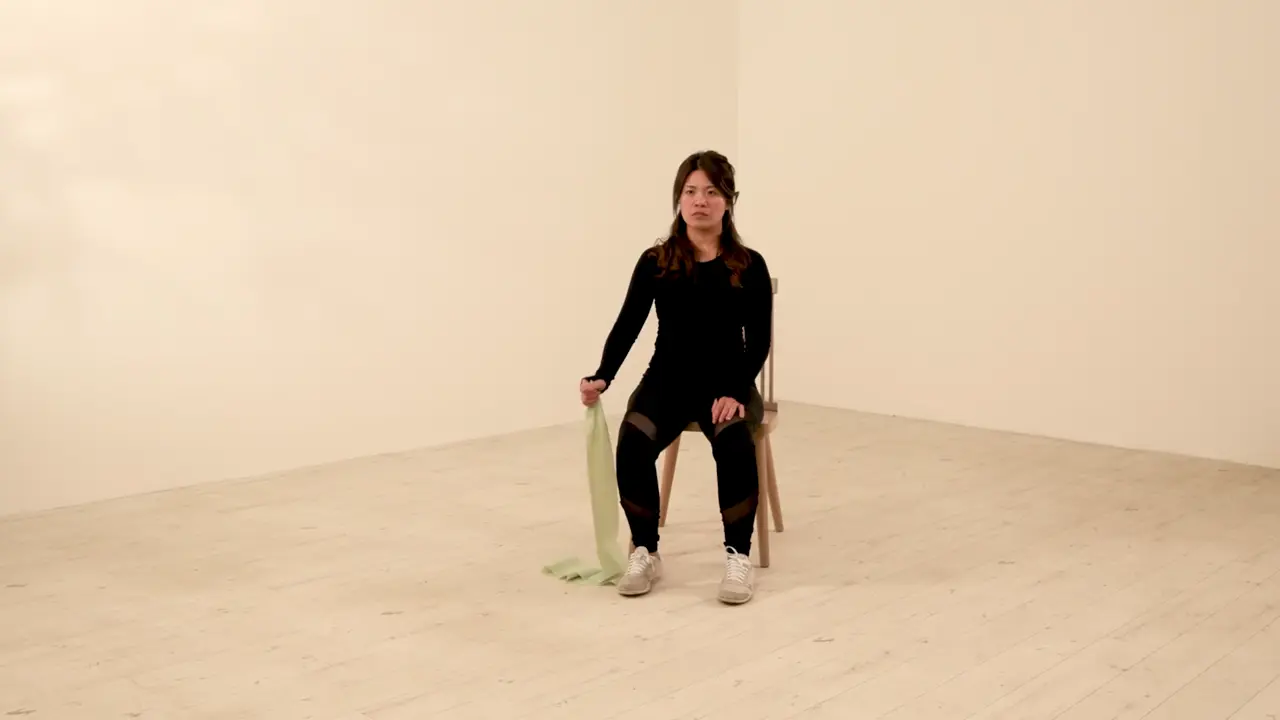
Seated Single Arm Banded Overhead Press
The Seated Single Arm Banded Overhead Press is a unilateral strength exercise that targets the shoulders and arms. Sit tall with one end of the resistance band under your foot and hold the other end in one hand at shoulder height. Press the band overhead until your arm is straight, then lower with control. This exercise builds shoulder stability and balanced strength.
Preventative health
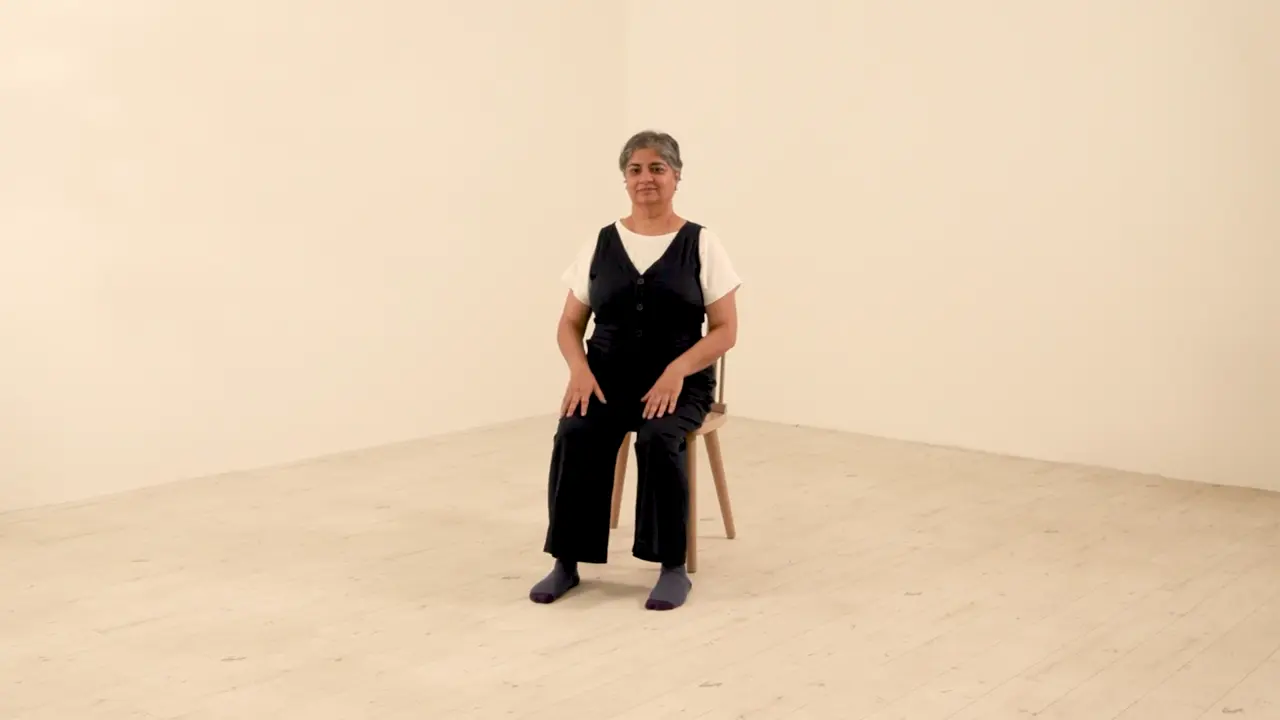
Rainbow Dance Seated
Sit comfortably toward the front of the chair with your feet flat on the floor, knees slightly apart and aligned with the hips. Keep the spine long and relaxed. Open your arms out to the sides, imagining you are holding a rainbow — each palm supporting one end of its arc. Gently shift your weight into one sit bone, and as you do, bend sideways toward the opposite side (so if you shift right, you lean left). Keep the movement soft and spacious, lifting through the ribs rather than collapsing. This gentle lateral stretch supports the Stomach meridian, traditionally linked with digestion and overall nourishment. The movement can also help release tension across the shoulders and encourage ease in the nervous system. Return to centre, switch sides, and continue flowing side to side, as though moving beneath a rainbow that arches and softens with each breath.

Preventative health
March In Place With Knee Tap
The March in Place with Knee Tap is a coordination and mobility exercise that engages the legs, hips, and core while improving rhythm and balance. March in place with high knees, tapping each knee with the opposite hand as it lifts. Maintain an upright posture and a steady, controlled rhythm throughout. This exercise enhances coordination, balance, and core engagement through dynamic movement.
Preventative health
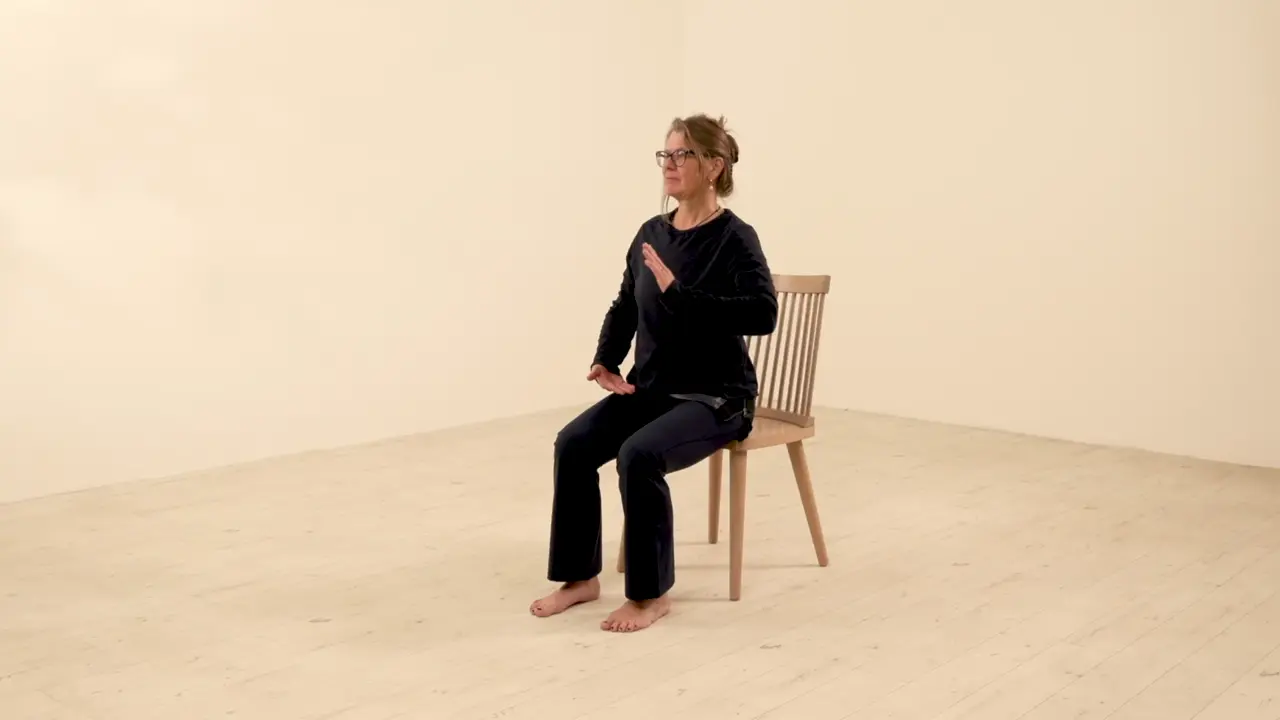
Spinal Twist and Back Glance
Spinal Twist and Back Glance combines a gentle torso rotation with a backward gaze to release tension in the spine and shoulders. It enhances mobility, balance, and postural awareness.
Preventative health
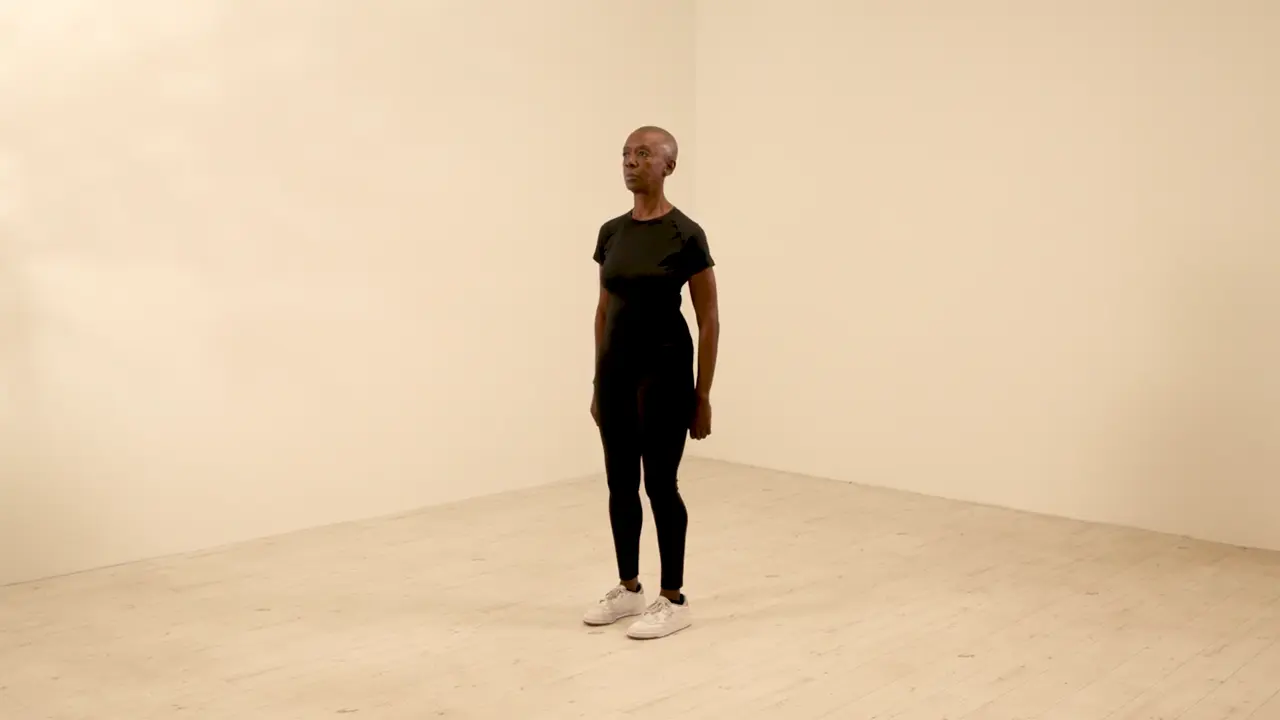
Side Step With Arm Raise
The Side Step with Arm Raise is a coordination and mobility exercise that engages the legs, shoulders, and core while improving rhythm and balance. Begin by stepping side to side in a steady rhythm—step to the right, then to the left. Once comfortable, add arm movement by swinging one arm straight forward and up as you step with the opposite leg. Continue alternating sides in a smooth, controlled motion. This exercise enhances coordination, upper and lower-body control, and overall functional movement.
Related patient information and medicines
Patient information leaflet
Peripheral neuropathy
The symptoms of peripheral neuropathy depend on which type of peripheral nerves are damaged (sensory, motor or autonomic nerves). Two of the most common of these are Charcot-Marie-Tooth syndrome and Friedreich's ataxia. Idiopathic peripheral neuropathy In a few people, no specific cause is found for their peripheral neuropathy. About half of.

Patient information leaflet
Coeliac disease
Unexplained ataxia, that could be gluten ataxia. (Ataxia is a rare brain condition which causes problems with balance and coordinating your movements.). Gluten-related neurological conditions Some rare conditions of the brain and nervous system are slightly more common in people with coeliac disease, such as the following: Gluten ataxia - a brain.

Patient information leaflet
Diabetes
Latent autoimmune diabetes of adults (LADA): a slow-onset form of type 1 diabet... It is also called DIDMOAD (because it causes diabetes insipidus , diabetes mellitus, optic atrophy and deafness). Other genetic diseases that can cause diabetes : these include Friedreich's ataxia and haemochromatosis Haemochromatosis. Diabetes is a condition where.

Patient information leaflet
Foot drop
Foot drop, which is also sometimes called a dropped foot, is a condition in which it is difficult to lift up the front part of the foot. As a result the forefoot and toes tend to catch or drag on the floor when walking. It can be temporary or permanent and most commonly affects one side only. Charcot-M... Poliomyelitis Polio and polio vaccine.

Patient information leaflet
Chickenpox in adults and teenagers
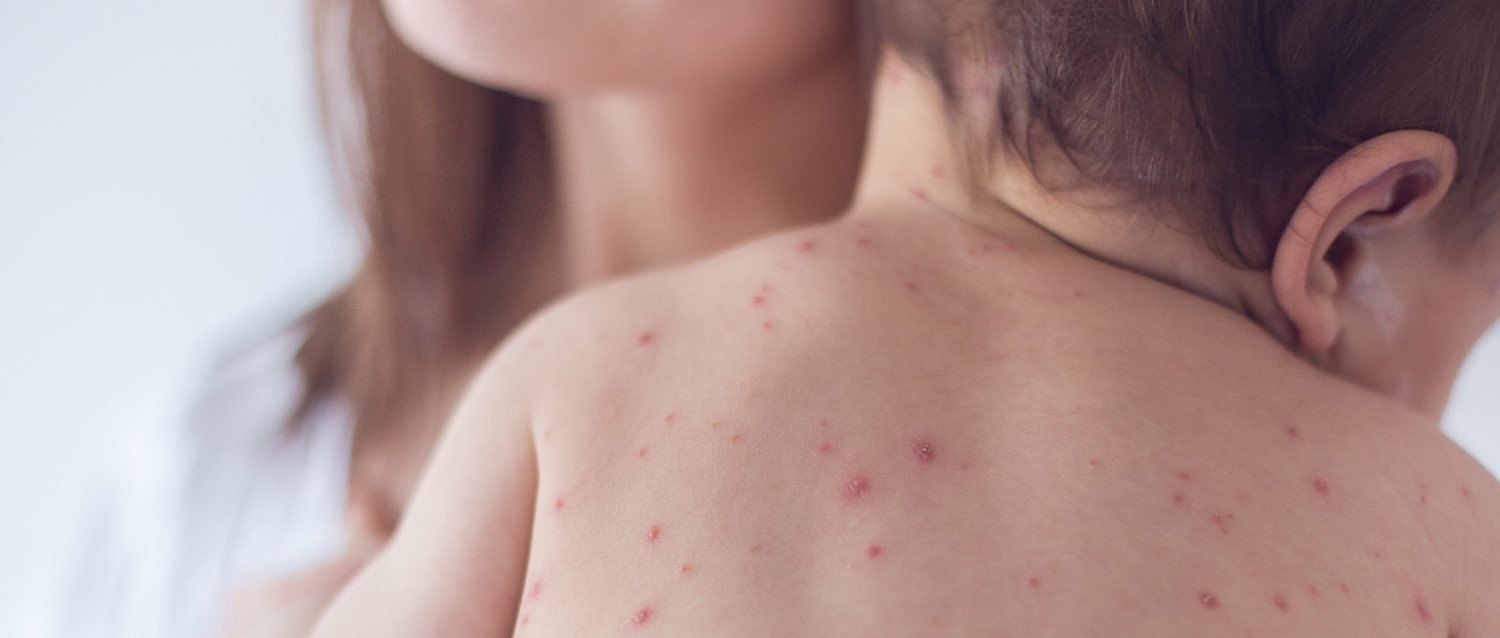
Serious complications are rare but are more likely to occur in children with a poor immune system, such as those on chemotherapy. [https://patient.info/health/viral-rashes/chickenpox-in-children](https://patient.info/health/viral-rashes/chickenpox-in-children) Chickenpox on an adult's back Chickenpox adult back The chickenpox infection is caused.
Patient information leaflet
Chickenpox in children
Complications of chickenpox Most of the time, children with chickenpox recover fully and have no complications. Some spots become infected with germs (bacteria) in some cases. For example: Reye's syndrome. (a very rare condition with brain and liver problems). Ataxia (problems co-ordinating movements). Inflammation of the pancreas (pancreatitis).
Further reading and references
- Ataxia with oculomotor apraxia; MedlinePlus, National Library of Medicine.
- Al Tassan N, Khalil D, Shinwari J, Al Sharif L, Bavi P, Abduljaleel Z, Abu Dhaim N, Magrashi A, Bobis S, Ahmed H, Alahmed S, Bohlega S. A missense mutation in PIK3R5 gene in a family with ataxia and oculomotor apraxia. Hum Mutat. 2012 Feb;33(2):351-4. doi: 10.1002/humu.21650. Epub 2011 Dec 8.
- Anheim M, Monga B, Fleury M, Charles P, Barbot C, Salih M, Delaunoy JP, Fritsch M, Arning L, Synofzik M, Schols L, Sequeiros J, Goizet C, Marelli C, Le Ber I, Koht J, Gazulla J, De Bleecker J, Mukhtar M, Drouot N, Ali-Pacha L, Benhassine T, Chbicheb M, M'Zahem A, Hamri A, Chabrol B, Pouget J, Murphy R, Watanabe M, Coutinho P, Tazir M, Durr A, Brice A, Tranchant C, Koenig M. Ataxia with oculomotor apraxia type 2: clinical, biological and genotype/phenotype correlation study of a cohort of 90 patients. Brain. 2009 Oct;132(Pt 10):2688-98. doi: 10.1093/brain/awp211. Epub 2009 Aug 20.
- Bras J, Alonso I, Barbot C, Costa MM, Darwent L, Orme T, Sequeiros J, Hardy J, Coutinho P, Guerreiro R. Mutations in PNKP cause recessive ataxia with oculomotor apraxia type 4. Am J Hum Genet. 2015 Mar 5;96(3):474-9. doi: 10.1016/j.ajhg.2015.01.005. Epub 2015 Feb 26.
- Choudry TN, Hilton-Jones D, Lennox G, Houlden H. Ataxia with oculomotor apraxia type 2: an evolving axonal neuropathy. Pract Neurol. 2018 Feb;18(1):52-56. doi: 10.1136/practneurol-2017-001711. Epub 2017 Dec 6.
- Criscuolo C, Chessa L, Di Giandomenico S, Mancini P, Sacca F, Grieco GS, Piane M, Barbieri F, De Michele G, Banfi S, Pierelli F, Rizzuto N, Santorelli FM, Gallosti L, Filla A, Casali C. Ataxia with oculomotor apraxia type 2: a clinical, pathologic, and genetic study. Neurology. 2006 Apr 25;66(8):1207-10. doi: 10.1212/01.wnl.0000208402.10512.4a.
- Hoch NC, Hanzlikova H, Rulten SL, Tetreault M, Komulainen E, Ju L, Hornyak P, Zeng Z, Gittens W, Rey SA, Staras K, Mancini GM, McKinnon PJ, Wang ZQ, Wagner JD; Care4Rare Canada Consortium; Yoon G, Caldecott KW. XRCC1 mutation is associated with PARP1 hyperactivation and cerebellar ataxia. Nature. 2017 Jan 5;541(7635):87-91. doi: 10.1038/nature20790. Epub 2016 Dec 21.
- Le Ber I, Brice A, Durr A. New autosomal recessive cerebellar ataxias with oculomotor apraxia. Curr Neurol Neurosci Rep. 2005 Sep;5(5):411-7. doi: 10.1007/s11910-005-0066-4.
- Le Ber I, Moreira MC, Rivaud-Pechoux S, Chamayou C, Ochsner F, Kuntzer T, Tardieu M, Said G, Habert MO, Demarquay G, Tannier C, Beis JM, Brice A, Koenig M, Durr A. Cerebellar ataxia with oculomotor apraxia type 1: clinical and genetic studies. Brain. 2003 Dec;126(Pt 12):2761-72. doi: 10.1093/brain/awg283. Epub 2003 Sep 23.
- O'Connor E, Vandrovcova J, Bugiardini E, Chelban V, Manole A, Davagnanam I, Wiethoff S, Pittman A, Lynch DS, Efthymiou S, Marino S, Manzur AY, Roberts M, Hanna MG, Houlden H, Matthews E, Wood NW. Mutations in XRCC1 cause cerebellar ataxia and peripheral neuropathy. J Neurol Neurosurg Psychiatry. 2018 Nov;89(11):1230-1232. doi: 10.1136/jnnp-2017-317581. Epub 2018 Feb 22. No abstract available.
- Renaud M, Moreira MC, Ben Monga B, Rodriguez D, Debs R, Charles P, Chaouch M, Ferrat F, Laurencin C, Vercueil L, Mallaret M, M'Zahem A, Pacha LA, Tazir M, Tilikete C, Ollagnon E, Ochsner F, Kuntzer T, Jung HH, Beis JM, Netter JC, Djamshidian A, Bower M, Bottani A, Walsh R, Murphy S, Reiley T, Bieth E, Roelens F, Poll-The BT, Lourenco CM, Jardim LB, Straussberg R, Landrieu P, Roze E, Thobois S, Pouget J, Guissart C, Goizet C, Durr A, Tranchant C, Koenig M, Anheim M. Clinical, Biomarker, and Molecular Delineations and Genotype-Phenotype Correlations of Ataxia With Oculomotor Apraxia Type 1. JAMA Neurol. 2018 Apr 1;75(4):495-502. doi: 10.1001/jamaneurol.2017.4373.
Share your thoughts or experiences with others in our patient communities.
Simple access to trusted treatments and health services online.
Common conditions
Get help with common conditions through the NHS, without a GP appointment.





Sign up to the Patient newsletter
Your weekly dose of clear, trustworthy health advice - written to help you feel informed, confident and in control.
By subscribing you accept our Privacy Policy. You can unsubscribe at any time. We never sell your data.