Glycogen storage disease type III
Last updated 26 Jul 2023
Meets Patient’s editorial guidelines
- DownloadDownload
- Share
- Language
- Discussion
- Ask Patient
- Audio Version
- Add to preferred sources on Google
Glycogen storage disease type III (also known as GSDIII or Cori disease) is an inherited disorder caused by the buildup of a complex sugar called glycogen in the body's cells. The accumulated glycogen is structurally abnormal and impairs the function of certain organs and tissues, especially the liver and muscles.
Video picks for Genetic conditionsVideo library
Description
Glycogen storage disease type III (also known as GSDIII or Cori disease) is an inherited disorder caused by the buildup of a complex sugar called glycogen in the body's cells. The accumulated glycogen is structurally abnormal and impairs the function of certain organs and tissues, especially the liver and muscles.
GSDIII is divided into types IIIa, IIIb, IIIc, and IIId, which are distinguished by their pattern of signs and symptoms. GSD types IIIa and IIIc mainly affect the liver and muscles, and GSD types IIIb and IIId typically affect only the liver. It is very difficult to distinguish between the types of GSDIII that affect the same tissues. GSD types IIIa and IIIb are the most common forms of this condition.
Beginning in infancy, individuals with any type of GSDIII may have low blood glucose (hypoglycemia), excess amounts of fats in the blood (hyperlipidemia), and elevated blood levels of liver enzymes. As they get older, children with this condition typically develop an enlarged liver (hepatomegaly). Liver size usually returns to normal during adolescence, but some affected individuals develop chronic liver disease (cirrhosis) and liver failure later in life. People with GSDIII often have slow growth because of their liver problems, which can lead to short stature. In a small percentage of people with GSDIII, noncancerous (benign) tumours called adenomas may form in the liver.
Individuals with GSDIIIa may develop muscle weakness (myopathy) later in life. These muscle problems can affect both heart (cardiac) muscle and the muscles that are used for movement (skeletal muscles). Muscle involvement varies greatly among affected individuals. The first signs and symptoms are typically poor muscle tone (hypotonia) and mild myopathy in early childhood. The myopathy may become severe by early to mid-adulthood. Some people with GSDIIIa have a weakened heart muscle (cardiomyopathy), but affected individuals usually do not experience heart failure. Other people affected with GSDIIIa have no cardiac muscle problems.
Inheritance patterns
The source lists the following possible inheritance patterns: Autosomal recessive. More than one pattern can apply in different cases.
Related genes
Other names
AGL deficiency
Cori disease
Cori's disease
Debrancher deficiency
Forbes disease
Glycogen debrancher deficiency
GSD III
GSD3
Limit dextrinosis
Patient picks for Genetic conditions

Children's health
Glycogen storage disorders
Glycogen storage disorders are a group of inherited diseases. They result from a problem with one of the proteins (known as enzymes) involved in the conversion of glucose to glycogen, or the breakdown of glycogen back into glucose. They mostly tend to affect your liver and muscles. Most are diagnosed in childhood. Symptoms include weakness, tiredness and low blood sugar levels. Newer treatment possibilities provide hope for an improved outlook (prognosis). Most people with a glycogen storage disorder respond well to treatment. However, type II (infantile Pompe's disease) can be difficult to treat and can affect life expectancy.
by Dr Roger Henderson, MBBS
Kidney and urinary tract
IgA nephropathy
IgA nephropathy is a condition in which a protein causes damage to the kidneys. The protein is called immunoglobulin A or IgA. Nephropathy means an illness that damages the kidney.
by Dr Colin Tidy, MRCGP

Diabetes
MHRA approves teplizumab to delay progression of type 1 diabetes
Teplizumab (Tzield) has been approved by the Medicines and Healthcare products Regulatory Agency (MHRA) to help delay the onset of Stage 3 type 1 diabetes (T1D). Read on to see what this means if you are prescribed teplizumab and what it does for you.
by Lawrence Higgins
Diabetes
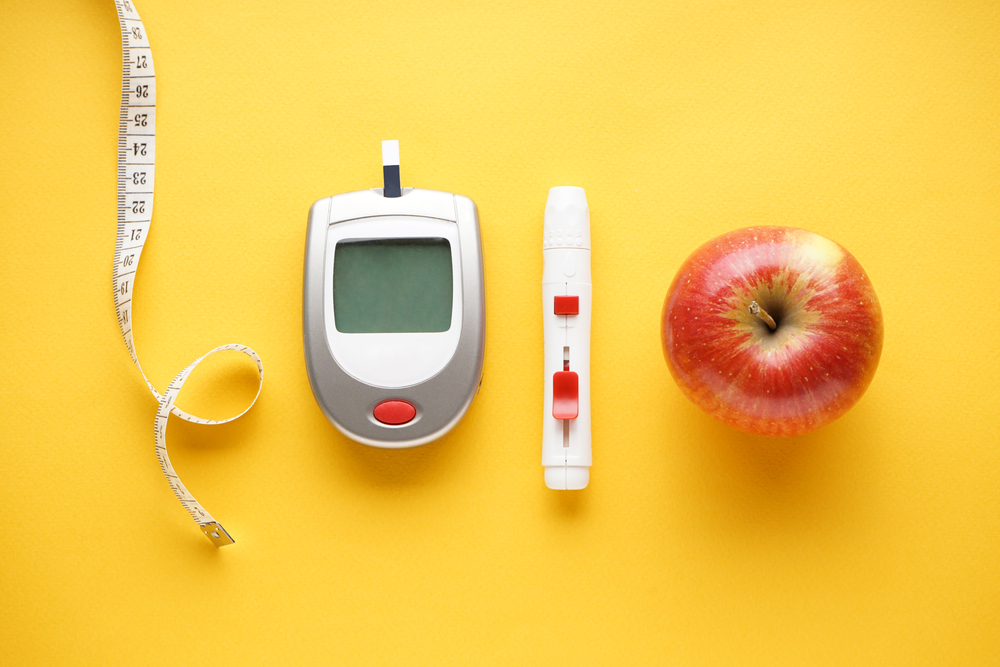
Changes in type 2 diabetes care - what it means for you
If you are living with type 2 diabetes your treatment may soon change to be tailored around you and your specific needs - which will help improve your long-term health. Read on to find out what the changes are and what they mean for you.
by Lawrence Higgins
General health
Asbestos-related diseases
People exposed to asbestos can develop diseases in later life. These most commonly affect the lungs but can also affect the lining of the tummy (abdomen). Some conditions - for example, mesothelioma or lung cancer - are more serious than others. This leaflet gives a brief overview of the diseases that are related to having an exposure to asbestos in the past.
by Dr Louise Newson, MRCGP

Heart health and blood vessels
Being 'pear-shaped' may lower risk of heart disease in women
A new study of postmenopausal women has shown that women who are 'apple-shaped' rather than 'pear-shaped' are at greater risk of heart and blood vessel problems.
by Milly Evans
Related patient information and medicines
Patient information leaflet
Glycogen storage disorders
Glycogen storage disorders are a group of inherited diseases. They result from a problem with one of the proteins (known as enzymes) involved in the conversion of glucose to glycogen, or the breakdown of glycogen back into glucose. Glycogen storage disorders are a group of inherited diseases that result from a lack of, or abnormal functioning of,.
Patient information leaflet
Non-alcoholic fatty liver disease
Non-alcoholic fatty liver disease (NAFLD) describes a range of conditions caused by a build-up of fat within liver cells. It is very common and in many cases is linked to being obese or overweight. Much of the food we eat is broken down by the body into... This is what our bodies use for energy. Glucose can't be stored so it is turned into a.
Patient information leaflet
IgA nephropathy
IgA nephropathy is a condition in which a protein causes damage to the kidneys. The protein is called immunoglobulin A or IgA. Nephropathy means an illness that damages the kidney. The main job of the kidneys is to clear waste materials from the body and maintain a normal balance of fluids and chemicals in the body. The kidneys also have other.

Patient information leaflet
Diabetic kidney disease
Diabetic kidney disease is a complication that occurs in some people with diabetes. Treatment aims to prevent or delay the progression of the disease. Also, it aims to reduce the risk of developing cardiovascular diseases such as heart attack and stroke which are much more common than average in people with this disease. What is diabetic kidney.

Patient information leaflet
Wilson's disease
Wilson's disease is a genetic disorder in which copper builds up in the body, mainly in the liver and brain. Without any treatment, the build-up of copper can cause serious symptoms. Treatment is with medication to remove the excess copper and/or to prevent a further build-up of copper. What is Wilson's disease. Wilson's disease is a condition.
Patient information leaflet
Diet in chronic kidney disease
Chronic kidney disease (CKD) is a common long-term condition where the kidneys aren't working as well as they should be. There are some dietary choices that are recommended for people with early CKD. People with more advanced CKD may be advised to follow a special diet, usually with the support of a specialist dietician. It's important for.
Further reading and references
- Glycogen storage disease type III; MedlinePlus, National Library of Medicine.
- Cheng A, Zhang M, Okubo M, Omichi K, Saltiel AR. Distinct mutations in the glycogen debranching enzyme found in glycogen storage disease type III lead to impairment in diverse cellular functions. Hum Mol Genet. 2009 Jun 1;18(11):2045-52. doi: 10.1093/hmg/ddp128. Epub 2009 Mar 19.
- Frisbie JH, O'Connell DJ, Tow DE, Sasahara AA, Belko JS. Autologous radioiodinated fibrinogen, simplified. J Nucl Med. 1975 May;16(5):393-401.
- Kishnani PS, Austin SL, Arn P, Bali DS, Boney A, Case LE, Chung WK, Desai DM, El-Gharbawy A, Haller R, Smit GP, Smith AD, Hobson-Webb LD, Wechsler SB, Weinstein DA, Watson MS; ACMG. Glycogen storage disease type III diagnosis and management guidelines. Genet Med. 2010 Jul;12(7):446-63. doi: 10.1097/GIM.0b013e3181e655b6.
- Lucchiari S, Pagliarani S, Salani S, Filocamo M, Di Rocco M, Melis D, Rodolico C, Musumeci O, Toscano A, Bresolin N, Comi GP. Hepatic and neuromuscular forms of glycogenosis type III: nine mutations in AGL. Hum Mutat. 2006 Jun;27(6):600-1. doi: 10.1002/humu.9426.
- Schreuder AB, Rossi A, Grunert SC, Derks TGJ. Glycogen Storage Disease Type III. 2010 Mar 9 [updated 2022 Jan 6]. In: Adam MP, Bick S, Mirzaa GM, Wallace SE, Amemiya A, editors. GeneReviews(R) [Internet]. Seattle (WA): University of Washington, Seattle; 1993-2026. Available from http://www.ncbi.nlm.nih.gov/books/NBK26372/
Share your thoughts or experiences with others in our patient communities.
Simple access to trusted treatments and health services online.
Common conditions
Get help with common conditions through the NHS, without a GP appointment.





Sign up to the Patient newsletter
Your weekly dose of clear, trustworthy health advice - written to help you feel informed, confident and in control.
By subscribing you accept our Privacy Policy. You can unsubscribe at any time. We never sell your data.