amylo-alpha-1,6-glucosidase and 4-alpha-glucanotransferase
Last updated 1 Nov 2024
Meets Patient’s editorial guidelines
- DownloadDownload
- Share
- Language
- Discussion
- Ask Patient
- Audio Version
- Add to preferred sources on Google
The AGL gene provides instructions for making the glycogen debranching enzyme. This enzyme is involved in the breakdown of a complex sugar called glycogen, which is a major source of stored energy in the body. Glycogen is made up of several molecules of a simple sugar called glucose. Some glucose molecules are linked together in a straight line, while others branch off and form side chains. The glycogen debranching enzyme is involved in the breakdown of these side chains. The branched structure of glycogen makes it more compact for storage and allows it to break down more easily when it is needed for fuel.
Video picks for GenesVideo library
Normal function
The AGL gene provides instructions for making the glycogen debranching enzyme. This enzyme is involved in the breakdown of a complex sugar called glycogen, which is a major source of stored energy in the body. Glycogen is made up of several molecules of a simple sugar called glucose. Some glucose molecules are linked together in a straight line, while others branch off and form side chains. The glycogen debranching enzyme is involved in the breakdown of these side chains. The branched structure of glycogen makes it more compact for storage and allows it to break down more easily when it is needed for fuel.
The AGL gene provides instructions for making several different versions (isoforms) of the glycogen debranching enzyme. These isoforms vary by size and are active (expressed) in different tissues.
Conditions referring to this gene or chromosome
Other names
amylo-1, 6-glucosidase, 4-alpha-glucanotransferase
GDE
GDE_HUMAN
glycogen debrancher
glycogen debranching enzyme
Patient picks for Genes

Treatment and medication
Check your medicines for interactions
Use this medicine and drug interaction checker to see whether your medicines, supplements, vitamins, foods, or certain health conditions may interact with each other. It can help you understand potential risks, avoid unwanted side effects, and decide when it’s important to speak to a pharmacist, GP, or other healthcare professional. The tool is suitable for checking both prescription and over-the-counter medicines, as well as common supplements and herbal remedies. Open in a new window
Tests and investigations
CT scan
Note: the information below is a general guide only. The arrangements, and the way tests are performed, may vary between different hospitals. Always follow the instructions given by your doctor or local hospital.
by Dr Rachel Hudson, MRCGP
Pregnancy
Multiple pregnancy
In a multiple pregnancy, there is more than one baby growing in the womb (uterus) at the same time. Being pregnant with twins is the most common example. Both mother and babies need extra monitoring during pregnancy as the risks are higher than in a singleton pregnancy.
by Dr Toni Hazell, FRCGP
Cancer
Bowel cancer
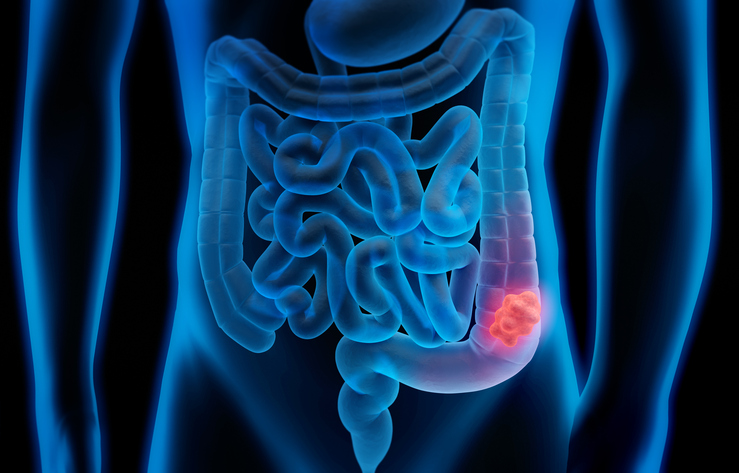
Colon cancer and rectal cancer (also called colorectal cancer) are common in the UK. The colon and rectum are parts of your bowel. Most cases occur in people aged over 50. If bowel cancer is diagnosed at an early stage, there is a good chance of a cure. In general, the more advanced the cancer (the more it has grown and spread), the less chance that treatment will be curative. However, treatment can often slow the progress of the cancer.
by Dr Doug McKechnie, MRCGP
Pregnancy
Cervical insufficiency and suture
Cervical insufficiency (sometimes called cervical incompetence) occurs when the neck of the womb (the cervix) softens, shortens and opens without any other symptoms of labour. This may be in the second trimester or early in the third, leading to premature delivery of the baby. Cervical suture - also called cervical cerclage or cervical stitch - is a stitch placed in/around the cervix. This is to try to prevent late miscarriage or premature birth in women who are felt to be at high risk of cervical insufficiency.
by Dr Hayley Willacy, FRCGP

Allergies, blood and immune system
Sjögren's syndrome
Sjögren's syndrome is an autoimmune disease that causes the glands that produce tears and saliva to stop working. It is a life-long condition but treatments can help control symptoms such as dry eyes and dry mouth.
by Dr Doug McKechnie, MRCGP
Related patient information and medicines

Patient information leaflet
Liver function tests
Liver function tests measure a series of chemicals which relate to the way the liver works. They include substances that are made in the liver or affected by the health of the live... Transferases (AST or SGOT and ALT or SGPT). Autoantibody tests (to detect and monitor immune diseases The immune system ). Liver function Liver function The liver is.
Patient information leaflet
CT scan
Note : the information below is a general guide only. The arrangements, and the way tests are performed, may vary between different hospitals. Always follow the instructions given by your doctor or local hospital. What is a CT scan. A CT scan is a specialised X-ray test. It can give quite clear pictures of the inside of your body. In particular,.

Patient information leaflet
Blood in semen
Haematospermia means there is blood in the semen. Usually there are no other symptoms such as pain. In men under 40 years old it is usually harmless and resolves without any treatment. However, it can also be caused by a number of conditions that need investigations and treatment. How common is blood in semen. Blood in semen (haematospermia) is.
Patient information leaflet
Liver failure
Helping your body to fight against infection. How common is liver failure. Acute liver failure is very uncommon: In England , there were 688 liver transplants, 28 in Scotland, 69 in Wales and 24 in Northern Ireland performed in the year April 2021 to April 2022. The number of transplants increased by 11% from the previous year. The number of.
Patient information leaflet
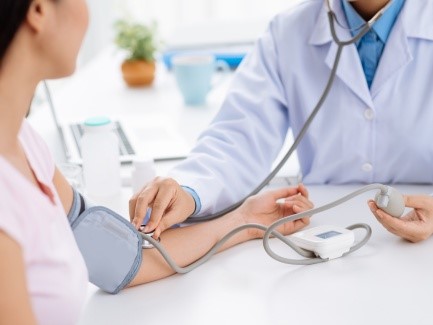
High blood pressure
This means the heart has to work harder and the blood vessels are under mor... Healthcare professionals sometimes call high blood pressure 'hypertension'. [https://patient.info/health/high-blood-pressure-hypertension](https://patient.info/health/high-blood-pressure-hypertension) Understanding a blood pressure reading Blood pressure readings are.
Patient information leaflet
Peripheral vasodilators
Peripheral vasodilators are medicines that are used to treat conditions that affect blood vessels in outer (peripheral) parts of the body such as the arms and legs. For example, they are used to treat peripheral arterial disease and Raynaud's phenomenon. They ease the symptoms of these conditions by dilating the blood vessels, preventing them from.
Further reading and references
- amylo-alpha-1,6-glucosidase and 4-alpha-glucanotransferase; MedlinePlus, National Library of Medicine.
- Cheng A, Zhang M, Okubo M, Omichi K, Saltiel AR. Distinct mutations in the glycogen debranching enzyme found in glycogen storage disease type III lead to impairment in diverse cellular functions. Hum Mol Genet. 2009 Jun 1;18(11):2045-52. doi: 10.1093/hmg/ddp128. Epub 2009 Mar 19.
- Endo Y, Horinishi A, Vorgerd M, Aoyama Y, Ebara T, Murase T, Odawara M, Podskarbi T, Shin YS, Okubo M. Molecular analysis of the AGL gene: heterogeneity of mutations in patients with glycogen storage disease type III from Germany, Canada, Afghanistan, Iran, and Turkey. J Hum Genet. 2006;51(11):958-963. doi: 10.1007/s10038-006-0045-x. Epub 2006 Sep 19.
- Frisbie JH, O'Connell DJ, Tow DE, Sasahara AA, Belko JS. Autologous radioiodinated fibrinogen, simplified. J Nucl Med. 1975 May;16(5):393-401.
- Lucchiari S, Pagliarani S, Salani S, Filocamo M, Di Rocco M, Melis D, Rodolico C, Musumeci O, Toscano A, Bresolin N, Comi GP. Hepatic and neuromuscular forms of glycogenosis type III: nine mutations in AGL. Hum Mutat. 2006 Jun;27(6):600-1. doi: 10.1002/humu.9426.
Share your thoughts or experiences with others in our patient communities.
Simple access to trusted treatments and health services online.
Common conditions
Get help with common conditions through the NHS, without a GP appointment.





Sign up to the Patient newsletter
Your weekly dose of clear, trustworthy health advice - written to help you feel informed, confident and in control.
By subscribing you accept our Privacy Policy. You can unsubscribe at any time. We never sell your data.